Horror meets paintball action
Zombie Paintball Guide for Thrill Seekers

Content
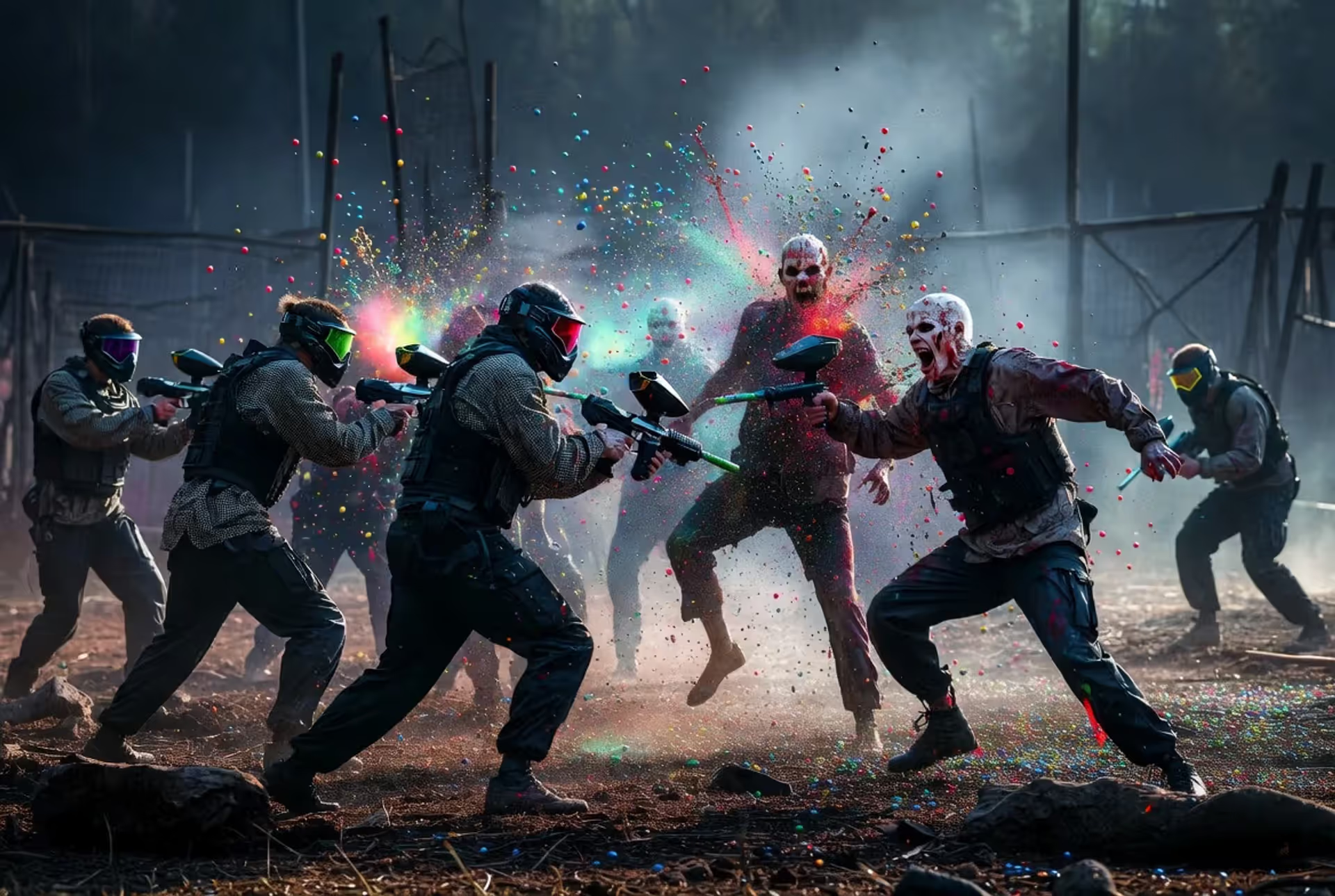
Picture this: you're bouncing along a dirt trail after sunset, gripping a paintball gun, when something that looks like it crawled out of a grave lunges at your hay wagon. Your buddy screams. You fire. The zombie staggers back with a fresh paint splatter across its chest. Welcome to zombie paintball—where horror theater meets target practice, and nobody shoots back at you.
This isn't regular paintball. There's no other team trying to eliminate you. Instead, you're blasting away at performers in rotting makeup who shuffle, sprint, and occasionally get way too close for comfort. Your mission? Splatter as many undead as your ammo allows before the ride ends or your group reaches the exit.
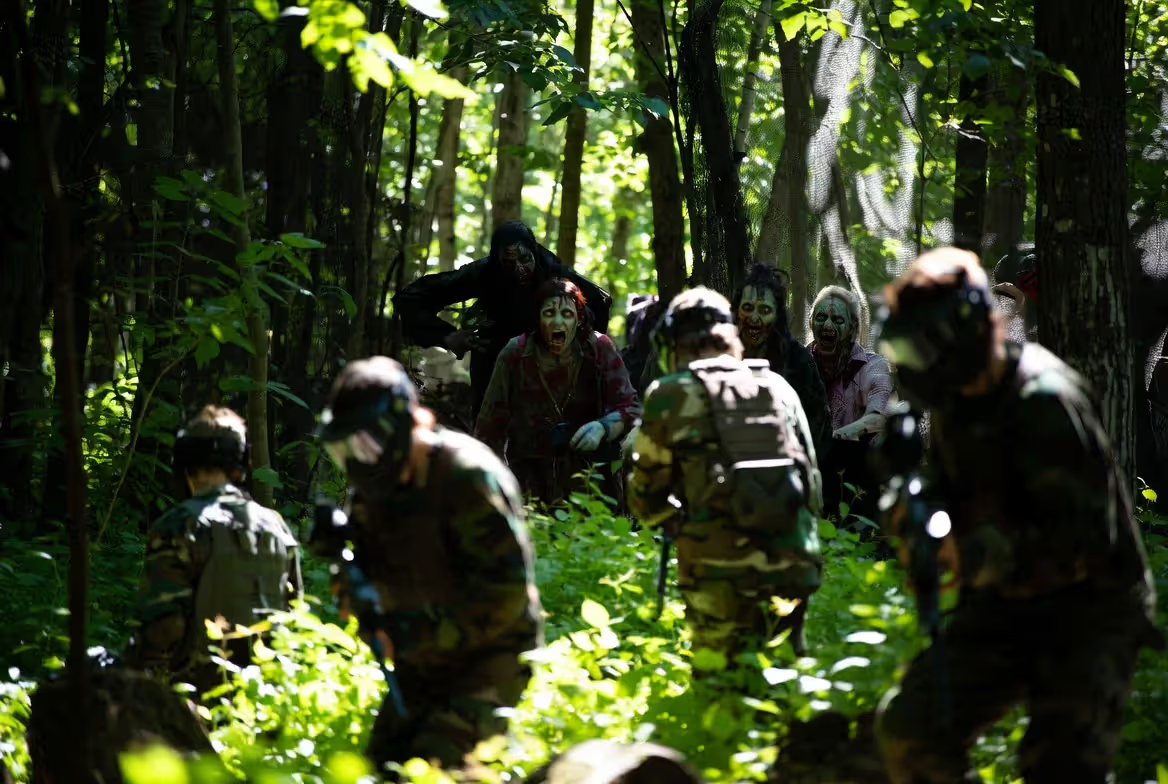
Two main styles dominate. Zombie paintball hayrides seat groups on a slow-rolling trailer that winds through spooky setups—fake graveyards, derelict shacks, foggy forests. Walking zombie hunts put you on foot, creeping through courses where actors can approach from literally any angle. Both deliver the same payoff: adrenaline, laughter, and probably some paint on your jacket.
What Is Zombie Paintball?
Zombie paintball mashes up theater and marksmanship. You get a marker (that's paintball-speak for "gun") filled with washable rounds. Professional actors caked in gore makeup prowl specific zones, working either from scripts or improvising based on how you react. Land a shot? They'll stumble, collapse, or ham it up until the next wagon rolls through.
The hayride setup is everywhere. Picture 20 to 30 folks crammed onto a flatbed wagon with benches bolted down. The tractor creeps forward at maybe two miles per hour, winding past movie-style props: crashed ambulances, crumbling tombstones, cabins with busted windows. Zombies pop out from behind trees, crawl from under tarps, or charge through breakaway walls. Shooting from a moving platform that hits every pothole? Harder than it sounds. You'll miss easy shots when the wagon lurches.
Some parks skip the wagon entirely. They'll position you behind barricades for wave-based defense scenarios. Zombies attack in groups—first a handful, then a dozen, then a full horde. Between waves you reload while strobes flash and speakers blast chainsaws revving. Think of it like a video game tower defense mode, except the zombies are real people committed to the bit.
Then there's the walking format. Smaller groups (usually six or fewer) trek through the course on foot, sometimes with a guide pretending to be a survivor, sometimes solo. You control the pace, but you also lose the wagon's protection. Zombies can circle around, cut you off, or trail your group like they're herding prey. It's more intimate and often scarier—no metal rails between you and the actors.
How Zombie Paintball Works
Author: Logan Mercer;
Source: lakestaytents.com
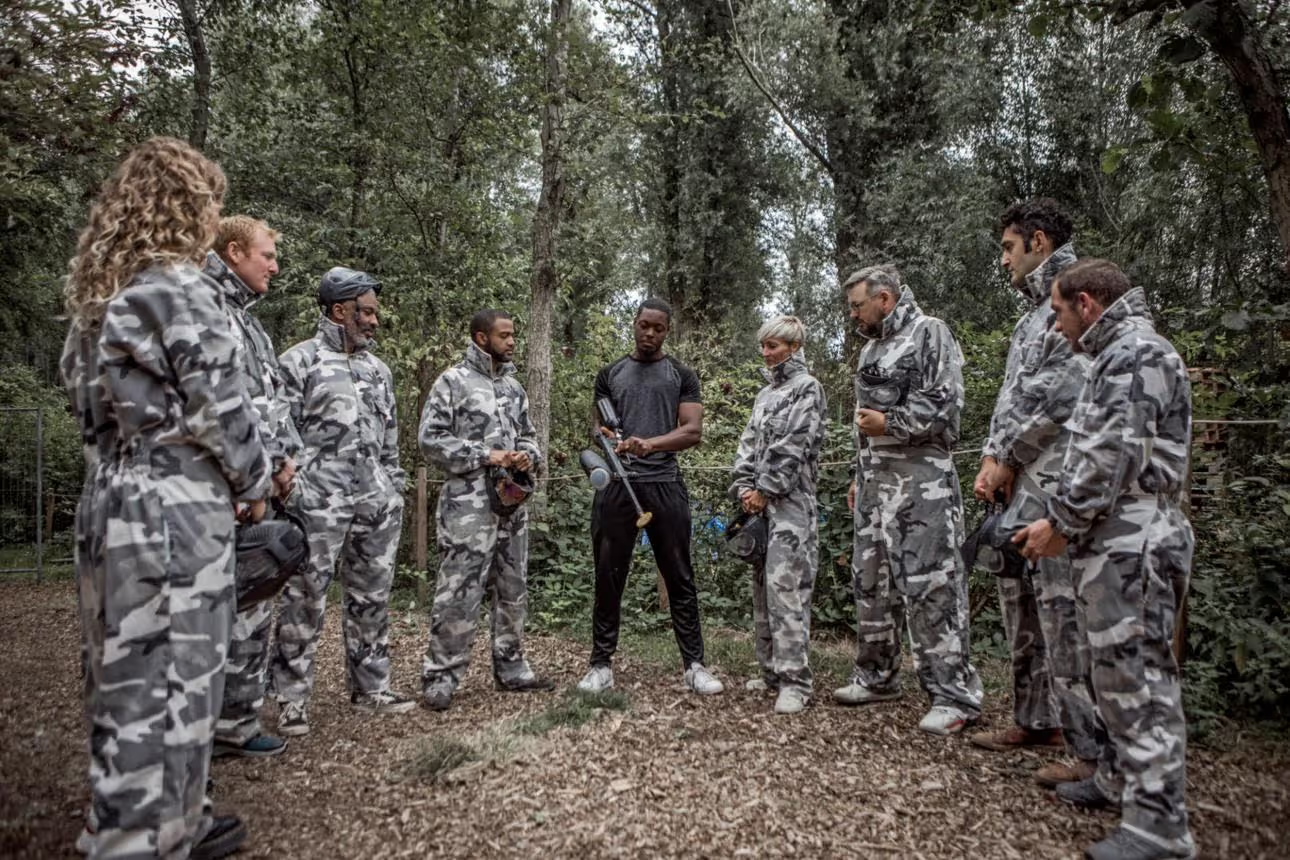
Most places handle gear from start to finish. You show up, scribble your name on a liability waiver, then sit through a five-minute safety talk. Staff demonstrate proper grip, explain where the safety lever sits, and lay down the golden rule: no headshots. Actors aren't wearing helmets. Aim for torsos and limbs. Some venues outfit performers in breakaway vests designed to show paint impacts clearly—makes it obvious when you've scored a hit.
Expect .68 caliber semi-automatic markers, the same workhorses used at recreational paintball fields. Velocity gets dialed way down—around 200 to 220 feet per second instead of the usual 280. Lower speed means less sting when paint connects. Actors wear padded layers under their costumes, and their makeup washes off without harsh chemicals. Your starting hopper typically holds 100 to 200 paintballs. Run out early (which happens a lot), and you might need to buy refills if the venue stocks extras.
What to Expect During a Zombie Shoot
The atmosphere builds before you even board. Smart venues stage a pre-show: maybe the "safe area" gets overrun while you wait, or loudspeakers crackle with a fake distress broadcast, or your guide delivers a grim monologue about what happened to the last group. Once things kick off, forget about polite scares. Zombies don't announce themselves. They sprint from blind spots, belly-crawl under the wagon, or drop from overhead platforms.
Audio design separates good events from great ones. Layered soundscapes—groaning, screaming, chainsaws, industrial metal—create constant unease. A few parks mix in animatronics: mechanical zombies that lunge on pneumatic arms or grab at the wagon's edge. The worst jump scares come when actors break the invisible barrier, leaning onto your trailer, gripping the rail like they're about to climb aboard. They won't actually touch you (insurance won't allow it), but your brain doesn't care about liability waivers when a ghoul's face is six inches from yours.
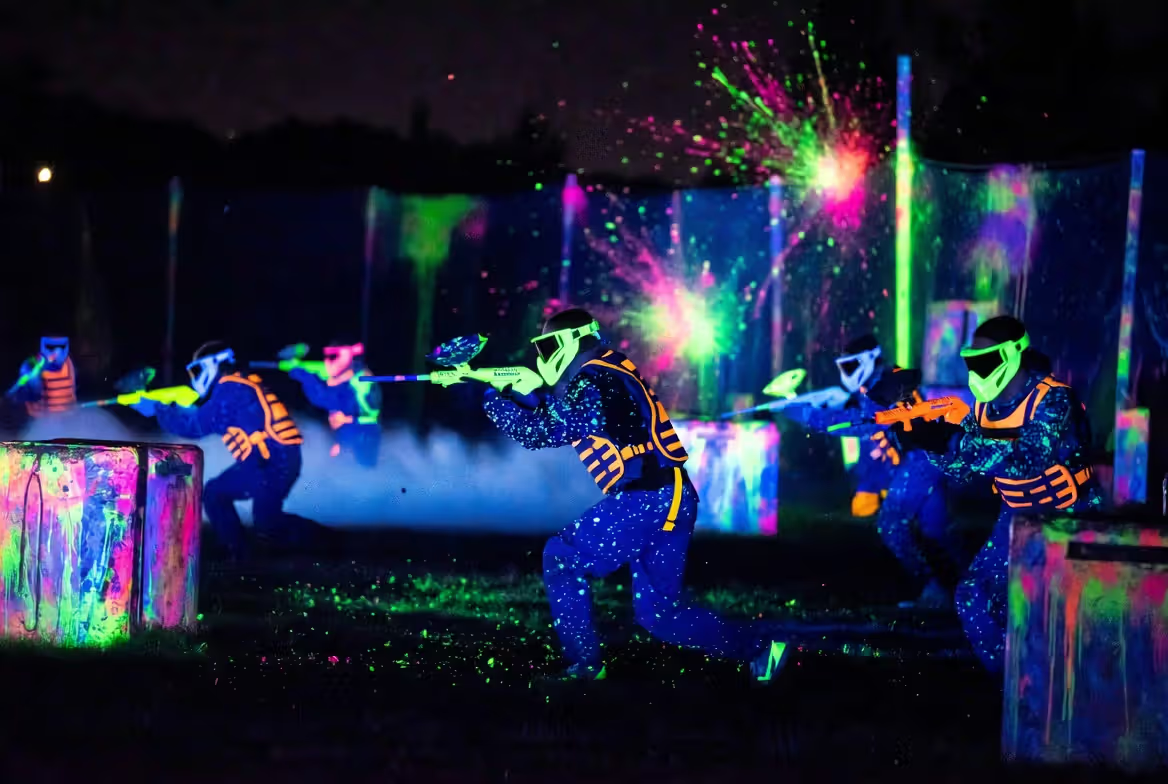
Lighting changes everything. Daytime runs lean on makeup quality and set construction. Night sessions add fog machines, blacklights, and strobe effects that wreck your depth perception. Glow in the dark paintball uses UV-reactive ammo and markers trimmed with LEDs. Fire a shot and you'll see a glowing streak arc through the air. Hit a zombie? That paint splatter glows for minutes, marking your kill like neon graffiti.
Author: Logan Mercer;
Source: lakestaytents.com
Equipment and Paintball Markers Used
Venues standardize everything to keep operations smooth. Don't plan on bringing your personal marker unless you've booked a private session. Rental inventory usually means Tippmann 98 Customs or equivalent—bulletproof models that survive abuse and clean up fast. Hoppers are gravity-fed instead of battery-powered to avoid dead batteries in freezing October weather.
Safety requirements are minimal compared to competitive play. You're not getting shot at, so full face masks aren't standard. Some parks issue safety glasses, others require you to bring your own. Gloves? Optional, but worth it—a paintball to the knuckles at close range stings like a hornet. Closed-toe shoes are non-negotiable. Show up in sandals and you're not getting on.
Paintballs are water-based and biodegradable. Friendly fire happens (someone always panics and shoots their own team), but the paint rinses out of most fabrics. Light-colored clothes will show stains, so stick to dark layers. A few venues rent ponchos or coveralls for a couple bucks.
Types of Zombie Paintball Experiences
Hayrides remain king. They're accessible—you just sit and shoot. No cardio required. They accommodate mixed groups: grandparents, kids, out-of-shape adults. Rides last anywhere from 15 minutes to 45, depending on how much trail the venue owns. Longer routes often include brief stops where actors reset behind you for fresh waves.
Walking hunts burn calories. You'll cover a quarter-mile to a full mile on uneven ground—roots, mud, gravel. Zombies can chase you here, flipping the script from "defend the wagon" to "keep moving or get tagged." Some walking formats run on timers: survive 20 minutes without an actor touching you (they carry foam bats to "tag" players). Others track score, awarding points per confirmed hit.
Glow in the dark paintball is almost always a night-only affair. Venues drench everything in blacklight: paint, props, actor makeup. Zombies wear UV-reactive white face paint, glowing contacts, fluorescent blood streaks. The visuals mess with your head. Depth perception collapses under blacklight, and zombies blend into shadows until they move. Works best indoors or in dense woods where streetlights can't bleed through.
Seasonal paintball events peak around Halloween but often stretch from late September into early November. Venues operate weekend-only during peak weeks. A handful run year-round, rotating themes to stay fresh (Christmas zombies in Santa suits, Valentine's zombies with heart props). Daytime slots cater to families with younger kids. Night sessions target teens and adults who want intensity cranked up.
Hybrid formats keep appearing. "Defend the compound" locks your group inside a fortified zone while zombies assault from all sides. "Rescue missions" task you with retrieving a prop or "survivor" from deep in the course while actors block your path. These scripted twists give repeat visitors a reason to come back.
| Feature | Hayride Format | Walking Hunt Format |
| Mobility | Seated, wagon moves you | On foot, you set the pace |
| Duration | 15–45 min depending on trail | 20–60 min based on route and group speed |
| Group Size | 15–30 riders per wagon | 4–8 people max for immersion |
| Difficulty | Easy—just aim and shoot | Moderate—walking, uneven terrain, stamina needed |
| Best For | Families, big friend groups, first-timers | Experienced players, tight-knit crews wanting scares |
Where to Find Zombie Paintball Events Near You
Zombie paintball thrives at three venue types: haunted attractions expanding their offerings, paintball parks filling slow seasons, and farms repurposing hayride equipment. Halloween haunts add paintball to diversify income streams. Paintball fields run zombie events during off-peak months when competitive bookings dry up. Farms with existing wagons and trails swap corn mazes for zombie setups.
Google "zombie paintball hayride near me" or "paintball zombie hunt [your state]" and you'll find options. Venues cluster in rural and suburban zones where land is cheap and neighbors don't complain about noise. Cities rarely host these—not enough space, too many ordinances.
Reserve your spot early if you're targeting October weekends. Popular venues sell out three to four weeks ahead. Weeknights and Sunday afternoons have shorter waits and thinner crowds. Most places run rain-or-shine, but heavy storms or unsafe trail conditions trigger cancellations. If weather looks sketchy, call before driving out.
Tickets range from $20 to $50 per person for a basic session. Premium tiers throw in extra ammo, priority boarding, or access to exclusive scare zones. Bring 10 or more friends and you'll usually unlock bulk pricing. Private rentals—where you buy out the entire attraction for your crew—start around $500 and scale up with headcount.
Author: Logan Mercer;
Source: lakestaytents.com
Tips for Your First Paintball Zombie Hunt
Wear clothes you won't cry over if they get trashed. Paint washes out, sure, but mud and fog-machine oil don't always cooperate. Dark jeans, a hoodie you've owned for years, and sturdy boots nail the dress code. Skip dangling accessories—scarves, big earrings, loose bracelets—that might catch on gear or branches. Long hair? Tie it back unless you enjoy wind whipping it into your face mid-scream.
Group size matters more than you'd think. Too few people (under six) means you burn through ammo before the halfway point and spend the rest of the ride watching. Too many (over 20) and you'll fight for shooting lanes, blocked by teammates' shoulders. Eight to twelve hits the sweet spot for hayrides. Walking hunts shine with four to six.
Age limits vary wildly. Some parks allow kids as young as eight. Others draw the line at 12. Many offer "lights-on" daytime sessions where scares dial back and makeup looks less gory. Older teens and adults get the full-blown night experience with actors at maximum aggression. Bringing kids? Ask if the venue adjusts intensity—not all do.
Show up 20 minutes before your time slot. Parking at rural venues turns chaotic fast, and processing waivers takes longer than you'd expect. Miss your slot and most places won't refund you or reschedule. Policies are strict during busy seasons.
Don't spray and pray. Dumping your entire hopper in the first five minutes leaves you defenseless when the finale zombies appear. Aim for center mass—headshots violate rules and actors won't react to them anyway. Zombies are trained to respond to torso hits, so you still get the payoff.
Scared easily? Claim a middle seat on the wagon. Corners and end seats get targeted more. Want maximum terror? Sit on the outside edge and make eye contact with actors. They'll remember you and come back for seconds.
Zombie Paintball vs. Traditional Paintball Action Games
Traditional paintball is competition. You're outsmarting human opponents who strategize, communicate, and shoot back. Victory demands teamwork, map awareness, and fast reflexes. The rush comes from outplaying other players.
Zombie paintball is cooperative theater. Your "enemies" are actors working loose scripts. They won't hide in bunkers or coordinate flanking maneuvers (unless the venue stages something advanced). The thrill stems from jump scares and atmosphere, not tactical depth. You're not competing—you're living inside a horror movie.
Skill matters differently. Competitive paintball rewards practice. Your accuracy, movement, and communication improve session after session. Zombie paintball has a low barrier—point, pull trigger, repeat—and a low ceiling. Veterans don't gain much edge over first-timers beyond staying calmer.
Pain is minimal here. Markers run at reduced velocity, and nobody's firing at you. Competitive paintball leaves welts the size of quarters. Zombie paintball might sting if you catch accidental friendly fire, but it's uncommon.
Different crowds show up. Competitive paintball draws hobbyists, athletes, tactical nerds. Zombie paintball pulls families, casual friend groups, people hunting a Halloween experience without committing to a walk-through haunted house.
Replay value drops faster. Once you memorize where zombies hide, surprises fade. Venues rotate actors and tweak scenes, but the trail stays the same. Competitive paintball offers endless variety because human opponents never repeat strategies.
Zombie paintball isn't about winning or losing. It's about that moment when a zombie comes out of nowhere and your friend screams louder than you thought possible. That's the product we're selling—shared panic and laughter.
— Mike Harrington
Frequently Asked Questions About Zombie Paintball
How long does a zombie paintball session last?
Hayrides clock in between 15 and 45 minutes depending on trail distance and how fast the tractor moves. Walking hunts span 20 to 60 minutes based on route complexity and your group's pace. Tack on another 15 minutes for check-in, waiver paperwork, and the safety briefing. Plan for one to two hours total from parking lot to finish. Parks running multiple attractions (corn mazes, haunted houses) can stretch your visit longer.
Zombie paintball carves out a unique space between passive haunts and active sports. It's beginner-friendly enough for anyone who can hold a marker, theatrical enough to satisfy thrill-seekers, and social enough for groups chasing a shared memory. Whether you ride a hay wagon through fog-drenched woods or trek on foot under blacklights, the format delivers adrenaline without demanding athletic ability or high pain tolerance.
The best outings balance fear with fun. You'll leave with paint-stained jeans, sore cheeks from grinning, and at least one story about the zombie who almost grabbed your buddy. Planning your first trip? Round up a crew, dress for mess, and remember: those zombies are actors earning their paychecks. Shoot them with enthusiasm—they're counting on it.