Ready for the first paintball game
What to Wear to Paintball?

Content
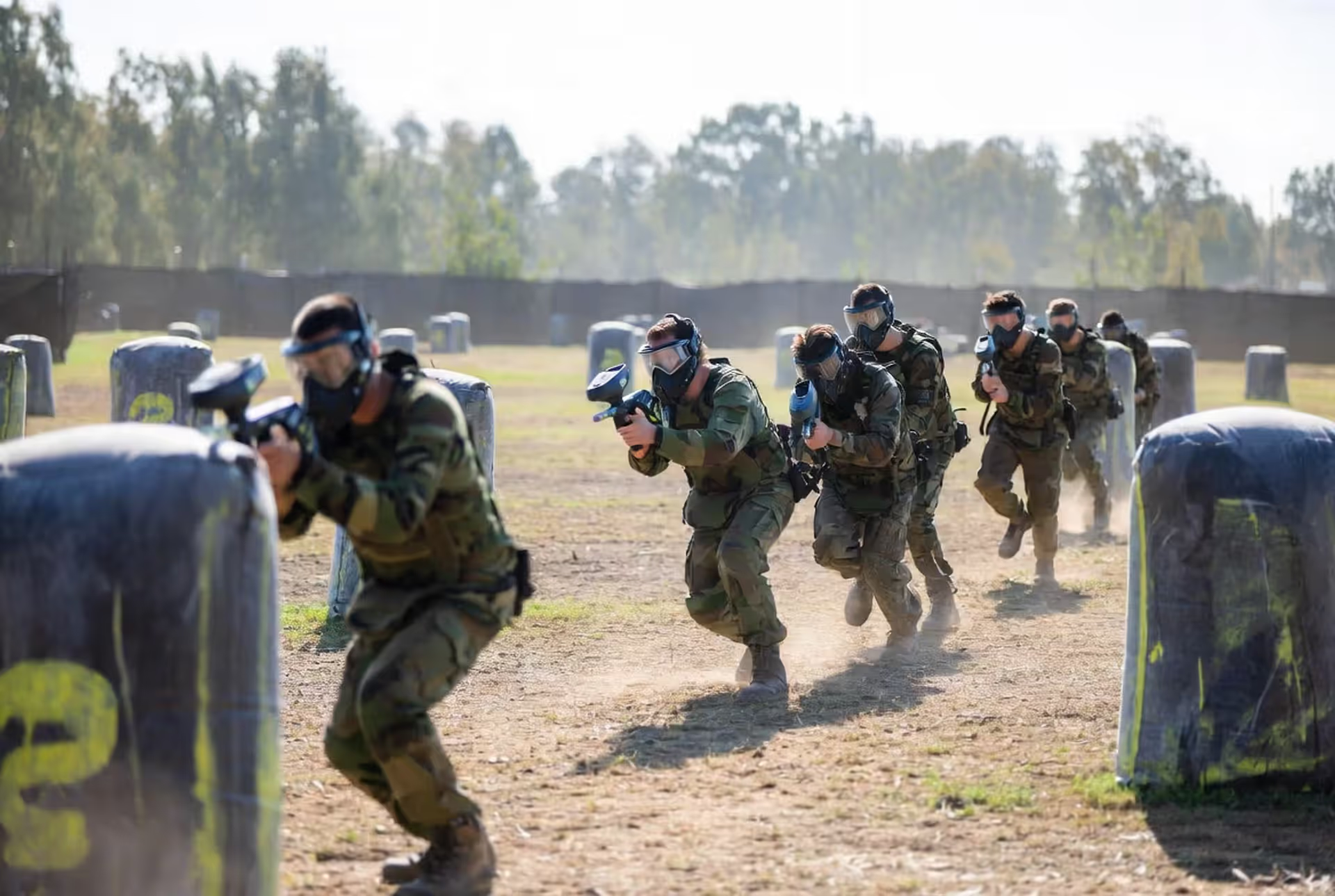
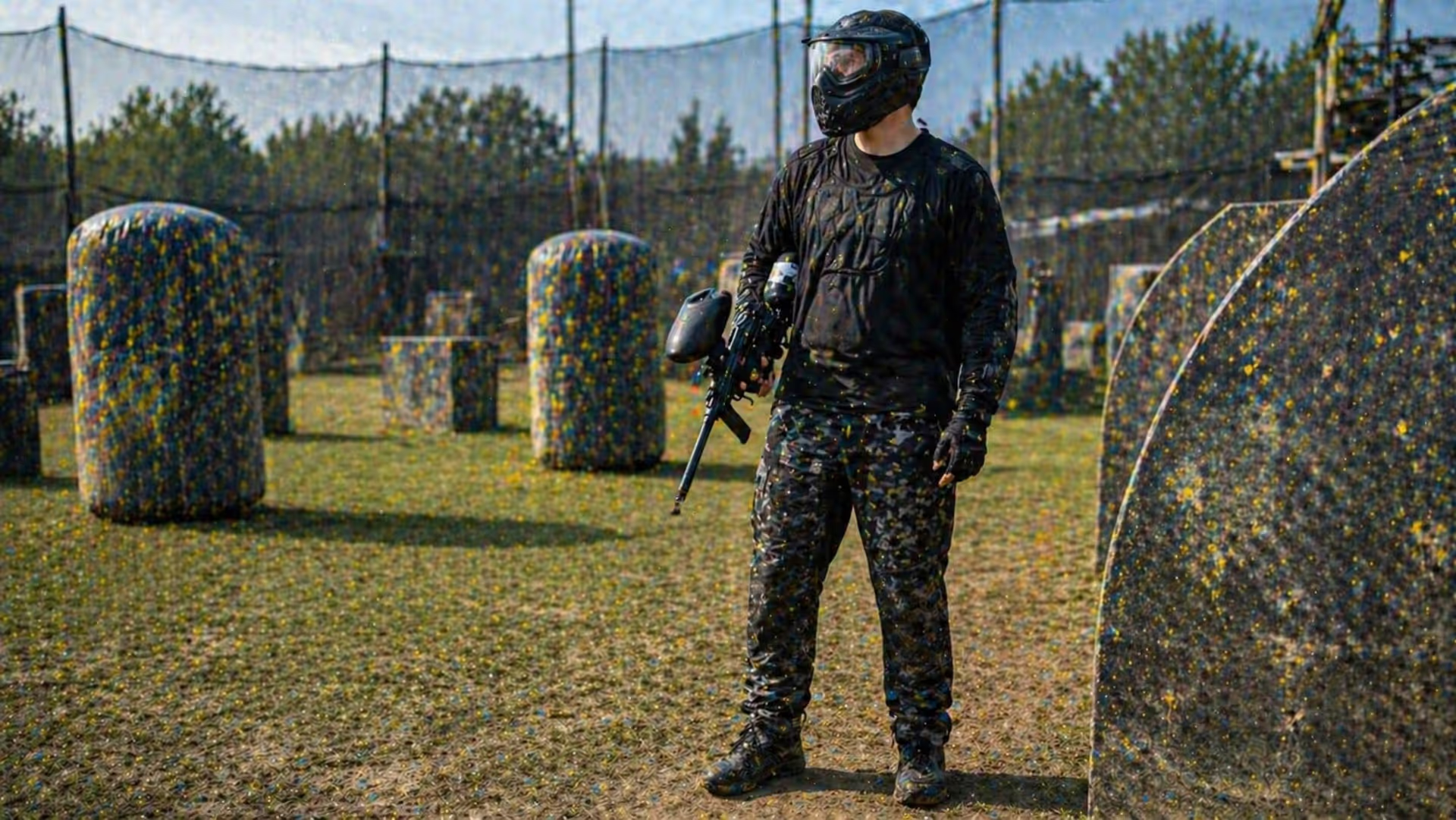
Show up to paintball in the wrong clothes and you're going to have a bad time. I'm talking welts that last a week, bruises in places you didn't know could bruise, and enough discomfort to make you question why you agreed to this in the first place. Here's the thing though—wearing the right gear completely changes the game. You'll actually have fun instead of spending half the day hiding behind barriers nursing stinging hits.
Why Your Clothing Matters in Paintball
Let's talk about what happens when a paintball hits you. These things fly at around 280 feet per second. That's fast enough to hurt, especially when you're wearing just a thin t-shirt. I've seen players show up in tank tops and shorts, thinking they'd look tough. They lasted maybe two rounds before calling it quits.
What should I wear to paintball? Well, your clothes need to do three jobs. First, cushion those impacts so they sting instead of causing actual injury. Second, let you move freely—you'll be running, diving, crouching behind bunkers, and crawling through tight spaces. Third, handle whatever weather you're playing in. Overheating in July because you wore too many layers? That's just as bad as freezing in November because you didn't wear enough.
Indoor facilities stay climate-controlled year-round, which makes planning easier. Outdoor woodsball courses? You're at the mercy of Mother Nature. Rain, mud, unexpected cold snaps—I've experienced all of it, and your clothing choices make or break the day.
Best Clothes to Wear for Paintball
Upper Body Clothing
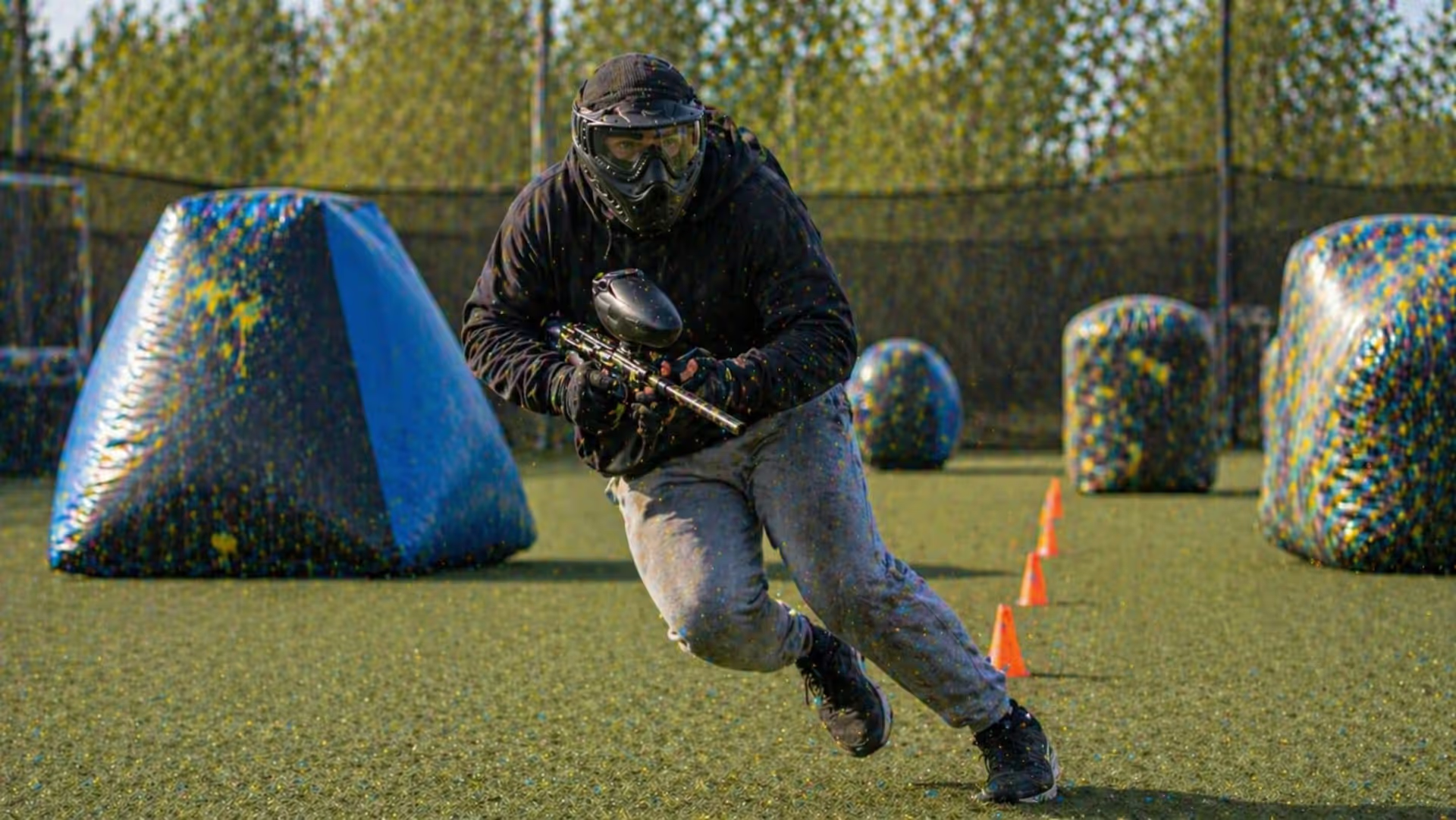
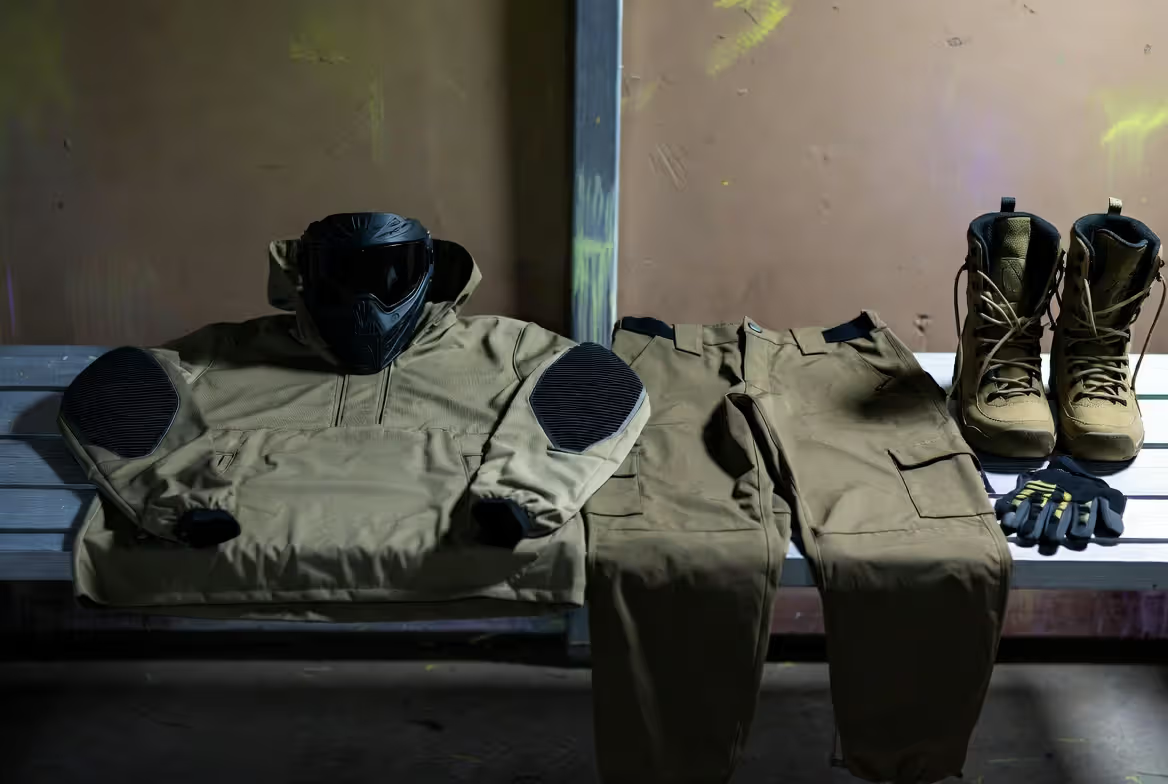
Start with something covering your arms completely. An old hoodie works great for recreational play—the thick cotton absorbs impacts surprisingly well. Sure, you'll sweat more in warm weather, but that's better than exposing your forearms to direct fire. Trust me on this.
Sweatshirts hit a sweet spot during spring and fall. They breathe better than hoodies while still providing decent padding. For summer sessions, try layering differently: put on a moisture-wicking athletic shirt first, then add a long-sleeve over it. Two thinner layers often work better than one thick one.
Want to get serious? Tactical jerseys made specifically for paintball include padding at your shoulders, chest, and forearms—basically everywhere you get hit most often. They cost $40-80, which feels steep until you realize how much more comfortable they make the experience. Some competitive players wear compression shirts with built-in padding underneath regular clothes. It's like having armor that doesn't look like armor.
Author: Caleb Varden;
Source: lakestaytents.com
Whatever you pick, skip the single t-shirt idea. I don't care how thick the cotton is. One layer isn't enough, and you'll regret that choice after your first solid hit.
Lower Body Clothing
Most people reach for jeans. They're durable, everyone owns a pair they don't mind destroying, and denim provides reasonable protection. But here's the catch: jeans get heavy and restrictive when wet, and that stiff fabric fights against you every time you crouch or slide. Can you wear them? Absolutely. Are they ideal? Not really.
Cargo pants or BDU-style tactical pants perform better. The looser cut allows full leg movement, and those extra pockets actually come in handy for squeegees, barrel covers, or spare pod lids. Look for ripstop fabric—it resists tears when you slide across rough ground or catch on branches.
Sweatpants surprise people. They're soft, cushion impacts well, and feel comfortable all day long. The tradeoff is durability. They won't hold up to aggressive sliding on concrete or gravel. For indoor fields with turf, though? Sweatpants are secretly one of the best options, especially double-layer ones with reinforced knees.
Whatever you do, wear long pants. Period. I've seen stubborn players insist on shorts during hot weather. Without exception, they spend the whole day complaining about stinging legs. Lightweight pants in summer heat beat the alternative by miles.
Footwear Requirements
Twisted ankles end more days early than anything else. Paintball fields aren't flat, groomed surfaces. You're running across roots, rocks, mud, uneven ground, and sometimes through actual creek beds. Your footwear needs to handle that.
Hiking boots are the gold standard. They support your ankles, grip well on varied terrain, and protect your feet from impacts. Make sure they're already broken in—fresh boots cause blisters after hours of wear. I learned this the hard way during an all-day scenario game.
Cleats work fine for speedball on artificial turf, giving you excellent traction for quick cuts and direction changes. They don't support your ankles though, and they're terrible on natural surfaces. Stick to turf-only if you go this route.
Running shoes seem logical but fail in practice. They lack ankle support and don't protect your feet adequately. Fashion sneakers are even worse. And if you're even considering sandals or any open-toed footwear, just... don't. A paintball to your exposed toes creates the kind of pain that makes grown adults cry.
What to Wear to Paintball So It Doesn't Hurt
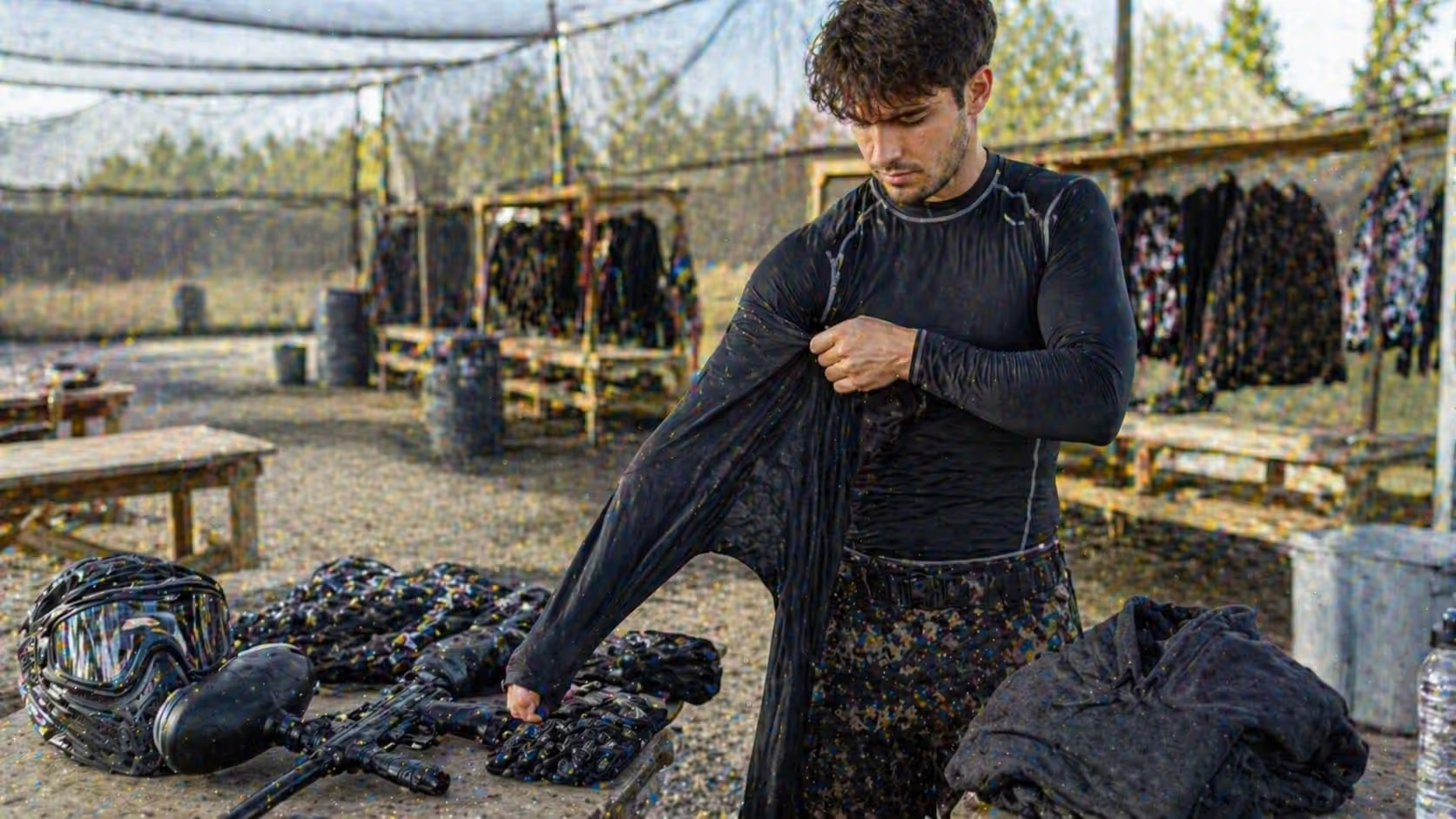
Multiple layers beat single thick garments every time. Think about it: each layer absorbs some energy and creates air gaps that distribute impact force. Start with a fitted base layer, add a regular shirt, then top everything with a hoodie or jacket. This combination works better than just wearing one super-thick sweatshirt.
Target your padding strategically. Where do you get hit most? Shoulders, chest, forearms, and ribs. Tuck a folded hand towel or thin foam pad inside your hoodie at these spots. It adds protection without making you look like you're wearing football pads.
Compression gear serves double duty. It supports your muscles during intense activity while providing subtle padding. Lots of players borrow compression shirts from other sports—football, hockey, even baseball. The built-in pads happen to line up perfectly with paintball impact zones.
I've managed this facility for eight years and run games almost every weekend. The players who show up in minimal clothing, trying to act tough? They're the ones who quit early. After taking a few hard hits to bare arms or thin t-shirts, they lose their nerve and play scared. Meanwhile, the players who layer up properly stay aggressive all day because impacts don't phase them as much. It's not about being soft—it's about being smart so you can actually enjoy the sport.
— Marcus Rodriguez
Don't forget your neck. It's surprisingly vulnerable, and hits there sting worse than almost anywhere else. Wrap a bandana, shemagh, or neck gaiter around your throat. Some players use tactical scarves designed for paintball that stay put during active movement. A simple cotton bandana from the dollar store works just fine too.
Gloves deserve their own conversation. Your hands take constant hits because they're always exposed—holding your marker, reaching around bunkers, gesturing to teammates. Knuckle shots hurt intensely since there's minimal padding over bone. Full-finger gloves with padded knuckles protect you while still letting you pull the trigger comfortably. Mechanix-style work gloves ($20-25) offer solid protection, or you can buy dedicated paintball gloves ($30-50) with better padding and grip.
Author: Caleb Varden;
Source: lakestaytents.com
What Not to Wear Paintballing
Oversized baggy clothing seems protective but creates problems. All that loose fabric snags on obstacles, slows you down, and makes you a bigger target. Clothes should fit comfortably without excess material flapping around. A medium that fits right works better than an XL that hangs off you.
Take off all jewelry before playing. Rings, necklaces, bracelets, watches, earrings—everything goes. A paintball can catch jewelry and rip it off, or jewelry can dig into your skin under impact. Either situation hurts. Leave that stuff in your car or better yet, at home.
Don't wear anything you actually care about. Paintball destroys clothes. The paint stains rarely wash out completely, aggressive play tears fabric, and everything gets filthy. That concert shirt from your favorite band? Leave it home. Those designer jeans your girlfriend bought you? Definitely stay in the closet. Wear stuff that's already beat up or that you wouldn't mind throwing away afterward.
Cotton feels comfortable but performs poorly as a base layer. Once it gets soaked with sweat (which happens fast during intense games), it stays wet, heavy, and cold. Synthetic moisture-wicking fabrics or merino wool work better against your skin. Cotton's fine for outer layers where wetness matters less, but keep it away from your body.
Camouflage patterns might seem perfect for paintball, but they provide zero actual advantage. Some fields even prohibit camo to avoid confusion with referees or staff. Focus on protection and comfort over looking tactical. Bright colors actually help teammates spot you quickly during chaotic matches.
What to Bring to Paintball Beyond Clothing
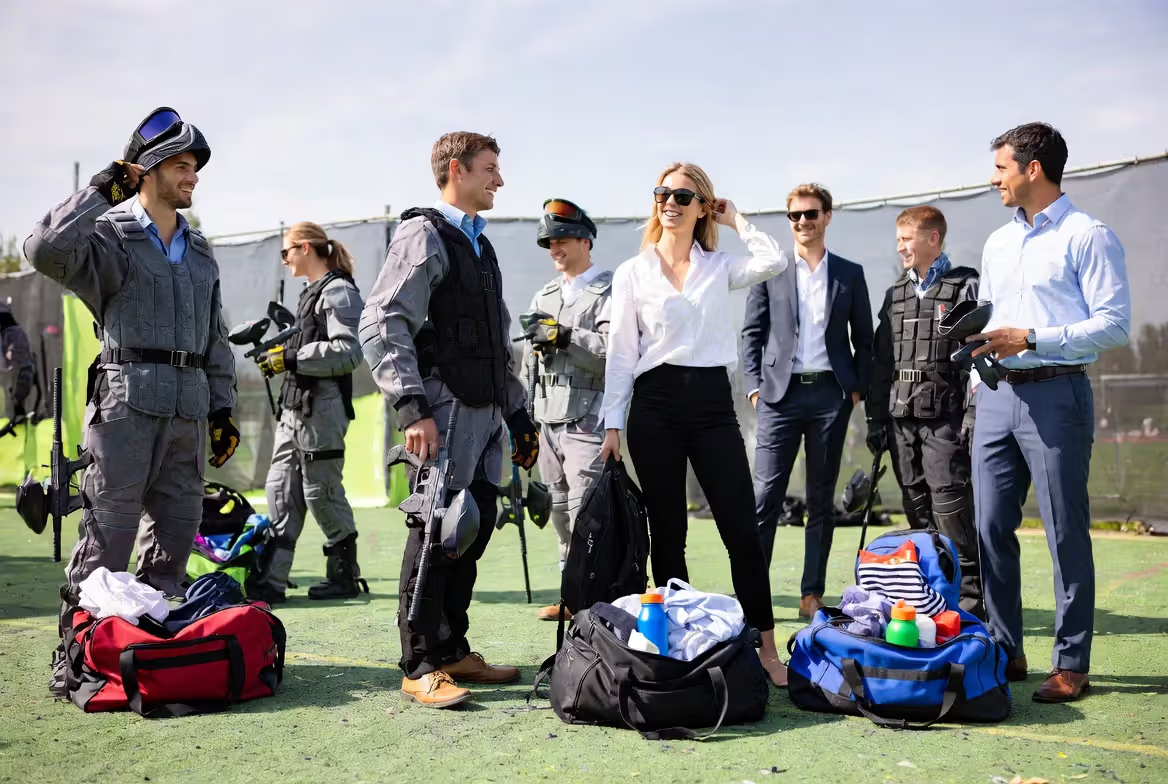
Pack a full change of clothes for afterward—everything from underwear and socks to a clean shirt and pants. You'll be drenched in sweat, possibly covered in mud, and definitely splattered with paint residue. Having fresh clothes for the drive home makes a massive difference in comfort.
Bring multiple towels serving different purposes. One stays in your gear bag for wiping paint off equipment and clearing your mask between rounds. Another handles drying off if weather turns rainy. If the facility has showers, you'll want a third. Microfiber ones compress small in your bag and dry faster than cotton.
Hydration equipment prevents dangerous situations. Physical exertion plus adrenaline makes you drink way more than normal. At minimum, bring a large water bottle—32 ounces minimum. Hydration packs let you drink without leaving cover during active games, which sounds minor until you're pinned down and desperately thirsty.
What to bring to paintball extends to protective accessories. Knee and elbow pads transform your game by letting you slide and dive aggressively without getting hurt. You don't need paintball-specific pads—skateboarding or volleyball pads cost less and work just as well. Hard-shell varieties protect better but restrict movement compared to soft pads.
A basic first aid kit handles inevitable minor injuries. Stock it with adhesive bandages in various sizes, antiseptic wipes for cleaning cuts, ibuprofen or acetaminophen for pain, and any prescription medications you personally need. Most fields carry basic supplies, but having your own means immediate access.
Pack an extra pair of socks. Sounds weird, but wet socks cause blisters and discomfort that compounds over hours. Changing into dry socks halfway through the day refreshes your feet and prevents problems before they start.
For outdoor fields, bring sunscreen and lip balm. You'll spend hours outside, and even cloudy days deliver UV exposure. Reapply between game sessions for continuous protection. Sunburn ruins the next few days, not just the current one.
Author: Caleb Varden;
Source: lakestaytents.com
What Beginners Should Wear for Their First Game
First-timers should keep things simple using clothes they already own. Grab an old long-sleeve shirt, jeans or cargo pants that fit well, and hiking boots or sturdy sneakers with decent ankle support. Throw a hoodie over everything if temperature allows. Done. You don't need to buy anything special for your first few sessions.
Most facilities include masks, markers, and air tanks with admission or rental packages. Call ahead to confirm what's provided so you don't bring unnecessary items or forget something critical. Rental equipment works perfectly fine while you're figuring out whether you enjoy the sport enough to invest in personal gear.
Paintball for beginners what to wear boils down to coverage and movement. Every inch of skin should have at least one layer of fabric covering it, preferably two. Make sure your outfit allows full range of motion—test it at home by doing squats, lunges, and reaching overhead. If anything feels restrictive, change it.
Budget-conscious options work great starting out. Thrift stores stock cheap hoodies, cargo pants, and work gloves that provide adequate protection without spending much. A $30 trip to Goodwill can outfit you completely. Save the expensive tactical gear for after you've played enough times to know you're hooked.
Bring extra cash beyond what you paid for admission. Most packages include limited paintballs—usually 200-500 rounds. That sounds like a lot until you're actually playing. Running out mid-day and sitting out remaining games because you can't afford more ammunition? Super frustrating. An extra $20-40 prevents this problem.
Seasonal Gear Guide for Paintball
| Season | Upper Body | Lower Body | Additional Gear |
| Spring | Athletic long-sleeve plus light hoodie or fleece jacket | Jeans or cargo pants in medium weight | Fingerless or light gloves, beanie for chilly mornings |
| Summer | Moisture-wicking athletic shirt with optional light overshirt | Lightweight cargo pants or thin jeans | Ventilated full-finger gloves, headband or bandana, extra water bottles |
| Fall | Long-sleeve base layer plus sweatshirt or medium-weight hoodie | Standard cargo pants or jeans | Full-finger padded gloves, neck gaiter or bandana |
| Winter | Thermal underwear top, sweatshirt, insulated jacket | Thermal underwear bottoms under cargo pants or jeans | Insulated gloves, winter beanie, chemical hand warmers |
Frequently Asked Questions About Paintball Clothing
The right clothing turns paintball from an ordeal into genuine fun. Cover all exposed skin with multiple layers, ensure unrestricted movement, and dress appropriately for current weather. Protection matters more than appearance—welts and bruises stick around long after you've left the field.
Begin with basics already in your closet: long sleeves, long pants, supportive footwear. Layer strategically to protect high-impact zones without limiting mobility. Pack fresh clothes, hydration equipment, and protective accessories like gloves and neck coverage.
New players should prioritize coverage and comfort over expensive specialized equipment. After several sessions, you'll understand your specific needs and can invest in purpose-built gear if paintball becomes a regular activity. The goal is enjoying competitive action without unnecessary pain, and appropriate clothing makes that completely achievable.