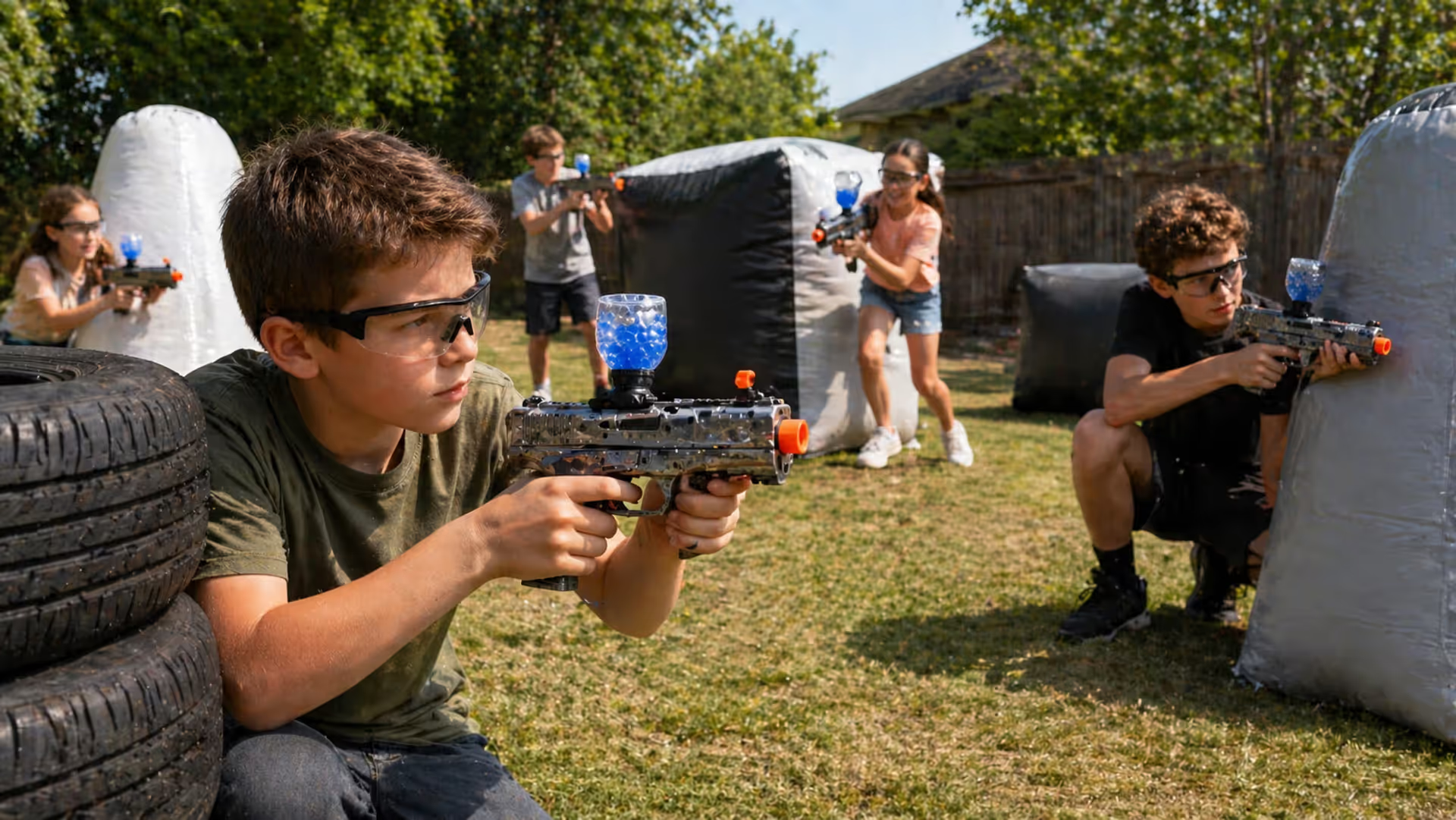
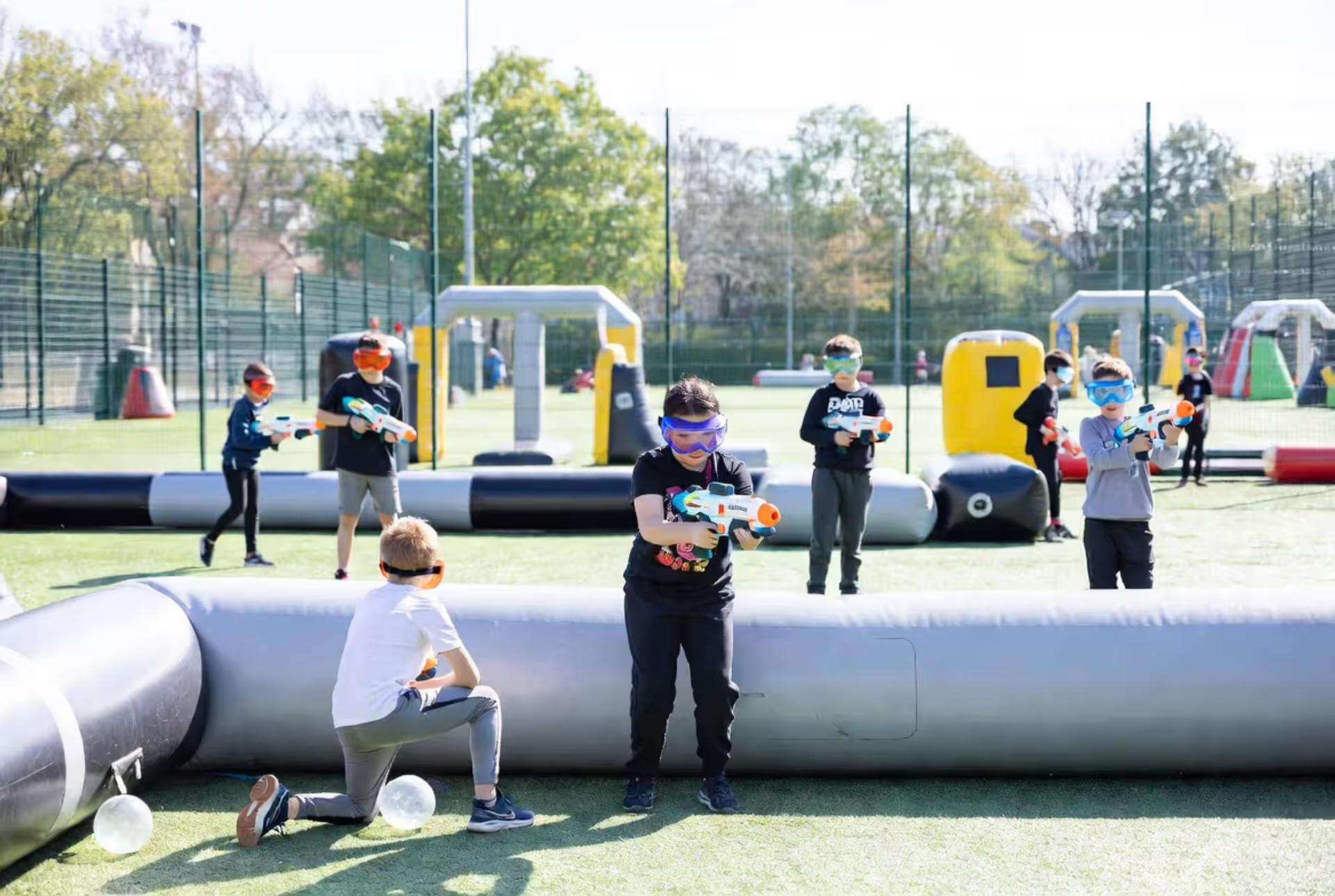
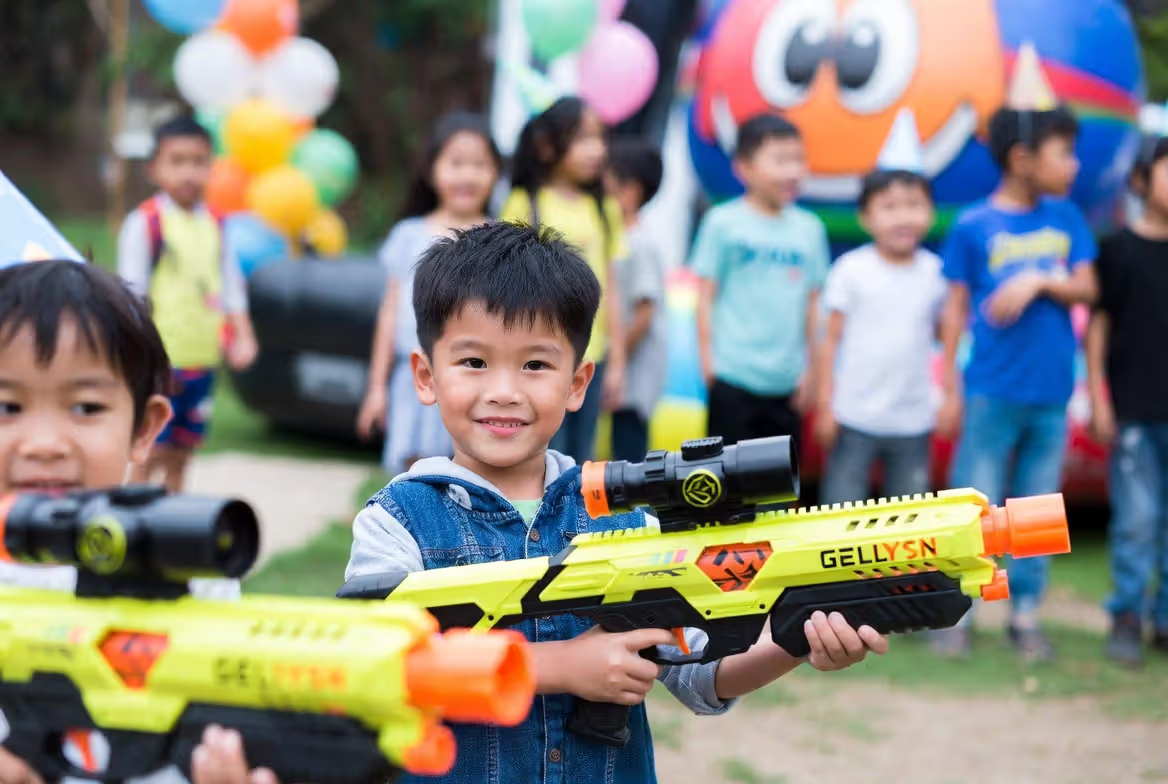
Kids and parents playing gellyball game with inflatable obstacles outdoors
What Is Gellyball?

Content
Looking for your kid's next birthday party idea? Gellyball might be exactly what you need. Over the past three years, this tactical shooting game has blown up at recreation centers, family entertainment venues, and backyard parties from California to New York. Think paintball's strategic team combat, but without the welts, bruises, or complaints from kids who got stung.
Here's what makes it different: those painful paint capsules get replaced with squishy, water-based gel pellets that basically disintegrate when they hit you. Seriously—they just break apart and dry up. No stains on your favorite shirt, no mysterious bruises to explain at Monday morning carpool, and no extensive gear requirements that make you look like you're heading into actual combat.
You can set up gellyball pretty much anywhere. Indoor arena with inflatable obstacles? Perfect. Your backyard with some plastic barriers? Works great. Local park pavilion? Absolutely. This flexibility has made it ridiculously popular with parents who are tired of driving 45 minutes to specialized venues for every single celebration.
Understanding the Gellyball Game
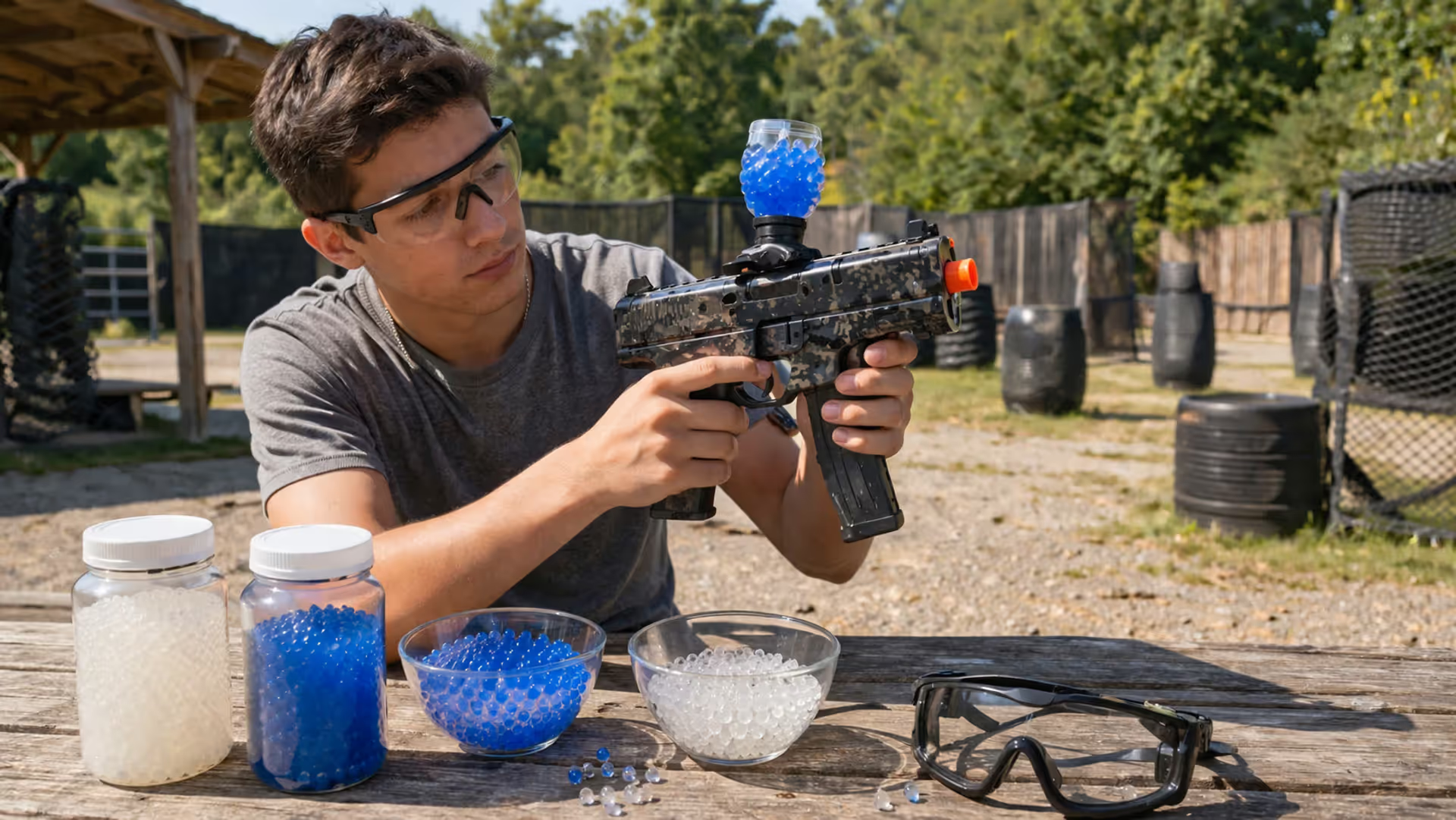
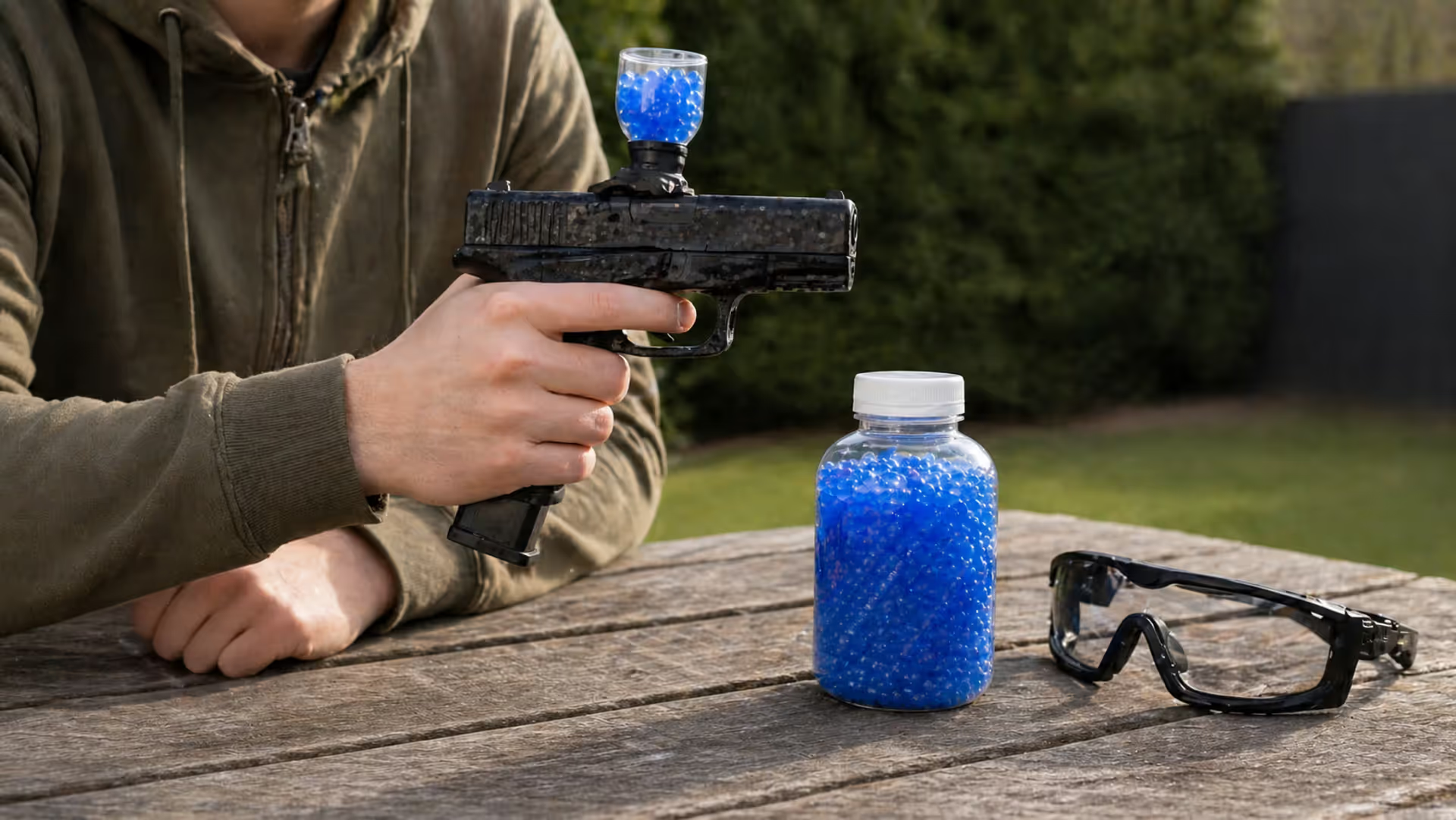
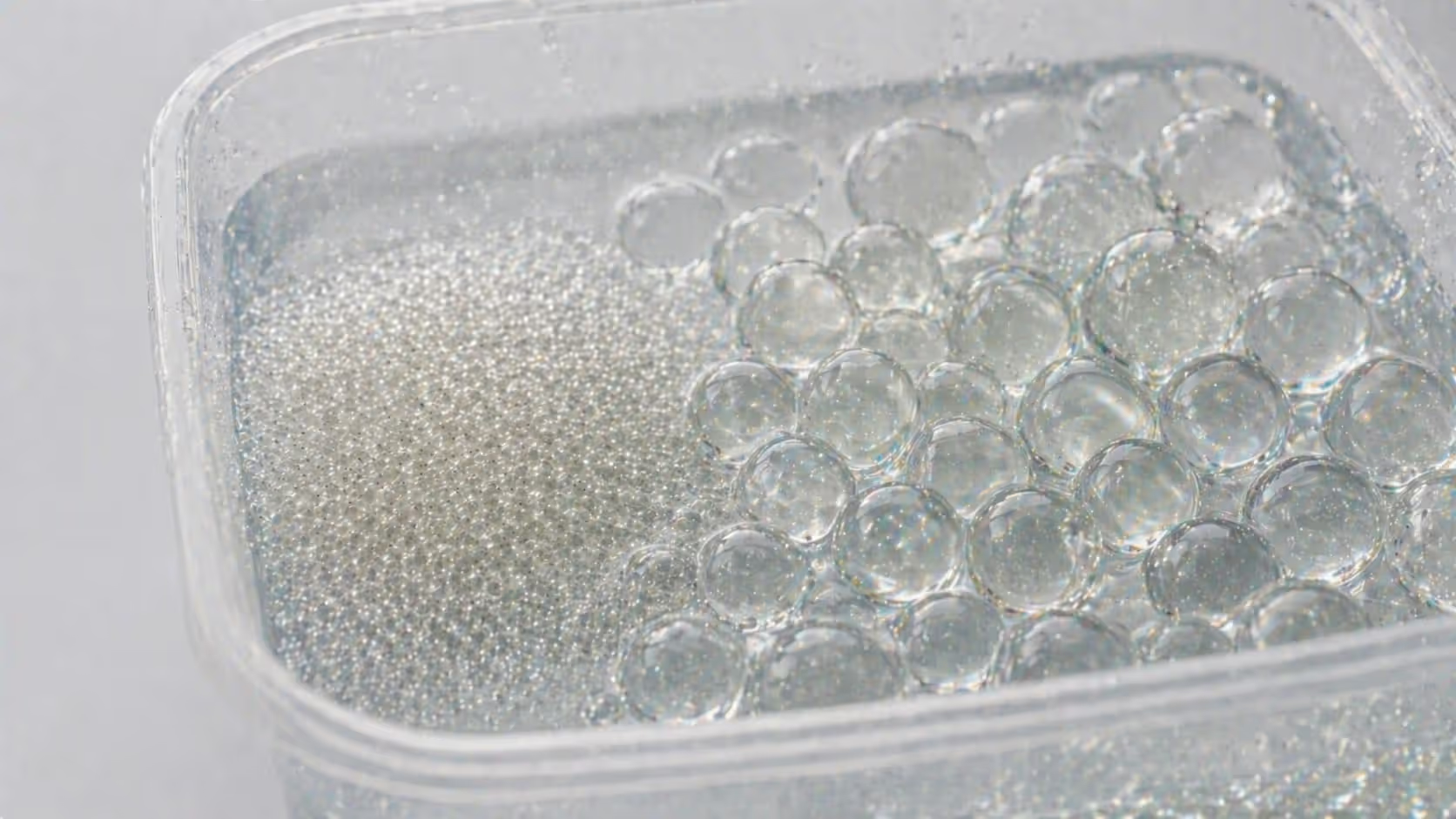
At its core, you're firing battery-powered blasters that shoot tiny gel spheres at your opponents. Before gameplay, these projectiles start out about the size of a poppy seed—maybe 2-3mm across when they're dry. You dump them in a bucket of water and wait 3-4 hours while they soak up moisture and expand into soft, bouncy balls roughly 7-8mm in diameter.
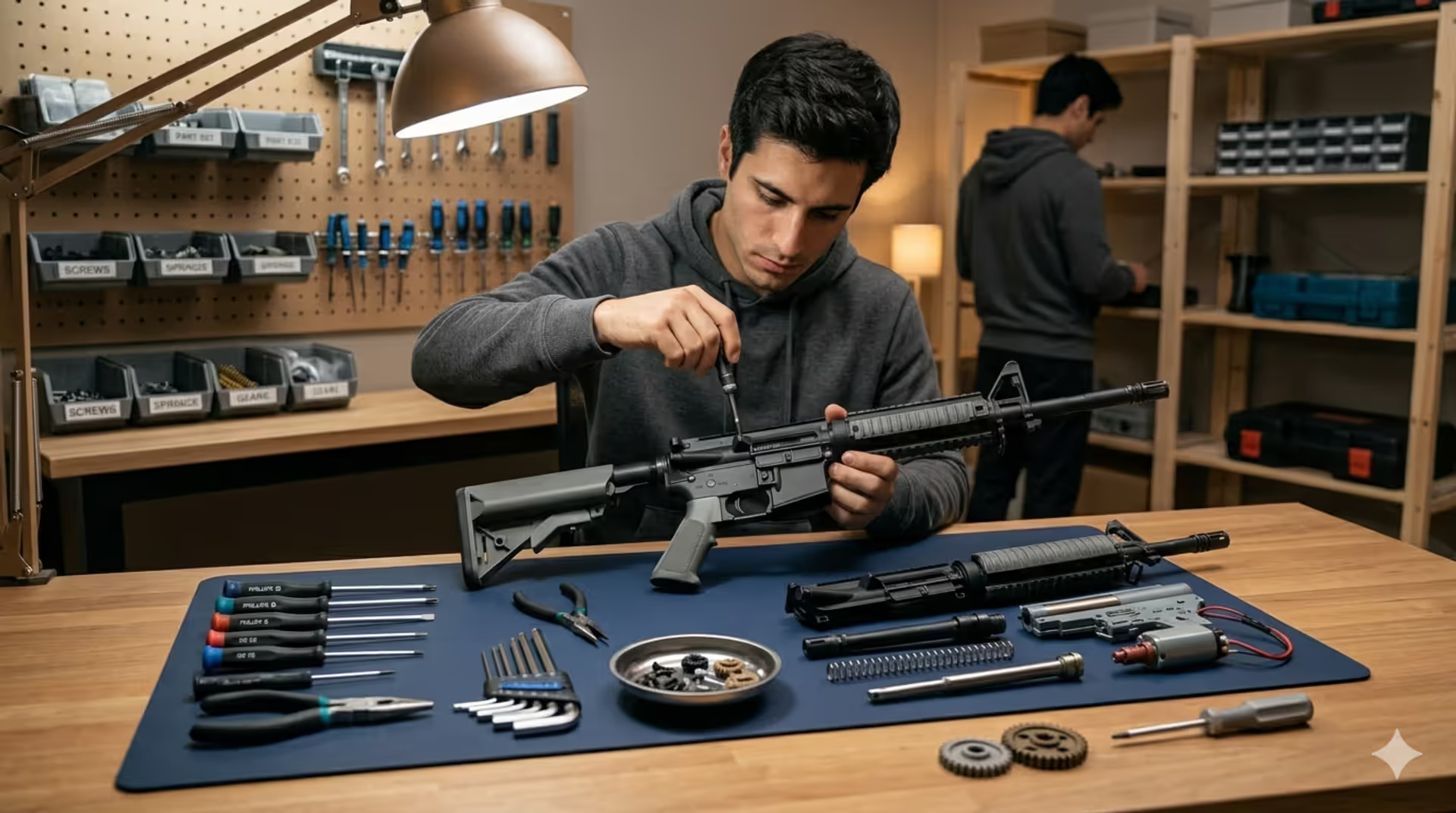
The blasters themselves look like toy versions of tactical firearms. They run on rechargeable lithium batteries (usually 7.4V or 11.1V) and use spring-powered gearboxes to launch gel balls between 80-150 feet per second. Compare that to paintball markers pushing projectiles at 280+ fps, and you'll understand why gellyball feels so much gentler on impact.
When someone gets hit? The gel ball basically explodes into harmless fragments. Within 20-30 minutes, those tiny pieces dry out completely and turn back into dust. Parents love this because there's zero cleanup—you're not scrubbing paint out of jeans or explaining to your HOA why there are neon splatters all over the fence.
Players describe getting hit as feeling like someone snapped a rubber band against your arm from across the room. You notice it, sure, but it's not painful. Most kids laugh it off and keep playing immediately.
Author: Logan Mercer;
Source: lakestaytents.com
Standard equipment lists are refreshingly simple: the gel blaster, a hopper that clips on top (holding 500-800 rounds), ANSI-rated safety glasses, and your pre-soaked ammunition. One battery charge typically lasts 2-3 hours of active shooting, though actual game sessions usually run much shorter with built-in breaks.
Safety rules get enforced hard at professional venues, and for good reason. Eye protection stays on from the moment you enter the playing area until games completely end—no exceptions, no "just for a second," nothing. Most facilities hand out impact-rated goggles as standard equipment. The good news? Since gel balls hit with minimal force, you won't need chest protectors, padded pants, or the armor-like getup that paintball often requires. Some younger players wear hoodies for extra comfort, but that's personal preference rather than safety necessity.
Three factors explain why gellyball hits so softly: the gel composition itself (mostly water), incredibly light weight (under 0.2 grams per ball), and reduced velocity. When impact occurs, energy disperses across a wider surface area instead of concentrating into one painful point like dense paintballs do.
How Gellyball Rules and Gameplay Work
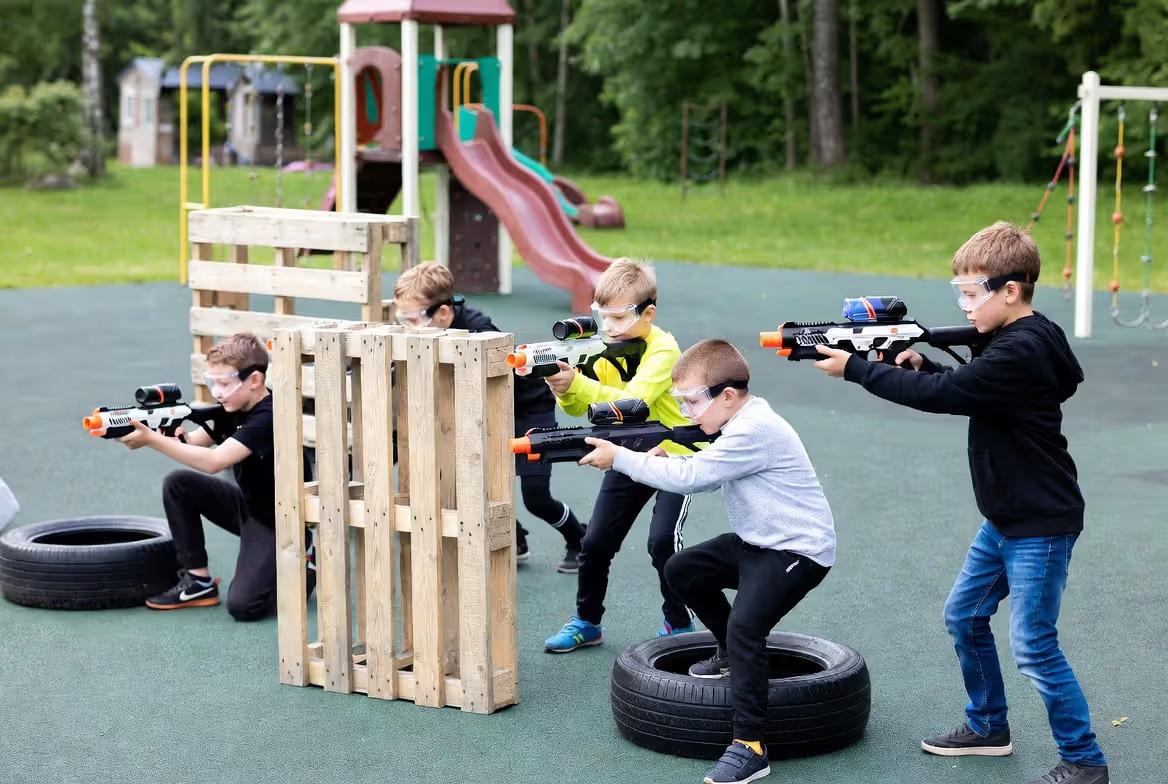
Game formats mirror other tactical team sports, just modified so eight-year-olds don't lose interest after five minutes. Most venues rotate through multiple modes during sessions, keeping things fresh.
Team Elimination works exactly how it sounds. Two teams, opposite ends of the field, eliminate opponents by tagging them with gel balls. Get hit? You're out—head to the sideline or designated safe zone. Last team standing wins. These rounds typically last 5-7 minutes, quick enough that losing doesn't sting (literally or figuratively).
Capture the Flag adds strategic depth beyond just shooting everyone. Defend your flag, grab theirs, return it to your base—classic stuff. Players can still get eliminated, but victory hinges on flag captures rather than total wipeouts.
King of the Hill designates one central zone. Control it for 2-3 cumulative minutes and you win. Teams earn points every second they hold the position, creating constant back-and-forth battles as groups push forward and retreat.
VIP Escort assigns one player per team as a high-value target who needs to reach an extraction point. Twist: the VIP gets limited ammo or a weaker blaster, forcing their team to coordinate protection. Great for teaching actual teamwork rather than everyone just running around shooting randomly.
Author: Logan Mercer;
Source: lakestaytents.com
Team sizes scale based on headcount and space. Small groups (8-12 kids) split evenly into two teams. Bigger events with 20+ participants might run three or four teams simultaneously if the venue has room. Large professional arenas sometimes handle 40 players at once across multiple zones.
Matches stay deliberately short. Nobody wants exhausted, cranky kids—or adults, honestly. A typical 90-minute booking includes 10-15 separate matches with 3-5 minute breaks for water, strategy talk, and refilling hoppers. This pacing beats the exhaustion factor you'd get from 30-minute paintball slogs while maintaining high energy throughout.
Field boundaries get marked with safety netting, inflatable bunkers, or natural barriers depending on venue type. Playing areas incorporate various cover—barricades, half-walls, inflatable obstacles—giving players protection while they advance or hold positions. Hit-calling relies on honor system enforcement: call yourself out when tagged. Referees watch for compliance, but the system works remarkably well even with younger players who quickly learn that cheaters ruin everyone's fun.
Non-negotiable rule across every venue: blasters stay pointed down in safe zones, barrel covers go on when you're not actively playing, and you never fire outside designated boundaries. Blind firing (shooting without seeing your target) gets you warnings or ejections. These aren't suggestions—violate them and you're done for the day.
Gellyball vs Paintball: Key Differences
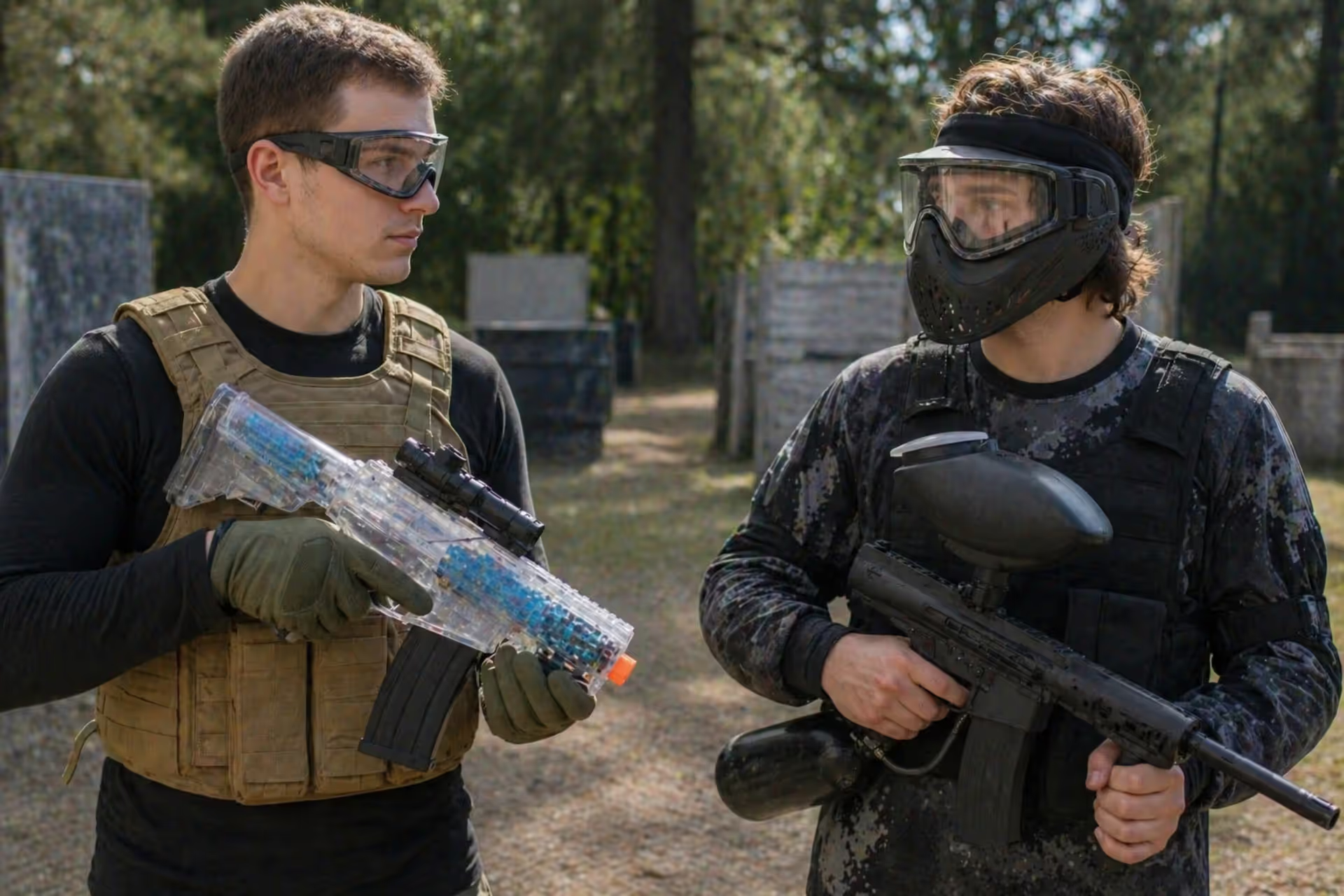
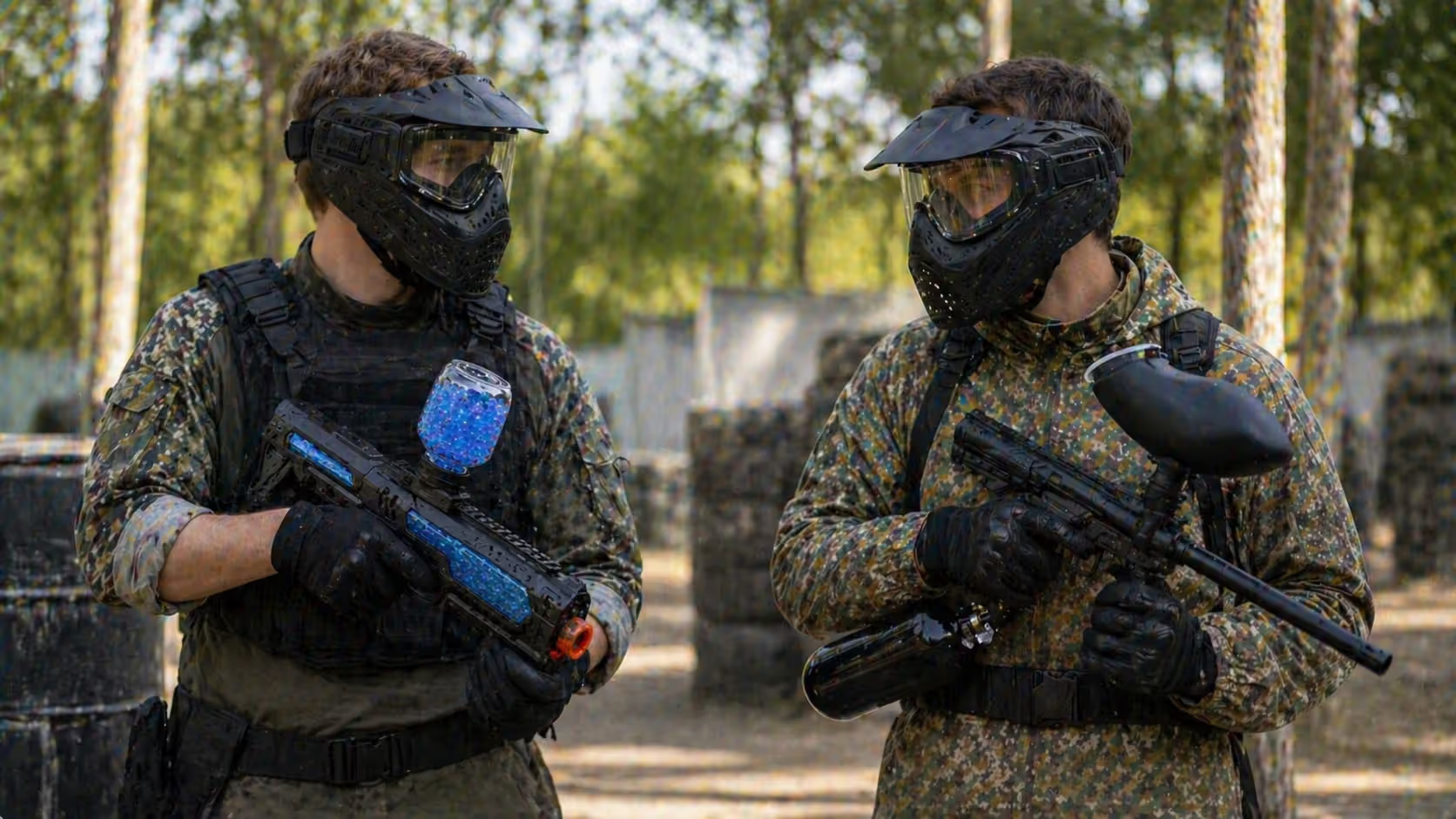
Parents constantly ask how gellyball compares to paintball when researching party options. Both involve tactical team gameplay and shooting opponents, but the execution and physical experience differ dramatically.
Author: Logan Mercer;
Source: lakestaytents.com
Pain Level and Safety Comparison
Paintballs are hard gelatin shells filled with washable dye. Each one weighs about 3 grams and flies at 280+ feet per second. Getting hit creates a sharp sting—sometimes bad enough to make you yelp. Welts and bruises happen regularly, particularly on bare skin or from close-range shots.
Gellyball projectiles weigh 85-90% less and travel roughly half as fast. The hydrated gel composition means they squish and fragment rather than maintaining their hard shell. Players consistently describe hits as minor taps—enough to register but not remotely painful. You won't find bruises the next morning or need to explain marks to concerned relatives.
This impact reduction matters enormously for accessibility. Plenty of people enjoyed paintball's tactical elements but hated the physical intensity. Gellyball delivers that strategic gameplay minus the discomfort.
Age Requirements and Accessibility
Paintball facilities typically set minimum ages at 10-12 years, often requiring parental waivers and strongly suggesting younger kids skip it entirely. The impact force, heavier markers, and intense atmosphere make paintball genuinely challenging for elementary-age children.
Gellyball welcomes kids as young as 6 at most venues. Some places accept even younger children for private parties with proper supervision. The lighter blasters (1-2 pounds versus 3-4 pounds for paintball markers) fit smaller hands better, and reduced intimidation helps young players engage fully instead of hiding behind barriers terrified of getting shot.
This age flexibility has made gellyball perfect for mixed-age family events. Grandparents, teenagers, and first-graders can all play together meaningfully. The low entry barrier means first-timers jump right in without extensive safety briefings or injury anxiety.
Cost and Equipment Differences
Money matters, especially for regular activities or large groups. Paintball sessions typically cost $30-60 per person for basic packages—equipment rental plus 200-500 starter paintballs. Extra ammunition runs $15-30 per 500 rounds. Active players easily burn through 1,000+ rounds during sessions, pushing total costs toward $60-100+ per person.
Gellyball pricing generally lands between $20-40 per person for complete sessions with unlimited ammunition. Gel balls cost pennies to produce (10,000 rounds for $8-15), so venues offer unlimited play without cost concerns. This all-inclusive model simplifies budgeting and eliminates the mid-session "do we buy more ammo?" debate.
Equipment maintenance differs substantially too. Paintball markers need regular cleaning to prevent paint buildup, and CO2/compressed air systems require refills. Gel blasters run on rechargeable batteries with minimal upkeep beyond occasional cleaning and charging. This reduced maintenance burden helps mobile gellyball services operate more cost-effectively than mobile paintball competitors.
| Comparison Factor | Gellyball | Paintball |
| Impact Sensation | Light tap (barely noticeable) | Sharp sting (often leaves welts) |
| Youngest Recommended Age | 6+ years old | 10-12+ years old |
| Typical Session Cost | $20-40 with unlimited ammo | $30-60 base plus $15-30 per 500 extra rounds |
| Required Safety Equipment | Impact-rated eyewear only | Full face protection, chest padding suggested |
| Post-Game Cleanup | None needed (fragments evaporate) | Paint removal from clothing/gear |
| Visible Marks or Bruising | Essentially never | Common, particularly at close distances |
Gellyball for Kids and Family Events
Parents spent years searching for activities satisfying kids' tactical gameplay cravings without excessive injury risk. Gellyball finally checks every box they'd been looking for.
Six-year-olds can safely participate under proper supervision. The 1-2 pound blasters work fine for smaller children, and simple trigger mechanisms don't require significant hand strength. Most venues stock blasters in multiple sizes for different age groups and builds.
Gameplay naturally encourages physical activity disguised as pure fun. Kids sprint between cover positions, duck behind obstacles, coordinate strategies with teammates, and stay constantly moving throughout matches. A typical 90-minute session delivers solid cardiovascular exercise while maintaining the entertainment factor that keeps children actually wanting to participate.
Supervision ratios vary by venue and age mix. Most facilities maintain 1:8 to 1:10 staff-to-player ratios for younger groups, with trained referees monitoring gameplay, enforcing rules, and helping younger players grasp objectives. Private events with very young children (ages 6-7) benefit from additional adult involvement—many parents suit up and play alongside their kids instead of just observing from sidelines.
Developmental benefits extend beyond simple exercise. Gellyball naturally teaches teamwork, communication, strategic planning, and good sportsmanship. Kids coordinate with teammates, develop tactical approaches, and handle both victories and defeats gracefully. Quick match turnover means losing one round doesn't feel crushing—another game starts in minutes with fresh chances to try different strategies.
Social bonding flourishes during gellyball sessions. Shared challenges create connection opportunities, and the active format helps kids who struggle in traditional social settings find common ground with peers. Parents frequently report that children who resist team sports or structured activities enthusiastically embrace gellyball because it feels more like play than organized athletics.
The inclusive design means kids with varying athletic abilities contribute meaningfully. A child who isn't particularly fast can still excel through smart positioning and accurate shooting. Strategic elements reward different skill sets, preventing the dynamic where the same athletically gifted kids dominate while others feel sidelined.
Planning a Gellyball Birthday Party
Gellyball birthday parties have become top requests for kids ages 7-14, delivering experiences that feel genuinely special while remaining logistically manageable for parents. The combination of active gameplay, social interaction, and novelty creates celebrations kids remember for months.
Standard arena packages typically include 90-120 minutes total time—60-75 minutes of active gameplay with the remainder for setup, safety briefings, and potentially cake/presents. Most venues provide private party rooms or designated areas for food and gifts separate from playing fields.
Equipment comes included in virtually all packages: blasters for every participant, safety eyewear, unlimited ammunition, and referees running games and enforcing safety. Some venues add bonuses like dedicated party hosts, themed decorations, or special "birthday player" designations with unique blasters or roles in certain game modes.
Choosing between arena-based and mobile gellyball parties depends on several factors. Arena venues offer climate control, professional-grade equipment, and purpose-built fields with optimal cover placement. They're particularly attractive during extreme weather or for parents preferring hands-off logistics.
Mobile gellyball services transport equipment and setup to your chosen location—backyards, parks, community centers. Professional mobile operators arrive 30-45 minutes early to establish playing fields using portable inflatable barriers or netting systems. They provide everything, run games, and handle breakdown afterward. Mobile options work well for families with adequate outdoor space who want home hosting convenience without equipment investment or setup hassles.
Cost ranges for gellyball birthday parties: arena packages accommodating 10-15 kids typically run $250-500, while mobile services generally charge $300-600 depending on group size, travel distance, and session length. Most packages include 90-120 minutes total with equipment, unlimited ammo, and supervision. Additional costs might include venue catering, party favors, or extended time. Larger groups see reduced per-child rates, while smaller groups might hit minimum fees. Mobile services sometimes charge travel fees beyond certain radius distances.
When booking, ask providers about COVID-19 protocols (still relevant for some families in 2026), staff training/certification, insurance coverage, and policies on non-playing adults. Clarify what's included in base packages versus add-ons, and confirm whether outside food/drinks are permitted or if venue catering is required.
Request customization information. Some providers offer themed game modes, special missions for birthday children, or modified rules for mixed-age groups. Understanding flexibility helps create experiences tailored to your child's interests and guest dynamics.
Check cancellation and rescheduling policies, particularly for outdoor mobile events potentially affected by weather. Most professional operators offer flexible rescheduling for weather cancellations, though policies vary for other cancellation reasons.
Where to Play: Gellyball Arena Options
Gellyball's expanding popularity has created diverse venue landscapes nationwide—dedicated indoor facilities, outdoor adventure parks, and mobile services bringing games directly to customers.
Indoor gellyball arenas provide year-round playability regardless of weather, controlled lighting for visibility, and purpose-built fields designed specifically for tactical gameplay. These facilities typically feature multi-level structures, varied terrain with different cover types, and sometimes themed environments like urban zones or post-apocalyptic landscapes. Climate control ensures comfort during summer heat or winter cold, and contained environments simplify supervision and safety management.
Quality indoor facilities maintain equipment excellently, replacing worn blasters promptly and ensuring safety glasses meet current ANSI standards. Playing surfaces should stay clean and hazard-free, with clear boundary markings and well-maintained barriers lacking sharp edges or unstable elements.
Outdoor venues leverage natural terrain or large open spaces creating expansive playing fields impossible indoors. Parks, wooded areas, and open fields provide authentic tactical environments with natural cover. Trade-offs include weather dependency—rain, extreme heat, or high winds can force cancellations or create uncomfortable conditions.
When evaluating gellyball arenas, prioritize facilities emphasizing safety through mandatory briefings, active referee presence during gameplay, and strict eye protection enforcement. Staff should demonstrate equipment knowledge and game rule expertise while prepared to answer safety protocol questions and age-appropriate modification inquiries.
Cleanliness matters more than initially apparent. While gel balls create minimal mess, high-traffic recreational facilities accumulate dirt and debris. Well-maintained venues conduct regular cleaning and equipment sanitization, particularly for shared items like safety glasses and blasters.
Author: Logan Mercer;
Source: lakestaytents.com
Playing field layouts should offer varied gameplay opportunities with multiple cover positions, clear sight lines, and logical flow preventing bottlenecking or dead zones where players get trapped. Poorly designed fields create frustrating gameplay where one team has inherent advantages or matches devolve into static standoffs.
Mobile gellyball services have grown substantially since 2024, offering professional-grade experiences at customer-chosen locations. Reputable mobile operators arrive with commercial-grade equipment—not consumer toys—bringing everything needed for complete setup including inflatable barriers, boundary netting, and backup equipment for malfunctions.
Top mobile services conduct site assessments before events ensuring chosen locations work for safe gameplay. They identify potential hazards, confirm adequate space for expected group sizes, and discuss modifications needed for optimal setup. This professionalism separates legitimate mobile businesses from casual operators potentially lacking proper insurance or safety protocols.
Mobile services excel for school events, corporate team-building, community festivals, and private parties where home hosting offers convenience advantages. Creating temporary gellyball arenas in familiar environments reduces guest logistics while still delivering professional experiences.
We added gellyball in early 2025, and honestly, within six months it became our number-one requested birthday package. Parents appreciate that seven-year-olds can play safely, and the kids stay completely engaged the entire session—nobody's sitting on sidelines bored or scared like we sometimes saw with previous offerings. It's transformed our party bookings.
— Marcus Chen
Frequently Asked Questions About Gellyball
Gellyball fills a genuine gap in active recreational entertainment—sitting right between passive activities failing to engage kids physically and high-impact sports many families find too intense or risky. The tactical gameplay, minimal pain, broad age accessibility, and straightforward logistics have positioned gellyball as a go-to choice for birthday parties, family outings, and group events nationwide.
The safety profile makes it particularly valuable for parents seeking activities delivering excitement without injury concerns. No bruising, lightweight equipment suitable for younger players, and low barriers to entry create inclusive environments where kids of varying ages and athletic abilities participate meaningfully together.
Whether you're planning birthday celebrations, exploring unique family activities, or simply researching new recreational options, gellyball offers experiences balancing action, strategy, and safety in ways few alternatives match. The expanding network of dedicated arenas and mobile services means access continues improving across the country, making it easier than ever to try this engaging activity firsthand.