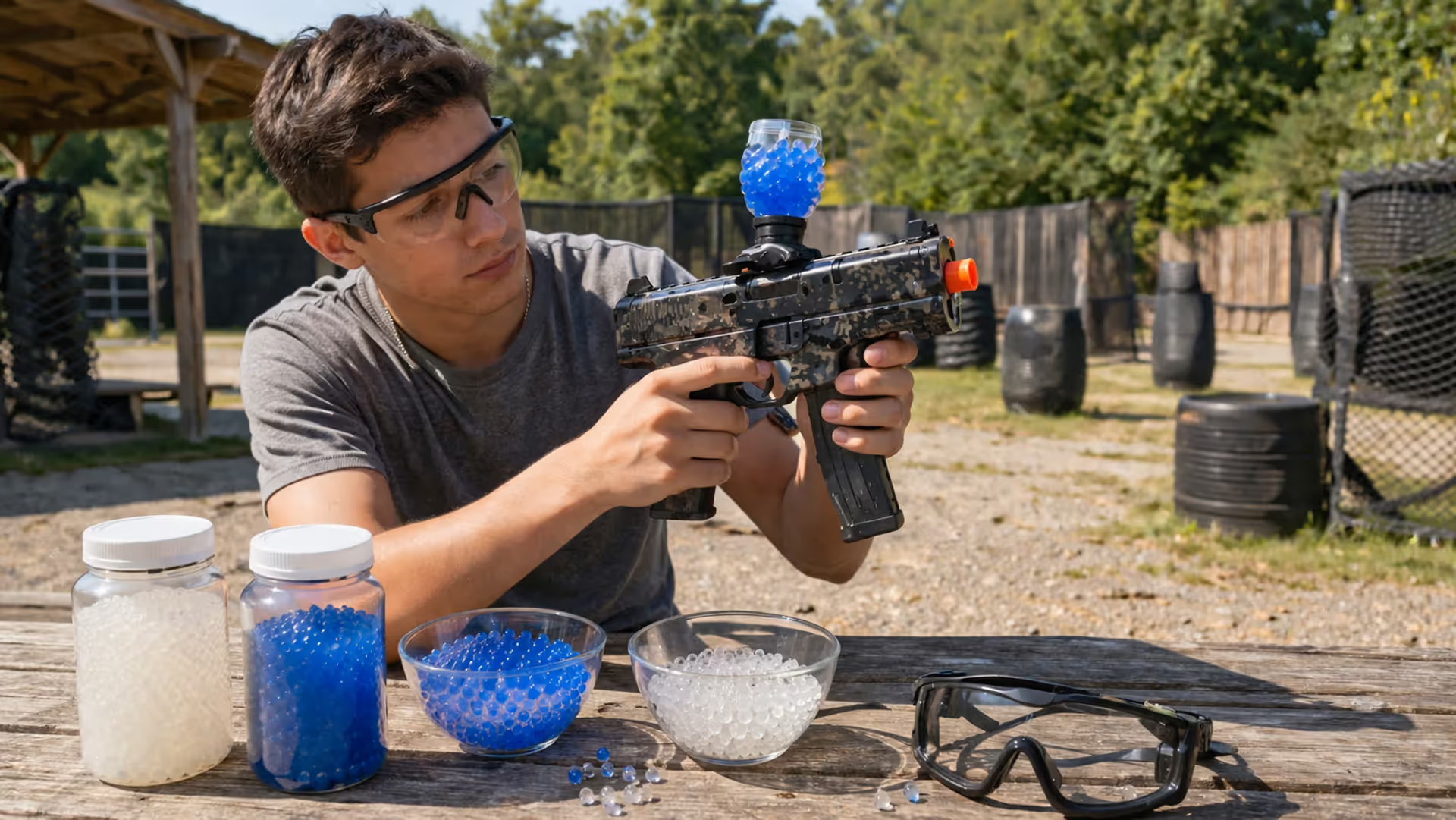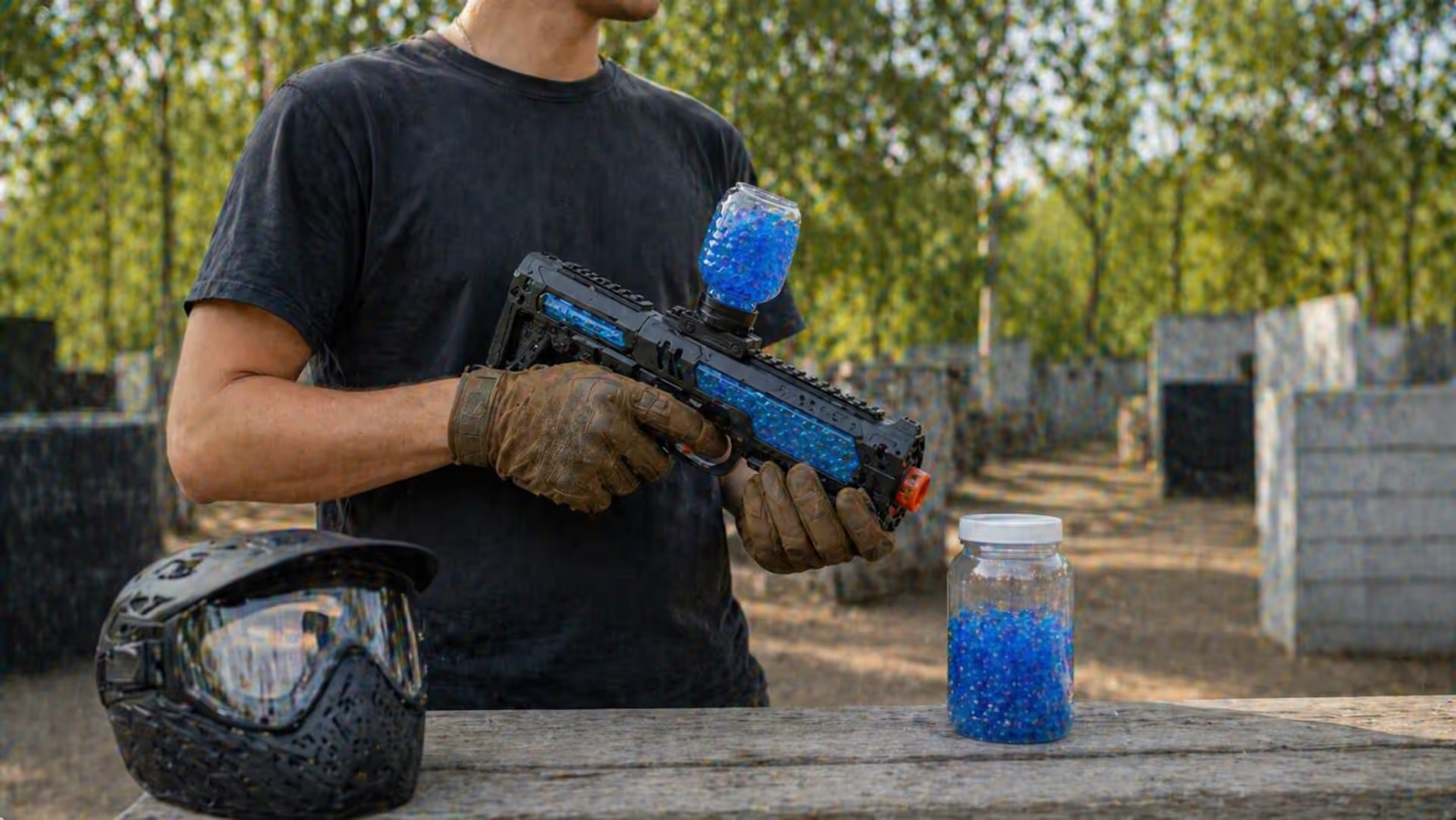
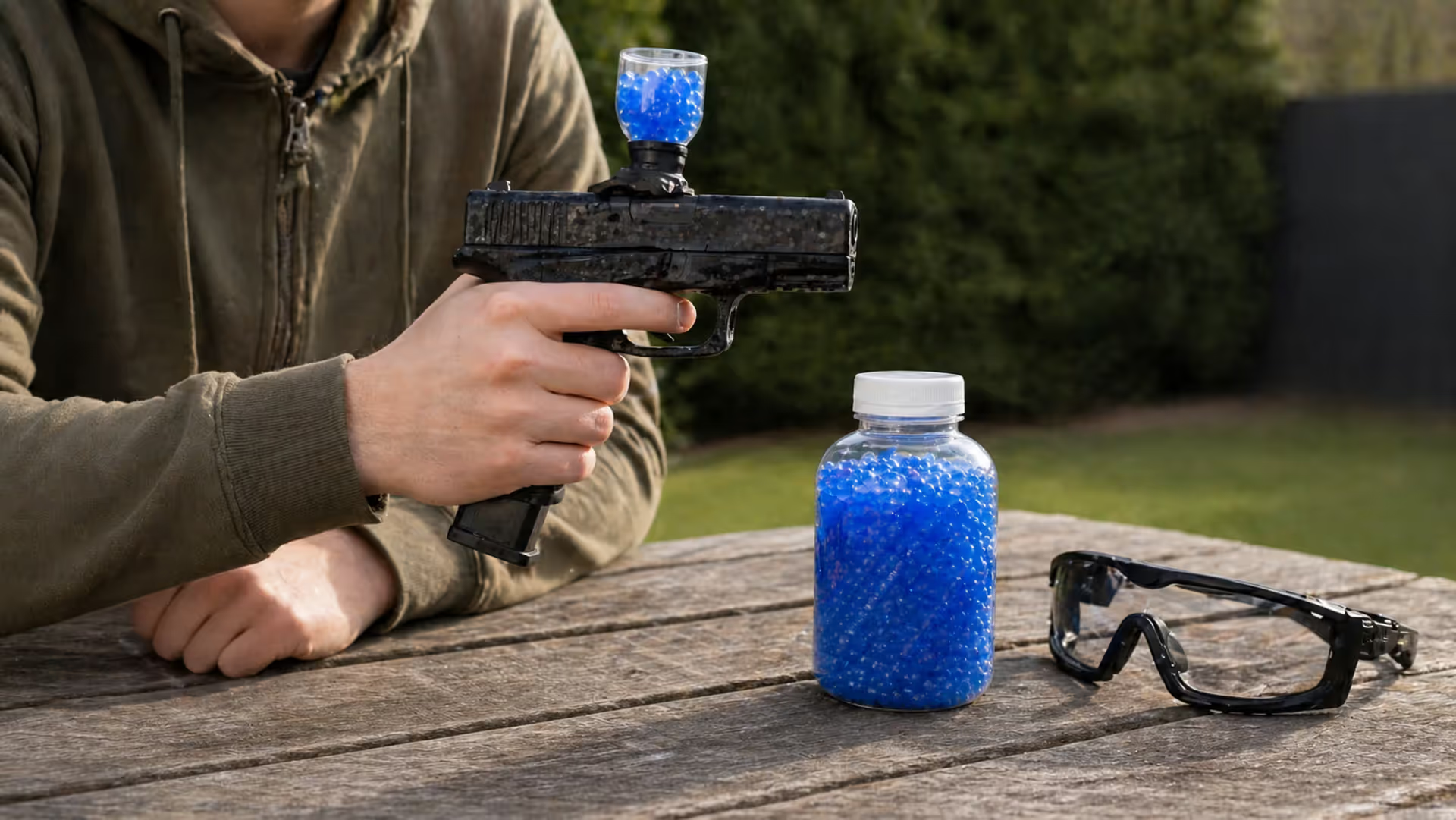
Person holding compact gel blaster pistol with ammo and safety goggles
Pistol Splat Gun Guide

Content
Look around any gel blaster meetup these days and you'll spot plenty of players packing compact sidearms. These pocket-sized gel blasters have exploded in popularity—and for good reason. You get all the entertainment of gel ball battles without lugging around a full-length rifle.
Need a backup weapon during intense skirmishes? Want something simple for target practice in your yard? Either way, knowing which compact models deliver real performance versus which ones fall apart after three weekends will save you cash and headaches.
What Is a Pistol Splat Gun and How Does It Work
Think of a pistol splat gun as a handheld launcher for water-filled gel projectiles. You're essentially shooting tiny balls made from super-absorbent polymer—the same stuff in baby diapers, actually. When these gel beads smack into targets, they explode into harmless fragments.
Size-wise, we're talking 6 to 10 inches from grip to barrel tip. That's roughly half the length of rifle-style gel blasters, which makes them stupidly easy to carry around. The firing system works through one of three methods: you're either manually cocking a spring, pressing a trigger connected to an electric motor, or working a manual action between shots.
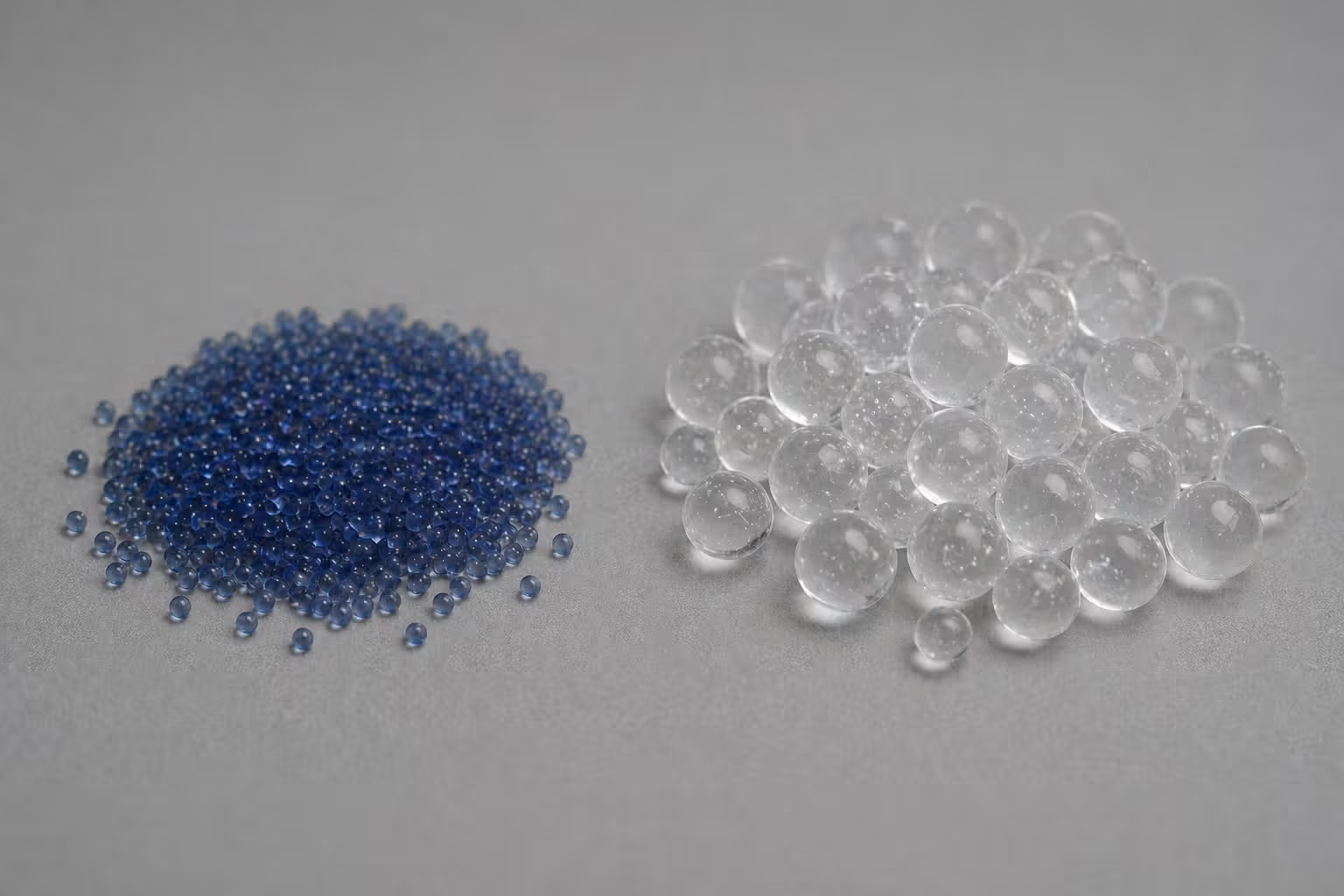
Velocity typically lands somewhere between 100 and 200 feet per second. That's quick enough to feel the hit but won't leave welts like paintballs do. You'll start with dehydrated gel beads measuring about 7-8mm across—they look like tiny plastic pearls. Drop them in water for three to four hours and they'll plump up to 7.5-8.5mm spheres. When fired, these water-logged projectiles disintegrate on contact and then evaporate within a few hours. No paint stains. No endless cleanup sessions picking BBs out of your lawn.
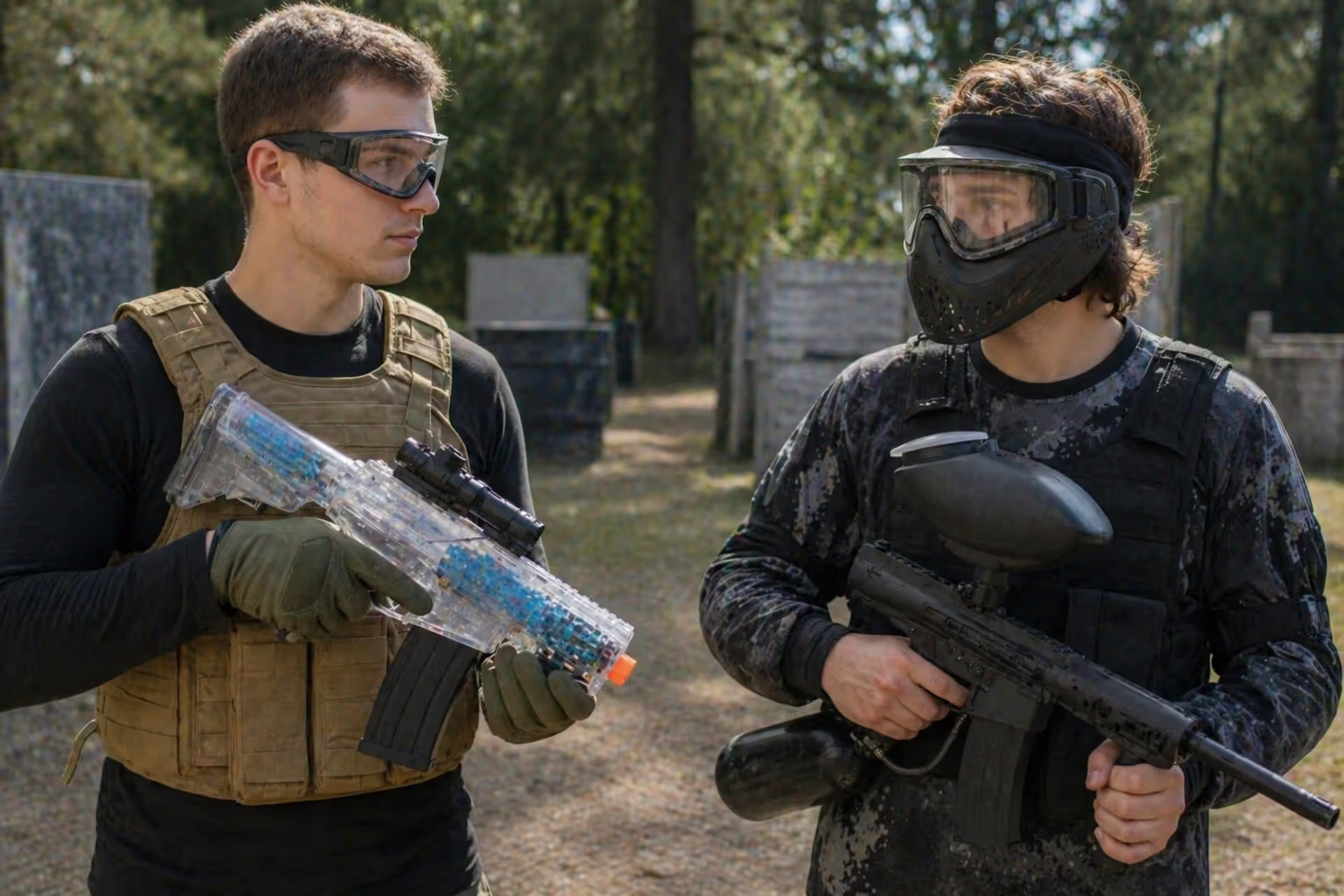
Here's where pistols differ from their bigger cousins: magazine size and punch. Full-length gel blasters pack 300-500 rounds and can crack 250 FPS. Pistol versions? You're looking at 8-50 gel balls per mag, maxing out around 150 FPS. That's the price of portability. What you lose in firepower, you gain in mobility—especially when you're ducking behind obstacles or playing in tight spaces where rifles become awkward clubs.
Author: Ethan Rowe;
Source: lakestaytents.com
Distance-wise, expect decent accuracy out to 30-50 feet depending on your model and how hard the wind's blowing. Gel balls are incredibly light, so even a gentle breeze turns them into curveballs beyond 40 feet.
Types of Compact Gel Blasters Available
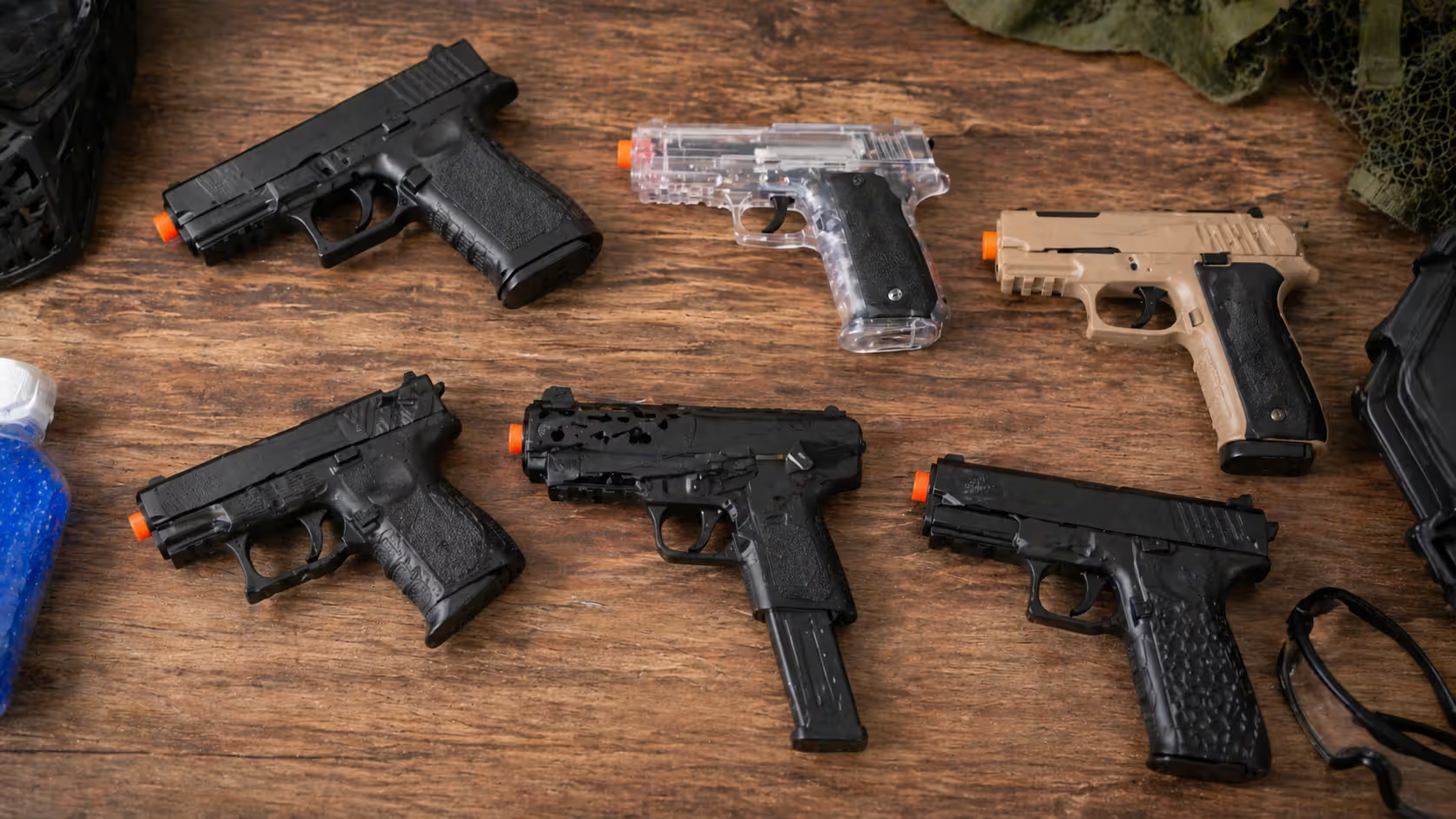
Spring-Powered Splatter Pistols
Spring mechanisms are the grandfather clocks of gel blasters—totally mechanical, zero electronics. You manually pull back a slide or cock a lever, which compresses an internal spring. Release the trigger and that stored energy launches your gel ball.
The upside? Dead simple. No batteries dying mid-game. No circuit boards frying from humidity. Plus they're usually the cheapest option, starting around $30-$40. You could drop one in a puddle, dry it off, and keep shooting.
The catch is firing speed. You're looking at maybe one shot every two seconds if you're quick with your hands. Great for plinking at soda cans on a lazy afternoon. Terrible for competitive scenarios where three opponents rush your position simultaneously. Think of these as the revolvers of the gel blaster world—reliable, straightforward, but definitely not rapid-fire.
Author: Ethan Rowe;
Source: lakestaytents.com
Electric Gel Blaster Pistols
Electric models flip the script entirely. A rechargeable battery powers a compact motor that handles compression for you. Pull the trigger, the motor does its thing, and out flies your gel ball. Most offer semi-auto operation (one trigger pull = one shot), while some premium versions go full-auto.
Battery life typically runs 45-90 minutes of actual shooting time per charge. Not continuous—nobody shoots for 45 minutes straight—but accumulated trigger time across an afternoon. USB charging has become standard, which beats the old micro-USB ports that broke if you looked at them wrong.
Downsides? Weight jumps by 30-50% compared to spring versions thanks to the motor and battery pack. You're also adding complexity. Motors overheat during extended full-auto sessions. Battery contacts corrode if you don't wipe them down occasionally. Moving parts need lubrication every few months. Still, if you want competitive firing rates, electric is the way.
Manual and Semi-Automatic Models
Manual designs include spring pistols and some creative stuff like gel-firing revolvers where you physically rotate the cylinder between shots. There's something satisfying about the mechanical click-click-click that appeals to enthusiasts who grew up with cap guns.
Semi-automatic operation—whether spring-assisted or electric—gives you one round per trigger squeeze without manual cocking. It's the Goldilocks zone: faster than pure manual, more controlled than full-auto. Competitive players love these because you can maintain accuracy while still putting multiple rounds downrange quickly. Full-auto exists in pistol format but burns through your magazine in about three seconds, which isn't practical unless you're carrying six spare mags.
Key Features to Look for in a Splat Ball Pistol
Magazine capacity determines how often you're fumbling with reloads while your buddy's still shooting. Compact pistols hold anywhere from 8 rounds (basically a couple trigger pulls) up to 50 rounds (enough for sustained engagements). Here's the reality: if you're just shooting targets in your backyard, 15 rounds works fine. Team battles? You'll want 30+ or you'll spend half the game reloading behind cover.
Build quality separates toys from tools. All-plastic construction might survive a few weekends but expect cracks around stress points—especially where the magazine slots in and around the trigger housing. Look for metal internals: trigger assembly, spring guides, barrel supports. The exterior can be ABS plastic (that's normal), but anything that moves or bears force should be reinforced with metal. Scan through buyer reviews for complaints about "stripped gears" or "cracked frame"—those are dealbreakers.
Battery capacity matters enormously for electric models. A 500mAh cell sounds adequate until it dies 30 minutes into your first real session. Target at least 800mAh, ideally 1000mAh or higher. Check whether the manufacturer tosses in a backup battery or if you're buying one separately for another $15-$20. USB-C charging has become the norm in 2026—it's faster and the ports hold up better than the old micro-USB connectors that wiggled loose.
Grip comfort isn't exciting but holy cow does it matter after an hour of play. Look for textured panels or rubberized sections that prevent the pistol from slipping when your hands get sweaty. Controls positioned for lefties and righties make the blaster usable regardless of hand dominance. Weight distribution is sneaky important too—barrel-heavy pistols cause fatigue much faster than balanced designs. If possible, physically hold the model before buying.
Safety features should include an actual mechanical switch that blocks the trigger, not just a red indicator light. Clear or smoke-tinted magazines let you eyeball remaining ammo without popping the mag out. Better models incorporate trigger guards designed to prevent accidental firing when you're running around with the pistol stuffed in a holster.
Accuracy depends on barrel precision and gel ball consistency. Tighter barrels (8mm internal diameter) improve shot grouping but jam easily if your gel balls run oversized or misshapen. Adjustable hop-up systems—mechanisms that add backspin for extended range—rarely appear on pistols but can add 10-15 feet when available.
Portability defines the whole category but exists on a spectrum. True pocket blasters measure 6 inches and weigh under 10 ounces—you can literally stuff one in a jacket pocket. Compact models stretch to 9-10 inches and need a belt holster. Figure out whether you value ultra-portability or you'll accept a slightly larger footprint for better performance.
I've watched dozens of players show up with expensive rifles they leave in their car because hauling them around gets old fast. The pistol you'll actually carry beats the blaster with perfect specs sitting in your trunk.
— Marcus Chen
Gel Blaster Pistol Comparison: Popular Models Reviewed
| Brand/Model | Velocity | Ammo Capacity | Cost | Mass | Power Source |
| TactX Micro-9 | 150 FPS | 15 gel balls | $35-$45 | 8.5 oz | Spring action |
| VelocityPro Compact | 180 FPS | 30 gel balls | $65-$80 | 14 oz | Electric motor |
| GelStrike Mini Auto | 140 FPS | 25 gel balls | $50-$60 | 11 oz | Electric motor |
| Phantom Series P22 | 160 FPS | 12 gel balls | $40-$50 | 9 oz | Spring action |
| RapidFire Pocket Pro | 170 FPS | 40 gel balls | $75-$90 | 13 oz | Electric motor |
| Striker Compact Elite | 155 FPS | 20 gel balls | $55-$70 | 10.5 oz | Spring semi-auto |
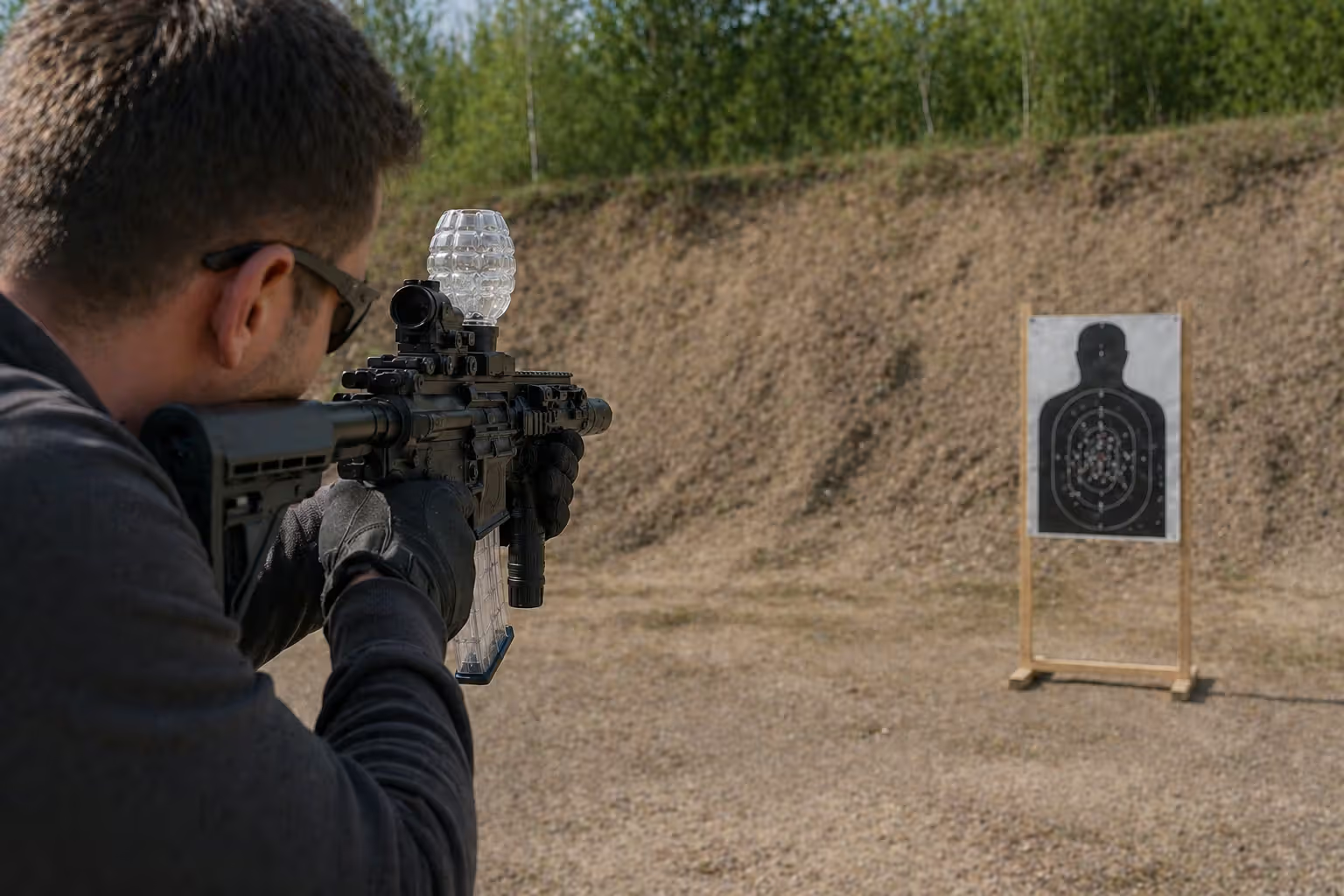
The TactX Micro-9 hits the sweet spot for budget buyers. You're trading magazine size and power for reliability and a low price tag. Spring operation means zero charging infrastructure—just grab and shoot. But that 15-round mag empties fast during active games, leaving you stuffing gel balls while everyone else is still fighting.
Author: Ethan Rowe;
Source: lakestaytents.com
VelocityPro Compact dominates the performance category with 180 FPS and a respectable 30-round capacity. The electric motor enables semi-auto fire rates, and the included 1000mAh battery runs approximately 75 minutes of trigger time. Trade-off? It's heavy at 14 ounces—nearly double the weight of spring alternatives. Users consistently praise build quality while griping that replacement magazines run $12-$15 each.
GelStrike Mini Auto targets budget-conscious players who still want electric operation. At 140 FPS it won't win distance contests, but the compact frame and 25-round magazine handle varied gameplay styles. Fair warning: the electric feed system jams when you use gel balls outside the 7.5-8mm sweet spot, so ammunition quality matters here.
Phantom Series P22 nails real-world pistol ergonomics better than competitors, which appeals to players who care about authentic handling. The spring mechanism has proven bulletproof across thousands of shots in field testing. Just accept that 12-round capacity as the price of admission.
RapidFire Pocket Pro justifies its premium cost with a 40-round magazine and consistent 170 FPS performance. The quick-swap battery design lets you change power sources in under five seconds—huge advantage during tournaments. Weight balance feels excellent despite hitting 13 ounces. Some buyers report the safety switch loosening after several months of heavy use.
Striker Compact Elite brings an interesting hybrid approach—spring-powered but doesn't require cocking between shots thanks to a ratcheting mechanism. This semi-auto operation delivers faster follow-ups than traditional spring pistols while keeping things mechanically simple. The 20-round capacity and mid-range velocity make it a solid all-purpose choice.
Best Uses for Lightweight and Pocket Gel Blasters
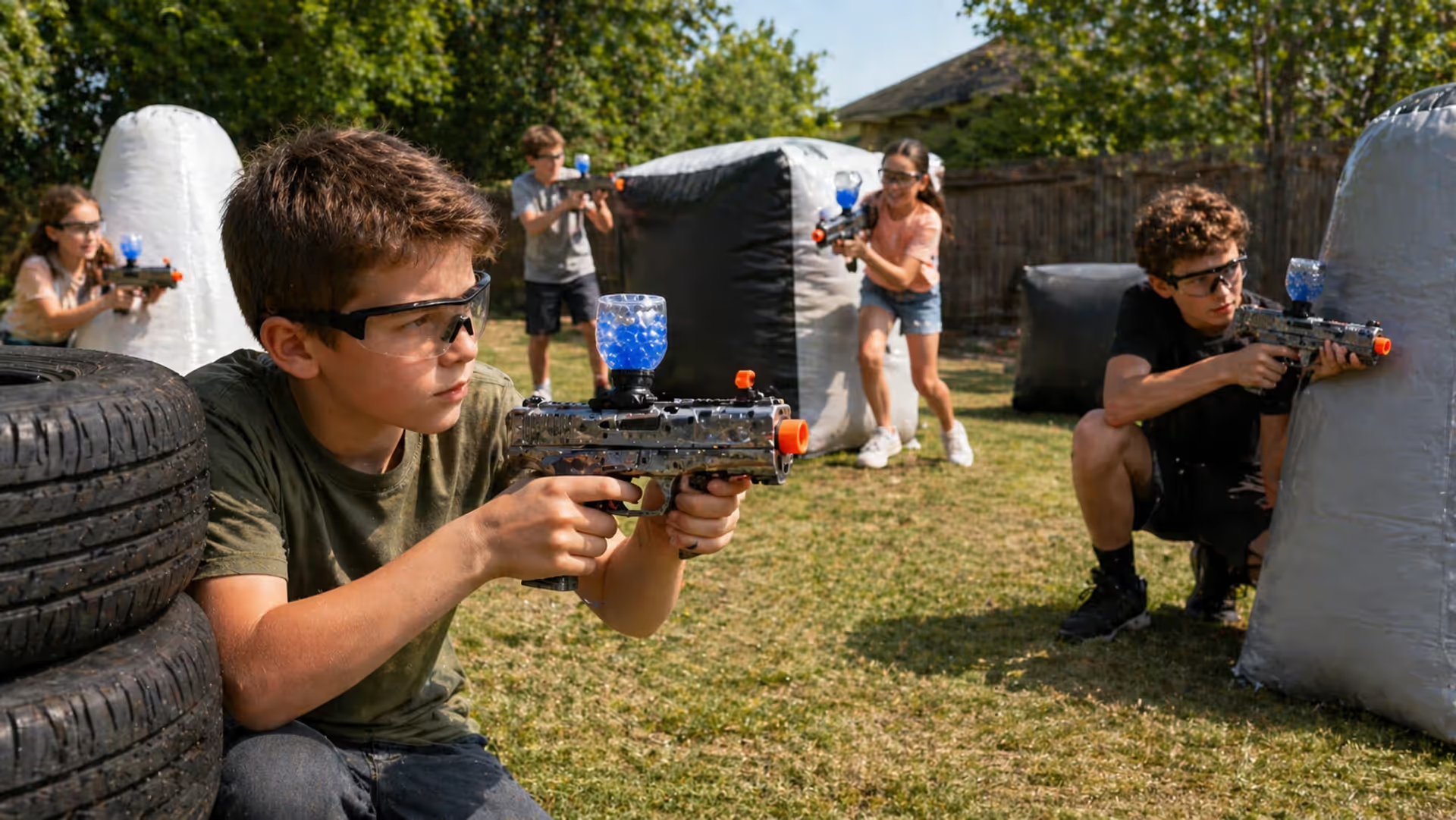
Backyard battles get way more fun when you're not bashing a full-length rifle into lawn chairs and garden gnomes. Tight spaces between obstacles demand compact weapons. A lightweight splatter gun lets you pivot and sprint without your blaster catching on everything. The reduced velocity also minimizes property damage risks—150 FPS gel balls won't crack windows or dent vinyl siding the way higher-powered shots might.
Target practice and fundamentals training work beautifully with pistol formats. Set up paper targets at 15-25 feet and run draw-and-fire drills. You'll build muscle memory and tighten your accuracy without burning through your budget. Gel balls cost roughly $8-$12 per 10,000 rounds compared to $15-$25 for quality airsoft ammo, so you can shoot way more frequently. Spring models shine here because the manual action forces deliberate aiming instead of trigger-happy spraying.
Event portability becomes a non-issue. Hauling your entire gel blaster collection to community meetups or organized game days normally requires serious trunk space and protective cases. A pocket gel blaster slides into a small bag next to a bottle of hydrated gel balls and a couple spare magazines. You're ready to participate without the logistics headache.
Beginner-friendliness is a massive advantage in this category. New users get intimidated by complex rifles featuring adjustable stocks, multiple attachment rails, and confusing hop-up systems. A straightforward splat ball pistol boils everything down to essentials: load magazine, aim, squeeze trigger. Once comfortable with core concepts, users can graduate to sophisticated platforms with actual confidence.
Secondary weapon roles matter in competitive play more than casual players realize. Experienced competitors regularly carry a compact gel blaster as insurance against primary weapon failures or empty magazines. Transitioning to a holstered pistol takes two seconds versus fifteen seconds to reload a rifle—that speed difference keeps you in the fight. Electric models with semi-auto capability excel in this backup role.
Common Mistakes When Buying a Mini Gel Blaster
Velocity restrictions catch new buyers off-guard constantly. Plenty of venues and organized events cap projectile speed at 150 FPS for safety compliance. Buy a 200 FPS monster and you're either excluded from these activities or stuck modifying your blaster—which usually voids warranties. Research local rules and event requirements before clicking "buy now" on any model.
Battery quality gets overlooked until you're dealing with performance issues. Generic lithium cells often advertise impressive mAh numbers while delivering garbage voltage under actual load. This shows up as inconsistent firing rates, velocity drops, and batteries dying way faster than advertised. Start with manufacturer-supplied batteries, then stick to reputable brands if you buy aftermarket replacements. Check verified buyer reviews, not just the marketing specs.
Gel ball compatibility seems obvious until you discover not all gel balls are created equal. Diameter variations of just 0.3mm cause jamming in precision barrel systems. Budget gel balls sometimes don't hydrate properly or rupture inside magazines before firing. Confirm your pistol works with standard 7.5-8mm gel balls, then budget $10-$15 extra for quality ammunition from established suppliers instead of mystery-brand bargain packs.
Safety equipment neglect remains shockingly common among newcomers. Gel balls traveling 150+ FPS absolutely can cause eye injuries without proper protection. Full-seal eyewear rated for impact sports is mandatory—your regular prescription glasses or sunglasses don't cut it. Many venues require full face masks, particularly for younger participants. Factor protective gear into your total budget from day one, not as an afterthought.
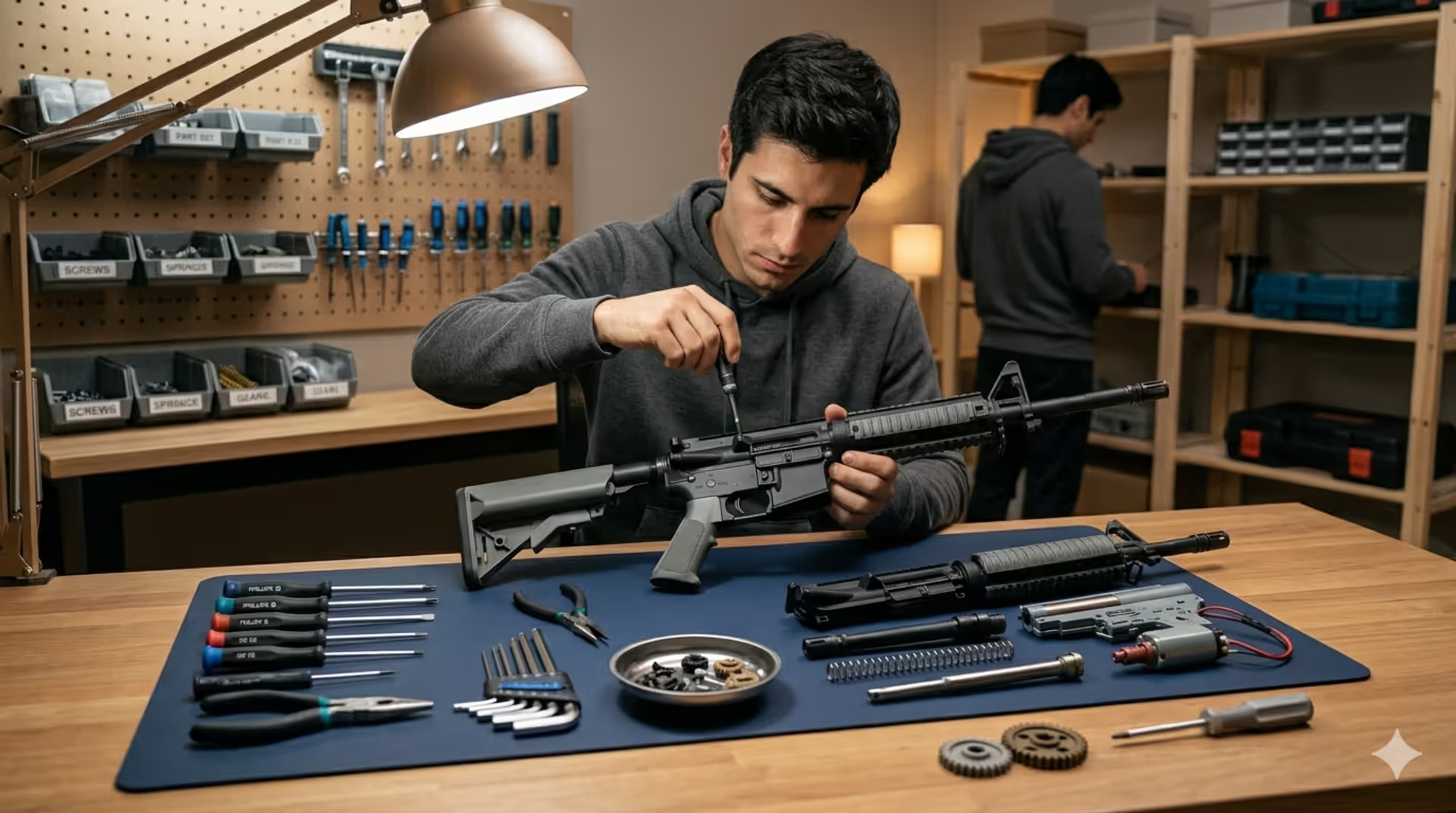
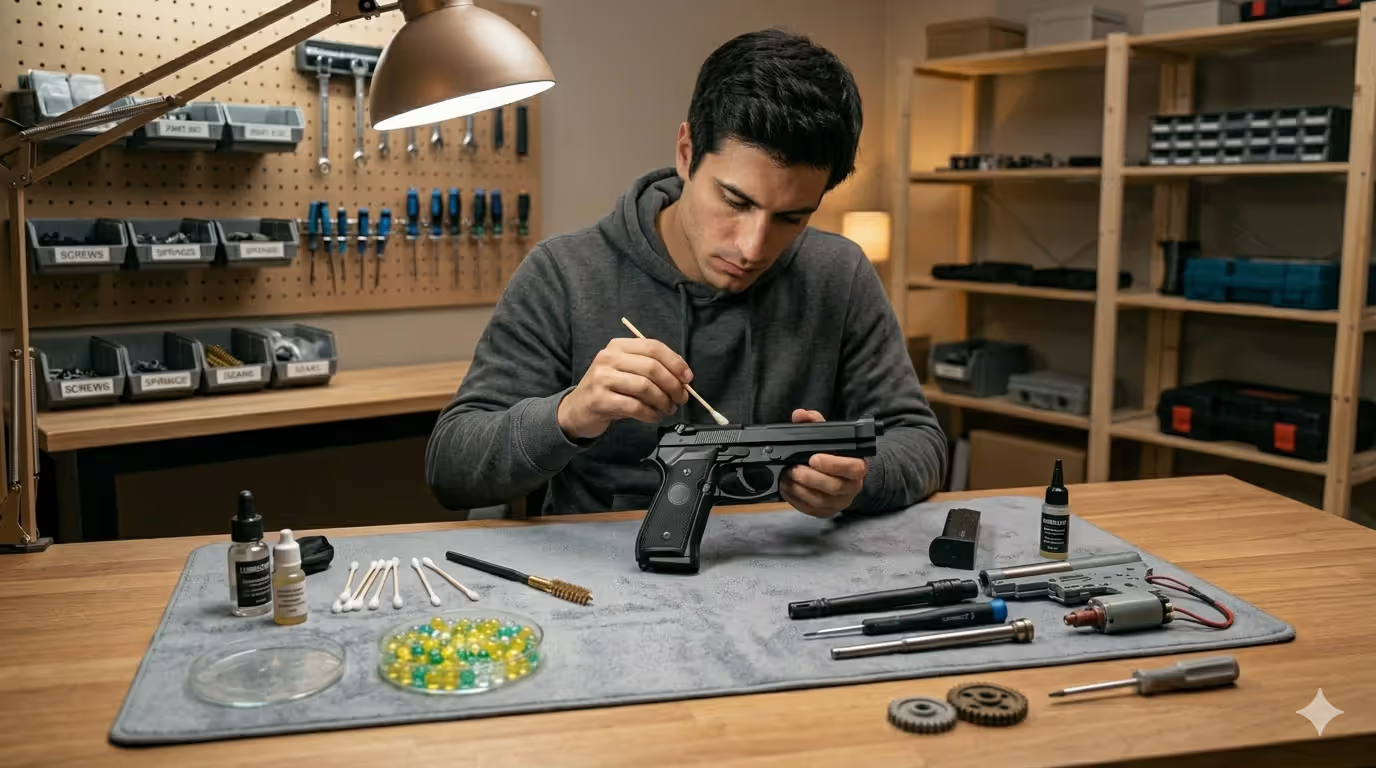
Maintenance requirements get underestimated, which shortens equipment lifespan dramatically. Spring pistols need periodic lubrication and spring replacement after several thousand cycles. Electric models demand battery care—avoiding complete discharge, storing at partial charge during dormant periods, cleaning contacts every few weeks. Barrels should get swabbed every few sessions to remove gel residue affecting accuracy. Set aside 15 minutes after every three or four outings for basic upkeep.
FPS obsession while ignoring practical specs creates buyer's remorse fast. A 180 FPS pistol with a 10-round magazine and uncomfortable grip will frustrate you more than a 140 FPS model packing 30 rounds and excellent ergonomics. Think about your actual usage patterns—team game sustained fire, precision target shooting, casual plinking—then prioritize features accordingly instead of chasing velocity numbers.
Author: Ethan Rowe;
Source: lakestaytents.com
Frequently Asked Questions About Splat Gun Pistols
Finding the right pistol splat gun comes down to matching portability, performance specs, and your actual use case. Spring-powered models deliver simplicity and dependability for casual shooters and gel blaster newcomers, while electric variants provide semi-automatic capability that competitive players demand. Magazine capacity, construction quality, and grip ergonomics typically matter more than raw FPS numbers for most applications.
Use the comparison table and feature breakdown above as your evaluation framework when examining specific models against your requirements. Whether you need a pocket gel blaster for impromptu backyard sessions or a lightweight splatter gun serving as backup during organized events, options exist across multiple price points and performance categories.
Safety gear and regular maintenance aren't optional extras—they're core components of responsible gel blaster ownership. Start with quality eye protection, invest in decent ammunition, and dedicate a few minutes after each outing to basic cleaning routines. These habits prevent injuries, extend equipment lifespan, and keep your compact gel blaster ready whenever you want to play.
The gel blaster community keeps expanding throughout 2026, with manufacturers releasing new compact models featuring improved battery technology and more durable construction methods. As the market matures, expect better performance at lower price points plus wider availability of replacement parts and upgrade accessories. Your first pistol splat gun probably won't be your last, but choosing intelligently now establishes a foundation for years of recreational shooting enjoyment.