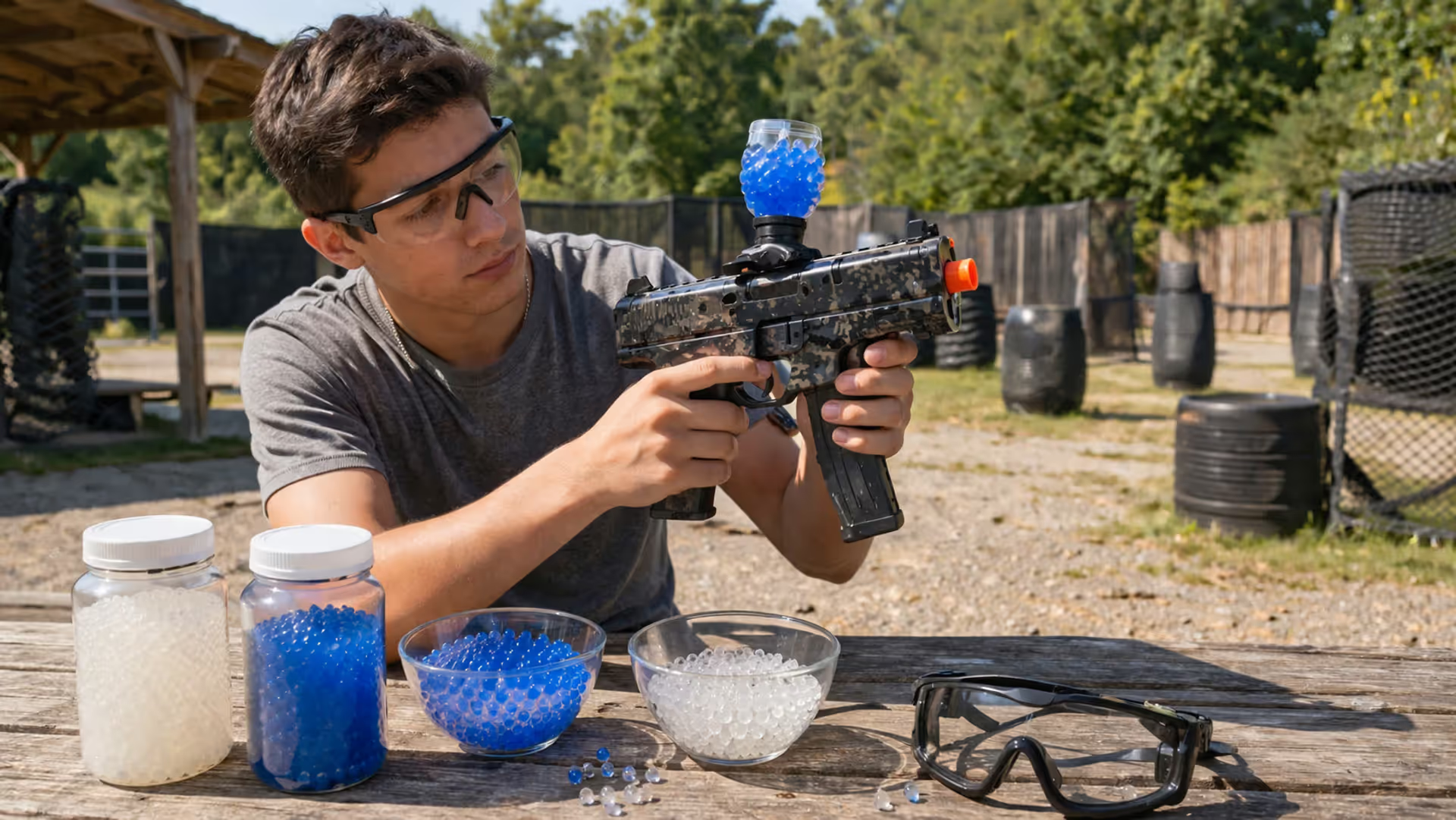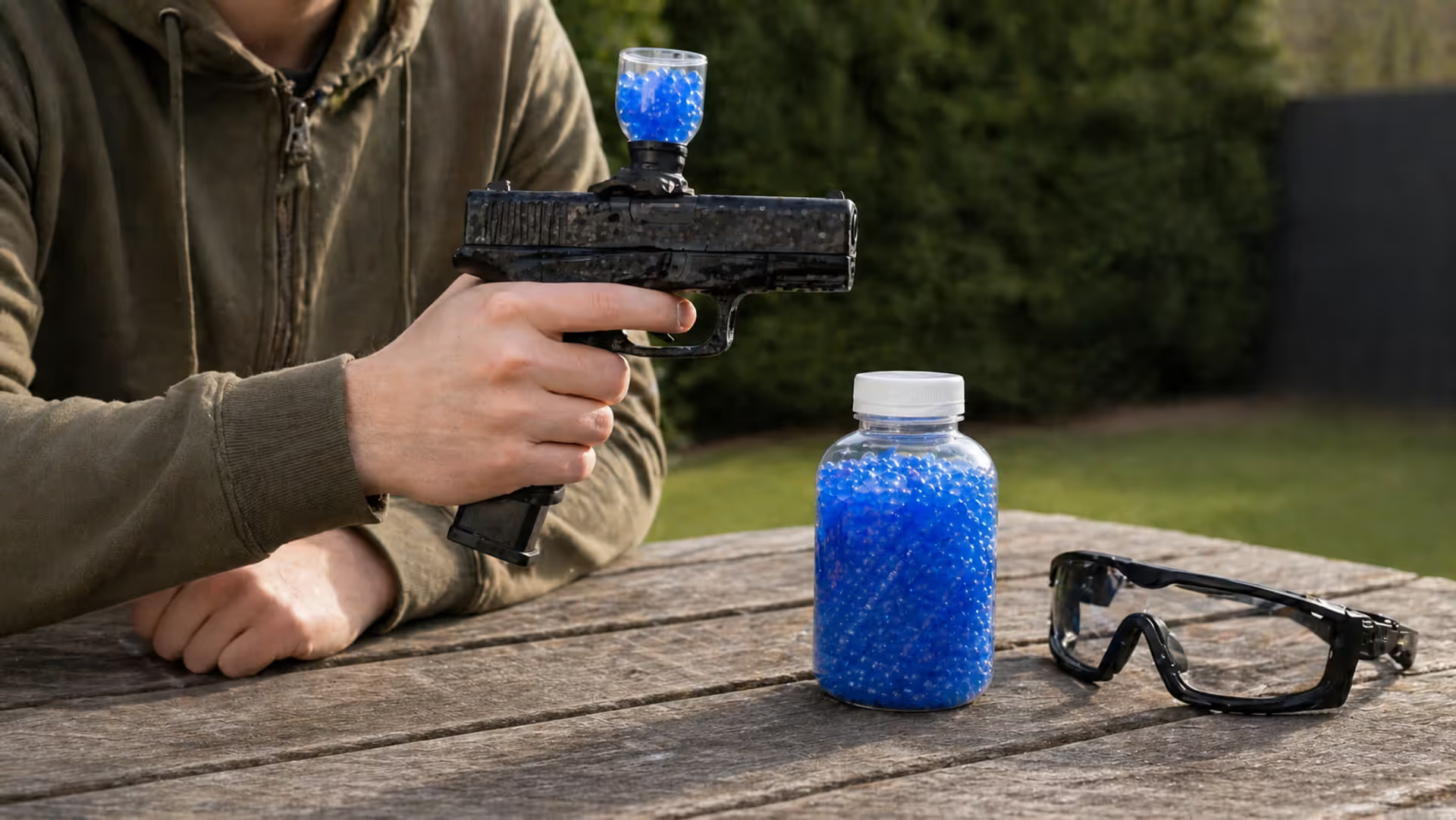
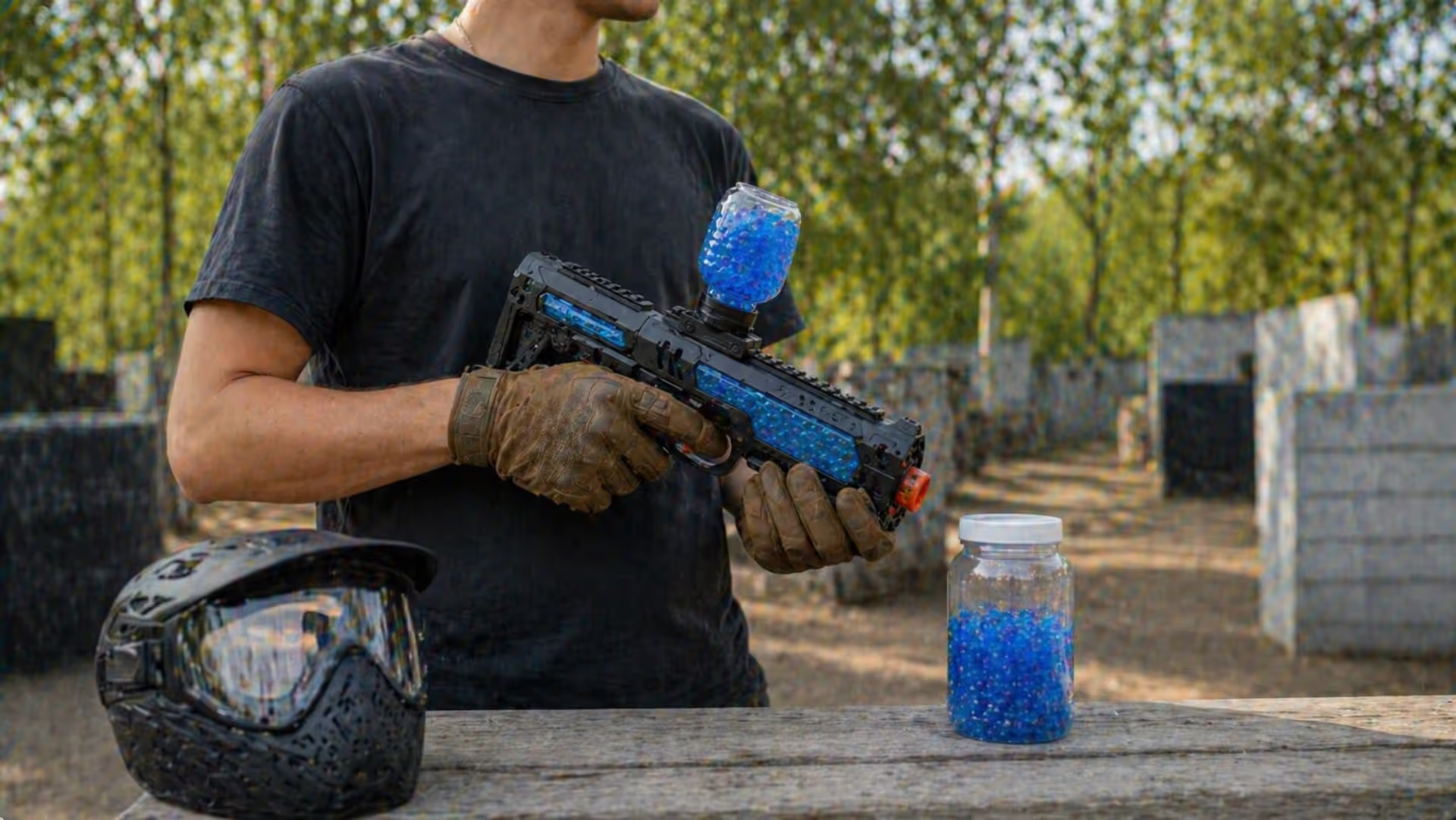
Person holding gel blaster with ammo and safety goggles outdoors
Gel Ball Guide for Blasters and Accessories

Content
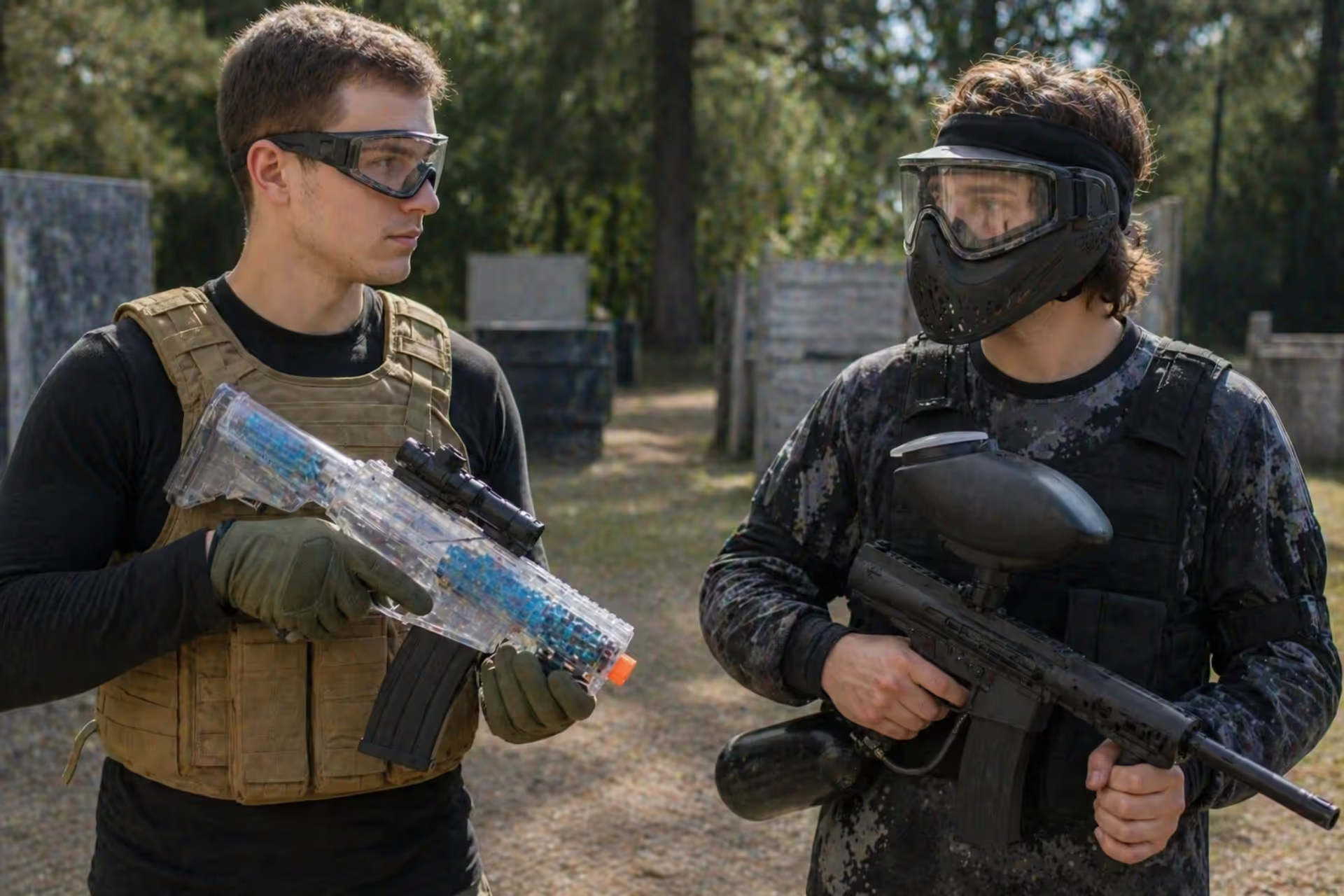
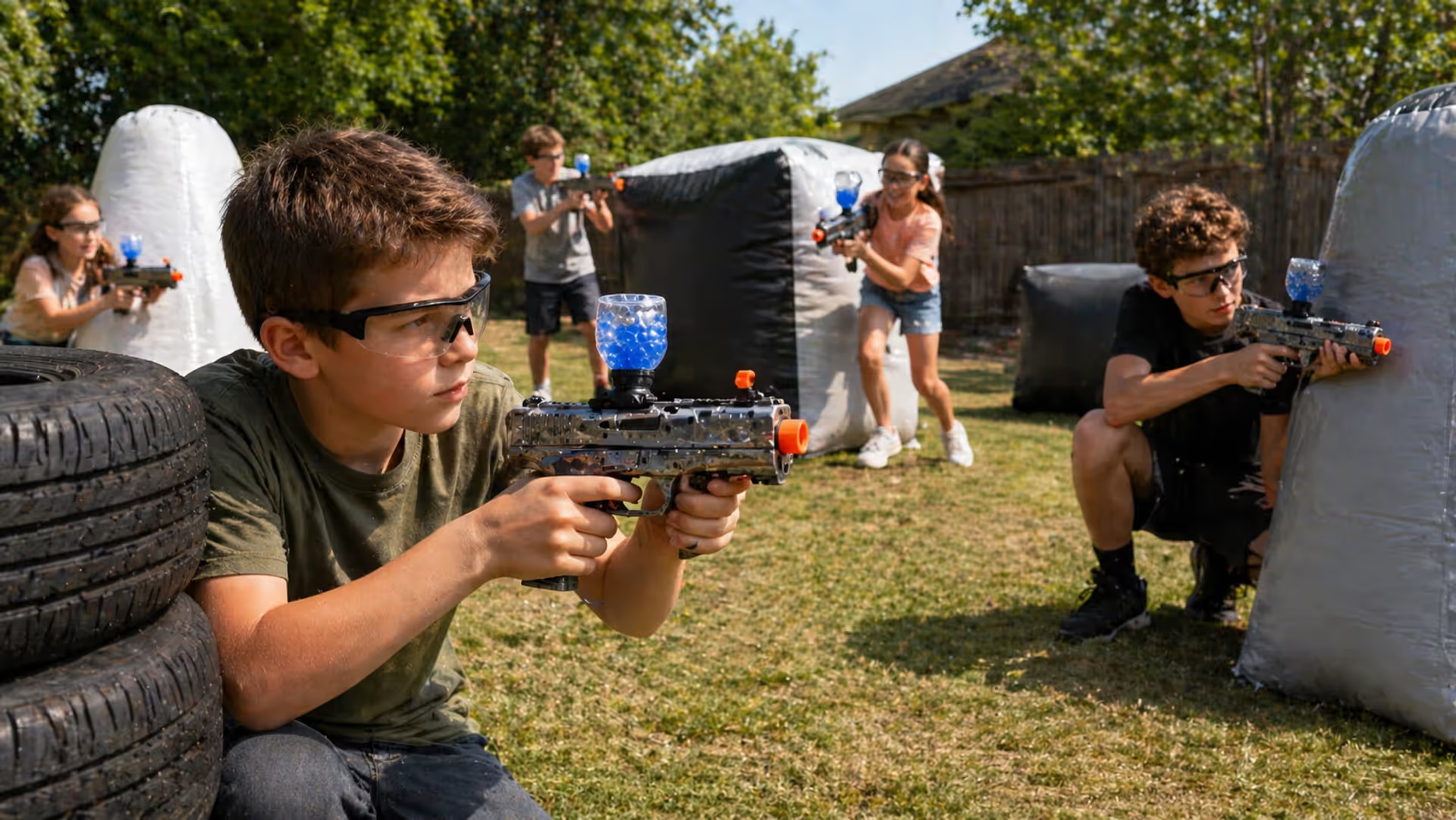
If you've spent any time browsing online communities for backyard shooting sports, you've probably stumbled across gel blasters. They sit somewhere between paintball markers and airsoft guns, firing soft polymer beads that pop on contact and vanish after a few hours in the sun. No paint stains on your fence. No plastic BBs hiding in the grass for your lawnmower to find. Just grab a bucket, soak some rounds, and you're ready to plink targets or run a Saturday-afternoon skirmish with friends.
The learning curve isn't steep, but a few details separate smooth gameplay from constant jams and weak shots. Let's walk through what these gel balls actually are, which blasters suit different play styles, and how to keep everything running without wasting money on bad upgrades.
What Are Gel Balls and How Do They Work
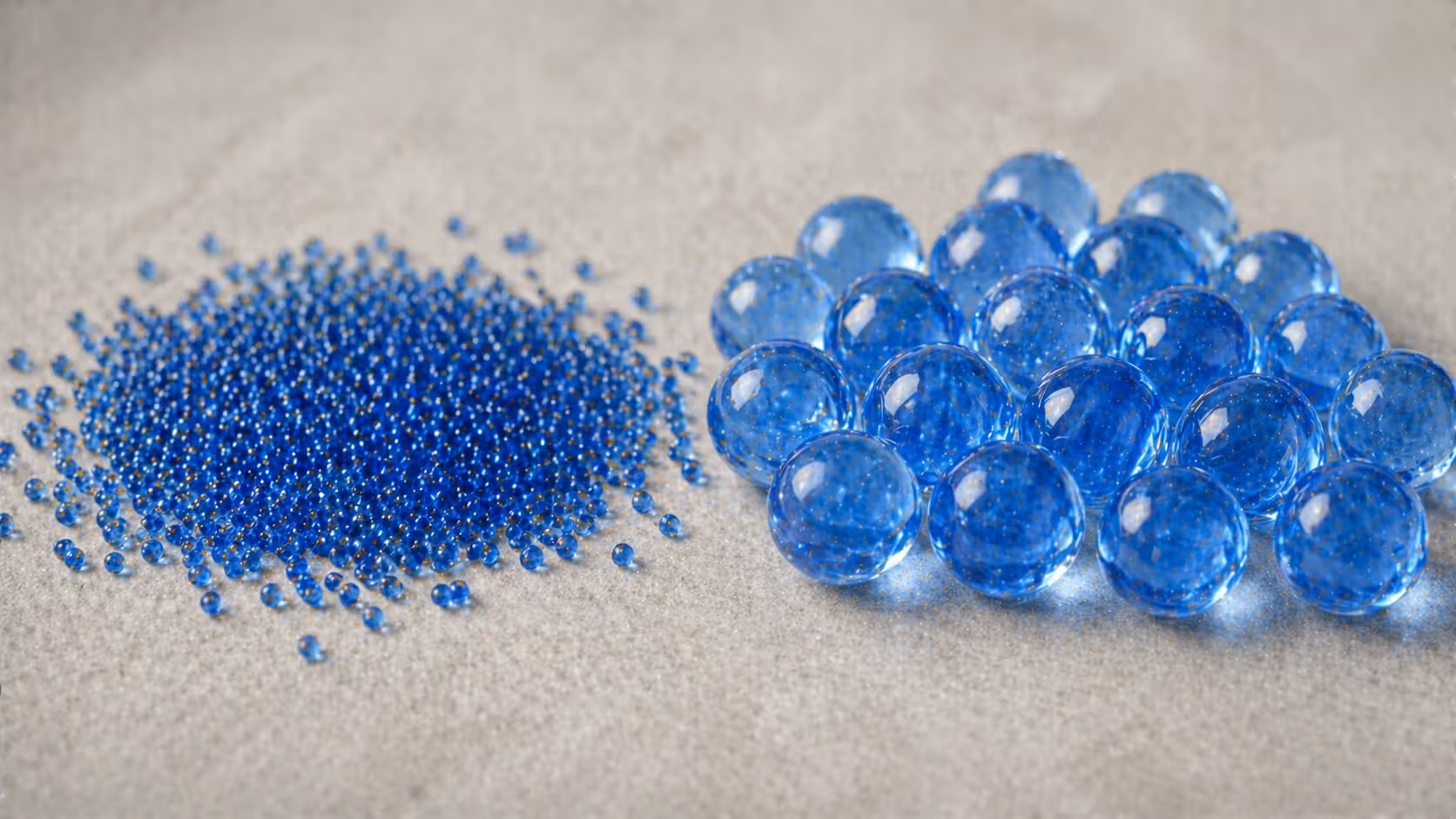
Search "gelo ball" and you'll land on listings for tiny dehydrated beads—usually sold by the 10,000-count bag. Straight out of the package, they're hard pellets about the size of a peppercorn, maybe 7 mm across. Toss them in a bowl of tap water for three or four hours and they blow up like magic trick sponges, landing around 7.5–8 mm in diameter. That's the sweet spot where they're squishy enough to burst on a T-shirt but firm enough to cycle through a magazine without crumbling.
The magic ingredient is sodium polyacrylate—the same superabsorbent polymer companies pack into baby diapers and those moisture crystals gardeners mix into potting soil. Non-toxic, safe if a dog eats one (though it'll swell in their stomach, so don't let them snack on the bucket). Leave spent gel balls on dirt and they'll break down in a month or two, unlike airsoft BBs that stick around for decades.
Physics-wise, a gel ball leaving the barrel at 250 feet per second stings like a firm finger flick—noticeable on bare arms, barely felt through a hoodie. Hit a wall and it explodes into watery shrapnel that dries to dust by lunchtime. Still, you need eye protection. A direct hit to an unprotected eyeball can scratch the cornea or worse, even at "low" velocity.
Author: Logan Mercer;
Source: lakestaytents.com
Types of Gel Blasters That Use Gel Balls
Walk into any gel blaster shop (or browse the usual online retailers) and you'll see everything from $40 spring-powered pistols to $400 electric replicas of squad automatic weapons. Spring models need a manual cock between shots—fine for teaching a ten-year-old trigger discipline, less fun when you're trying to suppress opponents in a backyard CTF match. Most players graduate to electric blasters within a month. These run on rechargable LiPo batteries and spit out 15–25 rounds per second on full-auto, clocking 220–260 feet per second on the chronograph.
Then there's the wild end of the spectrum: gel blaster minigun builds that feed from 5,000-round hoppers and drain a battery in five minutes of continuous fire. Completely impractical. Absolutely hilarious. Perfect for defending the "castle" in king-of-the-hill scenarios.
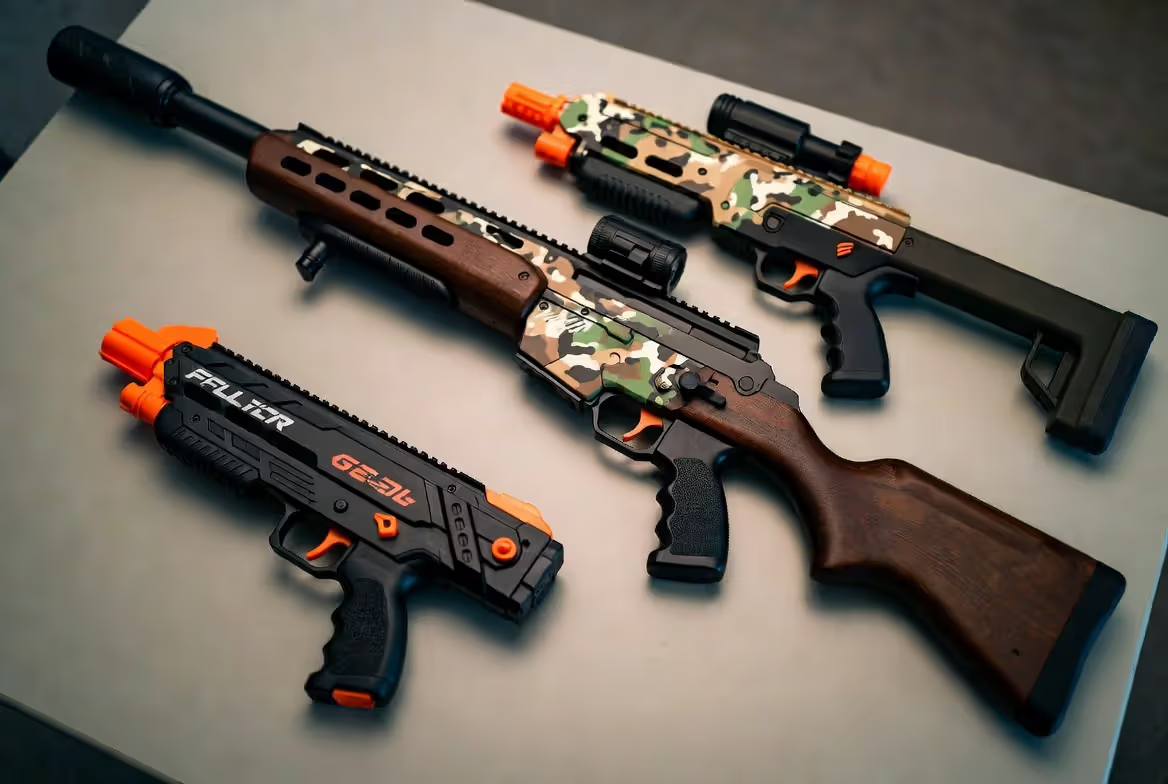
Color choices exploded over the past two years. A blue gel blaster stands out during team games—easier to spot your squadmates in heavy brush. Some cities require bright colors on replica guns, so a gel blaster orange keeps you compliant without looking like you're carrying actual hardware. Milsim enthusiasts prefer a gel blaster green to match woodland camo, and custom Cerakote shops will coat your receiver in everything from titanium blue to splatter-camo pink.
Author: Logan Mercer;
Source: lakestaytents.com
Electric vs CO2 Gel Blasters
Electric blasters dominate because they're dead simple. Charge a 7.4V or 11.1V LiPo, click it into the stock, and you're good for 3,000+ rounds before swapping batteries. Want faster trigger response? Drop in an 11.1V pack. Want a higher rate of fire? Swap the motor. The gearbox does get loud—high-pitched whirring that carries across a field—but that's the price of convenience.
CO2 gel blasters run on 12-gram cartridges or bulk CO2 tanks, the same setup you'd find in a paintball marker. Every trigger pull releases a puff of gas to shove the gel ball downrange. Benefits: crisper recoil impulse, more consistent velocity in cold weather (electric motors hate freezing temps), and a mechanical "crack" instead of a motor whine. Downsides: you're buying cartridges every few hundred shots, and you need to vent leftover gas before cracking open the blaster for maintenance. They're also loud—neighbors three houses down will hear you plinking cans.
High-Performance Models (300 FPS and Above)
A 300 fps gel blaster pushes the edge of what's safe for casual backyard use. You're talking upgraded spring sets rated around 1.3 joules, stainless or brass barrels, reinforced gearboxes, and tuned hop-up units. Effective range jumps to 90 feet with quality ammo, versus 50 feet for stock models. But most organized fields cap velocity at 250 fps to avoid welts, so double-check event rules before you invest $300 in a high-powered build.
Getting stable performance above 280 fps means chasing air-seal gremlins: piston-head O-rings, cylinder-to-nozzle fit, hop-up bucking durometer. A sloppy seal wastes half your air pressure and sends velocity readings all over the map—230 fps one shot, 290 the next. Some builders swap plastic pistons for polycarbonate or aluminum, but metal pistons can crack gearbox shells if your shimming is off. Plenty of experienced techs won't touch metal pistons for exactly that reason.
Essential Gel Blaster Accessories
You can technically run a blaster with nothing but the gun and a bag of gel balls, but you'll have a miserable time. Here's what actually matters.
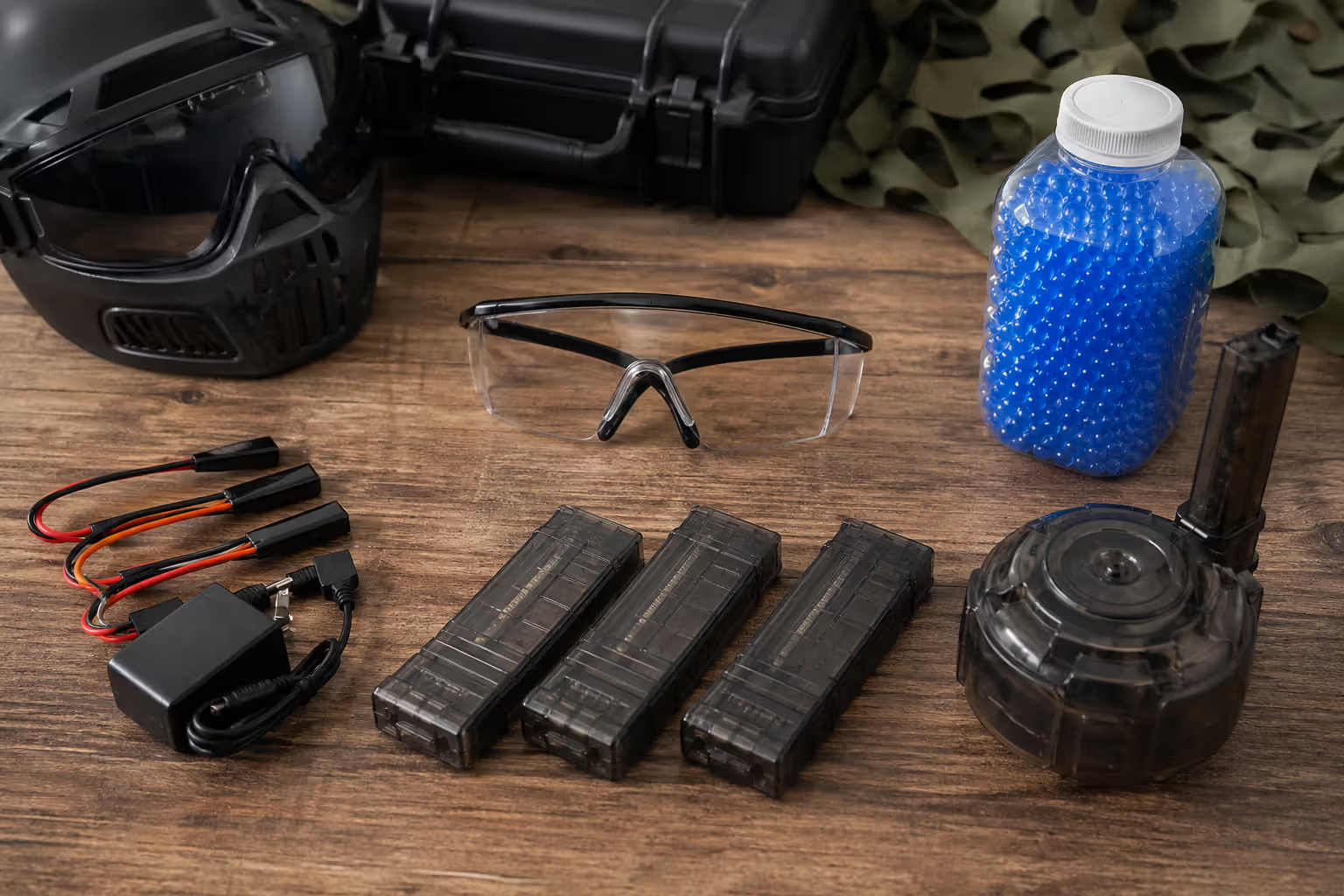
Eye protection isn't negotiable. ANSI Z87.1 goggles or a full-face mask. Mesh lower guards look cool but won't stop a 300-fps round if the holes are too big. Seen too many guys lose a tooth because they thought mesh was "good enough."
Magazines and hoppers control how often you're ducking behind cover to reload. Stick mags hold 100–150 rounds and fit inside the magwell like a rifle magazine. Drum mags pack 800–1,500 gel balls—great for support gunners or those ridiculous gel blaster minigun setups that eat ammo like candy. Gravity hoppers sit on top of the receiver and use a battery-powered agitator to funnel rounds into the breech. They look goofy but keep you in the fight longer.
A gel blaster bucket—just a five-gallon food-safe container with a snap lid—pulls double duty. Soak your ammo in it, then seal it up and haul it to the field. Some players drill a hole in the lid, stick a PVC pipe through, and turn the whole thing into a gravity-fed loading station. No more scooping wet gel balls with a solo cup.
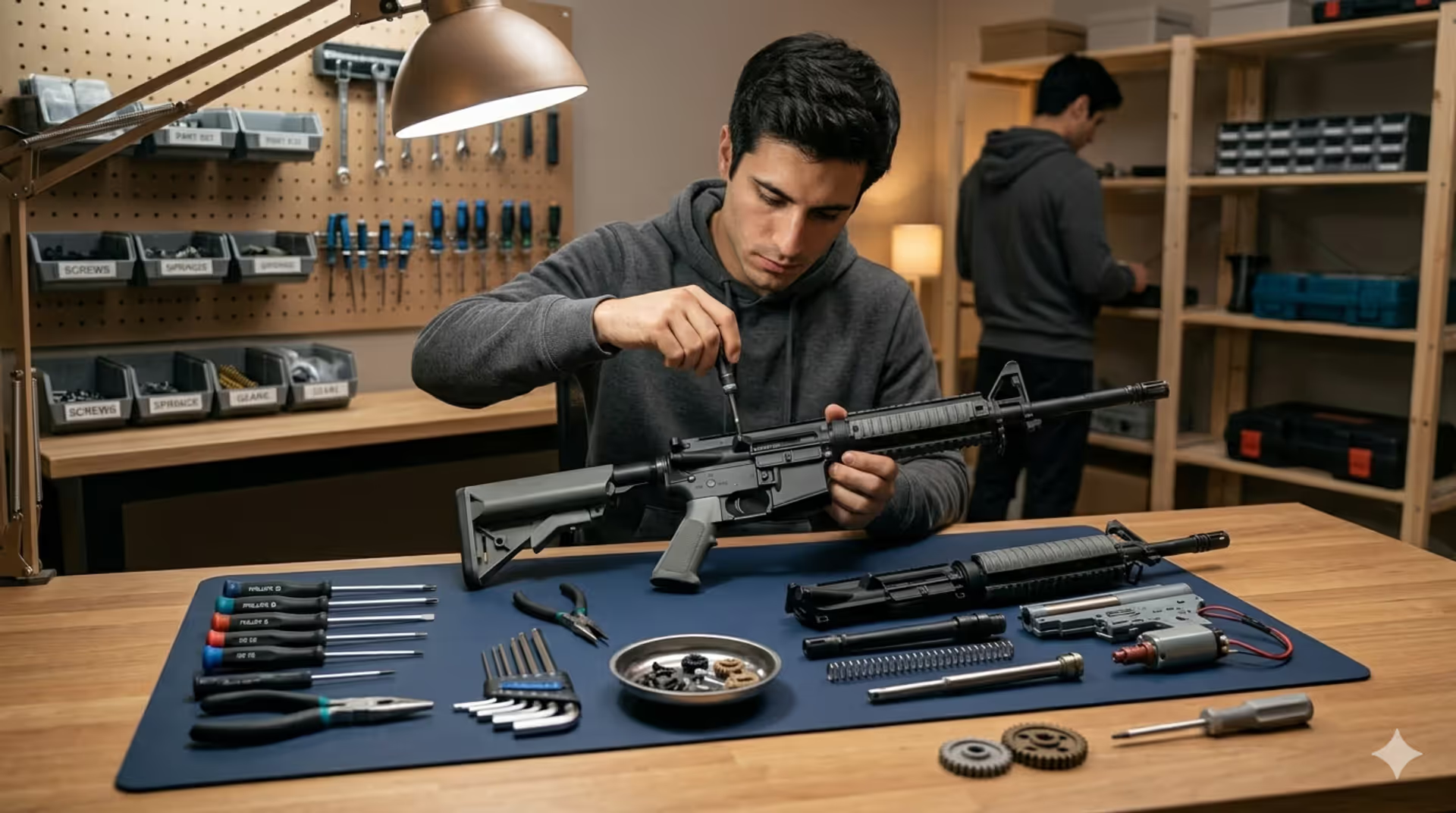
Other useful gear:
- Spare LiPo batteries: They lose capacity after a couple hundred cycles. Keep two or three in rotation.
- Speed loaders: Spring-loaded tubes that dump 15 rounds into a magazine in two seconds.
- Barrel cleaning rods: Polymer residue gunks up the bore and kills accuracy after a few thousand rounds.
- Two-point slings: Free your hands during breaks without setting the blaster in the dirt.
Author: Logan Mercer;
Source: lakestaytents.com
How to Choose a Strong Gel Blaster
"Strong" means different things to different people. If you want durability, skip blasters with ABS plastic receivers—they crack when dropped and warp if left in a hot car. Nylon-reinforced polymer flexes under impact and bounces back. CNC-machined aluminum costs more but laughs off abuse.
FPS gets all the attention, but consistency matters more. A strong gel blaster holds ±5 fps across ten consecutive shots. Cheap models swing ±20 fps because the air seal is garbage, and those velocity spikes turn into wild fliers that miss a torso-sized target at 40 feet.
Customization potential separates platforms that grow with you from dead-end purchases. Blasters built around Version 2 or Version 3 gearboxes have a huge aftermarket: drop-in MOSFET boards, high-torque motors, precision barrels, CNC hop-up chambers. Proprietary designs lock you into whatever the manufacturer decides to stock—and if that company folds, you're stuck with a parts orphan.
Brand reputation correlates with parts availability and customer support. Established names test their batches and honor warranties when a gearbox grenades itself. Fly-by-night Amazon sellers rebrand the same Chinese OEM blaster under twenty different labels, so good luck finding replacement gears nine months later.
Price doesn't always predict performance. A $180 blaster with metal gears and a programmable MOSFET can outshoot a $260 model that blew half its budget on licensed trademarks and flashy externals. Read teardown reviews, watch chronograph tests, ask forum veterans.
Custom Gel Blaster Modifications
Mods break down into three buckets: looks, ergonomics, and raw performance.
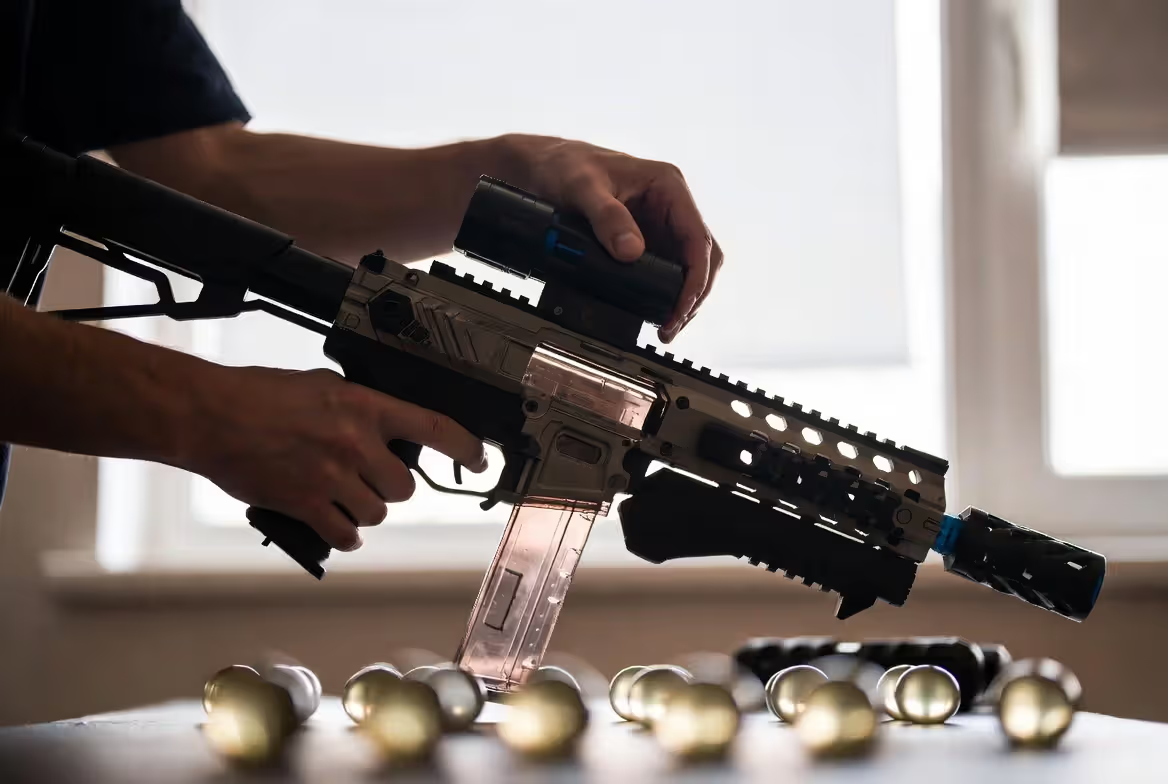
Cosmetic tweaks include rail covers, aftermarket grips, fake suppressors, and custom paint. Hydro-dipping uses water-transfer film to apply carbon-fiber or digital-camo patterns. Cerakote ceramic coating resists chips better than rattle-can paint and comes in hundreds of colors. Some folks 3D-print unique handguards or cheek risers, though printed parts crack under recoil stress unless you embed threaded inserts.
Ergonomic upgrades make the blaster fit your hands without touching the guts. Pistol grips with steeper angles suit bigger hands. Adjustable stocks let you dial in length-of-pull. Ambidextrous charging handles and mag releases help left-handed shooters.
Performance tuning chases velocity, accuracy, and rate-of-fire. Common swaps:
- High-torque motors: Pull heavier springs without bogging down.
- Steel-tooth pistons: Won't strip like plastic under stress.
- Tight-bore barrels: 7.3–7.4 mm inner diameter reduces air bypass around the gel ball.
- Flat-hop or R-hop buckings: Apply backspin more evenly, stretching effective range.
- 11.1V LiPo batteries: Faster cycle speed, but you need a MOSFET to protect trigger contacts from arcing.
Before you wrench on anything, check your local laws. Some states classify gel blasters as firearms. Others require bright orange barrel tips. A handful ban them outright. A custom gel blaster that's perfectly legal in Nevada might get you arrested in New York City. Research state statutes and municipal codes, especially if you're traveling to an event.
Author: Logan Mercer;
Source: lakestaytents.com
Gel Ball Storage and Preparation Tips
| Power Type | FPS Range | Ease of Customization | Maintenance Needs | Typical Price |
| Spring | 120–180 | Limited | Almost none | $30–$80 |
| Electric | 200–280 | Extensive | Moderate | $100–$350 |
| CO2 | 250–320 | Moderate | Moderate to high | $150–$400 |
Table: Gel Blaster Power System Comparison
Hydration technique makes or breaks your day. Dump dry gel balls into a clean container—preferably a gel blaster bucket with a lid—and cover them with room-temp tap water. Distilled water works but won't improve anything for recreational use. Let them sit three to four hours, stirring once or twice to prevent clumping. Fully hydrated rounds feel firm when you squeeze gently. Under-soaked beads collapse in the barrel and jam the feed mechanism.
Hydrated gel balls stay usable five to seven days in a sealed container. After that they get slimy and soft as bacteria colonize the water. Adding a capful of white vinegar or a pinch of salt slows microbial growth, but you're only buying an extra day or two.
Drain excess water before loading mags. Waterlogged balls swell past spec and wedge in feed lips. Spread them on a towel for ten minutes to surface-dry, then dump them into magazines or hoppers. Never leave hydrated gel balls in direct sunlight—UV exposure breaks down the polymer and causes premature bursting mid-air.
Leftover gel balls can go in your compost bin or get scattered in garden beds, where they release water slowly and decompose in a few weeks. Don't flush them down a toilet unless you want to explain to a plumber why your trap is packed with swollen polymer beads.
Gel blasters are a blast—pun intended—but safety discipline is what keeps this hobby alive. Chronograph every build, enforce eye-pro rules without exception, and treat your blaster like a real firearm when you're anywhere near public spaces. One idiot waving a replica around gets laws passed that hurt everyone.
— Marcus Chen, Lead Safety Instructor
Frequently Asked Questions About Gel Balls
Gel blasters carve out a sweet spot between casual plinking and full-contact airsoft. Understanding how gel balls hydrate, picking a platform that matches your goals, and stocking the right gel blaster accessories sets you up for years of weekend fun. Maybe you're drawn to the mechanical satisfaction of tuning a custom gel blaster, or you just want to spray a hillside with a gel blaster minigun while your friends laugh at the absurdity. Either way, attention to detail—proper ammo storage, regular chronograph checks, respect for local regs—keeps the hobby sustainable and safe. Take care of your gear, play smart, and the gel blaster community will keep growing across the US.