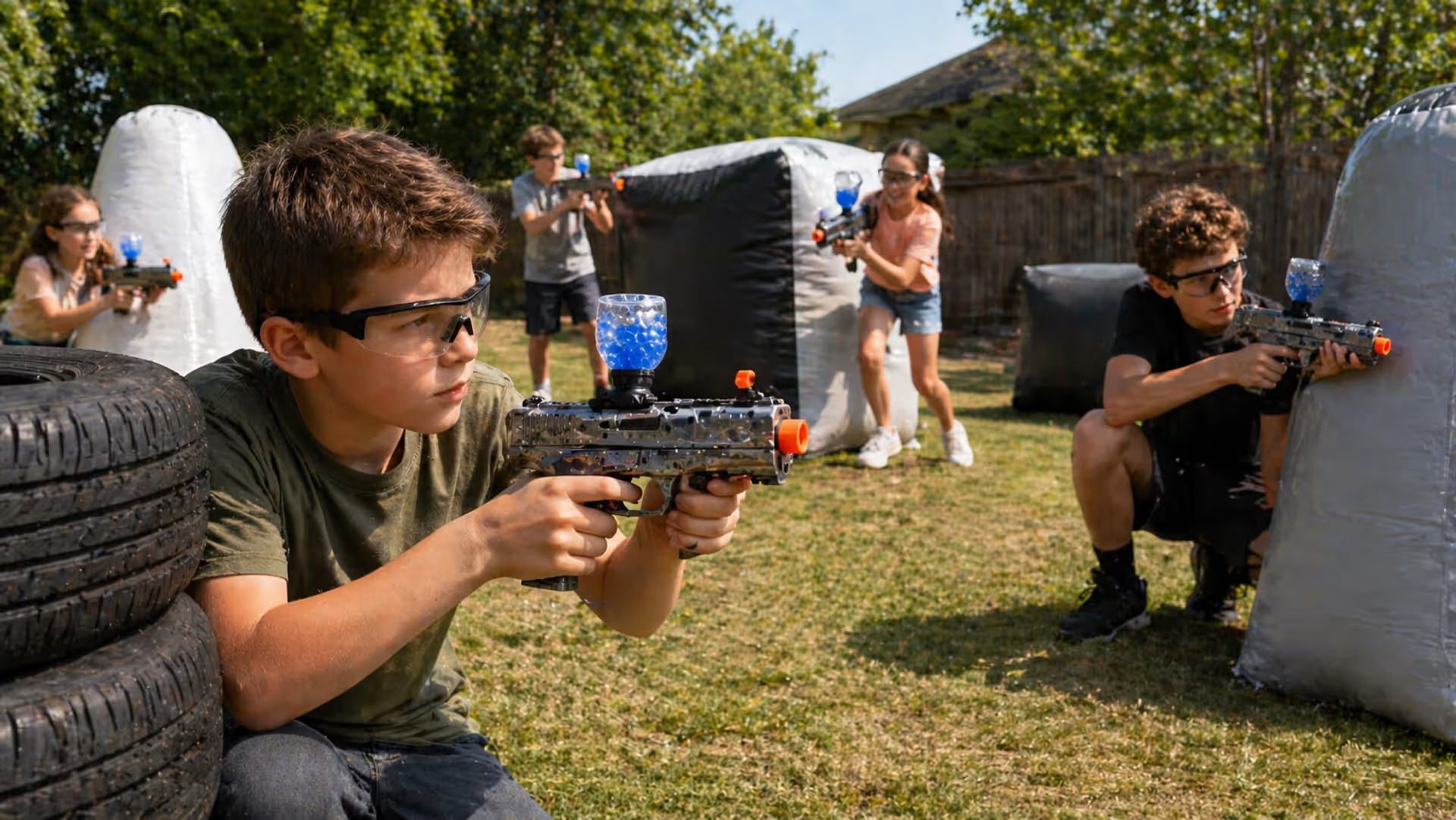
Kids and teens playing splatter ball game outdoors with protective goggles
Splatter Ball Gun Guide

Content
If you've seen kids and adults running around backyards with colorful blasters in 2025 and 2026, you've witnessed the splatter ball gun explosion firsthand. These gel-firing toys have replaced paintball setups in countless American homes because nobody wants orange paint stains on their fence anymore. Shopping for one? You'll find everything from $20 pocket pistols to $180 competition-grade rifles that'll make your neighbor's kid jealous.
What Is a Splatter Ball Gun and How Does It Work
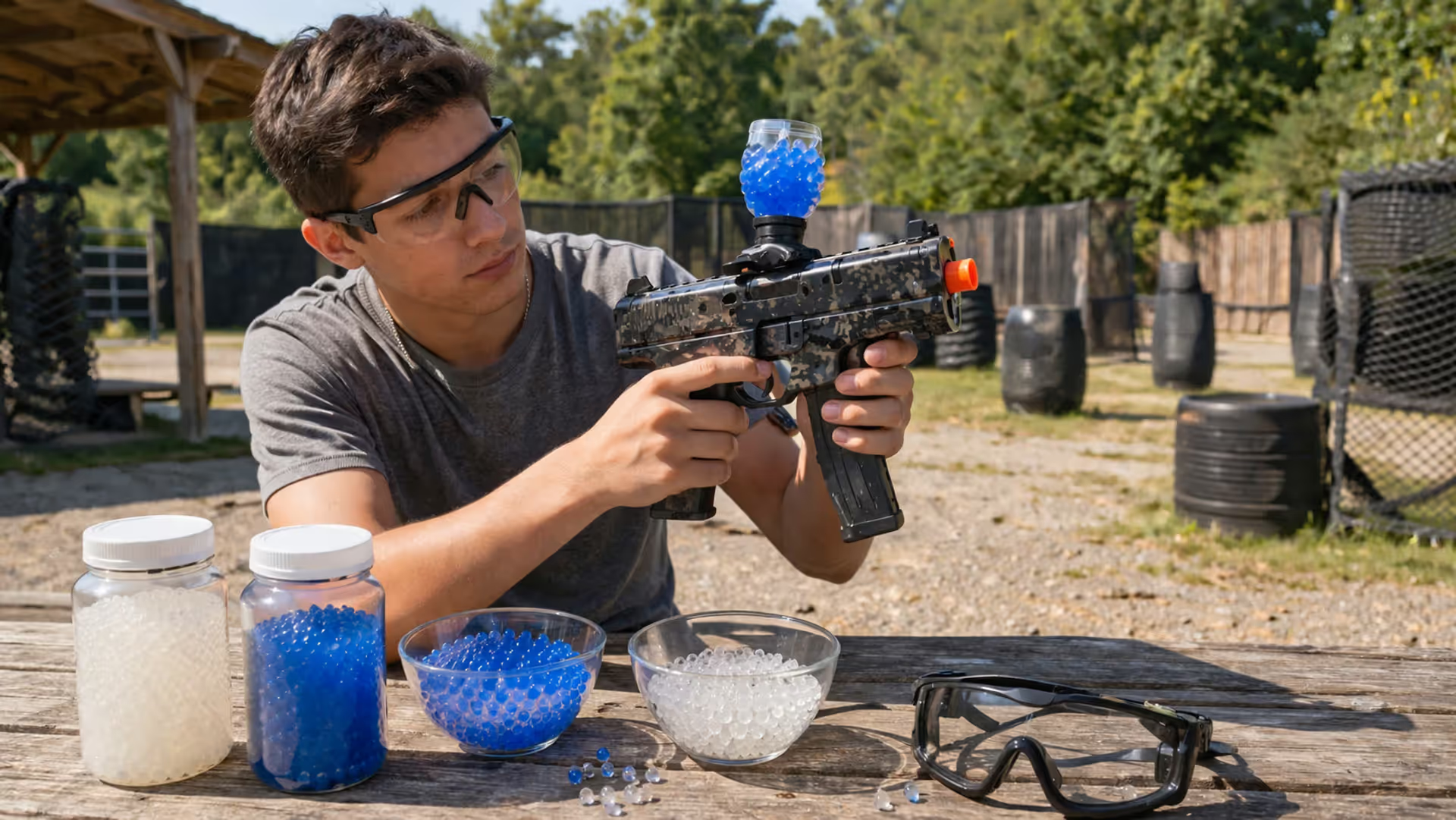
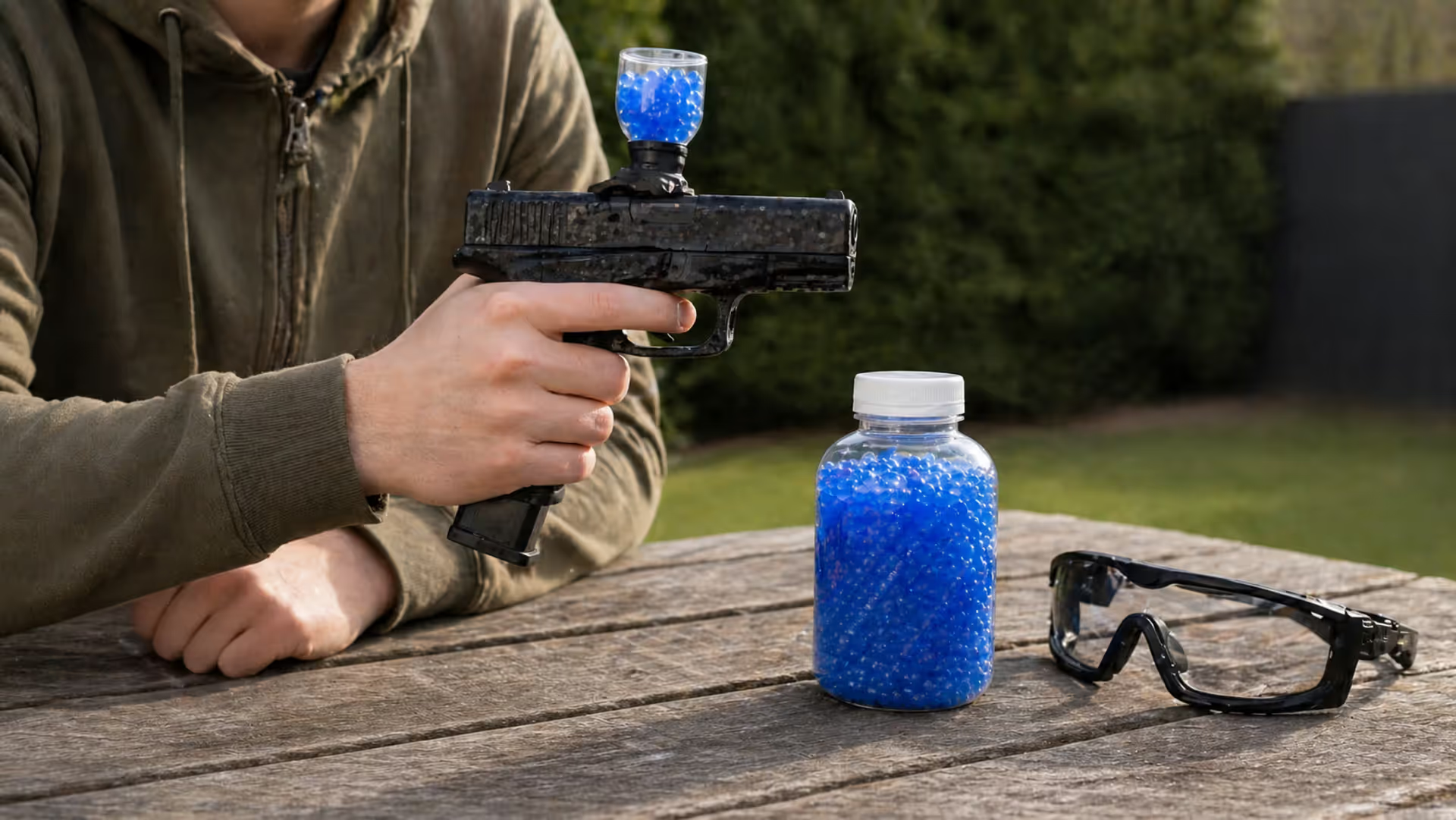
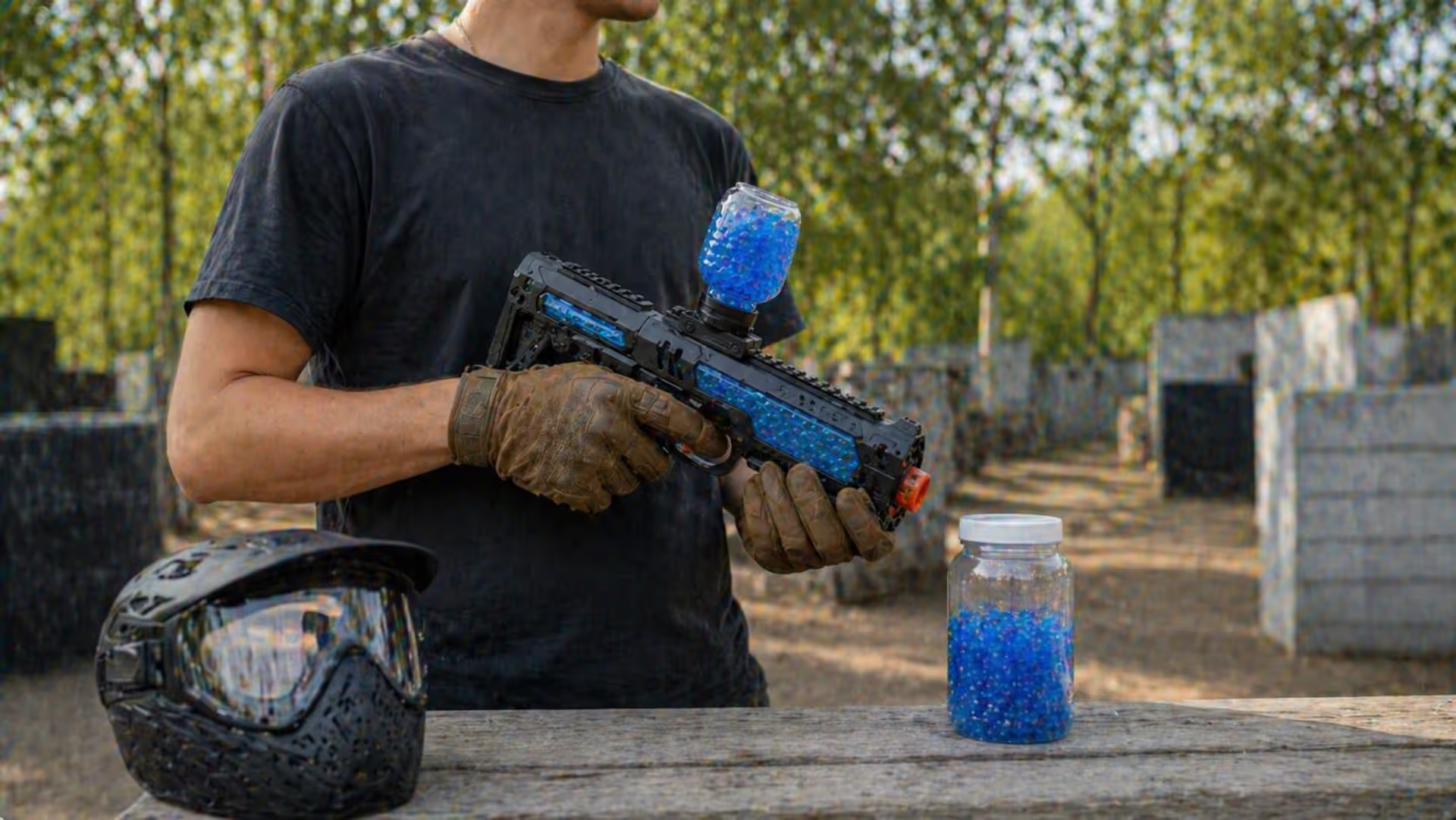
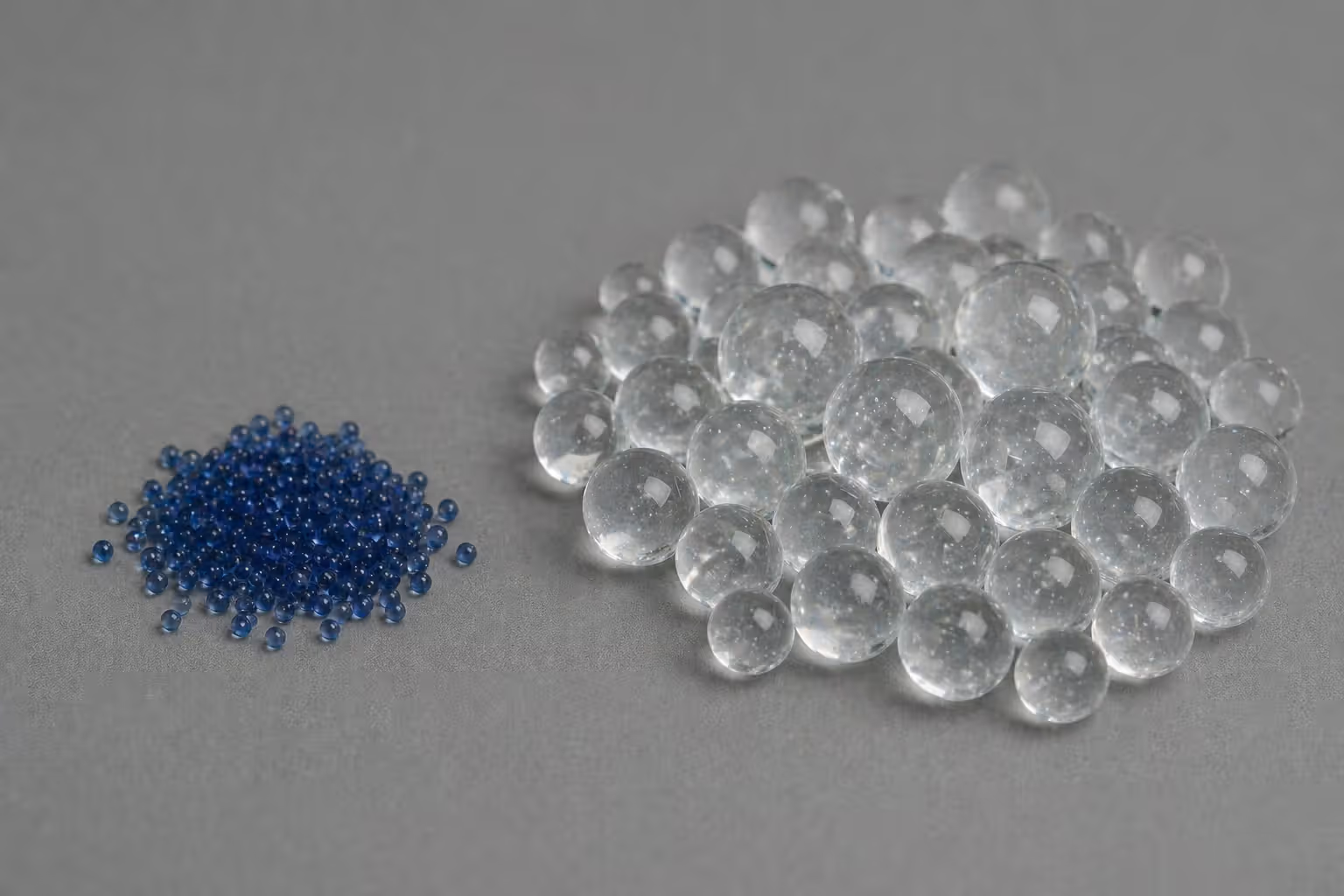
Think of these as water balloon launchers that actually hit their target. A splatter ball gun shoots small gel beads that start life as rock-hard polymer pellets about the size of peppercorns. Soak them in water for 3-4 hours, and they'll swell to roughly 7.5-8mm—just big enough to feel a hit through a t-shirt without leaving a bruise.
Two power systems dominate the market. Battery-powered blasters use small electric motors connected to gearboxes. Pull the trigger, the motor spins, gears compress air, and your gel ball flies out at anywhere from 120 to 280 feet per second. Spring-loaded models work more like a slingshot—you manually cock the action before each shot, which stores energy in a compressed spring.
Here's what makes gel balls different from airsoft BBs or paintballs: they pop on contact and basically disappear. The water evaporates in 10-15 minutes depending on humidity. You're not scraping dried paint off your deck or sweeping up thousands of plastic pellets. The gel composition breaks down naturally, though you shouldn't let pets eat handfuls of the dry beads before you hydrate them.
Most current gel splatter gun models include hop-up units—little rubber buckings inside the barrel that put backspin on each shot. This keeps projectiles flying straighter instead of dropping like sad water balloons after 20 feet. Newer 2026 releases have wider magazine feed lips that tolerate slightly over-soaked ammunition, fixing the jamming nightmares that plagued 2023-2024 models.
Author: Logan Mercer;
Source: lakestaytents.com
Types of Splatter Ball Guns Available
Pistol Models
The splatter ball gun pistol category covers anything you can comfortably shoot one-handed. Most hold 15-30 rounds in stick mags that slot into the grip just like real handguns. You're looking at 120-180 FPS on these—enough pop to feel through a hoodie, not enough to leave marks on bare skin.
Pistols shine during indoor arena matches or when you're playing in tight spaces like basements and garages. Weighing under a pound, even my 9-year-old nephew can handle his for a full afternoon without complaining about tired arms. The catch? Accuracy falls apart past 35-40 feet. Gel balls start tumbling and curving like knuckleballs.
Battery life runs 300-500 rounds per charge on electric pistols. That sounds like a lot until you're in the middle of a 15-minute backyard war and your blaster dies. Smart players keep a second battery charged or carry pre-loaded backup magazines.
Rifle and Automatic Models
Full-length rifles measure 24-32 inches and completely change your range game. These typically run 180-250 FPS, with premium builds pushing 280. That extra velocity means you're accurately hitting targets 60-80 feet away—far enough to actually use outdoor fields properly.
Shoulder stocks make a massive difference for aim stability. Try hitting anything past 40 feet with just your arms extended. Now brace it against your shoulder. Suddenly you're landing three out of five shots instead of praying and spraying.
Full-auto modes drain ammunition fast—10 to 15 gel balls per second will empty a 300-round magazine in 20 seconds if you hold the trigger down. Battery capacity scales up to match. Expect 2,000-5,000 shots before you need to recharge. Charge times vary wildly. Cheap NiMH batteries take 3-4 hours. Modern LiPo packs charge in 90 minutes and last way longer before degrading.
Drum-Fed Options
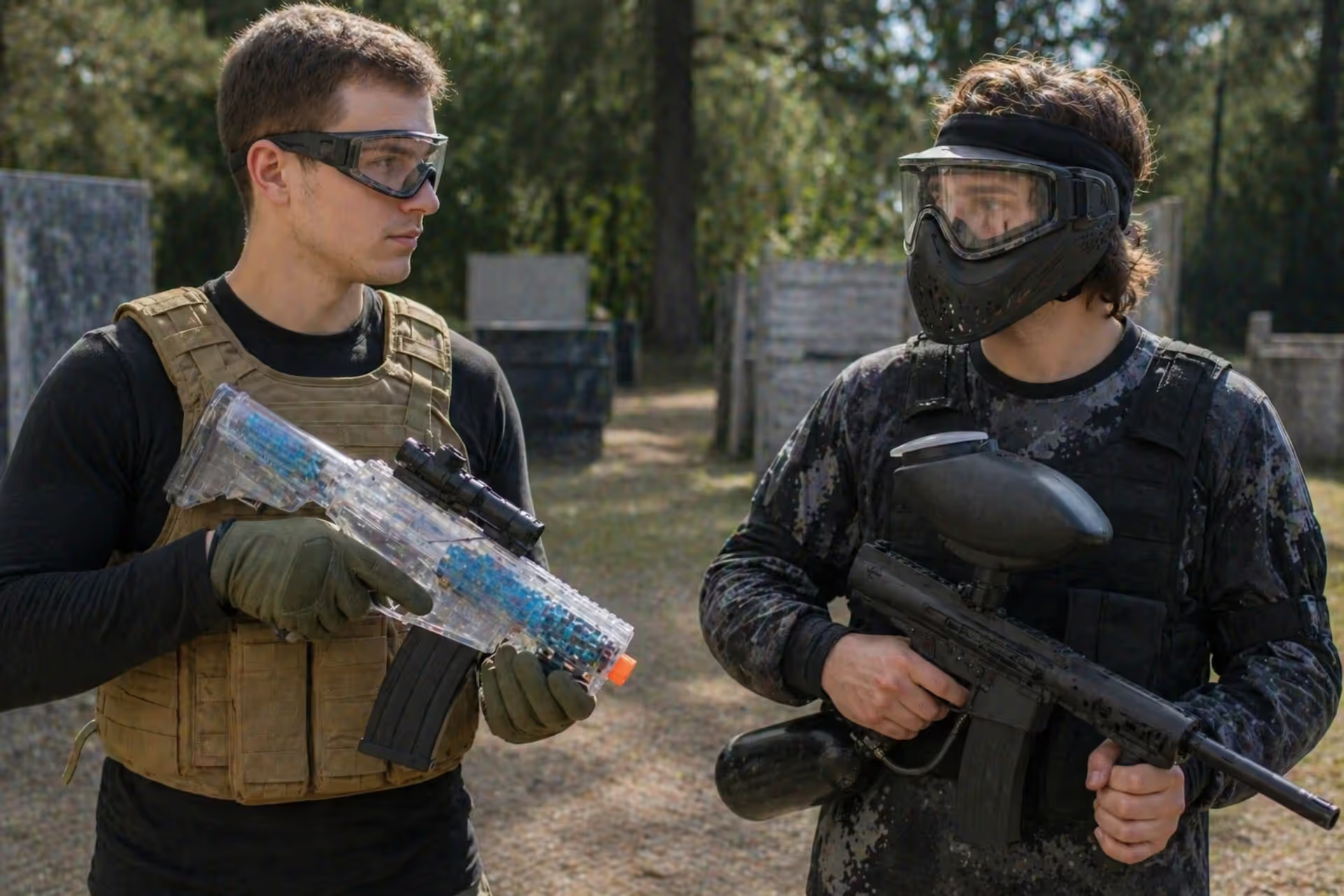
Strap a 600-round drum magazine under your rifle and watch opponents think twice about rushing your position. A splatter ball gun with drum capacity fundamentally changes gameplay from run-and-gun to suppressive fire tactics.
The downsides? Weight and complexity. Drums add 1.5-2 pounds when fully loaded, which murders your mobility. Your arms will know you've been playing after an hour. Motorized drums feed more reliably but need their own battery power. Spring-loaded versions are simpler and lighter but jam if gel balls swell even slightly beyond spec.
I've seen spring-fed drums work flawlessly for months, then suddenly start choking on ammunition because humidity changed how the gel balls absorbed water. Motorized drums cost $30-50 more but eliminate that headache.
How to Choose the Right Splatter Ball Gun
Finding the best splatter ball gun for your situation comes down to matching specs to reality—not just buying whatever looks coolest in the product photos.
Who's using it? Kids 8-10 need pistols or compact SMG-style blasters under 12 ounces. Anything heavier and they'll be dragging it around after 20 minutes. The 150-170 FPS sweet spot delivers enough impact to register hits without tears. Ages 11-14 can handle mid-size carbines and standard rifles. Teenagers 15+ usually want full-size tactical models with adjustable stocks because, let's be honest, they're mimicking what they've seen in games.
Where will you play? Backyard casual battles with younger kids? Stay under 170 FPS and nobody needs more than basic safety glasses. Competitive team matches at outdoor fields? You want 200-250 FPS rifles for the range advantage. Indoor arenas usually cap velocity at 180 FPS—check before buying a hot rod you can't actually use there.
What's your budget look like? You can grab functional pistols for $25-35, but they'll feel cheap because they are. The $50-80 range gets you blasters that'll survive a full season of regular weekend play. Spend $100-150 and you're buying metal gearboxes, better batteries, and furniture that won't crack if you drop it on concrete. Above $150, you're paying for MOSFET electronics, quick-change spring systems, and compatibility with aftermarket upgrade parts.
Magazine capacity matters more than you think. Standard 200-300 round mags work fine for casual play. Competitive players typically run 400-600 round high-caps to stay in the fight longer. Just remember that slapping a 500-round mag on your rifle adds noticeable front-end weight that affects how the blaster balances.
Planning to customize? Look for models with standard 20mm picatinny rails for mounting accessories. Check whether the orange tip is glued or threaded—threaded tips unscrew easily if you want to add barrel extensions or suppressors (purely cosmetic, but they look sick). Some manufacturers void your warranty the second you crack open the gearbox, so read the fine print if you're planning performance mods.
Power and Performance Comparison
Talking about the most powerful splatter ball gun means more than just FPS numbers on a spec sheet. You need velocity, accuracy, and reliable feeding all working together.
FPS breaks down into practical tiers:
- 120-170 FPS (Entry tier): Perfect for elementary school kids and indoor basement battles. Gel balls feel like getting flicked with a rubber band. Effective accuracy range tops out around 40-45 feet before trajectories get wonky.
- 170-230 FPS (Mid-range): The goldilocks zone for ages 12 and up. You'll feel hits through a sweatshirt—similar to a firm snap with a wet towel. Accuracy holds to 55-65 feet, making outdoor play actually viable.
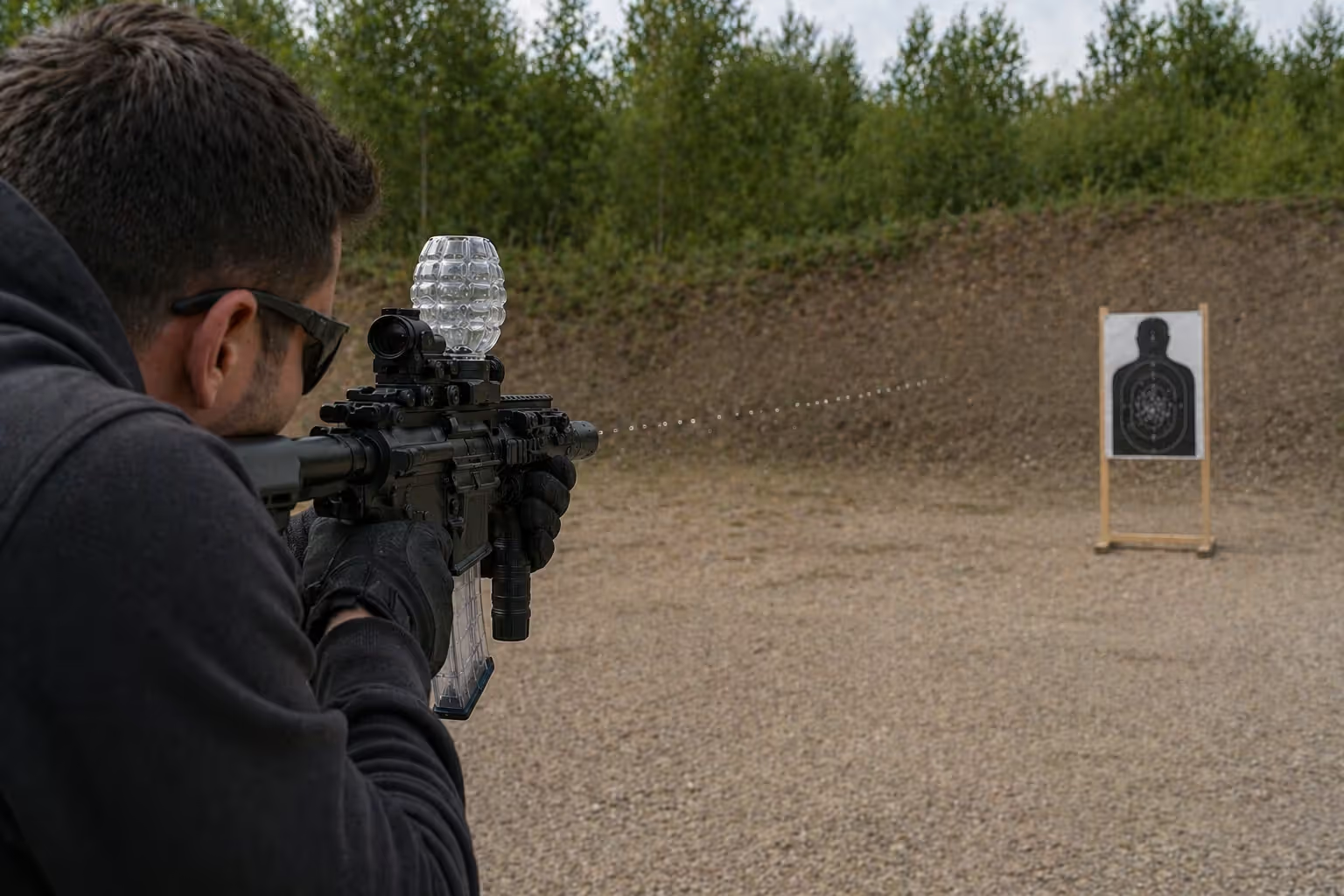
- 230-280 FPS (High-tier): Now we're talking about the strongest splat gun performance you'll find in consumer models. Reserved for players 16+ who understand that eye protection isn't optional anymore. These sting enough to get your attention. Accuracy extends to 75-85 feet in calm conditions.
Author: Logan Mercer;
Source: lakestaytents.com
Battery versus spring power creates different gameplay experiences. Electric blasters deliver consistent velocity and high rates of fire, but you're always watching battery life. Spring-powered models never run out of juice. They shoot in rain, snow, or 100-degree heat without caring. The manual cocking action limits your firing speed though, and your thumb will get tired during long sessions.
Don't assume FPS equals accuracy. I've tested 250 FPS rifles that scattered shots all over a target at 60 feet because the hop-up was garbage. Meanwhile, a well-tuned 200 FPS blaster with a quality barrel and dialed-in backspin was grouping shots consistently at the same distance.
Temperature swings mess with performance more than most casual users realize. Gel balls shrink in dry climates as water evaporates, causing feeding jams. Cold weather below 45°F stiffens the gel and can bog down electric motors. Keep ammunition sealed between sessions and let your blaster warm to room temperature before winter play.
| Power Tier | FPS Range | Accuracy Range | Player Age | Typical Examples |
| Entry-level | 120-170 | 35-45 feet | 8-12 years | Compact pistols, mini SMG styles |
| Mid-range | 170-230 | 50-65 feet | 12-16 years | Standard AEG rifles, full-auto carbines |
| High-performance | 230-280 | 70-85 feet | 16+ years | Upgraded gearbox rifles, DMR builds |
| Competition-spec | 250-280 | 75-90 feet | 18+ years | Custom performance builds, tournament gear |
Customization and Upgrades
The custom splatter ball gun scene has absolutely exploded in the past two years. You can now buy aftermarket parts for popular models that rival airsoft availability.
Cosmetic mods let you make your blaster actually yours. Body kits transform basic M4-style rifles into sci-fi looking space guns or tactical DMRs. Hydro-dipping services charge $40-80 to apply custom camo or graphic wraps to your receiver and furniture. LED strips and tracer units that make gel balls glow in flight run $15-30 and look incredible during night games.
Ergonomic upgrades improve handling without touching performance internals. Adjustable stocks let multiple family members share one blaster comfortably. Angled foregrips ($8-15) reduce wrist strain during extended play sessions—your support hand will thank you after hour two. Quality sling mounts and two-point slings let you go hands-free between engagements instead of setting your rifle down every time you need to grab water.
Red dot sights speed up target acquisition compared to squinting through iron sights. Don't waste money on magnified optics though. Gel ball trajectories arc too much beyond 60 feet for magnification to help.
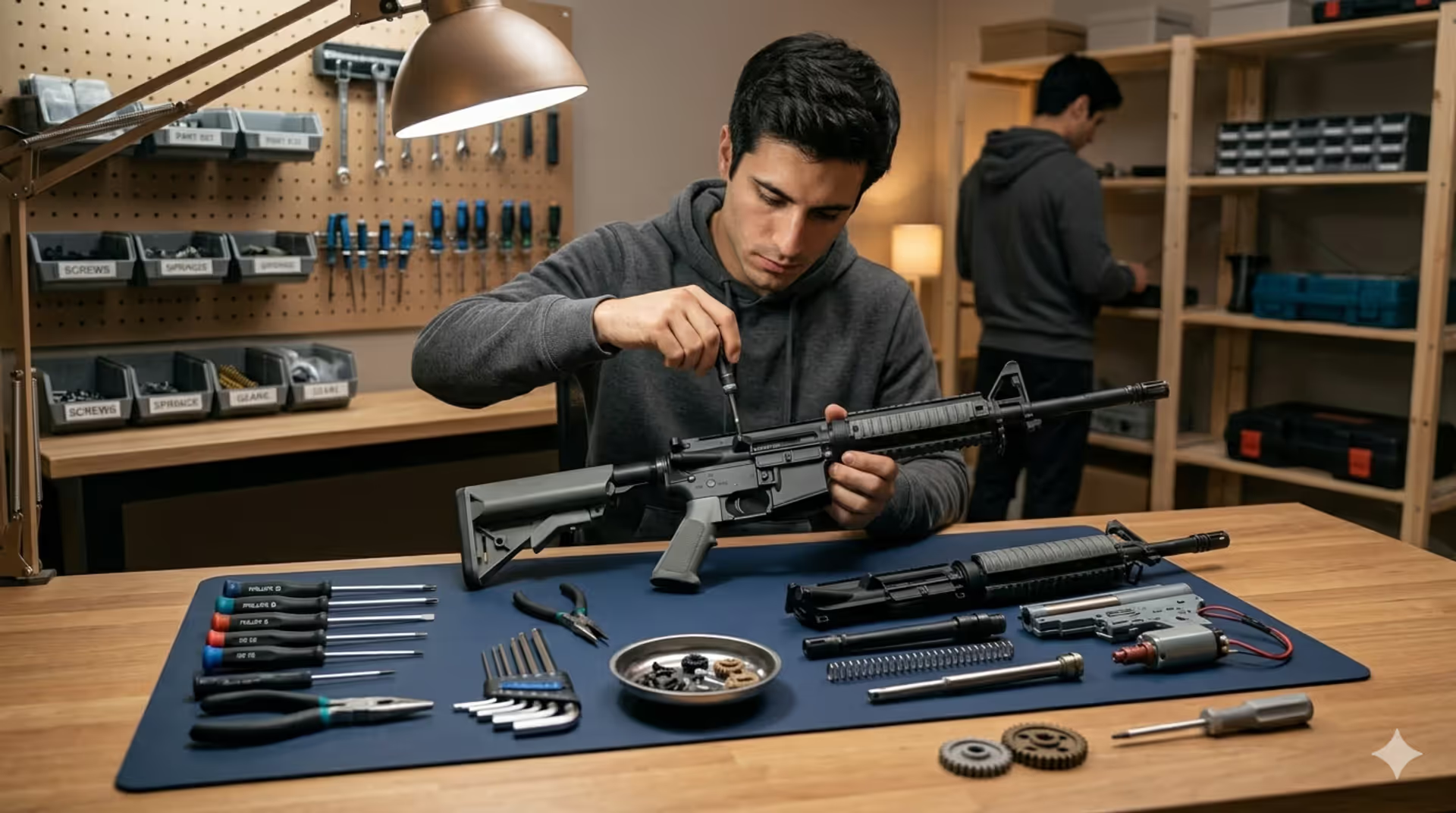
Performance modifications require technical knowledge and void most warranties. Upgraded springs add 20-50 FPS depending on your gearbox's compression limits. Metal gearbox shells replace plastic internals, handling higher-stress springs without cracking. Tight-bore barrels (6.01-6.05mm inner diameter versus stock 6.08mm) reduce air space around gel balls during firing, improving consistency.
High-torque motors deliver snappier trigger response and support higher rates of fire without bogging down. MOSFET units protect electrical contacts from arcing damage during full-auto—your trigger contacts will last 50,000+ rounds instead of degrading after 10,000. Programmable MOSFETs add burst-fire modes, active braking, and battery protection features.
Installation requires soldering skills or paying a tech. Budget $30-60 for professional MOSFET installation if you're not comfortable with a soldering iron.
Before modifying anything, verify local FPS limits. Some fields and municipalities cap velocity at specific thresholds. Performance mods can also immediately void manufacturer warranties—document your stock configuration before opening the gearbox.
Safety Tips and Best Practices
Splatter ball guns rank among the safest shooting sports available, but you still need to follow basic common sense rules.
Eye protection is mandatory, period. Even wimpy 120 FPS pistols can damage eyes at close range. ANSI Z87.1+ rated safety glasses provide baseline protection. Full-seal goggles prevent gel fragments from sneaking around lens edges after a close-range face shot. Face masks protect teeth and noses during competitive play where nobody's pulling punches.
Age recommendations are starting points, not gospel. I know responsible 10-year-olds who handle mid-powered rifles safely under supervision. I also know immature 14-year-olds who shouldn't be trusted with a foam dart blaster. Establish clear safety protocols before anyone starts playing: eye protection stays on until all blasters are cleared and cased, no face shots on purpose, treat every blaster as loaded even when it's not.
Define your splatter zone gun boundaries clearly. Mark off backyard play areas so everyone knows where stray shots might land. Put up temporary fencing or caution tape if needed. Avoid public parks unless your city specifically permits gel ball play—most don't, and you'll have awkward conversations with police who get called about "kids with guns." Indoor arenas provide controlled environments with safety briefings and refs who actually enforce rules.
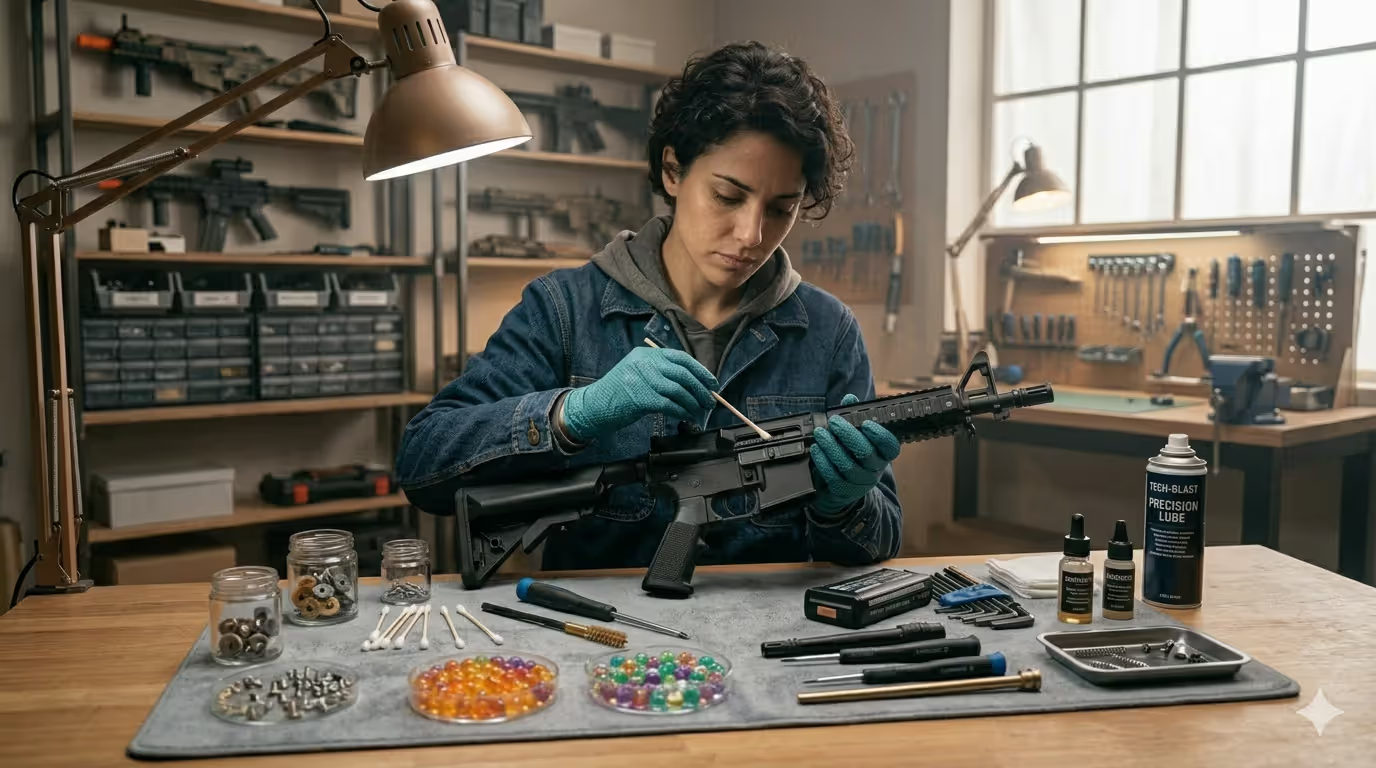
Maintenance extends blaster life and prevents mid-game failures. After each session, remove your magazine and fire 10-15 dry shots to clear gel balls from the feed mechanism and barrel. Wipe down external surfaces to remove gel residue before it dries crusty. Every 5,000 rounds or monthly with regular use, open the gearbox per manufacturer instructions and apply silicone lubricant to gears and O-rings. Check battery terminals for corrosion and verify charging circuits work correctly.
Author: Logan Mercer;
Source: lakestaytents.com
Keep your gel ball ammunition sealed in containers and positioned away from windows where sunlight hits. Hydrated gel balls last 3-4 weeks max before they start degrading and causing jams. Toss any ammunition that looks cracked, discolored, or oversized—it'll jam your feeding mechanism guaranteed.
Legal status varies by location. Most states classify these as toys, not firearms. California, New York, and Illinois apply specific restrictions similar to their airsoft laws regarding orange barrel tips and public carry. Never transport blasters openly—use cases or bags. Never pull one out in public spaces where someone might mistake it for a real firearm and call 911.
Some HOAs prohibit gel ball play in common areas despite state laws allowing it. Check local ordinances before setting up backyard games. When uncertain, call your local police non-emergency line and ask directly.
Splatter ball guns have become one of the safest and most accessible entry points into tactical sports for families. The gel ammunition is biodegradable and far less painful than traditional airsoft or paintball, making it ideal for younger players.
— Jason Miller
Frequently Asked Questions
Splatter ball guns deliver legitimate tactical gameplay without the pain of paintball or the mess of traditional markers. Understanding differences between pistol, rifle, and drum-fed configurations helps match your blaster choice to actual use cases. Power levels spanning 120-280 FPS accommodate everyone from elementary school beginners to competitive enthusiasts chasing the strongest performance available.
Selecting the right model requires balancing user age, available budget, and desired features against practical factors like magazine capacity and upgrade compatibility. Whether you're outfitting weekend backyard battles or building a competition-spec custom blaster, prioritizing safety through proper eye protection and clearly defined play zones ensures everyone enjoys the sport responsibly.
The gel ball community keeps growing as families discover this affordable alternative to paintball and airsoft. With biodegradable ammunition, virtually zero cleanup, and entry costs under $50, splatter ball guns remove traditional barriers while delivering genuine tactical gameplay experiences. Start with a reliable mid-tier model around $70, learn proper maintenance habits early, and explore customization options as your skills and interest develop.