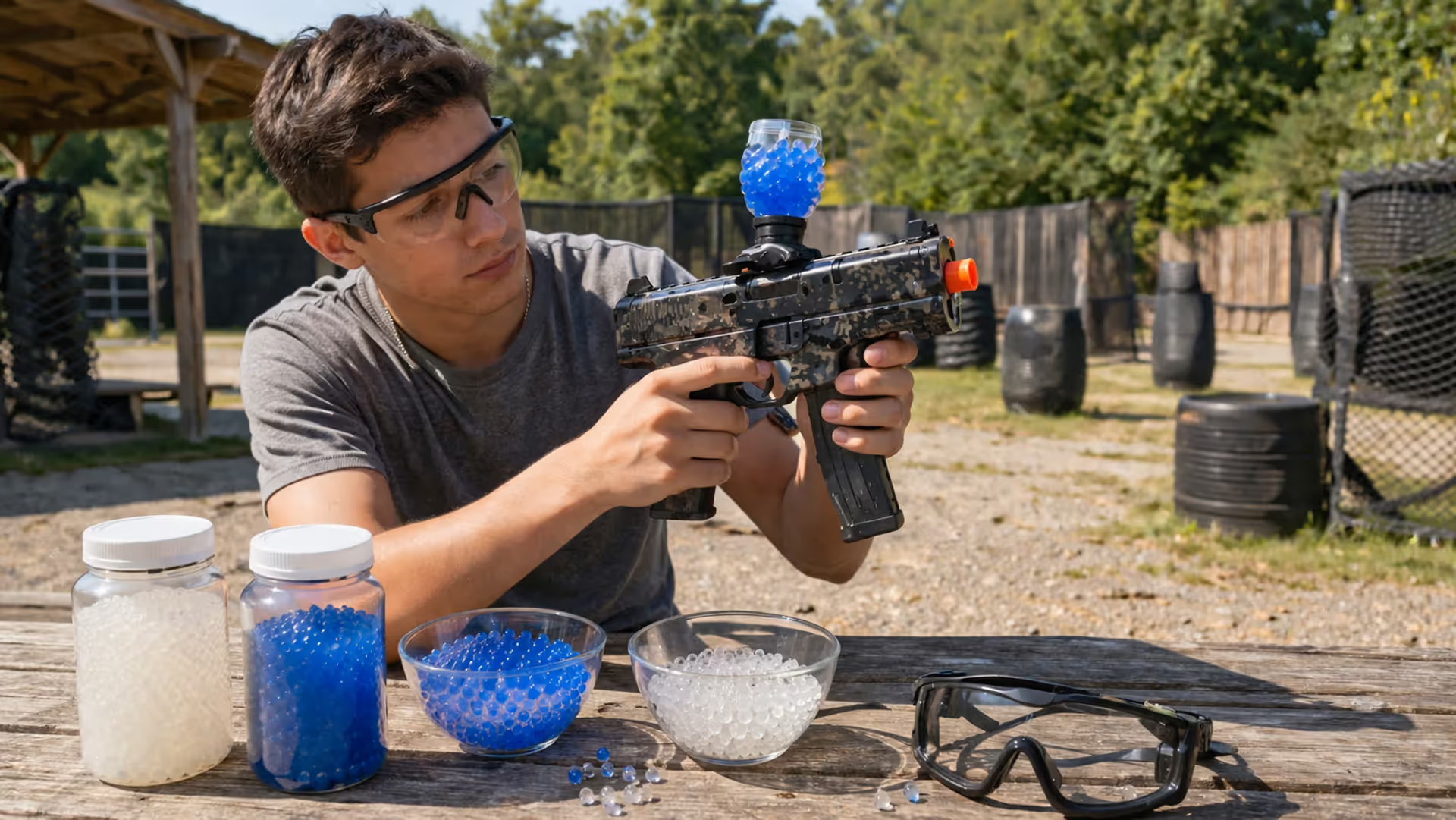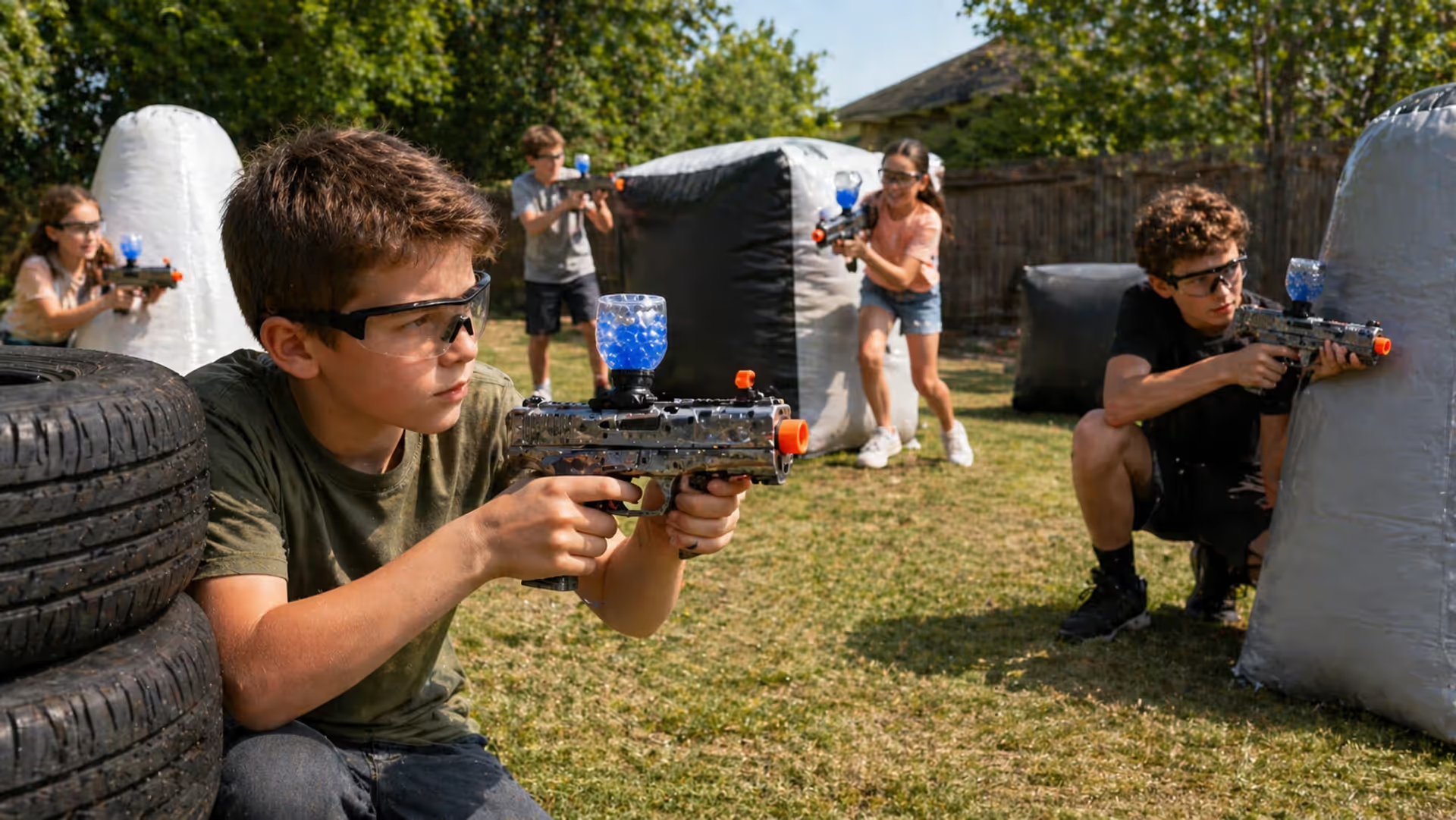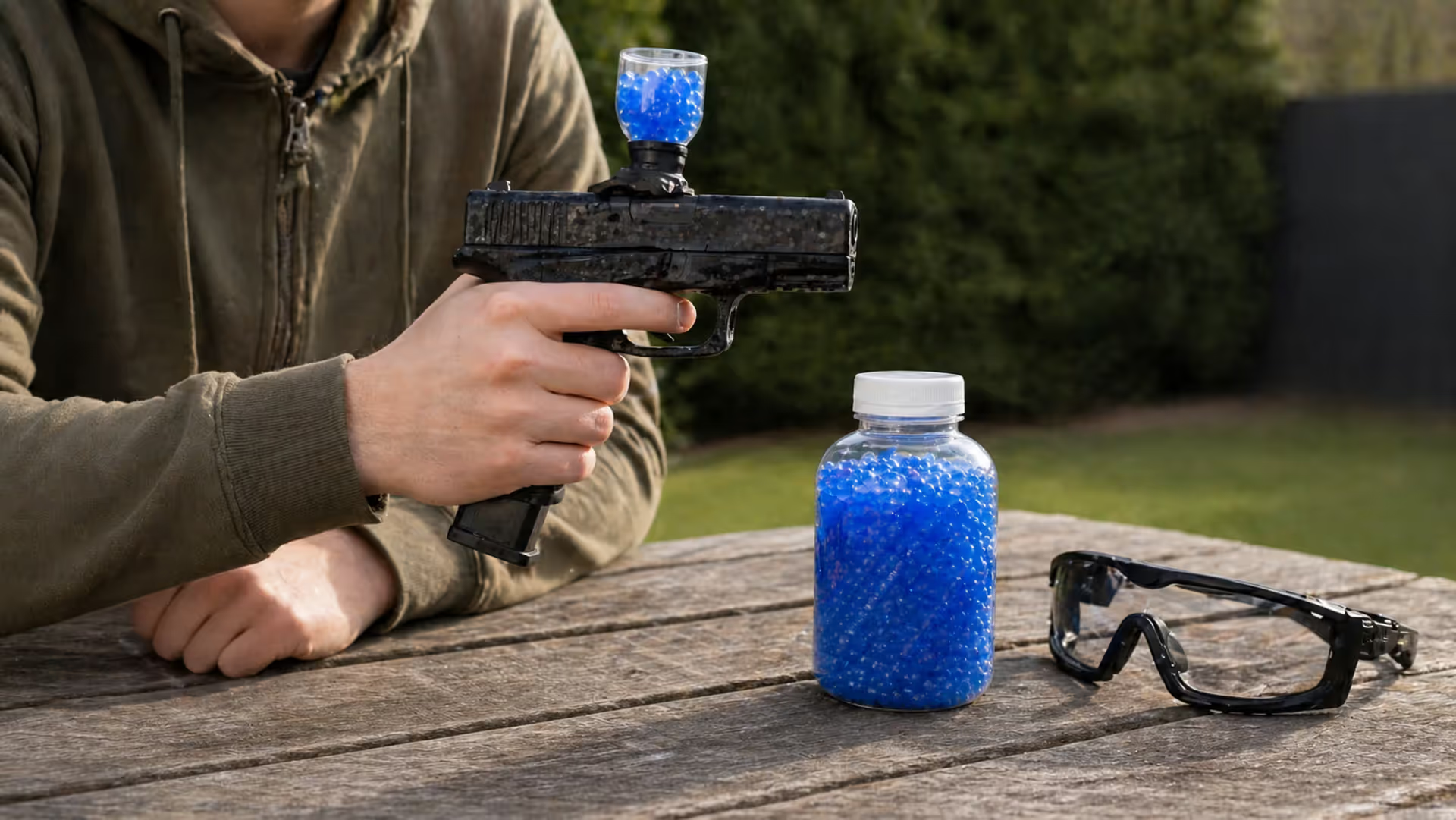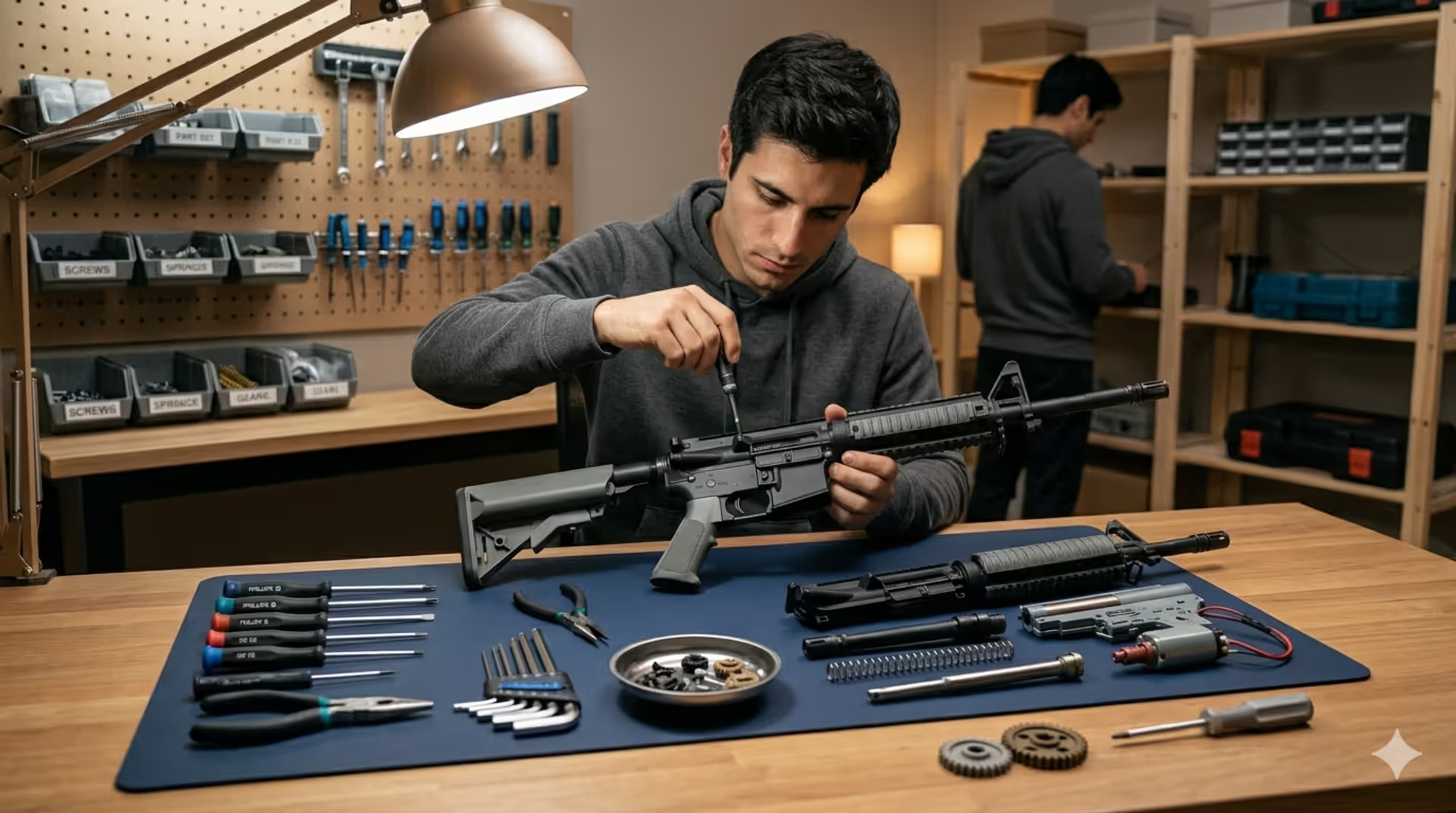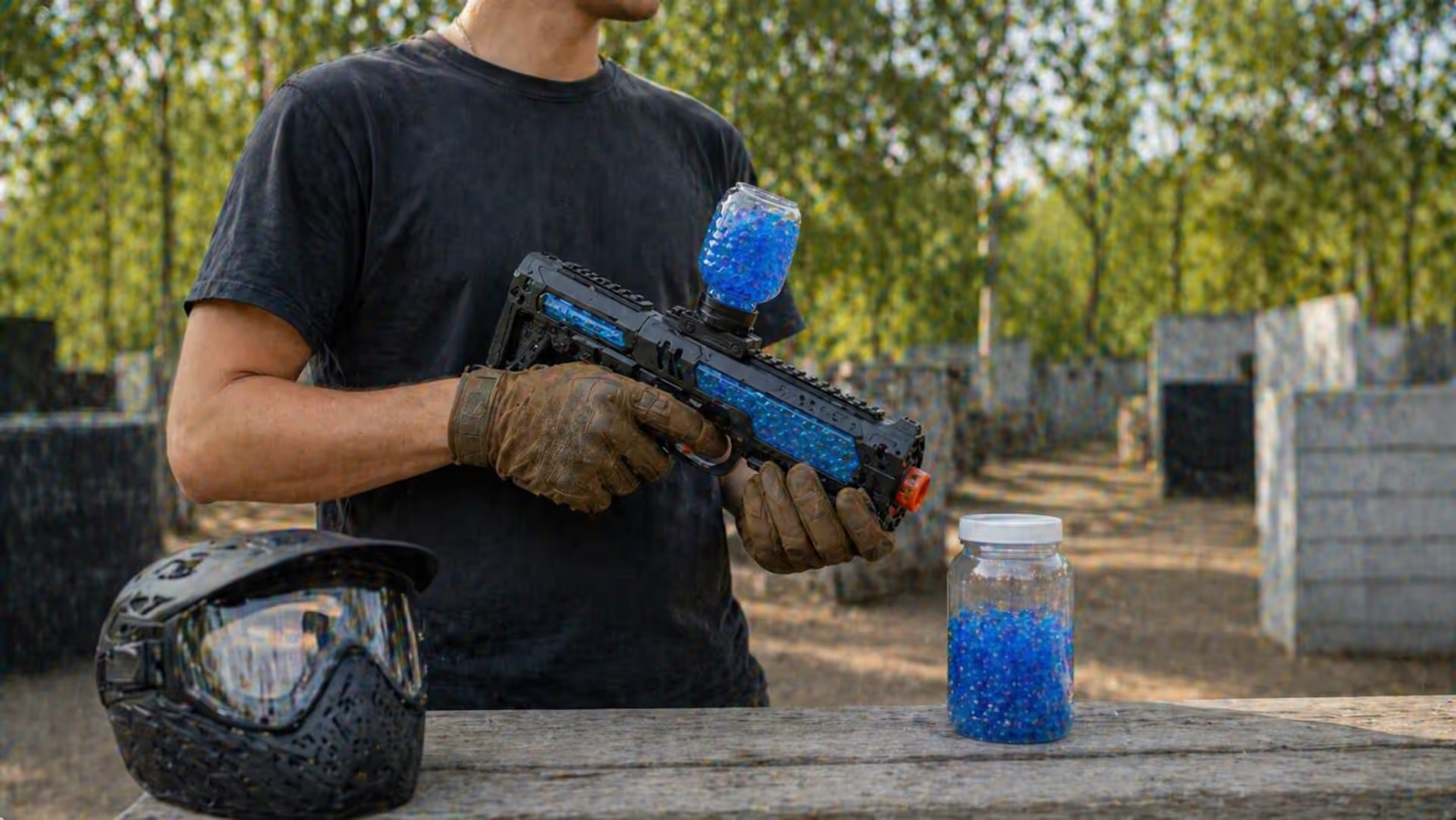
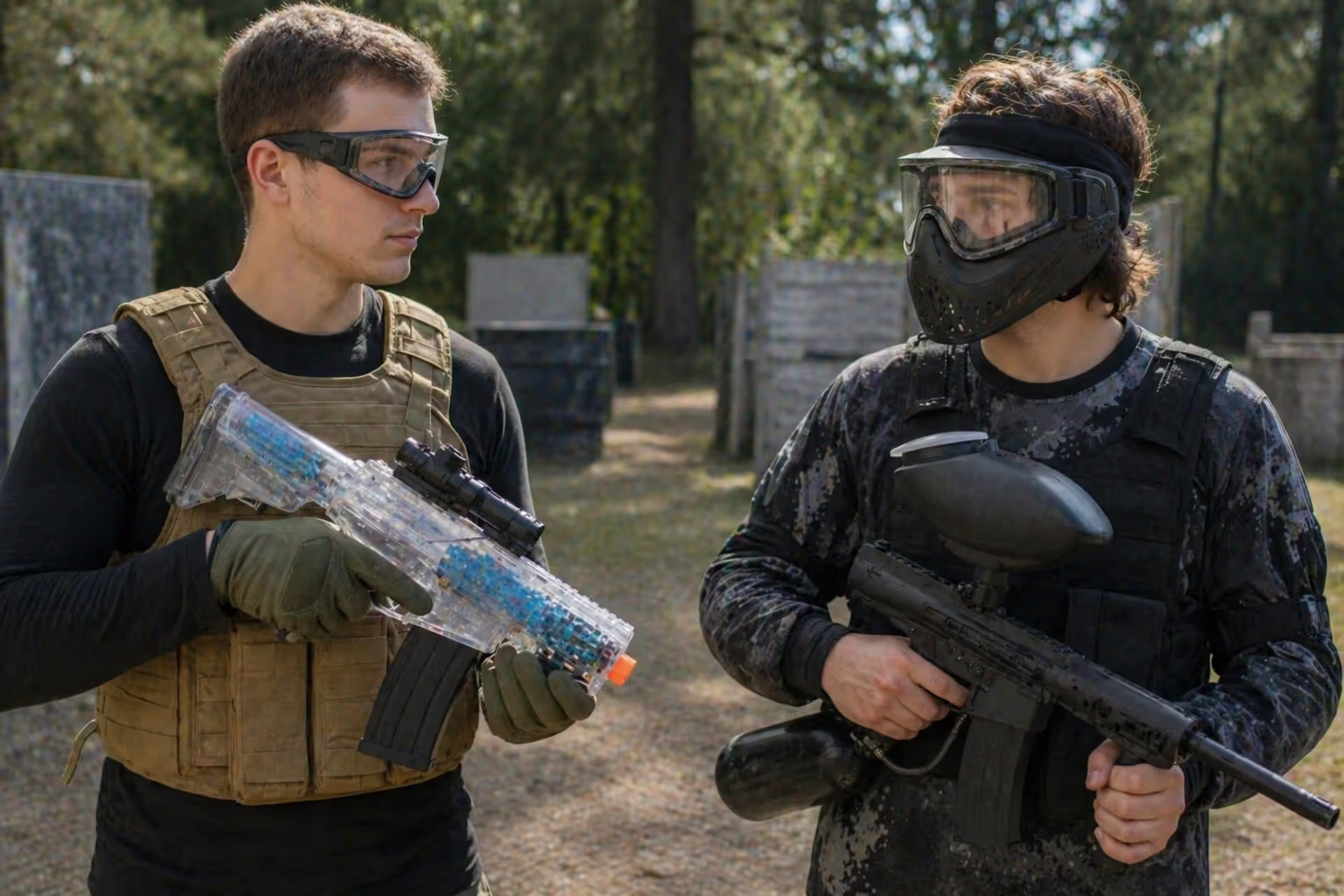
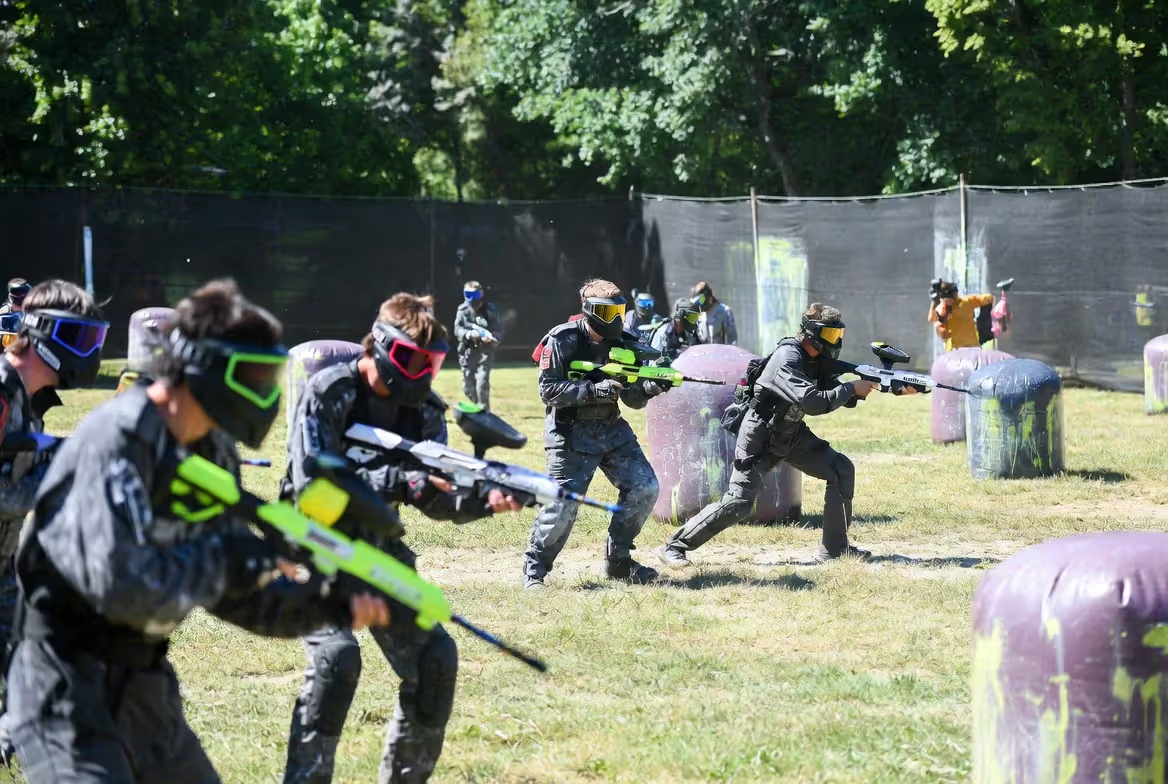
comparison of gel blaster and paintball gun equipment in outdoor setting
Splatter Gun vs Paintball Gun

Content
Choosing between a splatter gun and a paintball gun isn't just about picking up whatever looks coolest at the store. These two types of recreational markers serve different purposes, carry different price tags, and deliver vastly different experiences on the field. If you're standing at this crossroads—whether you're a parent evaluating options for your kids, an adult looking for weekend fun, or someone curious about backyard target practice—understanding the real differences matters.
Both options let you shoot at targets or opponents in competitive games, but the similarities mostly end there. Splatter guns fire water-absorbent gel balls that disintegrate on impact, while paintball guns launch gelatin capsules filled with colored dye. The ammunition difference alone creates a cascade of other distinctions: pain levels, where you can legally play, cleanup requirements, and how much you'll spend over time.
What Are Splatter Guns and Paintball Guns
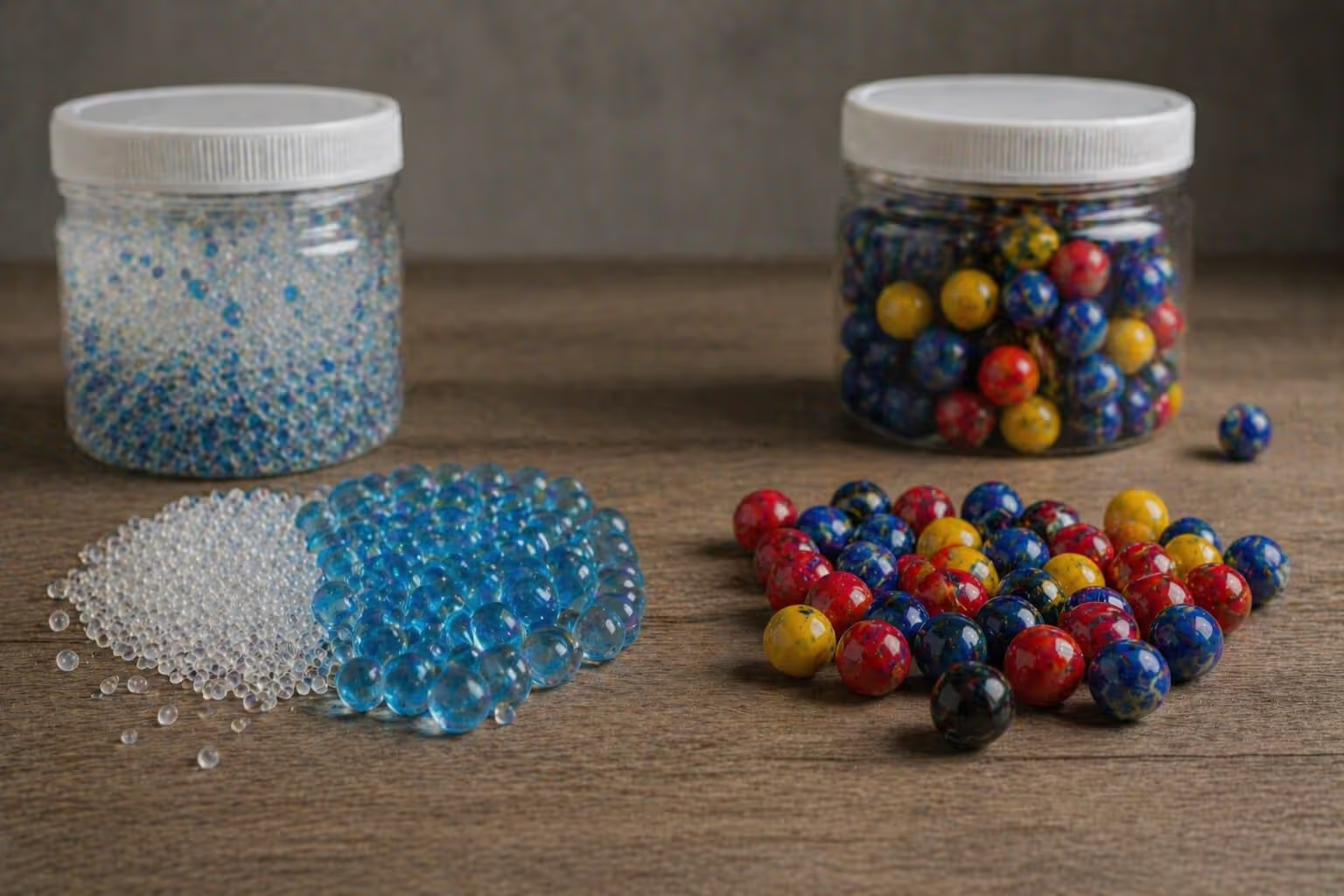
Splatter guns—also called gel blasters or Orbeez guns—fire small hydrated gel balls, typically 7-8mm in diameter. These gel balls start as tiny hard beads that you soak in water for several hours. Once fully hydrated, they become soft, squishy spheres that burst into fragments when they hit something solid. The guns themselves use electric motors or spring mechanisms to propel these projectiles at velocities ranging from 150 to 200 feet per second.
The splatter ball vs paintball ammunition difference is fundamental. Gel balls contain no dye, no paint, and leave virtually no residue after they break apart. They're biodegradable and will eventually dissolve completely when exposed to the elements. Most gel blaster enthusiasts can play in their backyards without worrying about permanent stains on fences, siding, or clothing.
Paintball guns operate on compressed air or CO2 to fire .68 caliber gelatin capsules filled with water-soluble paint. These projectiles travel at higher velocities—typically 280 feet per second in recreational settings—and carry significantly more kinetic energy. When a paintball hits you, it breaks open and marks you with bright colored dye, which is the whole point in competitive paintball where marking your opponent determines eliminations.
Author: Brandon Kesswick;
Source: lakestaytents.com
The gelball vs paintball distinction extends to the markers themselves. Paintball guns require gas tanks (either compressed air or CO2 cartridges), pressure regulators, and more robust internal components to handle the forces involved. Gel blasters usually run on rechargeable batteries and have simpler mechanical systems, making them lighter and easier to maintain for casual users.
Pain Level and Safety Comparison
Let's address the question everyone asks first: yes, paintballs hurt more than gel balls. The paintball vs gel blaster pain difference isn't subtle.
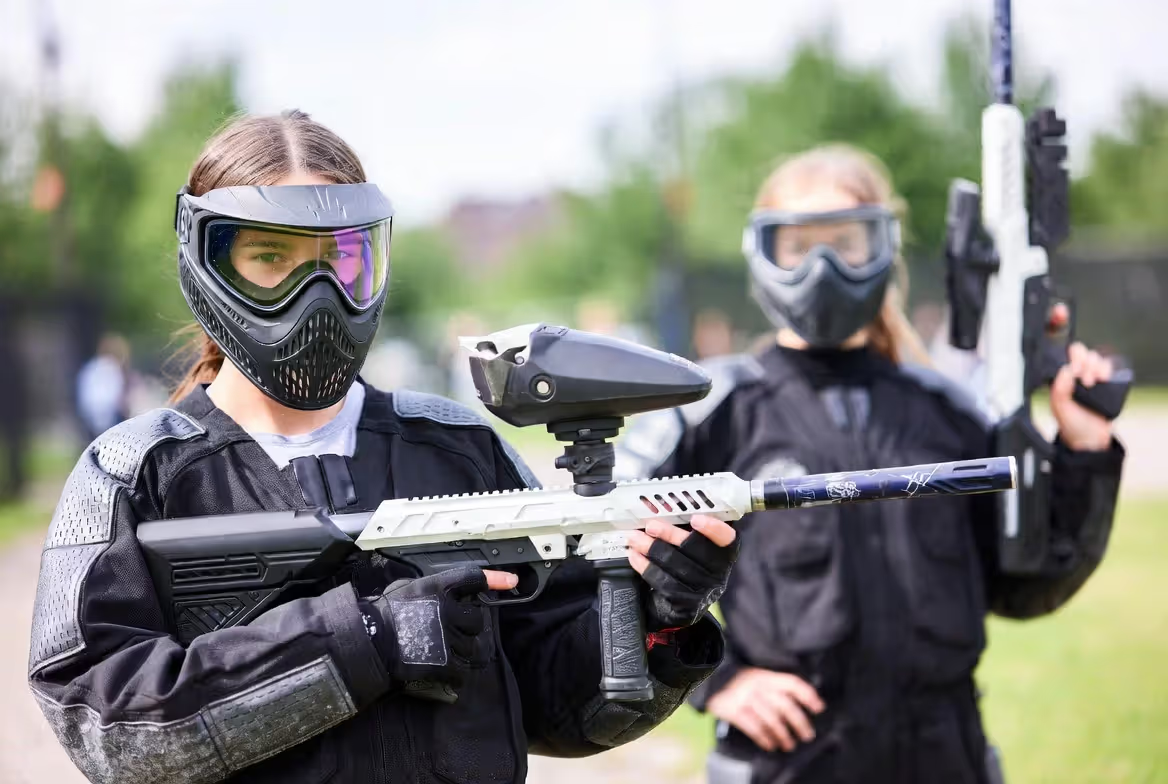
A paintball carries roughly 10-12 joules of energy at typical velocities, while a gel ball delivers around 1-2 joules. That's a five-to-ten-fold difference in impact force. Getting hit by a paintball at close range often leaves welts or bruises, especially on bare skin or areas with little padding. Experienced paintball players know to wear multiple layers, and most fields require full-coverage clothing, gloves, and neck protection beyond just the mandatory mask.
Author: Brandon Kesswick;
Source: lakestaytents.com
Gel blaster impacts feel more like a sharp flick or a rubber band snap. They sting momentarily but rarely leave marks unless fired at point-blank range. The gel blaster hurt vs paintball comparison matters most for younger players or those with lower pain tolerance. A 10-year-old might find paintball too intense for sustained play, while that same child could enjoy hours of gel blaster games without complaint.
Protective gear requirements reflect these differences. Paintball mandates ASTM-certified full-face masks that protect eyes, ears, and teeth. Most organized paintball venues won't let you play without one, and they're right to enforce this—paintballs can cause serious eye injuries. Gel blaster players typically wear basic eye protection like safety glasses or goggles, though some prefer full-face protection anyway.
When evaluating age-appropriate options, impact energy matters more than velocity alone. Gel blasters deliver enough sensation to make gameplay exciting without the injury risk profile we see with paintball. For participants under 14, that difference in force translates to fewer tears and more consistent fun.
— Dr. Marcus Chen
The safety consideration extends beyond immediate pain. Paintball's higher impact can aggravate existing injuries or conditions. Someone recovering from a shoulder injury might struggle with paintball but handle gel blaster games fine. The lower impact also means shorter recovery between games—no need to ice bruises or take breaks because you're too sore to continue.
Cost Breakdown: Initial Investment and Ongoing Expenses
Budget often determines which option wins, and the numbers favor gel blasters significantly.
Entry-level paintball markers start around $150-200 for anything reliable, though you'll find cheaper options that break quickly. Mid-range tournament-grade markers run $400-800, and high-end electronic guns exceed $1,500. Then you need the gas system: a basic CO2 tank costs $20-30, while a better compressed air system runs $150-300. Add a quality mask ($50-150), hopper ($30-200), and you're looking at $300-500 minimum to start properly.
Gel blasters offer a lower entry point. Decent starter models cost $40-80, mid-range options run $100-200, and even premium gel blasters rarely exceed $300. Since they're battery-powered, you just need a rechargeable battery pack ($15-30) and a charger. Basic eye protection adds $10-20. Total startup: $60-120 for a complete setup.
The gel blaster paintball comparison gets more interesting when you factor in ammunition costs:
| Feature | Splatter Gun | Paintball Gun |
| Average gun price | $60-150 | $200-400 |
| Ammunition cost per 1,000 rounds | $5-8 | $30-50 |
| Protective gear needed | Safety glasses ($10-20) | Full face mask ($50-150) |
| Field/venue fees | $0-15 (many free locations) | $25-50 per day |
| Maintenance costs | Minimal ($10-20/year) | $50-100/year (gas, o-rings, cleaning) |
Those ammunition numbers deserve emphasis. A typical afternoon of paintball might burn through 500-1,000 rounds, costing $15-50 in paint alone. Gel balls cost roughly one-sixth as much—you can buy 10,000 gel balls for $15-25. For families or frequent players, this difference compounds quickly. A parent with two kids could easily spend $100-150 on paintballs during a single outing, while the same group might spend $10-15 on gel balls for multiple sessions.
Field fees add another layer. Commercial paintball fields charge $25-50 for day admission, and many require you to buy their paint (at markup) rather than bringing your own. Gel blaster venues are less common but typically charge less, and many players use private property or public land where it's legal, paying nothing for field access.
Maintenance costs favor gel blasters too. Paintball guns need regular o-ring replacement, lubrication, and gas system maintenance. You'll eventually rebuild or replace worn parts. Gel blasters have fewer moving parts and simpler mechanisms—most maintenance involves cleaning the barrel and occasionally replacing springs or gears if something breaks.

Author: Brandon Kesswick;
Source: lakestaytents.com
Which Option Works Better for Kids and Beginners
The splatter ball for kids vs paintball question has a clear answer for most families: gel blasters win for younger children, while paintball becomes viable for teenagers.
Age recommendations differ notably. Most paintball fields set minimum ages at 10-12 years old, and many operators prefer 13+ for regular play. The pain factor, heavier equipment, and safety protocols require a certain maturity level. Younger kids often struggle with the physical demands—paintball markers weigh 3-5 pounds loaded, and the recoil from CO2-powered guns can surprise small shooters.
Gel blasters suit kids as young as 6-8 years old with proper supervision. The lighter weight (most gel blasters weigh under 2 pounds), lower impact, and simpler operation make them manageable for elementary-age children. Parents can set up backyard courses without worrying about property damage or serious injuries.
The beginner gel blaster or paintball learning curve differs too. Paintball involves more variables: adjusting velocity, managing gas pressure, understanding different paint types and how weather affects them, maintaining consistent accuracy with barrel matching. Beginners face a steeper technical learning curve before they can play effectively.
Gel blasters are nearly plug-and-play. Charge the battery, load the hopper, soak your ammo, and you're ready. Accuracy matters less in casual play, and the lower stakes (less pain, less cost per shot) encourage beginners to experiment without anxiety. New players aren't afraid to be aggressive or make mistakes when getting hit doesn't hurt much and ammunition is cheap.
Supervision requirements favor gel blasters for home use. Parents can comfortably watch kids play gel blaster games in the backyard while doing yard work or relaxing nearby. Paintball demands more active supervision due to higher injury risk, and most parents prefer taking kids to commercial fields where trained staff manage safety rather than hosting paintball at home.
Gameplay Experience and Where You Can Play
Venue availability creates one of the biggest practical differences between these options. Paintball has established infrastructure—hundreds of commercial fields across the United States offer dedicated playing areas, organized games, rental equipment, and referees. You can find paintball facilities in most metropolitan areas and many smaller cities.
Gel blaster venues are less common but growing. Some paintball fields now offer gel blaster sessions, particularly for younger players or private parties. However, the gel blaster paintball comparison for venues shows that gel blaster players often create their own playing areas on private property, in backyards, or at informal gatherings.
Legal considerations affect where you can play. Paintball is widely accepted and regulated—most areas permit it at designated facilities without issue. Gel blasters occupy murkier legal territory. Some states and cities classify them as toys, others regulate them like airsoft guns, and a few jurisdictions restrict or ban them entirely. Always check local laws before purchasing or playing with gel blasters in public spaces.
The mess factor matters for home use. Paintballs splatter dye that stains clothing, skin, and surfaces. Even "washable" paintballs can leave marks on vinyl siding, wood fences, or concrete. You wouldn't casually play paintball in your backyard unless you're prepared for cleanup and potential permanent discoloration. Gel balls leave no residue—they fragment into tiny pieces that dry up and disappear or can be swept away easily. This makes backyard play practical and stress-free.
Indoor suitability strongly favors gel blasters. Paintball indoors requires specialized facilities with proper ventilation, lighting, and surfaces designed to handle paint cleanup. Gel blasters work fine in basements, garages, or warehouses with minimal preparation—just clear breakables and set up some barriers.
Competitive play differs substantially. Paintball has established leagues, tournaments, professional teams, and standardized rule sets. Players can pursue competitive paintball seriously, joining teams and traveling to events. Gel blaster competition exists but remains less organized, with most events being informal gatherings or local meetups rather than sanctioned tournaments.
Author: Brandon Kesswick;
Source: lakestaytents.com
Casual social play tilts toward gel blasters for spontaneity. You can decide on a Friday afternoon to have friends over for gel blaster games without much planning. Paintball requires more coordination—booking field time, ensuring everyone has proper gear, budgeting for higher costs, and committing to the time investment of traveling to a facility.
Pros and Cons of Each Option
Splatter Gun Advantages and Drawbacks
Gel blasters excel at accessibility. Lower cost, minimal pain, easy cleanup, and simple operation make them ideal for casual recreational shooting. Families can afford to outfit multiple kids without breaking the budget. The backyard-friendly nature means spontaneous play without planning or travel.
The variety of gel blaster models has expanded dramatically. You'll find pistols, rifles, submachine gun replicas, and even belt-fed designs, many modeled after real firearms or popular video game weapons. This appeals to collectors and enthusiasts who want specific looks or features.
Ammunition availability is excellent—gel balls are sold online in bulk for minimal cost, and they store indefinitely in their dry form. You can keep tens of thousands of rounds on hand without worrying about expiration or storage space.
Drawbacks include limited range and accuracy. Gel balls lose velocity quickly and curve unpredictably beyond 50-60 feet. Wind affects them significantly. Serious players find the lack of precision frustrating compared to paintball's more consistent ballistics.
The is gel blaster better than paintball question depends on priorities, but gel blasters face legitimacy challenges in competitive circles. Without established leagues or professional pathways, players seeking serious competitive outlets may feel limited.
Durability can be hit-or-miss with cheaper gel blasters. Budget models sometimes break after moderate use, and replacement parts aren't always available. Quality varies widely between manufacturers.
Paintball Gun Advantages and Drawbacks
Paintball offers the most developed competitive infrastructure. Players can pursue the sport seriously, improve skills through organized practice, and compete at regional or national levels. The marking system creates clear hit confirmation—no arguments about whether someone was tagged.
Range and accuracy surpass gel blasters significantly. Quality paintball markers can accurately engage targets at 100+ feet, and players can fine-tune their equipment for optimal performance. This makes paintball more satisfying for players who value marksmanship.
The social aspect is strong at established paintball fields. You'll meet other players, join pickup games, and become part of a community. Many fields host regular events, scenario games, and tournaments that build camaraderie.
The visceral nature of paintball—the impact, the visible marks, the adrenaline—creates intensity that some players crave. Getting hit matters. The stakes feel higher, which makes victories more satisfying.
Disadvantages center on cost and accessibility. The higher price for equipment, ammunition, and field fees puts paintball out of reach for some families or limits how often they can play. A family of four might spend $200-300 for a single day of paintball, while the same group could play gel blasters multiple times for that amount.
Pain remains a barrier for many potential players. Some people try paintball once, find it too intense, and never return. The pain factor also complicates introducing younger children or convincing hesitant friends to join.
Logistics are more demanding. You can't casually play paintball—it requires planning, travel, and time commitment. The mess limits where you can play, and cleanup after home games (if you even attempt them) is substantial.
Frequently Asked Questions
The splatter gun vs paintball gun decision ultimately reflects what you value most. Paintball delivers higher intensity, established competitive pathways, and a more visceral experience. It's the better choice for teenagers and adults seeking serious recreational competition, players who don't mind higher costs for better performance, and those who enjoy the social atmosphere of commercial paintball facilities.
Gel blasters win for families with younger children, budget-conscious players, anyone wanting backyard-friendly fun, and beginners testing whether they enjoy tactical shooting sports. The lower barrier to entry—both financial and physical—makes gel blasters accessible to more people.
Consider your specific situation: Do you have space at home for play, or will you travel to facilities? Are you outfitting multiple kids or just yourself? Does pain tolerance matter? What's your realistic budget for both startup and ongoing costs? How important is competitive play versus casual fun?
Many enthusiasts eventually try both. Starting with gel blasters lets you learn basic tactics and determine whether you enjoy the gameplay before investing in pricier paintball equipment. Others begin with paintball and add gel blasters later for convenient backyard practice or playing with younger family members.
Neither option is universally "better"—they serve different purposes and appeal to different preferences. Match your choice to your circumstances, and you'll find plenty of entertainment either way.