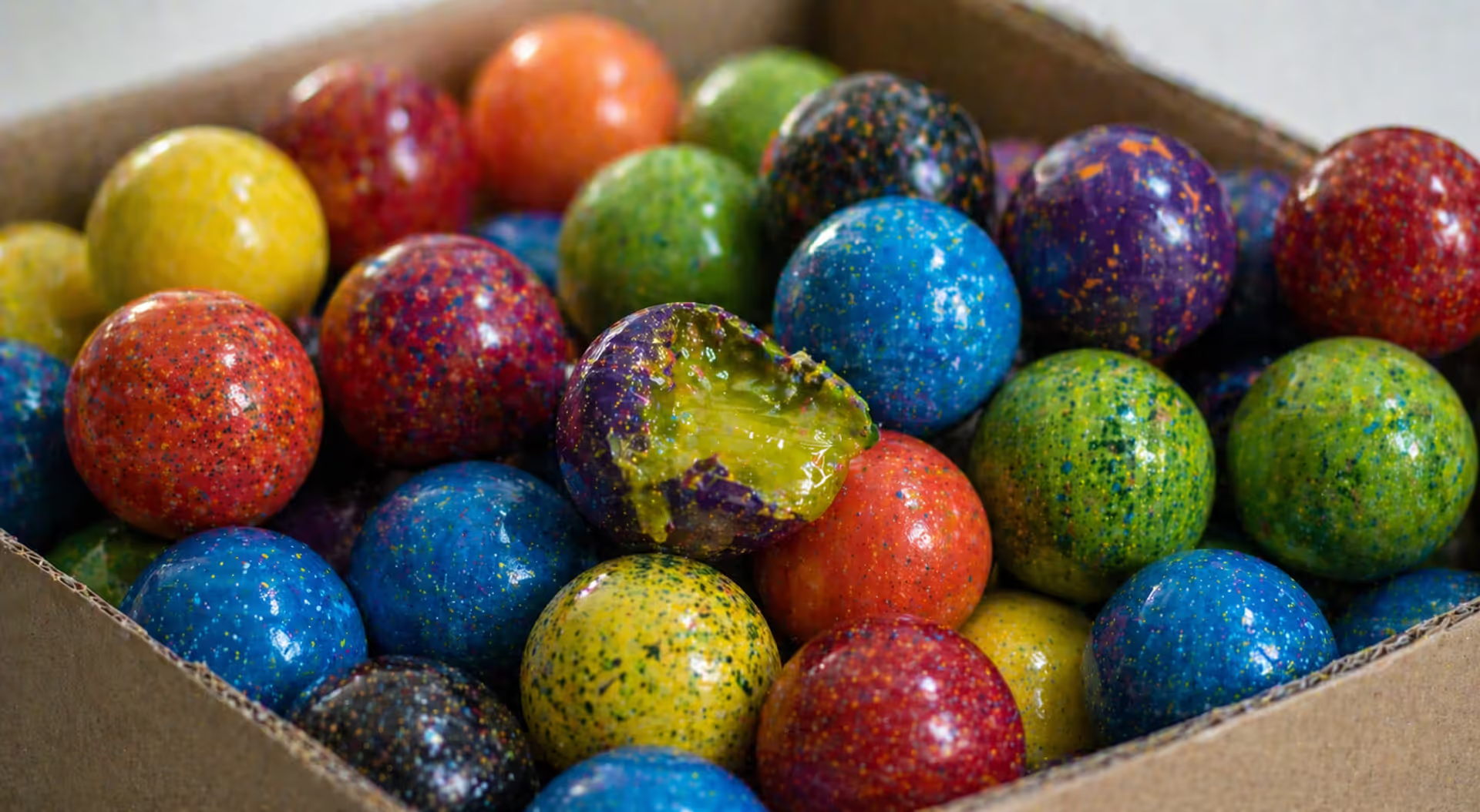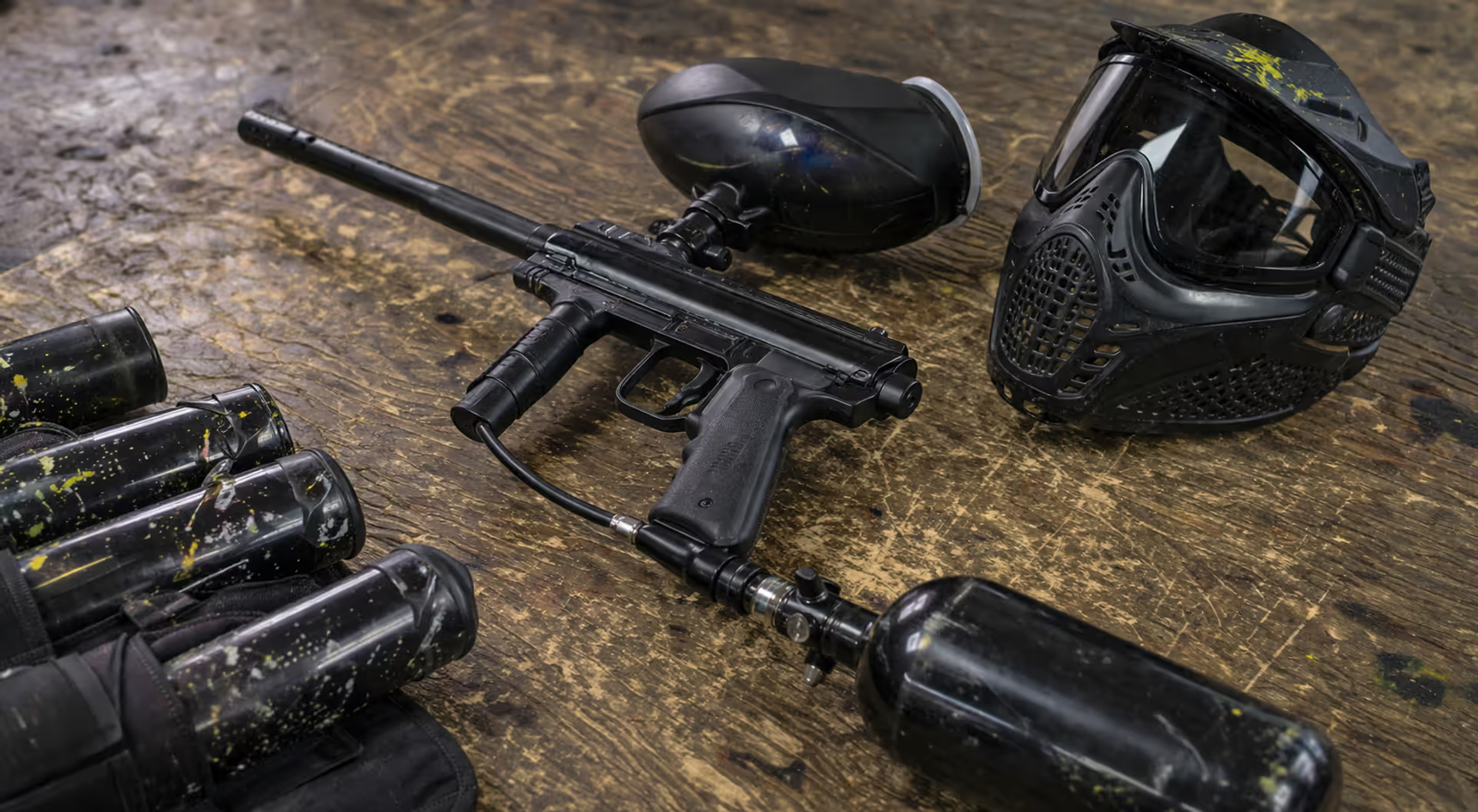
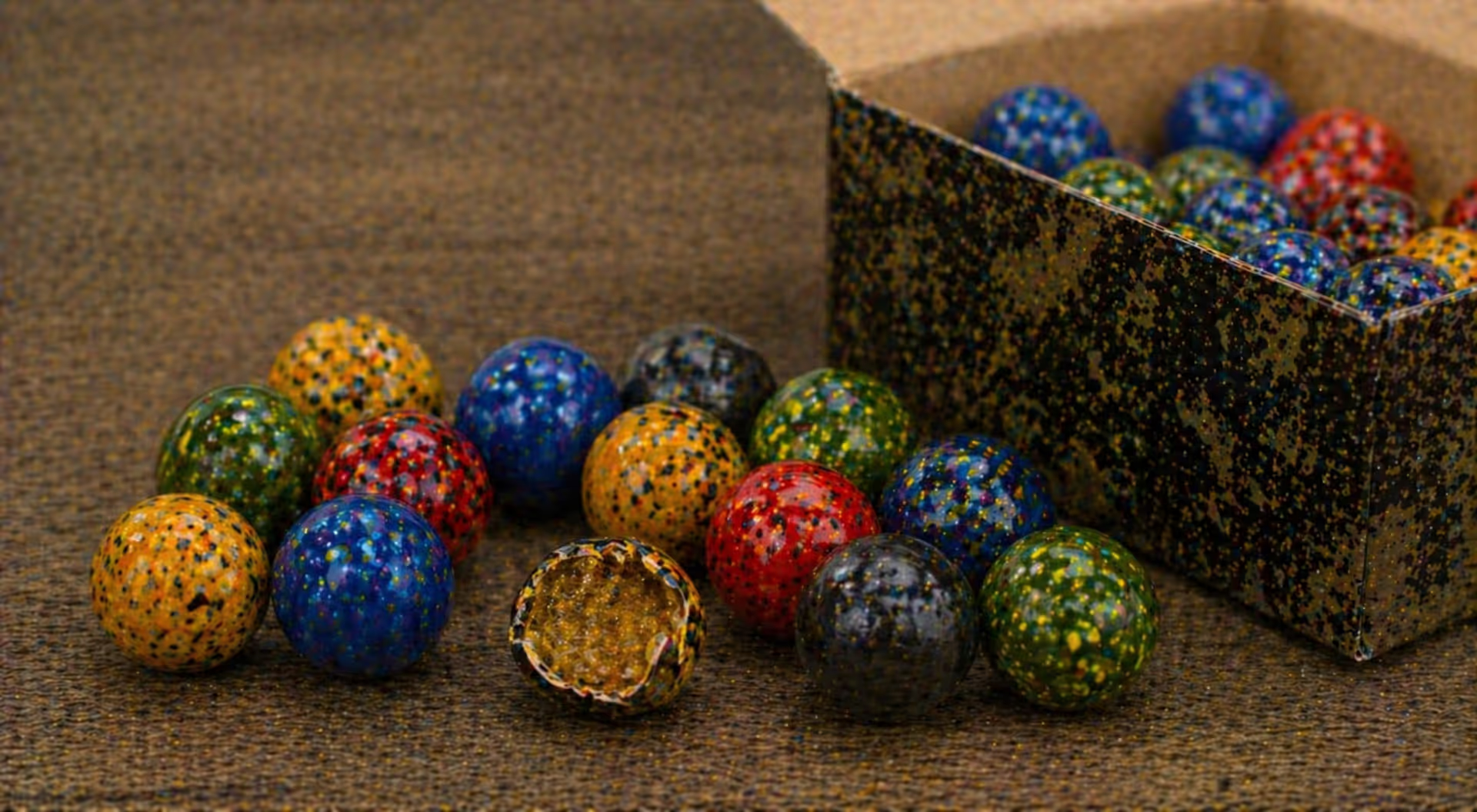
close up of paintballs with one broken showing internal liquid fill
What Are Paintballs Made Of?

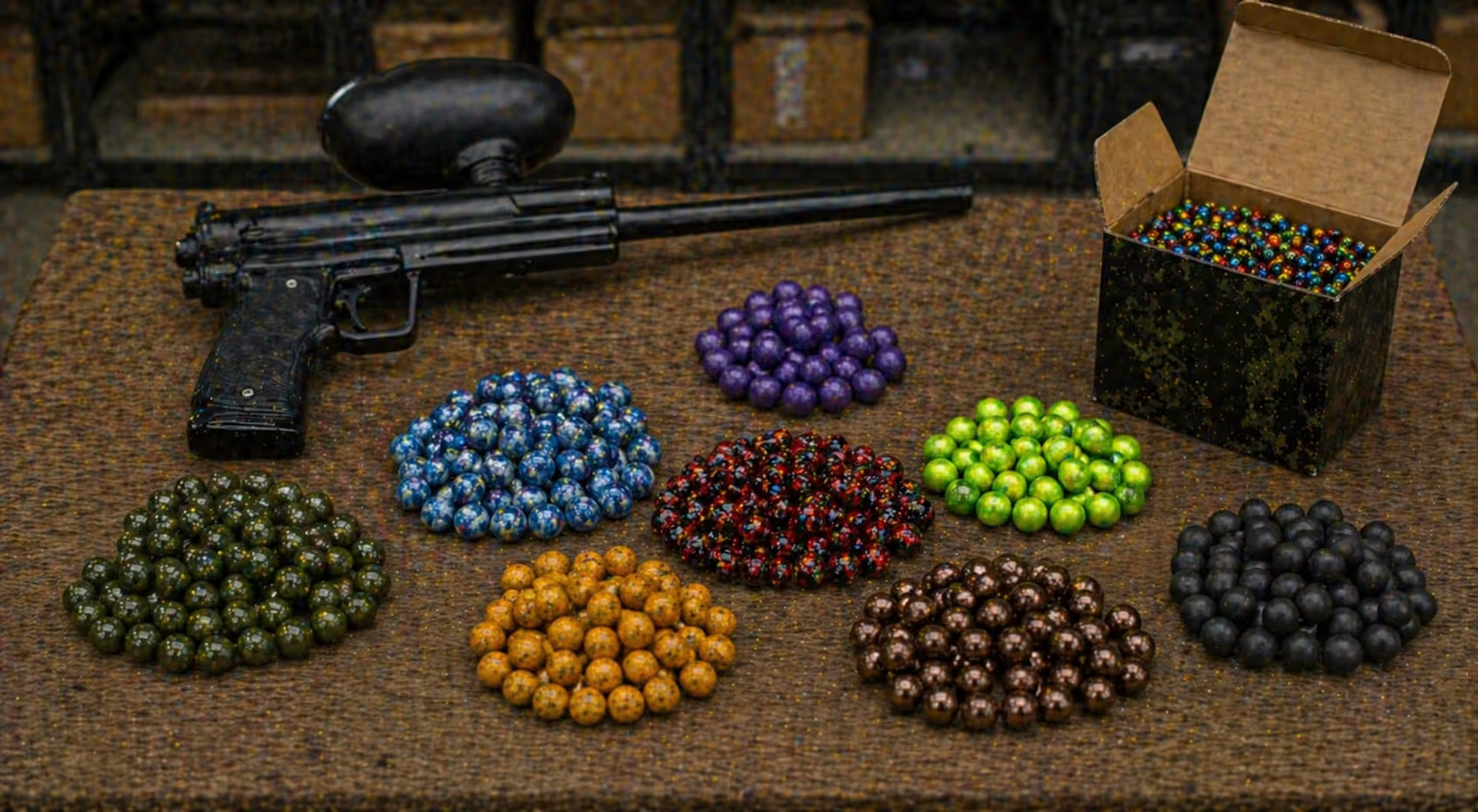
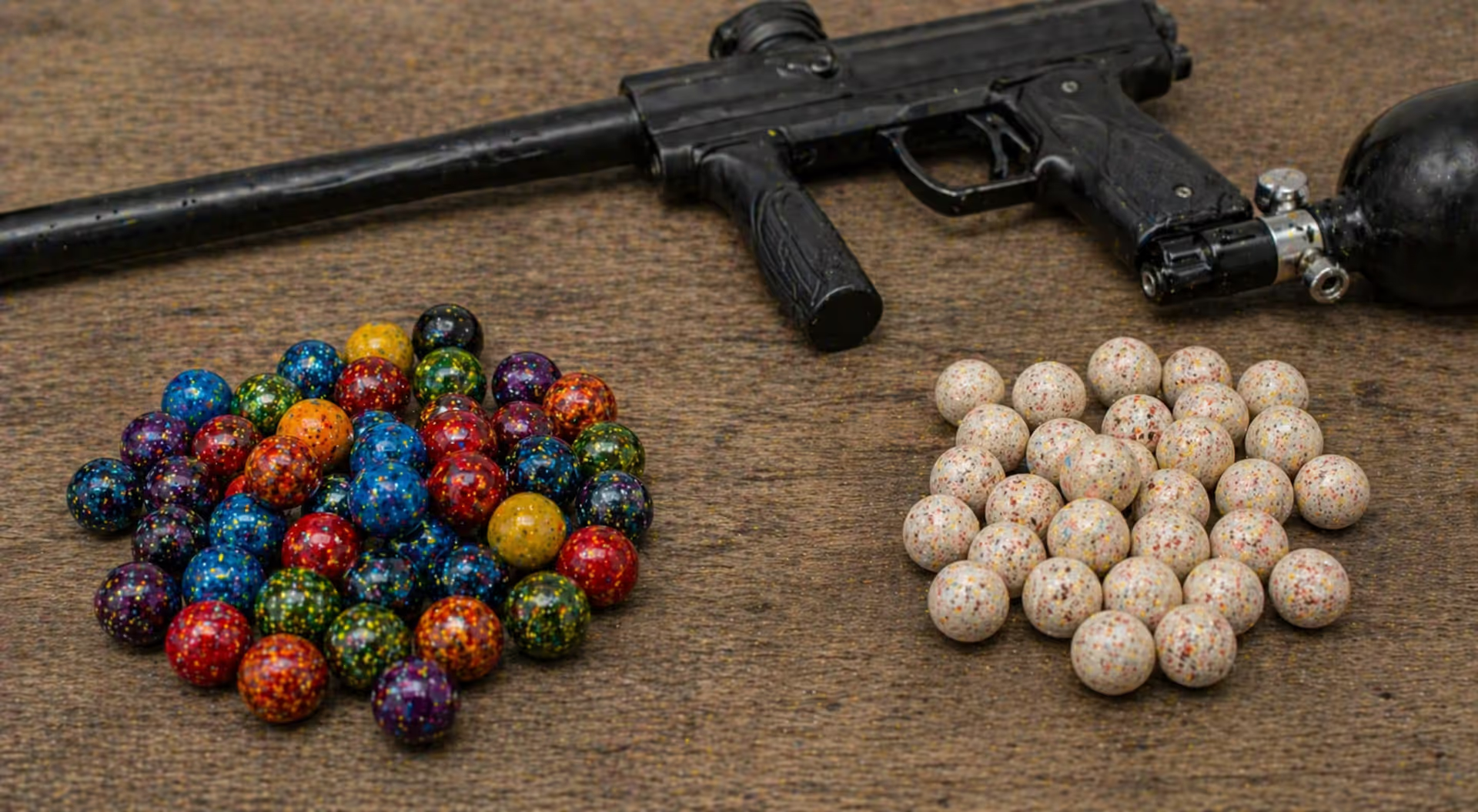
When you pick up a paintball, you're holding a precisely engineered sphere that combines chemistry and manufacturing expertise. These colorful orbs aren't just random mixtures—their composition determines accuracy, breaking characteristics, and safety during play.
Every paintball features two distinct parts: a breakable outer capsule and a liquid marking substance inside. Manufacturers design both components using materials you'd find in grocery stores and pharmacies. The outer casing shatters on contact, releasing the interior liquid that creates a visible mark. Everything from the capsule to the color uses ingredients rated safe for consumer products, which explains why they wash off easily and break down outdoors.
Paintball Shell Composition
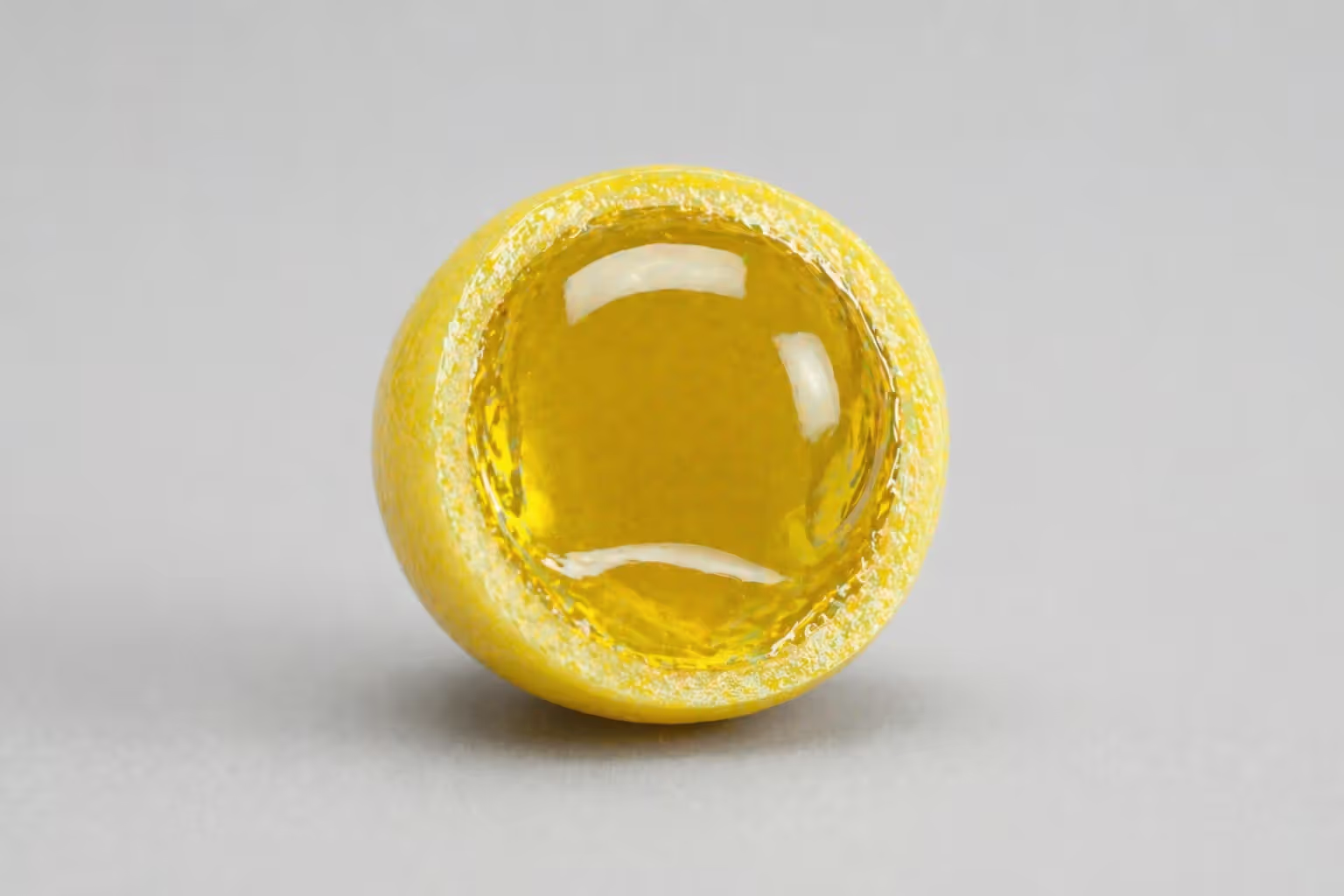
Paintball gelatin shell construction starts with the same pharmaceutical-grade gelatin that encases your daily vitamins. This protein-based substance comes from processed animal collagen, refined into sheets before being molded into spherical halves.
Capsule wall thickness separates quality tiers dramatically. Budget recreational rounds typically measure 0.008 to 0.010 inches across their walls—built tough enough to survive bouncing around in bulk containers and gravity-fed hoppers. Competition-grade shells run considerably thinner at 0.006 to 0.007 inches, engineered to rupture against padded bunkers and netting while surviving high-speed magazine feeding without premature breakage.
The gelatin formula includes flexibility agents—glycerin and sorbitol being the most common choices—that keep shells from becoming temperature casualties. Cold weather would make untreated capsules crack like eggshells, while summer heat would turn them mushy. Paintball shell material recipes also add water (generally 10-12% by total weight) plus occasional food-safe pigments when manufacturers want colored capsules instead of clear ones.
Diameter consistency affects performance dramatically. Industry standard .68 caliber (roughly 17.3mm) dominates the market, though .50 caliber and .43 caliber versions exist for youth and low-impact games. Manufacturing precision separates premium products from economy options—high-end producers maintain tolerances within ±0.005 inches, ensuring each round fits your barrel identically for shot-to-shot consistency.
Author: Logan Mercer;
Source: lakestaytents.com
Paintball Fill Ingredients
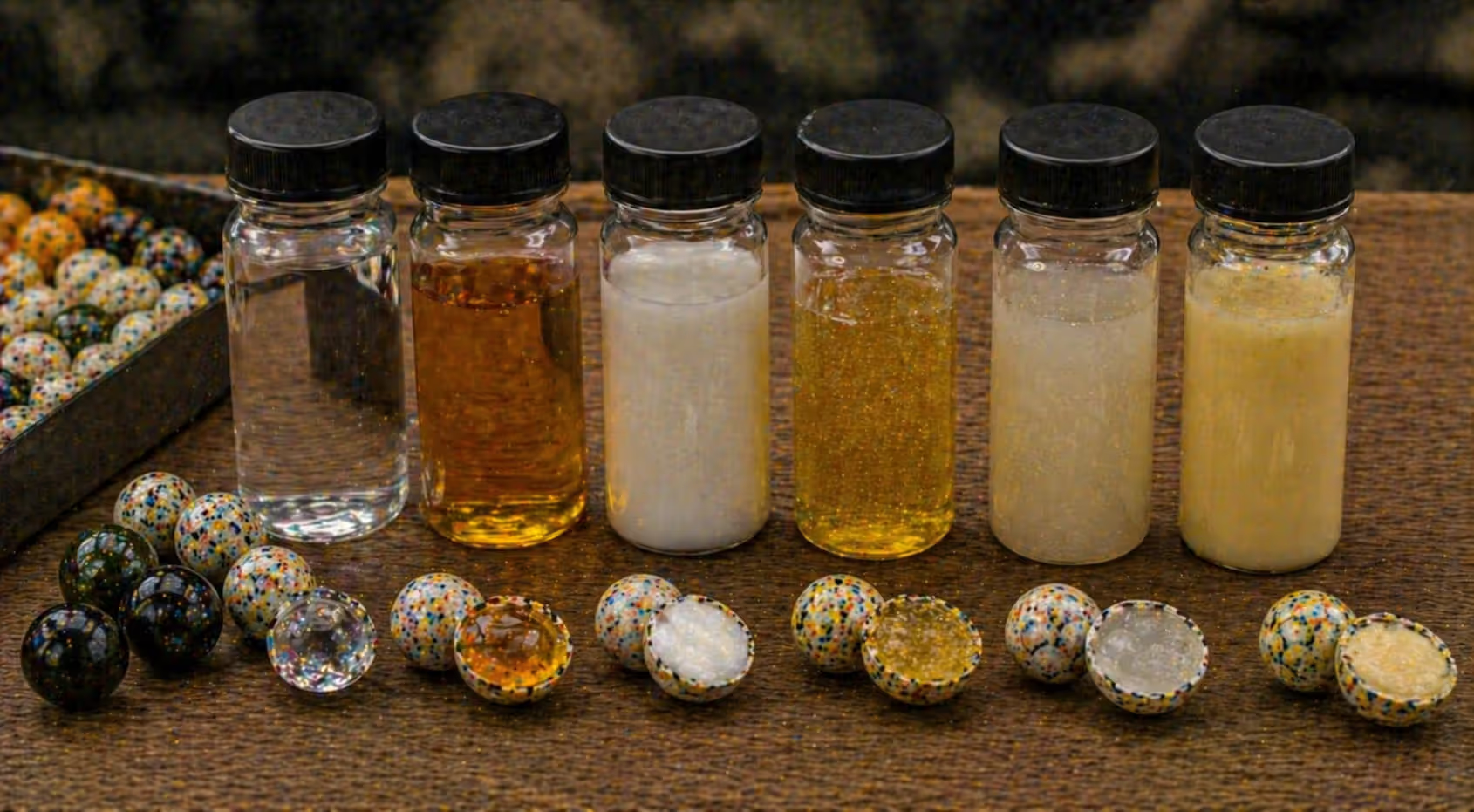
Inside each sphere sits a liquid base built around polyethylene glycol (PEG)—the same water-loving polymer found in skin moisturizers, medicine syrups, and food additives. Manufacturers choose PEG because it dissolves in water, carries no toxicity warnings, and handles temperature swings from freezer-cold mornings to scorching summer afternoons.
Various paintball fill types adjust thickness by changing PEG molecular sizes. Lighter molecular weights (PEG 200-400) flow like thin syrup, spreading dramatically when capsules burst. Heavier formulations (PEG 600-1000) move more like honey, creating distinct marks without excessive splatter patterns. Competitive players frequently prefer moderately thick fills since referees can spot hits more easily from across tournament fields.
Color agents match those approved for soft drinks and candy production. Bright pink, safety orange, electric yellow, vivid blue, and neon green dominate because they contrast sharply against most playing surfaces. Special editions sometimes incorporate pearl-effect pigments or ultraviolet-reactive compounds for nighttime events under blacklights.
Supplementary paintball ingredients might include:
- Light mineral or vegetable oils (1-3% concentration) adjusting flow characteristics
- Calcium carbonate or finely-ground talc as gentle thickening compounds
- Extra glycerin for cold-weather batches preventing freeze-related failures
- Sorbitol preventing chemical reactions between fill and shell that cause surface dimpling
Formulations deliberately exclude latex, heavy metals, and petroleum solvents. This careful selection means paintball fill rinses from gear and skin using plain water, though darker dyes might temporarily tint white fabrics if left unwashed overnight.
Author: Logan Mercer;
Source: lakestaytents.com
How Paintballs Are Manufactured
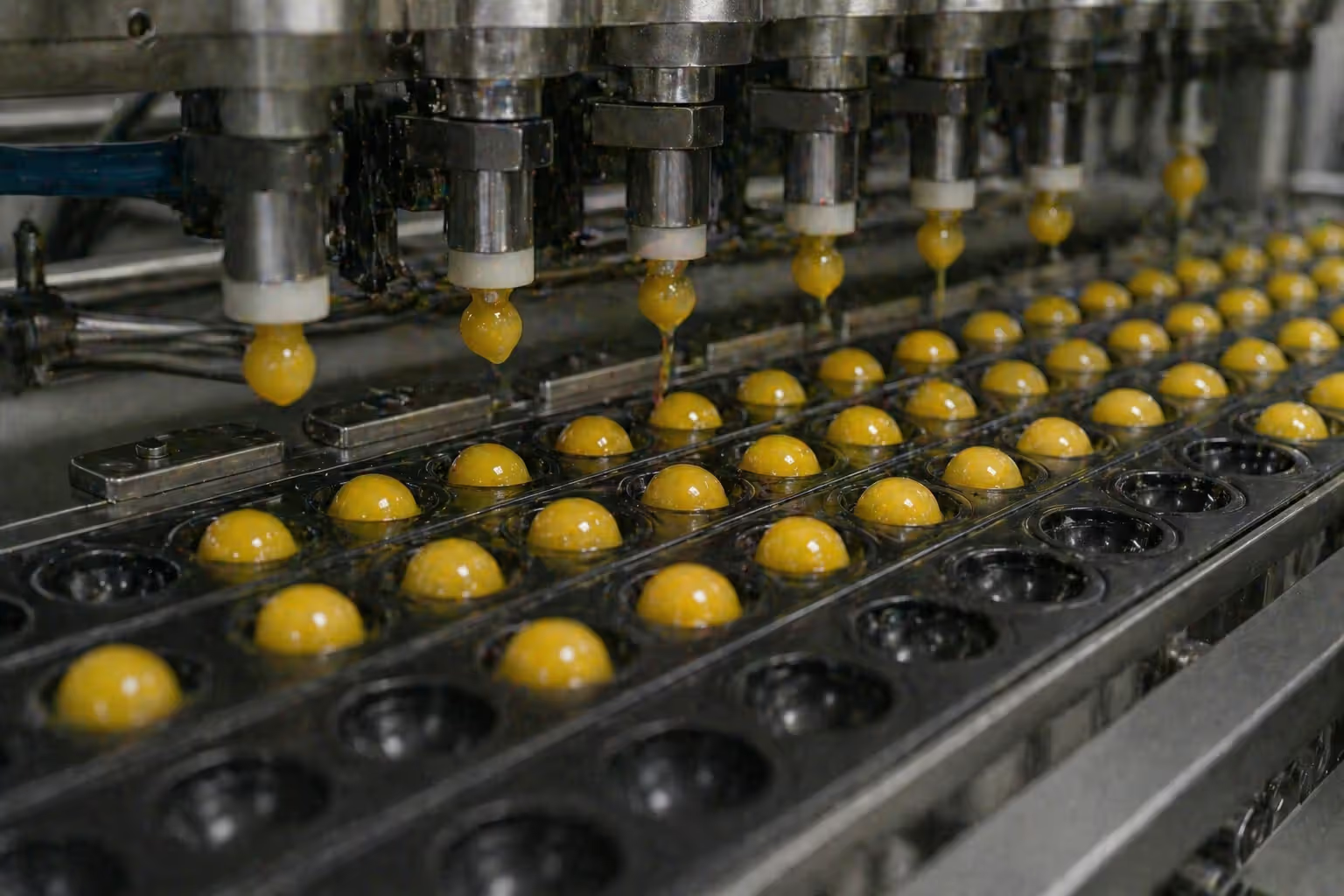
The paintball manufacturing process mirrors pharmaceutical capsule production lines, employing specialized rotary encapsulation equipment. Here's the transformation from raw ingredients to finished ammunition:
Gelatin mixing: Technicians dissolve pharmaceutical-grade gelatin powder in heated water alongside plasticizers and any color additives, maintaining temperatures between 140-160°F throughout dissolution. Filtration removes microscopic particles that could create structural weaknesses in finished capsules.
Fill blending: Separate mixing vessels combine PEG foundation with pigments, oils, and proprietary additives matching specific performance targets. Viscosity must hit precise windows—runny fills won't mark distinctly while overly thick formulations jam during encapsulation machinery operation.
Capsule formation: Rotary die equipment features opposing drums containing thousands of tiny hemisphere-shaped pockets. Liquid gelatin coats both drums, settling into each depression as the drums rotate. Fill material gets precisely metered into bottom hemispheres before drum alignment presses top and bottom halves together, sealing complete spheres. Industrial machines generate over 100,000 finished paintballs hourly.
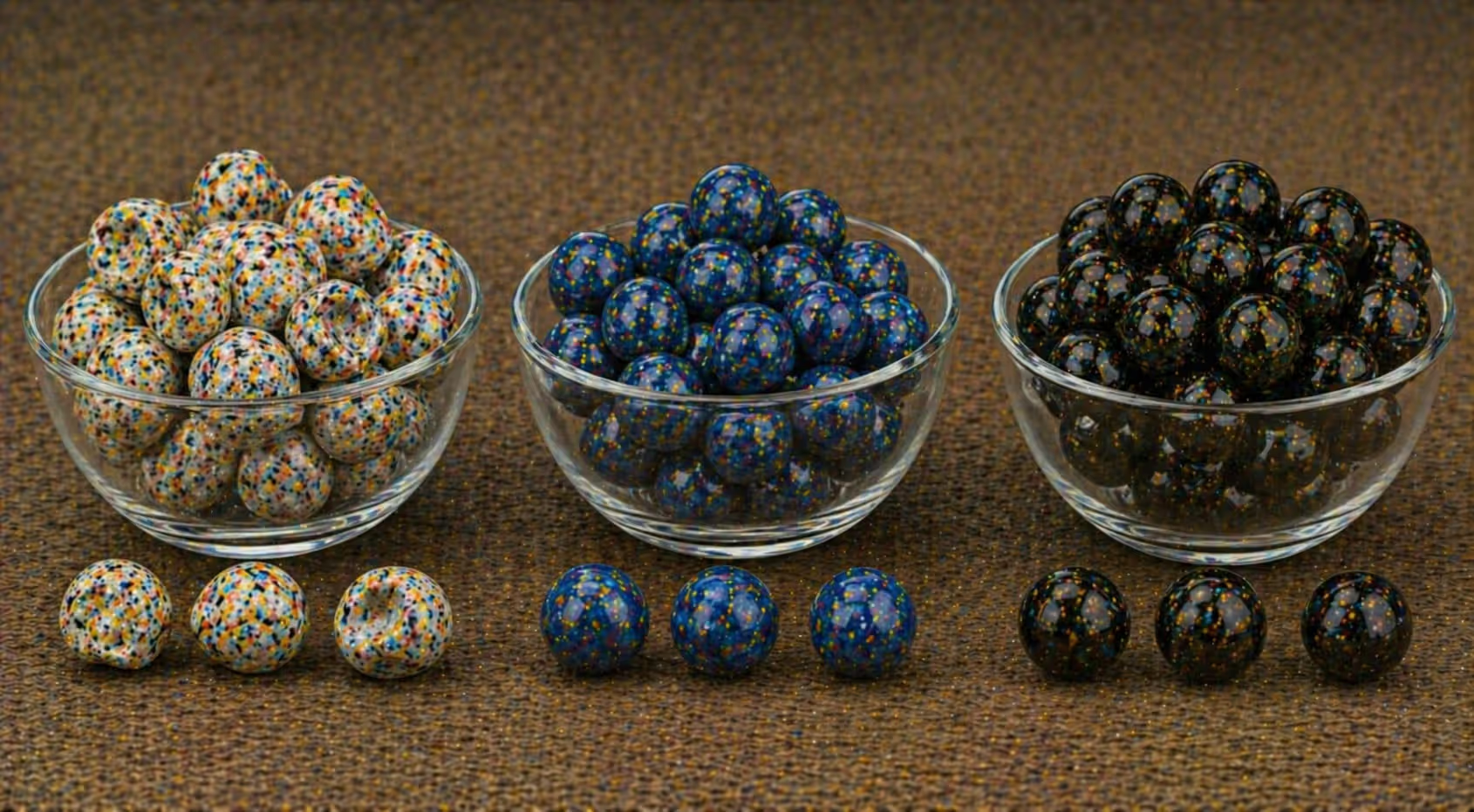
Moisture removal: Freshly formed paintballs carry excess water and haven't achieved proper hardness. Climate-controlled drying chambers maintain specific temperature and humidity levels for 3-7 days while airflow gradually removes moisture until capsules reach target specifications. Accelerating this timeline creates deformed, dimpled products.
Polishing and grading: Dried rounds get tumbled with ultra-fine powder (vegetable starch or pharmaceutical talc) preventing them from sticking together during packaging. Automated optical inspection eliminates misshapen rounds, those showing visible defects, and any falling outside diameter specifications.
Performance verification: Quality-focused manufacturers randomly sample production batches for shell uniformity, spherical accuracy, fill consistency, and impact characteristics. Premium operations fire test rounds through chronograph-equipped barrels, confirming proper breaks at standard velocities (280-300 feet per second) while verifying they remain intact during normal handling conditions.
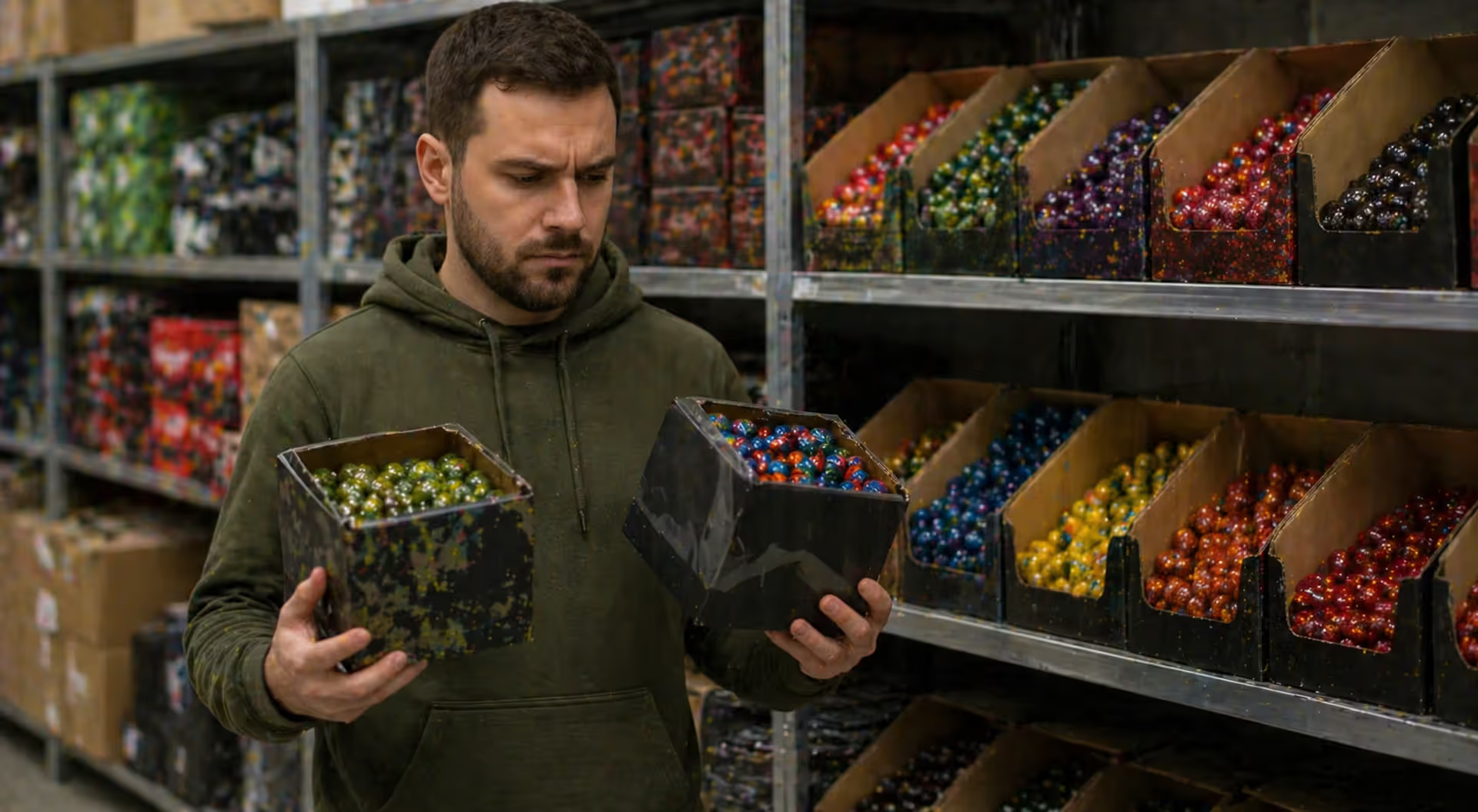
Final packaging: Approved paintballs get sealed inside moisture-blocking bags, usually containing 500 or 2,000 round counts. Moisture-absorbing desiccant packets accompany each bag maintaining optimal humidity during warehouse storage and retail display.
Author: Logan Mercer;
Source: lakestaytents.com
Complete production from raw materials to retail-ready packages spans approximately two weeks for quality-conscious manufacturers, though some budget operations accelerate drying stages to increase throughput—producing inferior rounds that deform rapidly or shatter prematurely.
Biodegradable and Environmental Properties
Standard paintballs legitimately qualify as biodegradable paintballs since both gelatin capsules and PEG-based interiors decompose through natural bacterial activity and weather exposure. Gelatin shells typically disappear within 4-6 months when soil microbes and moisture interact with them, matching degradation rates of similar protein-based materials.
The term water soluble paintballs describes how fill components behave after capsule rupture—when rain or field irrigation encounters broken rounds, the liquid interior dissolves and disperses instead of forming persistent residue. Testing demonstrates that PEG fills completely vanish within 24-48 hours of moisture contact, leaving behind only trace pigment amounts.
Environmental concerns remain minimal at professionally operated facilities with adequate drainage systems. The quantities involved—even at high-volume commercial fields—represent negligible additions to local ecosystems compared to naturally occurring organic decomposition.
Forward-thinking manufacturers now offer enhanced ecological formulations featuring:
- Seaweed-derived gelatin substitutes (carrageenan extracts) or pectin from fruit sources
- Renewable-feedstock PEG synthesized from plant materials instead of petroleum precursors
- Vegetable-extracted natural pigments replacing synthetic laboratory-created dyes
These premium "green" alternatives perform identically to conventional versions while appealing to environmentally conscious field operators and sustainability-minded players. Expect pricing premiums around 10-15% reflecting specialized ingredient costs.
The primary outdoor concern isn't chemical toxicity but temporary visual impact. Fresh paint splatters create colorful patterns on vegetation and structures. Responsible venue managers schedule regular cleanup activities and restrict play near ecologically sensitive waterways or protected conservation zones, despite the materials themselves presenting zero chemical hazards.
Quality Differences in Paintball Materials
Paintball quality links directly to ingredient purity, manufacturing tolerances, and inspection standards. Performance gaps become apparent when examining recreational, mid-grade, and tournament categories:
Paintball Component Comparison
| Performance Tier | Capsule Construction | Interior Formula | Environmental Breakdown | Cost Per 2,000 Rounds |
| Recreational | Basic gelatin, heavy walls (0.009") | Simple PEG mixture, standard colorants | Capsule: 4-6 months / Fill: 48 hours | $25-$35 |
| Mid-Grade | Purified gelatin, medium walls (0.007-0.008") | Blended PEG varieties, quality dyes | Capsule: 3-5 months / Fill: 36 hours | $45-$65 |
| Tournament | Pharmaceutical gelatin, light walls (0.006-0.007") | Laboratory-balanced PEG, premium pigments | Capsule: 2-4 months / Fill: 24 hours | $75-$120 |
Entry-level recreational rounds employ acceptable gelatin that hasn't undergone extensive refinement, potentially containing molecular weight variations. Individual capsules within a single bag might exhibit slight hardness differences. Thicker walls help them survive casual storage and basic hopper systems while reducing reliability against soft surfaces or reduced velocities.
Middle-tier products strike a balance between durability and competitive performance. Better gelatin filtration and stricter production oversight yield superior roundness consistency and wall uniformity. These serve regular players seeking dependable results without tournament-grade pricing.
Competition paintball composition represents engineering pinnacles. Ultra-thin capsules rupture reliably against padded obstacles—essential for tournament play where non-breaking hits (bounces) can decide match outcomes. Fill viscosity gets calibrated precisely for maximum visibility without creating excessive mess. Roundness specifications under 0.003 inches deliver measurably improved long-range accuracy.
Storage longevity trades inversely with capsule thinness. Budget recreational rounds might remain functional 6-8 months under proper conditions (climate-controlled, sealed containers), whereas tournament ammunition frequently degrades within 2-3 months. Thin capsules absorb atmospheric humidity faster, causing expansion and shape distortion that destroys accuracy.
Author: Logan Mercer;
Source: lakestaytents.com
Temperature brittleness represents another quality indicator. Cheaply produced rounds sometimes skimp on plasticizer additives, making capsules prone to fracturing during magazine feeding or cold-weather play. Quality manufacturers adjust seasonal formulations, boosting glycerin content in winter production runs for enhanced cold-weather flexibility.
Price differences reflect genuine material and process variations beyond marketing positioning. Tournament rounds demand tighter specifications throughout production, generating higher rejection percentages during quality inspections. Premium manufacturers might reject 15-20% of output failing to meet standards, while budget producers accept nearly anything roughly spherical that holds liquid inside.
Safety and Non-Toxic Certification
Paintball ingredients satisfy rigorous safety benchmarks despite falling outside formal FDA regulatory jurisdiction (sporting goods don't require FDA clearance). Manufacturers voluntarily select FDA-cleared food-grade and pharmaceutical-grade components ensuring both safety compliance and market acceptance.
Capsule gelatin matches the chemical composition of pharmaceutical capsules surrounding vitamins and prescription medications. It passes identical purity testing protocols and satisfies USP (United States Pharmacopeia) pharmaceutical manufacturing standards. This means capsule material poses no danger even during accidental swallowing, although intentionally consuming paintballs isn't advisable given their unpleasant flavor and zero nutritional content.
All our paintball shells use pharmaceutical-grade gelatin identical to vitamin capsules, and our fills contain only ingredients approved for cosmetic and food contact applications. We maintain the same quality standards as if these were going into someone's medicine cabinet, because we know breaks happen and players get fill on their skin and sometimes in their mouths.
— Mike Chen
Dermal safety profiles rate excellent. PEG-based fills appear in hand lotions, toothpaste formulations, and numerous personal care items. They don't trigger irritation for the overwhelming majority of users, though individuals carrying specific PEG sensitivities (extremely rare, affecting under 0.1% of populations) should recognize potential reactions.
Accidental consumption presents minimal health concerns. Paintballs taste horrendous—players accidentally shot in unprotected mouths describe bitter, medicinal flavors—but the small fill volumes typically encountered during recreational play carry no medical risks. The components pass through digestive systems without absorption. Parents occasionally worry about young children deliberately eating paintballs, but the terrible taste provides powerful natural discouragement.
Cleaning success depends primarily on dye formulation and fabric type. Cotton naturally absorbs pigments more readily than polyester or nylon synthetics. Most fills rinse completely from synthetic clothing and treated cotton using cold water alone. Timing matters critically—washing within several hours of exposure. Permitting fill to dry on fabric, particularly light-colored natural materials, can set dyes requiring enzymatic laundry treatments or specialized stain removers.
Eye safety demands separate consideration. While materials themselves carry no toxicity, impact forces can inflict severe ocular injuries. This explains why ASTM-certified protective masks remain mandatory at all legitimate paintball venues. The chemical composition won't harm eyes, but kinetic energy absolutely will.
Manufacturers commission regular independent laboratory testing verifying formulations remain non-toxic and satisfy industry benchmarks. The Paintball Sports Trade Association (PSTA) publishes recommended safety guidelines, though manufacturer participation remains voluntary. Reputable producers supply Safety Data Sheets (SDS) documenting exact formulations and comprehensive safety information.
Frequently Asked Questions About Paintball Composition
Modern paintballs merge pharmaceutical-grade gelatin capsules with environmentally friendly, water-dissolving PEG fills, creating ammunition that marks targets effectively while maintaining safety and ecological responsibility. The production process parallels pharmaceutical manufacturing, deploying precision machinery and comprehensive quality controls for consistent field performance.
Performance variations between budget recreational and premium tournament grades stem from legitimate material science and engineering differences—thinner capsule walls, tighter manufacturing tolerances, and laboratory-optimized formulations justify premium pricing for competitive players. Understanding these compositional differences empowers informed selection matching your gameplay style and budget constraints.
The non-toxic formulation delivers confidence that skin exposure, environmental discharge, and accidental ingestion present negligible hazards. Appropriate storage maximizes paintball lifespan, while prompt garment washing prevents pigment staining. Whether you're enjoying weekend recreational play or competing in serious tournaments, understanding the engineering inside those vibrant spheres helps you make educated purchasing decisions and appreciate the chemistry enabling this distinctive sport.