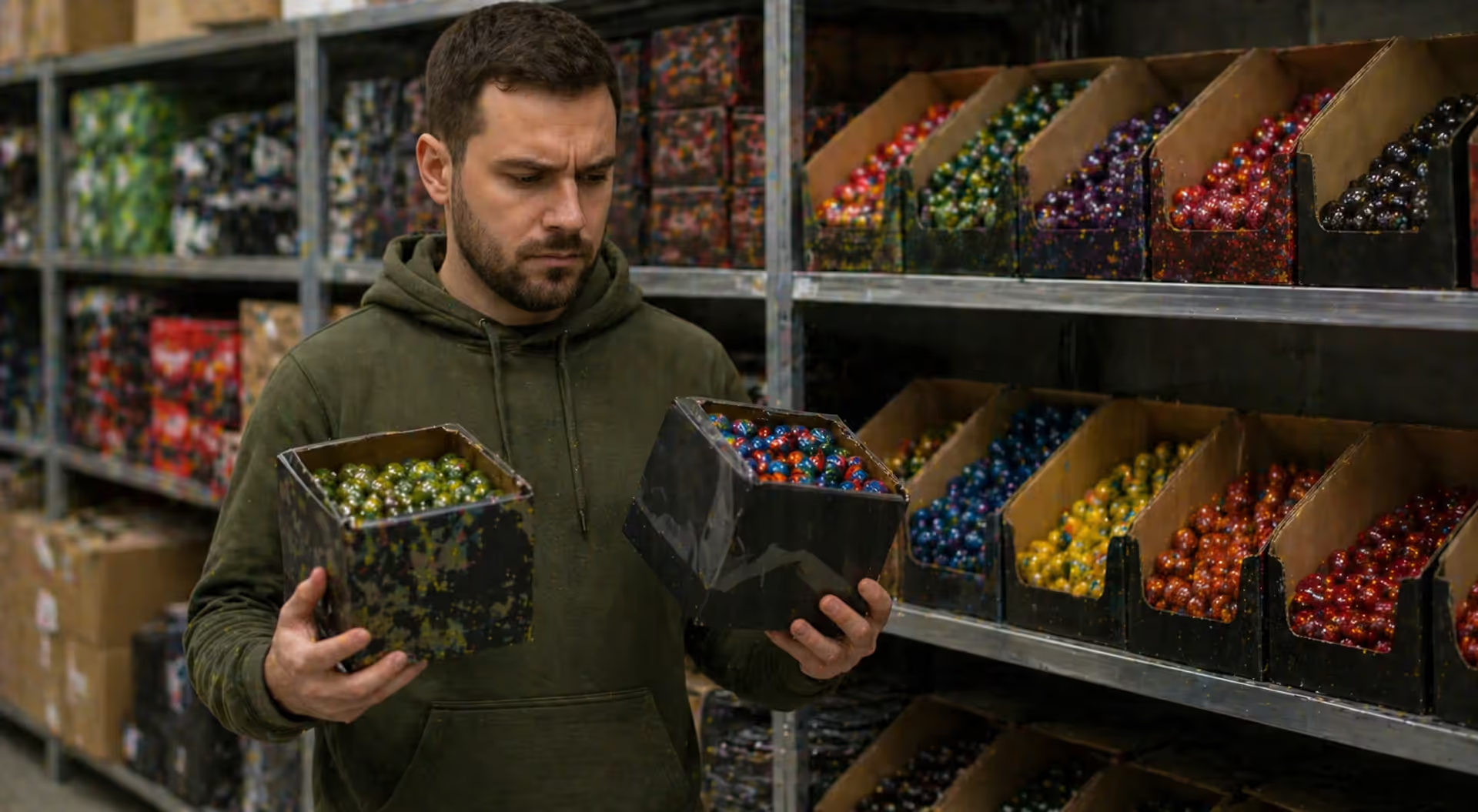
person comparing different paintball brands before purchase
How to Choose the Right Paintballs?

Content
Choosing paintballs seems straightforward until you're standing in front of dozens of options with wildly different prices and promises. The wrong choice means wasted money on paint that breaks in your hopper, flies off-target, or bounces off opponents without marking them. The right choice transforms your accuracy and ensures every shot you take has the best chance of connecting.
Understanding what separates premium paintball ammo from budget options requires looking beyond marketing claims and examining the physical characteristics that affect performance. Whether you're buying your first bag of paintballs or ordering bulk paintball supplies for a team, knowing these differences saves money and frustration on the field.
What Makes Quality Paintballs Different
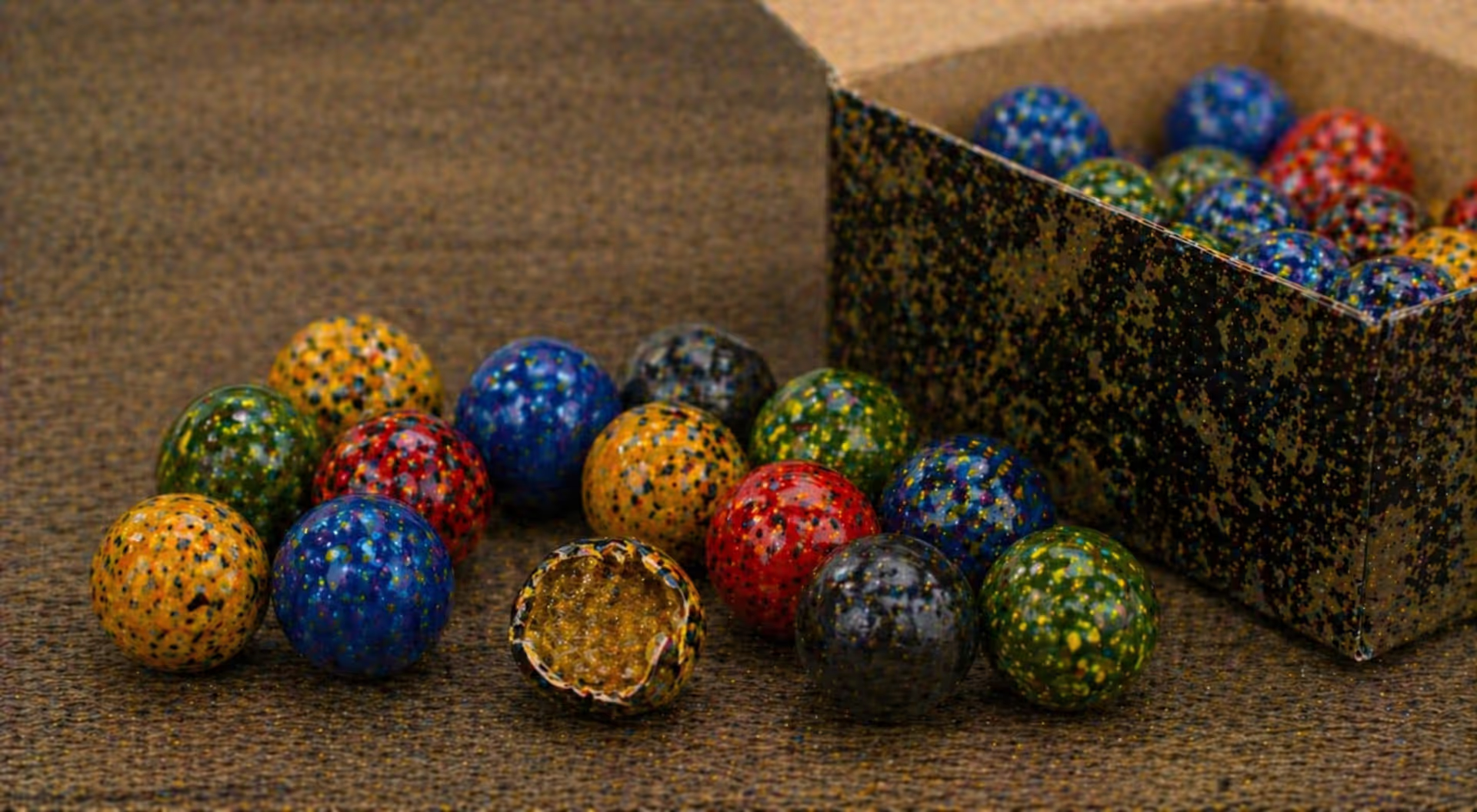
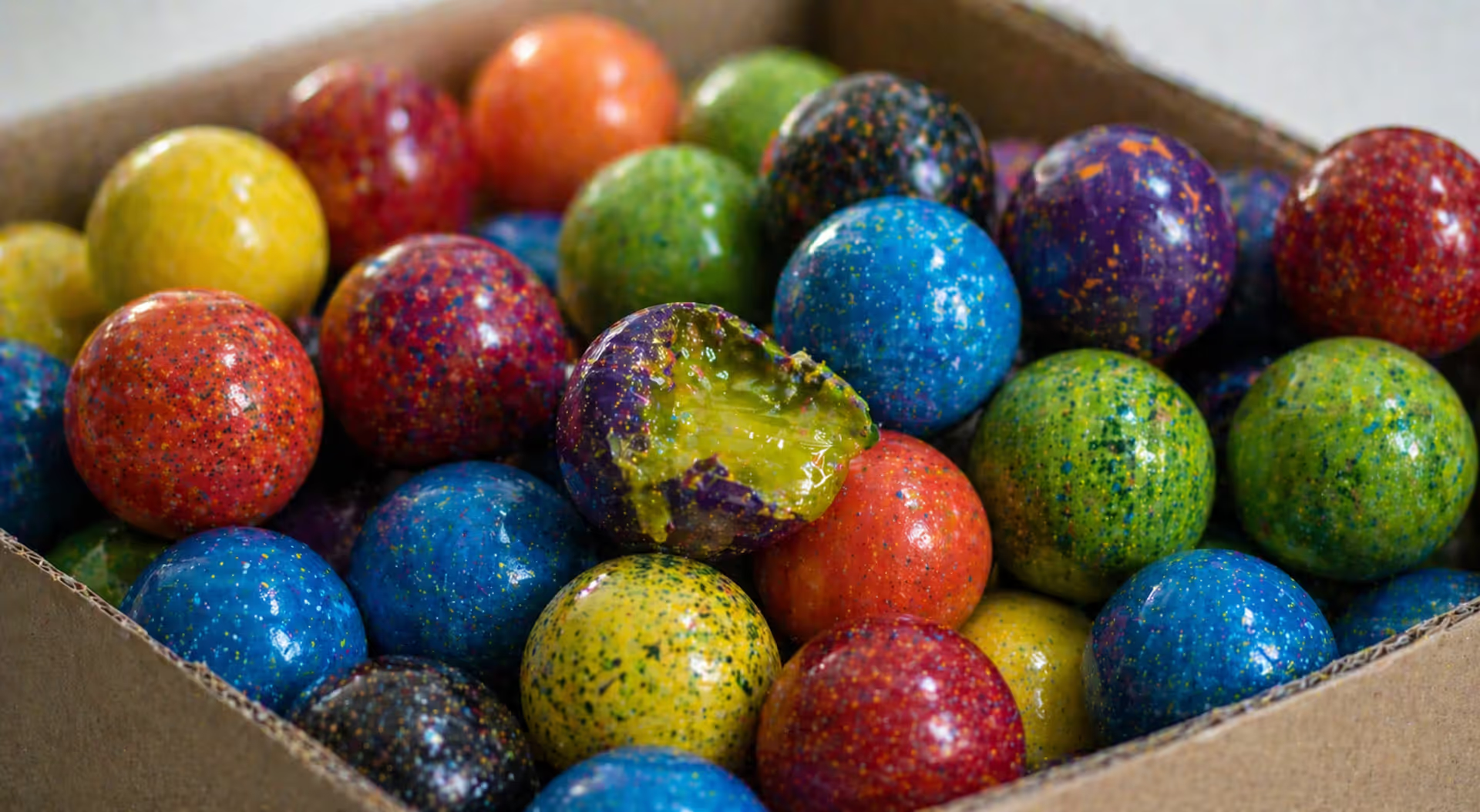
Shell thickness determines whether paintballs break on impact or bounce off your target. Premium paintball balls use gelatin shells between 0.0025 and 0.003 inches thick—thin enough to rupture reliably on contact but thick enough to survive feeding through your marker without breaking in the barrel. Budget options often skimp on quality control, resulting in inconsistent shell thickness that causes some balls to break prematurely while others bounce.
Fill quality affects both visibility and cleanup. Tournament-grade paint uses water-soluble, biodegradable fills with bright pigments that show clearly against any jersey color. Cheaper fills may use less pigment, creating lighter marks that referees struggle to see from a distance. Some recreational-grade paintballs use oil-based fills that stain clothing and equipment—acceptable for casual play but banned at most organized events.
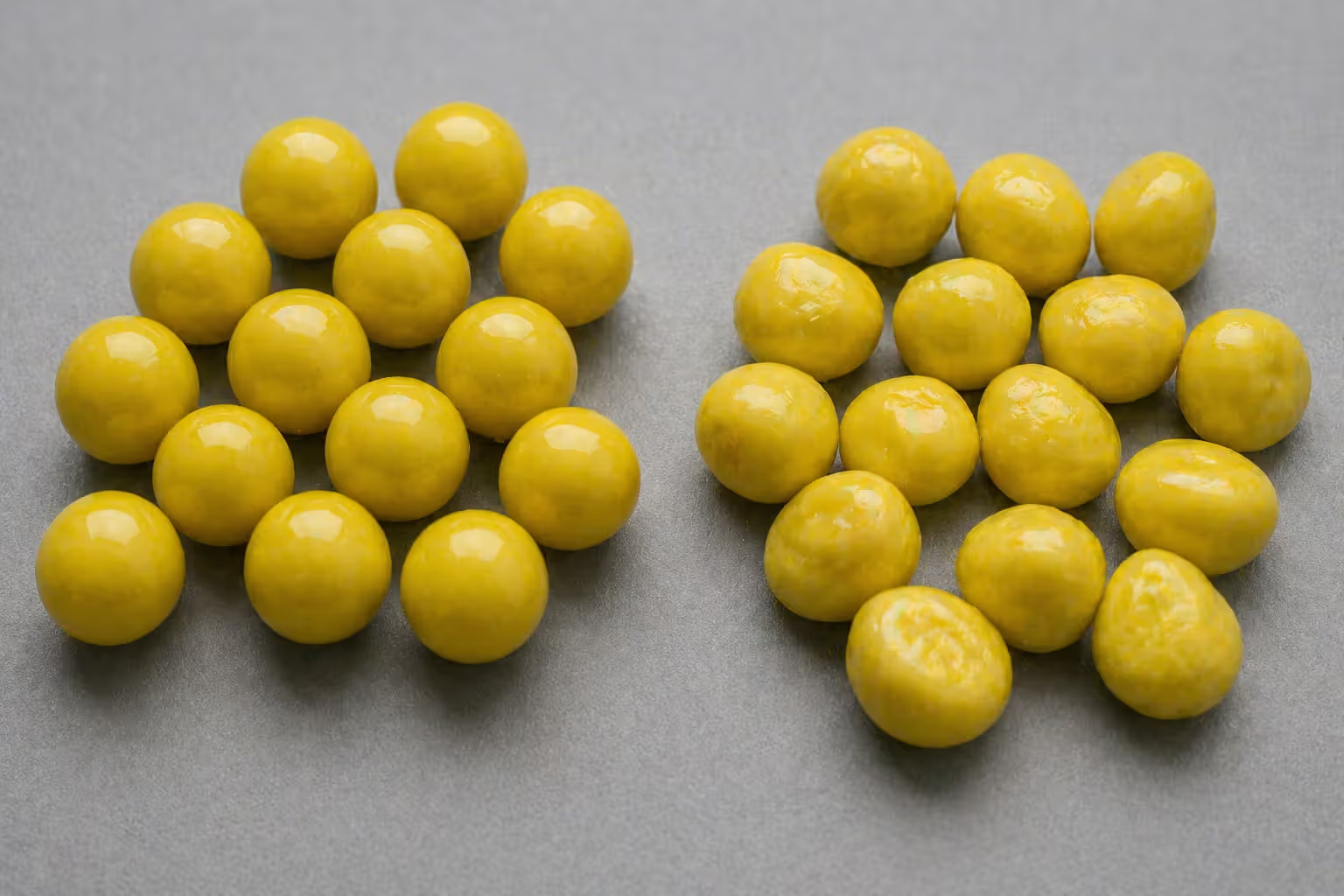
Roundness matters more than most players realize. A perfectly spherical paintball flies straight and predictable. Deformed balls—even slightly oval ones—tumble through the air, curving unpredictably and dropping short of your target. Quality manufacturers measure roundness to within 0.005 inches of perfect sphericity. Budget brands may allow variations up to 0.015 inches, enough to send shots veering left or right by several feet at 100 feet.
Storage conditions before purchase affect performance as much as manufacturing quality. Paintballs exposed to heat during shipping or warehouse storage develop soft spots and dimples. Those stored in cold conditions become brittle and break in your hopper. Reputable retailers climate-control their inventory and rotate stock regularly. Gas stations and discount stores often sell paintballs that have sat in uncontrolled environments for months.
Author: Caleb Varden;
Source: lakestaytents.com
The best paintballs combine all these factors: consistent shell thickness, high-quality fill with strong pigmentation, near-perfect roundness, and proper storage from factory to field. You'll notice the difference immediately in tighter groupings and higher break rates on target.
Paintball Sizes and Quantities Explained
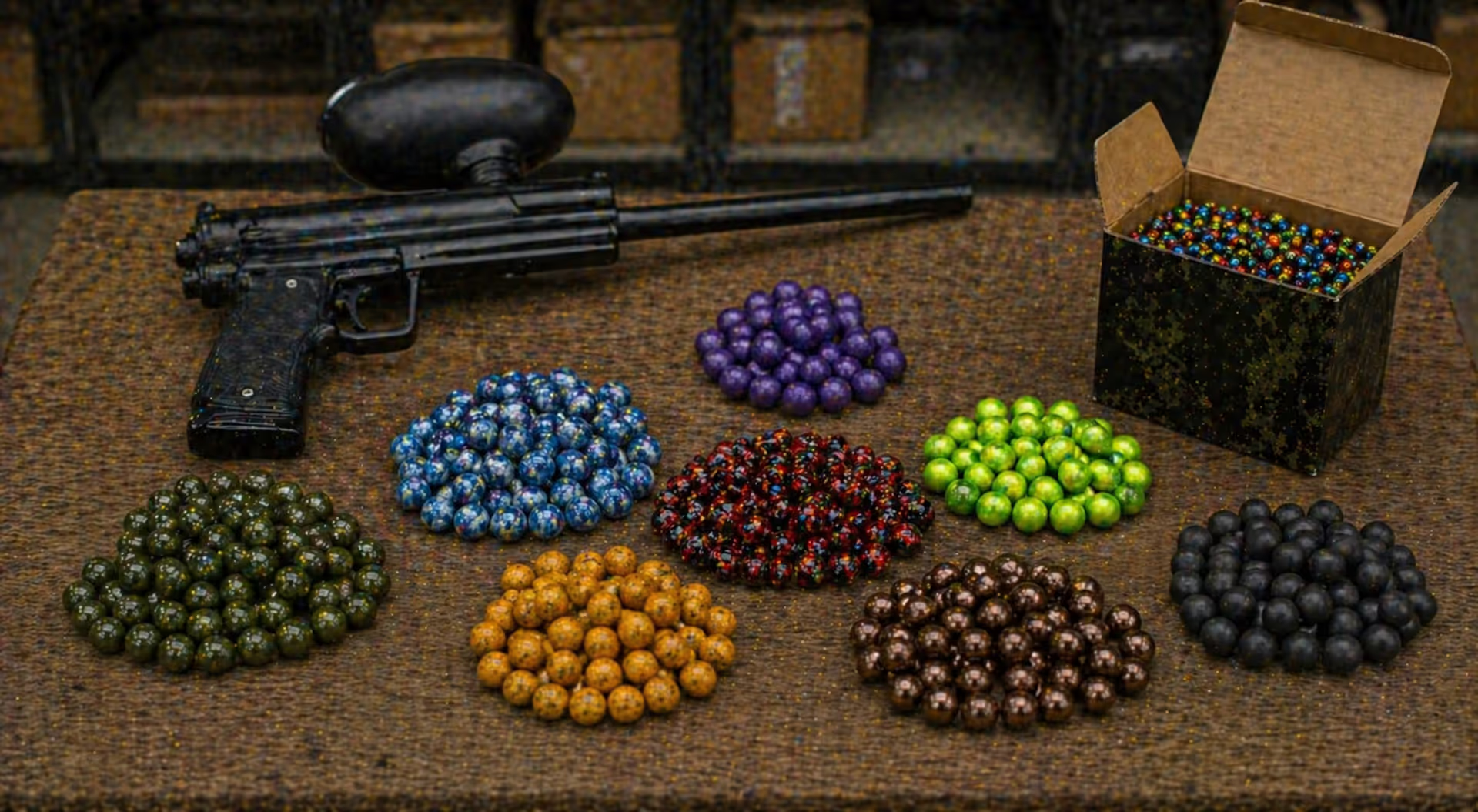
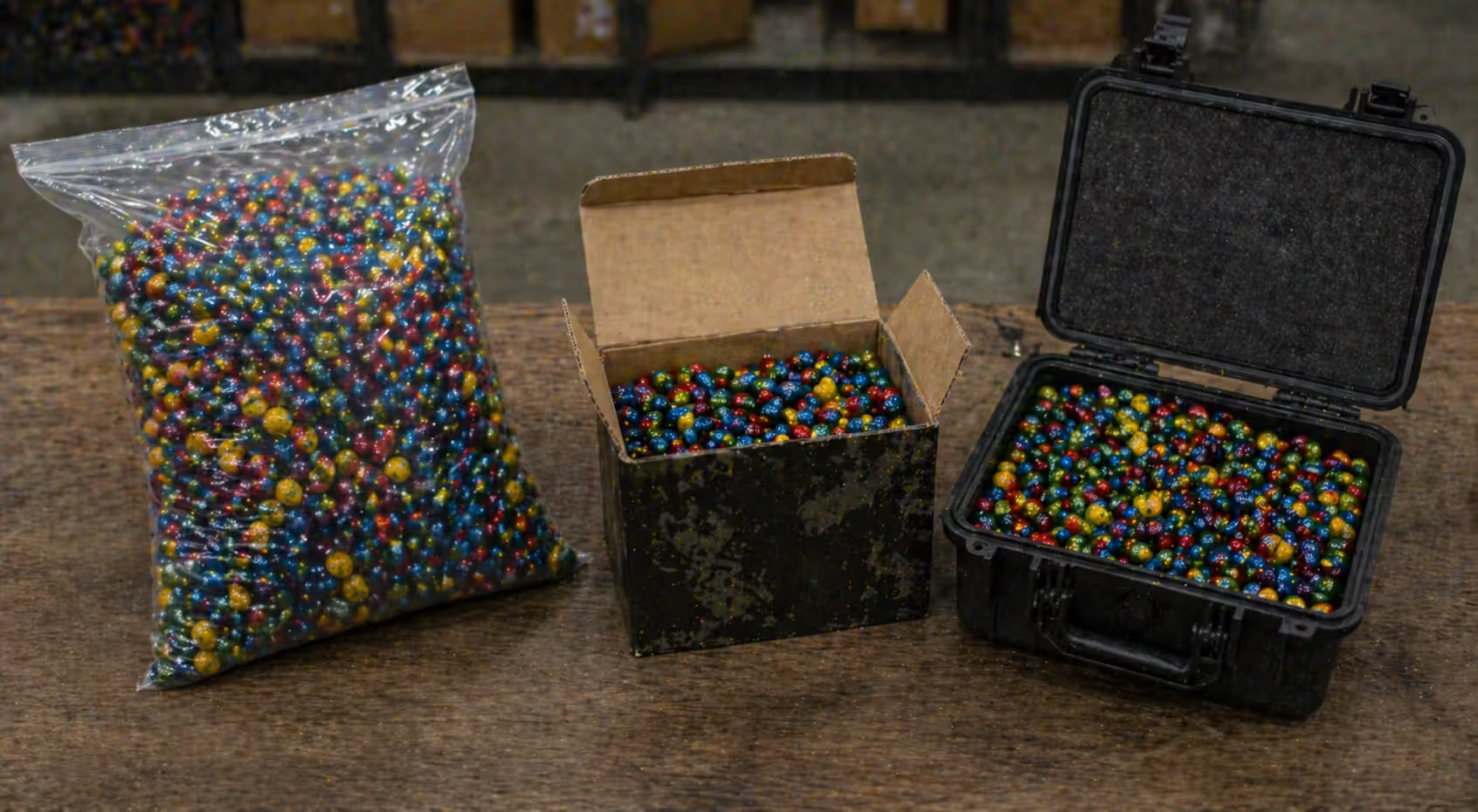
Standard packaging comes in three main formats: bags, boxes, and cases. A bag of paintballs typically holds 500 rounds in a sealed plastic pouch—convenient for carrying and feeding directly into some hoppers. Boxes contain either 500 or 2,000 rounds divided into smaller bags. Cases represent bulk packaging, usually holding 2,000 rounds (four 500-count bags) or 4,000 rounds (two 2,000-count boxes).
The 500 paintballs count suits casual players attending occasional weekend games. Most recreational players shoot between 200 and 400 rounds during a typical three-hour session, making a single bag sufficient for one outing with some left over. This quantity also works well for testing new brands before committing to larger purchases.
The 1000 paintballs quantity serves regular players who attend multiple sessions per month or aggressive shooters who go through ammunition quickly. Buying 1000 rounds at once typically reduces per-ball cost by 15-25% compared to purchasing two separate 500-count bags. This size also makes sense for players who want backup inventory at home without investing in full cases.
Author: Caleb Varden;
Source: lakestaytents.com
When to Buy 500 vs 1000 Paintballs
Buy 500 paintballs when you're trying an unfamiliar brand, playing infrequently, or have limited storage space. The smaller quantity minimizes risk if the paint performs poorly or degrades before you use it all. Players who shoot conservatively—taking aimed shots rather than laying down suppressive fire—often find 500 rounds lasts two or three outings.
Choose 1000 paintballs when you've found a brand you trust and play at least twice monthly. The cost savings justify the larger purchase, and you'll use the ammunition before storage becomes a concern. Speedball players who shoot rapidly during matches often go through 1000 rounds in a single day, making this their minimum purchase quantity.
Understanding Case and Box Packaging
A box of paintballs contains factory-sealed bags protected by cardboard packaging that prevents crushing during shipping. Boxes maintain paint quality better than loose bags and often include manufacture dates for tracking freshness. Most boxes hold either 500 or 2,000 rounds depending on the manufacturer's packaging standards.
A case of paintballs represents the most economical option for teams and frequent players. Cases contain 2,000-4,000 rounds with per-ball costs 30-40% lower than buying equivalent quantities in smaller packages. The tradeoff: you need climate-controlled storage and must use the paint within 3-4 months to prevent degradation. Teams splitting cases among members get bulk pricing without individual storage concerns.
How to Select Paintballs by Play Style
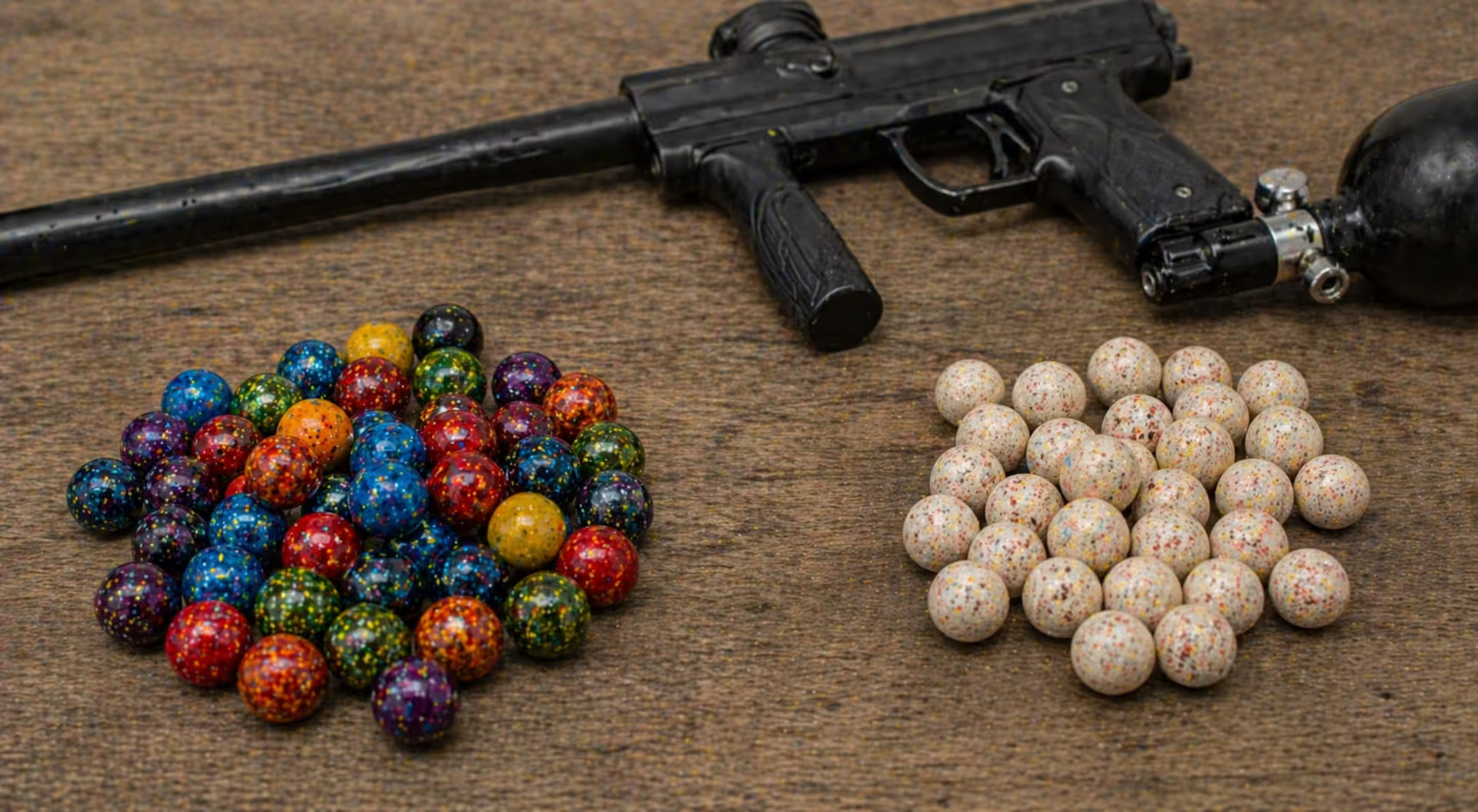
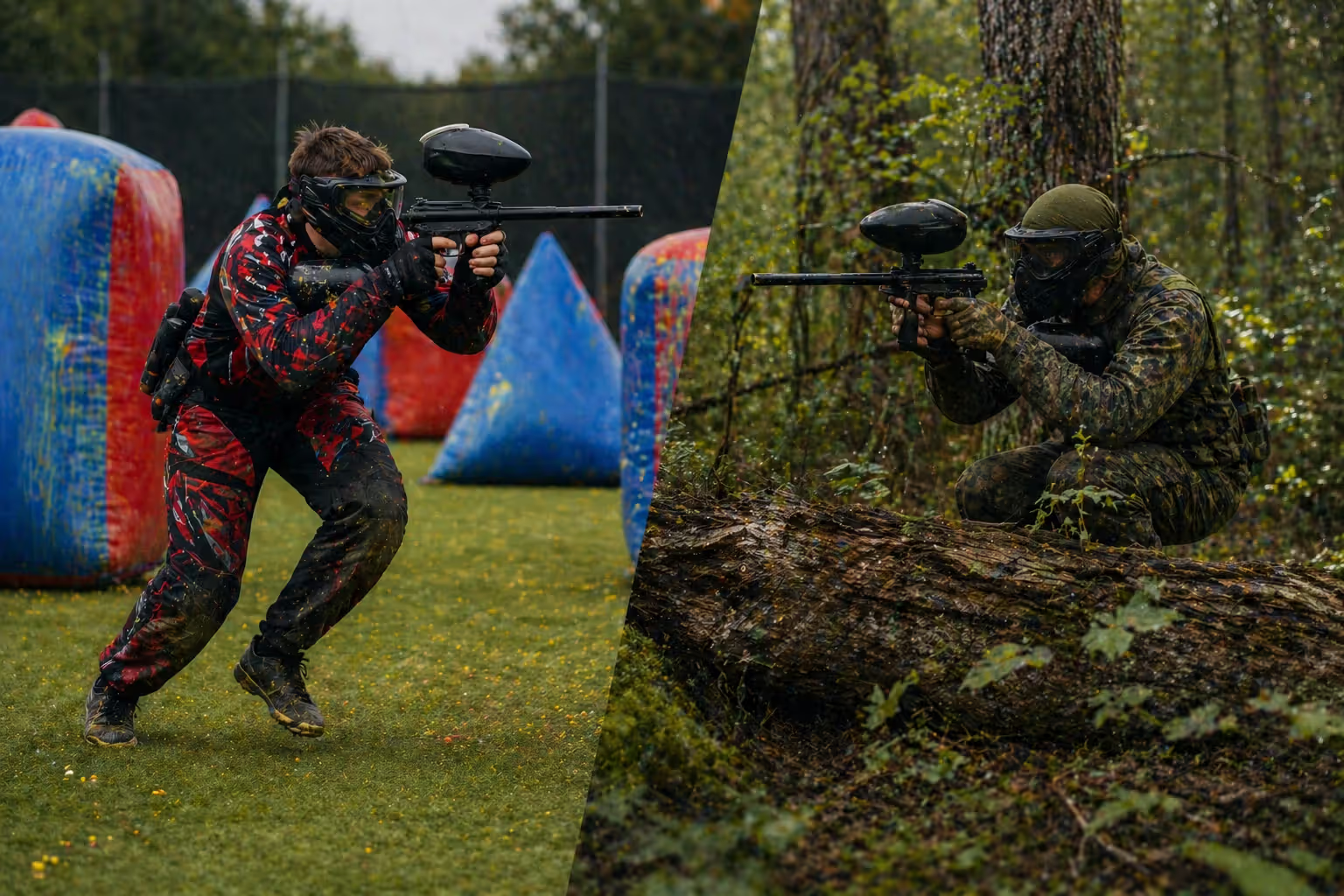
Recreational-grade paintballs feature thicker shells designed to survive rougher handling and less-precise markers. These work well for rental equipment and casual woodsball games where extreme accuracy matters less than reliability. Expect to pay $30-45 per case of 2,000 rounds. The thicker shells mean slightly higher bounce rates—perhaps 15-20% of solid hits won't break—but they won't shatter in your hopper when you're running through the woods.
Tournament-grade paintballs use thinner, more brittle shells that break on nearly any solid impact. Professional players accept the 5-10% barrel break rate in exchange for 95%+ break rates on target. These require well-maintained markers with smooth feeding systems. Prices run $50-75 per case, with premium brands reaching $90-100. The investment pays off in competitive play where every shot must count.
Author: Caleb Varden;
Source: lakestaytents.com
Woodsball players need paintball ammo that balances durability with accuracy. You'll move through brush, dive behind bunkers, and possibly carry ammunition for hours before shooting. Mid-grade options with moderately thick shells prevent breaks during movement while maintaining reasonable accuracy out to 75-100 feet. Look for brands marketed as "field grade" or "performance recreational."
Speedball demands the best paintballs available. Games happen at close range with high shot volumes, so break-on-target rates matter more than extreme-distance accuracy. The fastest players shoot 10-15 balls per second during peak exchanges—only premium paint survives that feeding rate without jamming markers. Budget an extra $20-30 per case for tournament paint if you play competitively.
Beginner-friendly options prioritize forgiveness over performance. Thicker shells survive beginner mistakes like overfilling hoppers or rough handling. Slightly larger diameter balls (0.689-0.691 inches versus 0.685-0.687 for premium paint) work better in the looser-bored barrels common on rental markers. Most fields stock recreational-grade paint specifically chosen for durability with rental equipment.
The difference between cheap and quality paintballs isn't just accuracy—it's whether your shot counts when it matters most. I've seen players lose tournament points because they saved $15 on paint that bounced off opponents at critical moments.
— Ryan Chen
Where to Buy Paintballs and Price Comparison
Local paintball fields offer convenience but charge premium prices. Expect to pay $15-25 for 500 paintballs at field pro shops—nearly double online bulk rates. The advantage: you're guaranteed fresh paint stored properly, and you can buy exactly the quantity you need for that day's play. Some fields require you purchase their paint for insurance reasons, eliminating outside options entirely.
Sporting goods stores stock paintballs year-round but with limited selection. Big-box retailers typically carry 2-3 recreational brands in 500-count bags at $12-18 per bag. Selection improves in spring and summer but shrinks to clearance inventory by late fall. Check manufacture dates carefully—discount stores sometimes sell paint that's been sitting for 6+ months.
Online bulk suppliers deliver the best per-ball pricing for players willing to order cases. Specialty paintball retailers ship fresh inventory directly from climate-controlled warehouses. Buying a case of paintballs online typically costs $35-55 including shipping for recreational grades, $60-90 for tournament paint. The catch: shipping times mean planning purchases 5-7 days ahead, and you can't inspect the paint before buying.
| Quantity | Retail Store | Paintball Field | Online Bulk |
| 500 rounds (bag) | $12–18 | $15–25 | $10–13 (plus shipping) |
| 1000 rounds (2 bags) | $24–36 | $28–45 | $18–24 (plus shipping) |
| 2000 rounds (case) | $45–65 | $50–80 | $35–55 (shipped) |
| 4000 rounds (case) | $85–120 | $95–150 | $65–95 (shipped) |
Bulk purchasing advantages extend beyond unit cost. Ordering cases lets you lock in prices before seasonal increases and ensures you're never stuck buying overpriced field paint. Teams negotiating directly with distributors sometimes secure prices 10-15% below standard online rates by committing to monthly case orders.
Price per ball breaks down dramatically at higher volumes. A 500-count bag at $15 costs 3 cents per ball. A 2,000-round case at $45 drops that to 2.25 cents—a 25% savings. A 4,000-round case at $75 reaches 1.875 cents per ball. Players shooting 2,000+ rounds monthly save $50-100 annually by buying cases instead of bags.
How to Store Paintballs Properly
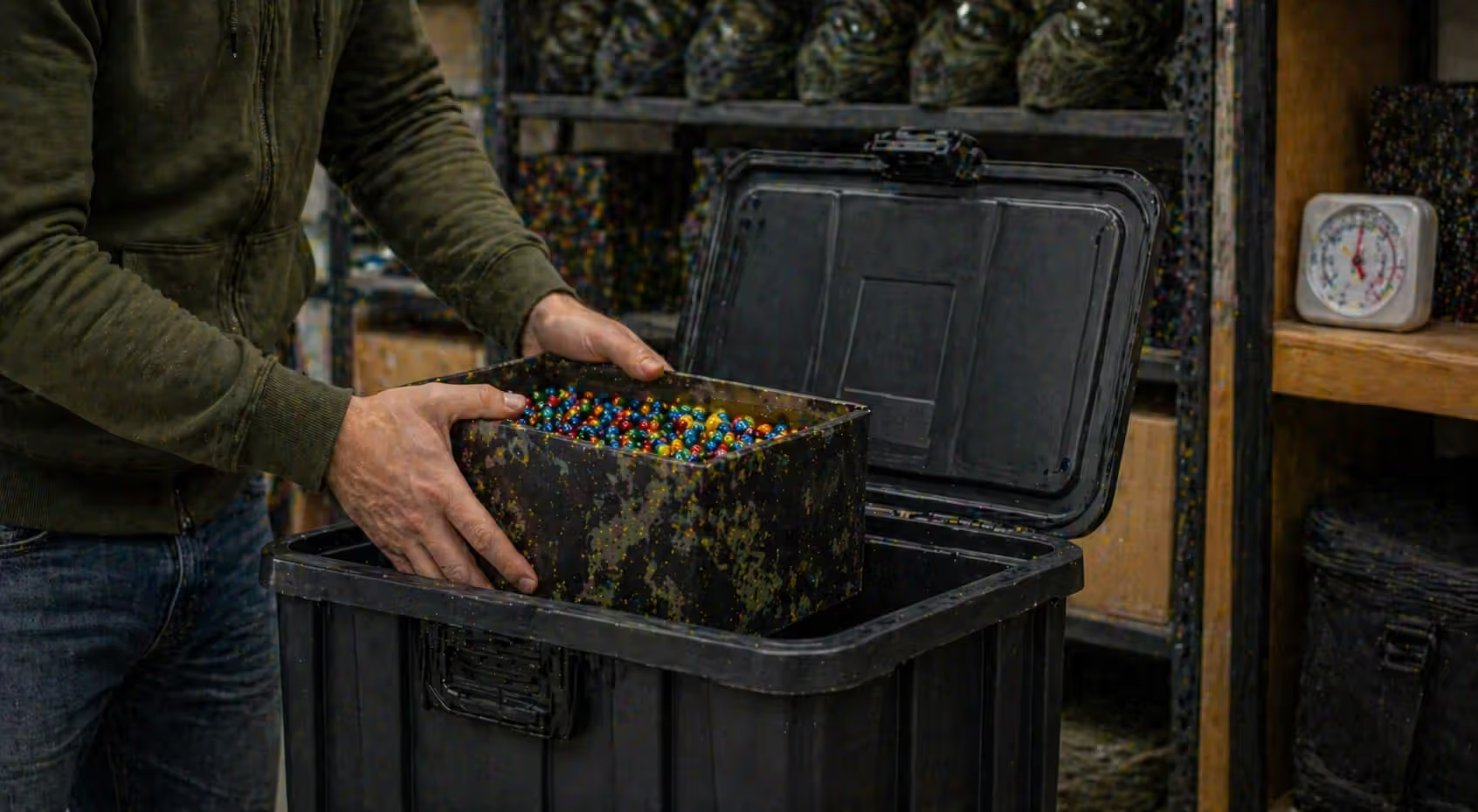
Temperature control prevents the most common storage failures. Keep paintballs between 50-70°F consistently. Higher temperatures soften gelatin shells, causing dimples and making balls stick together. Lower temperatures make shells brittle and prone to shattering. Basements usually work better than garages, which experience wider temperature swings. Never store paint in car trunks or sheds.
Humidity affects shell integrity over time. Ideal relative humidity runs 40-60%. Higher humidity causes shells to absorb moisture and swell, making them too large for barrel bores. Lower humidity dries shells out, increasing brittleness. If you live in very humid or dry climates, consider storing cases in sealed plastic bins with desiccant packs or humidity control packets.
Shelf life varies by grade and storage conditions. Tournament paint stored properly lasts 3-4 months before shell quality degrades noticeably. Recreational-grade paint with thicker shells stays usable for 4-6 months. After that, you'll notice increased dimpling, oval deformation, and inconsistent flight patterns. Some manufacturers print production dates on boxes—add 3-4 months to estimate expiration.
Preventing dimples and deformation requires rotating inventory. Paintballs sitting in one position for weeks develop flat spots from gravity and pressure. Rotate cases every 2-3 weeks by flipping them or repositioning bags within boxes. This simple step extends usable life by 30-50%. Never stack heavy items on top of paintball cases.
Original packaging provides better protection than aftermarket containers. Factory-sealed bags maintain consistent humidity and prevent crushing. If you must transfer paint to pods or hoppers, do so within 24 hours of playing rather than storing loaded pods for weeks. The constant pressure against pod walls accelerates deformation.
Author: Caleb Varden;
Source: lakestaytents.com
Common Paintball Buying Mistakes to Avoid
Buying old stock wastes money on paint that won't perform. Always check manufacture or packaging dates before purchasing. Paint sitting on store shelves for 6+ months has likely experienced temperature fluctuations that degraded quality. If dates aren't visible, ask retailers when they received the shipment. Walk away from "clearance" paintballs discounted because they're approaching or past their prime.
Wrong caliber paintballs jam markers and ruin accuracy. Most markers use .68 caliber paint, but some specialized markers (particularly .50 caliber models marketed to younger players) require specific sizes. Verify your marker's specifications before buying. Even within .68 caliber, bore sizing matters—paint ranging from .679 to .691 inches in diameter performs differently depending on your barrel's bore size.
Improper storage before first use ruins even premium paint. Players sometimes buy cases online, leave them in hot cars during errands, then wonder why the paint breaks in hoppers. Treat paintballs like groceries—get them into climate-controlled storage immediately. If you're buying paint on the way to the field, bring a cooler for transport if outside temperatures exceed 80°F.
Choosing based on price alone ignores the performance-cost relationship. The cheapest paintballs cost less per ball but produce more bounces, requiring 20-30% more shots to achieve the same eliminations as premium paint. A $40 case that bounces 25% of the time effectively costs more per elimination than a $60 case that breaks 95% of the time. Calculate cost per successful hit rather than cost per ball.
Mixing paint grades in your hopper creates feeding problems. Recreational and tournament balls have different sizes and shell thicknesses. Combining them causes jams as your marker's detent tries to accommodate varying diameters. Finish one bag completely before loading another brand.
Ignoring field requirements leads to wasted purchases. Many fields prohibit outside paint or restrict it to specific grades. Call ahead before hauling cases to the field. Some insurance policies require fields to sell their own paint exclusively—your premium tournament balls stay in the car while you buy their house brand.
Frequently Asked Questions About Paintballs
Selecting the right paintballs balances performance needs against budget constraints while accounting for storage capabilities and play frequency. Quality paint transforms accuracy and ensures shots break on target, but only when properly stored and matched to your marker and play style.
Start by determining your typical usage: casual players benefit from 500-count bags of recreational-grade paint, while frequent players save money buying cases of mid-grade options. Tournament competitors need premium paint despite higher costs because break rates directly affect competitive outcomes.
Verify storage conditions before buying bulk quantities. Temperature-controlled spaces let you capitalize on case pricing; without proper storage, stick to smaller quantities you'll use within weeks. Always check manufacture dates and avoid clearance paint that's sat for months.
The paintballs you choose affect every aspect of your game—from whether that perfect shot eliminates your opponent to whether your marker jams at the worst possible moment. Invest time understanding quality factors and storage requirements. The few extra dollars spent on fresh, properly-stored paint pays back in performance every time you pull the trigger.