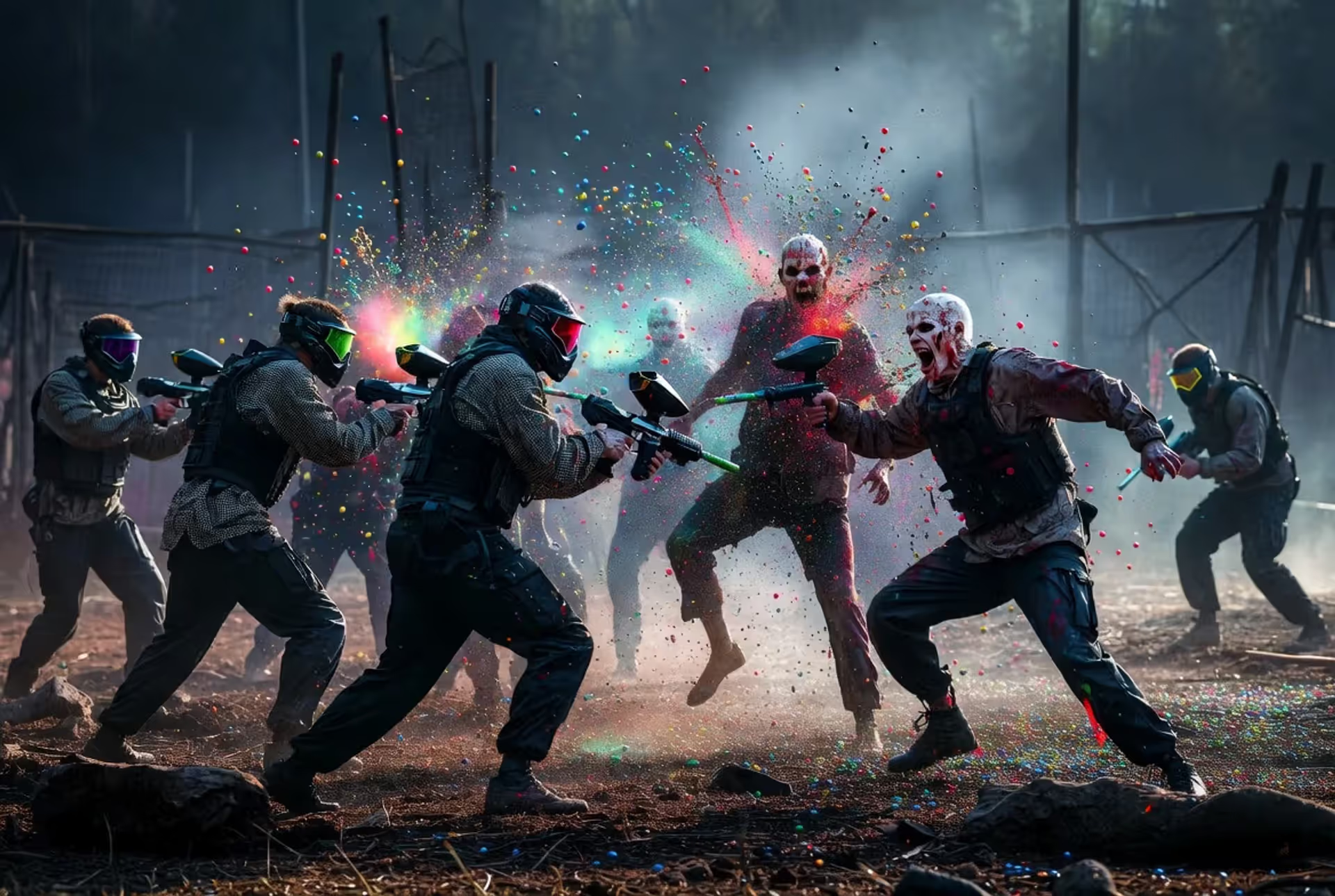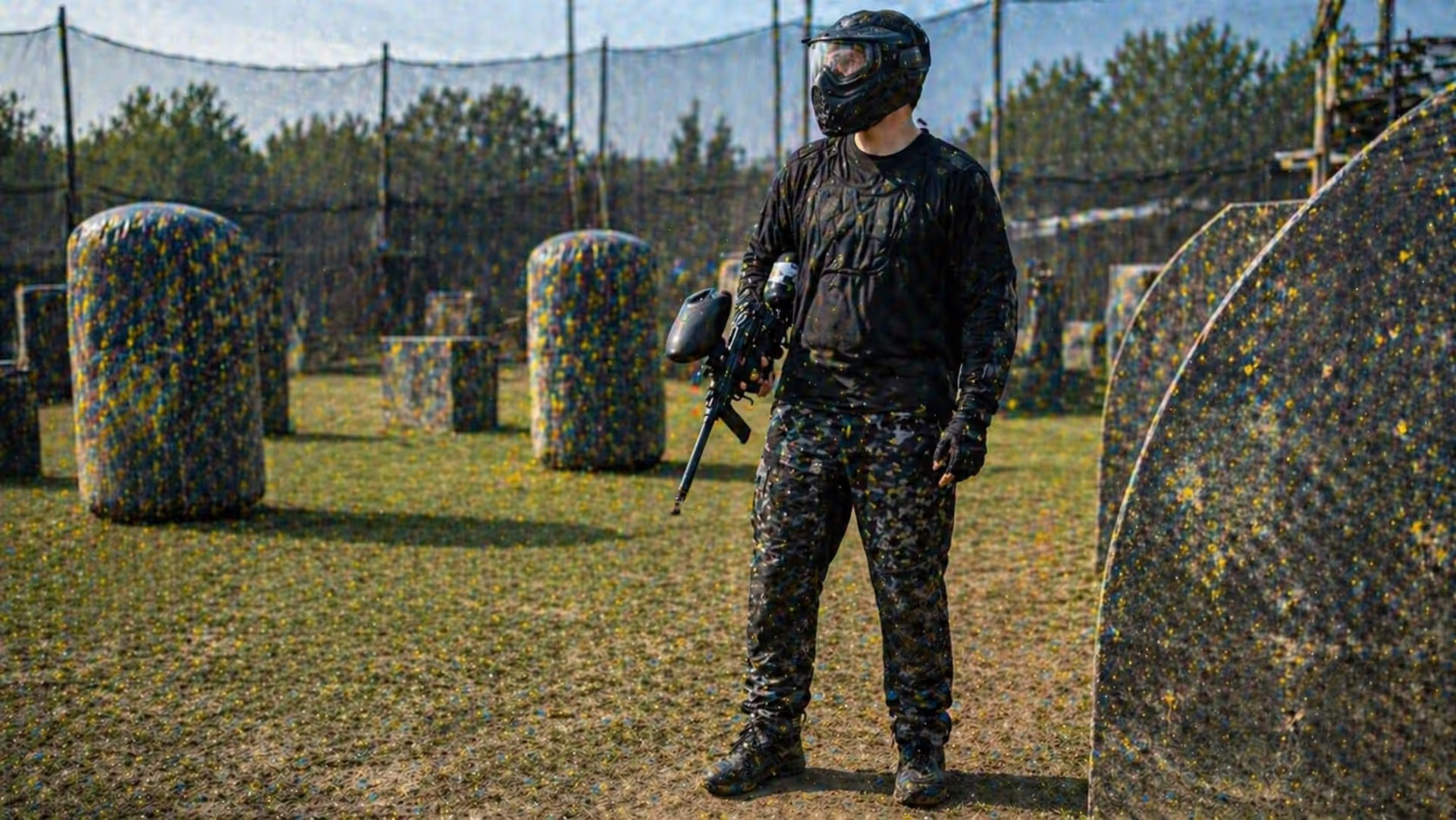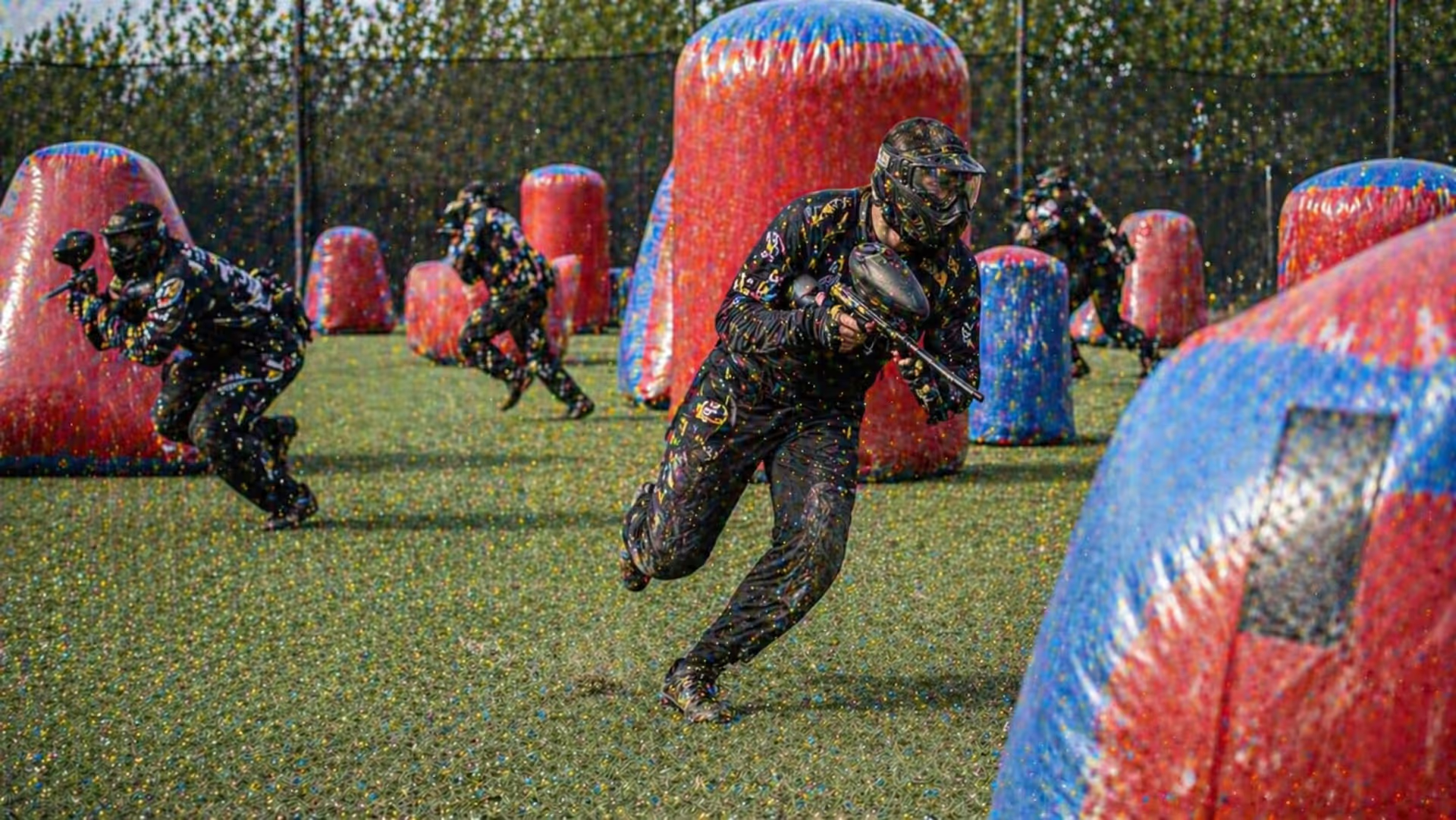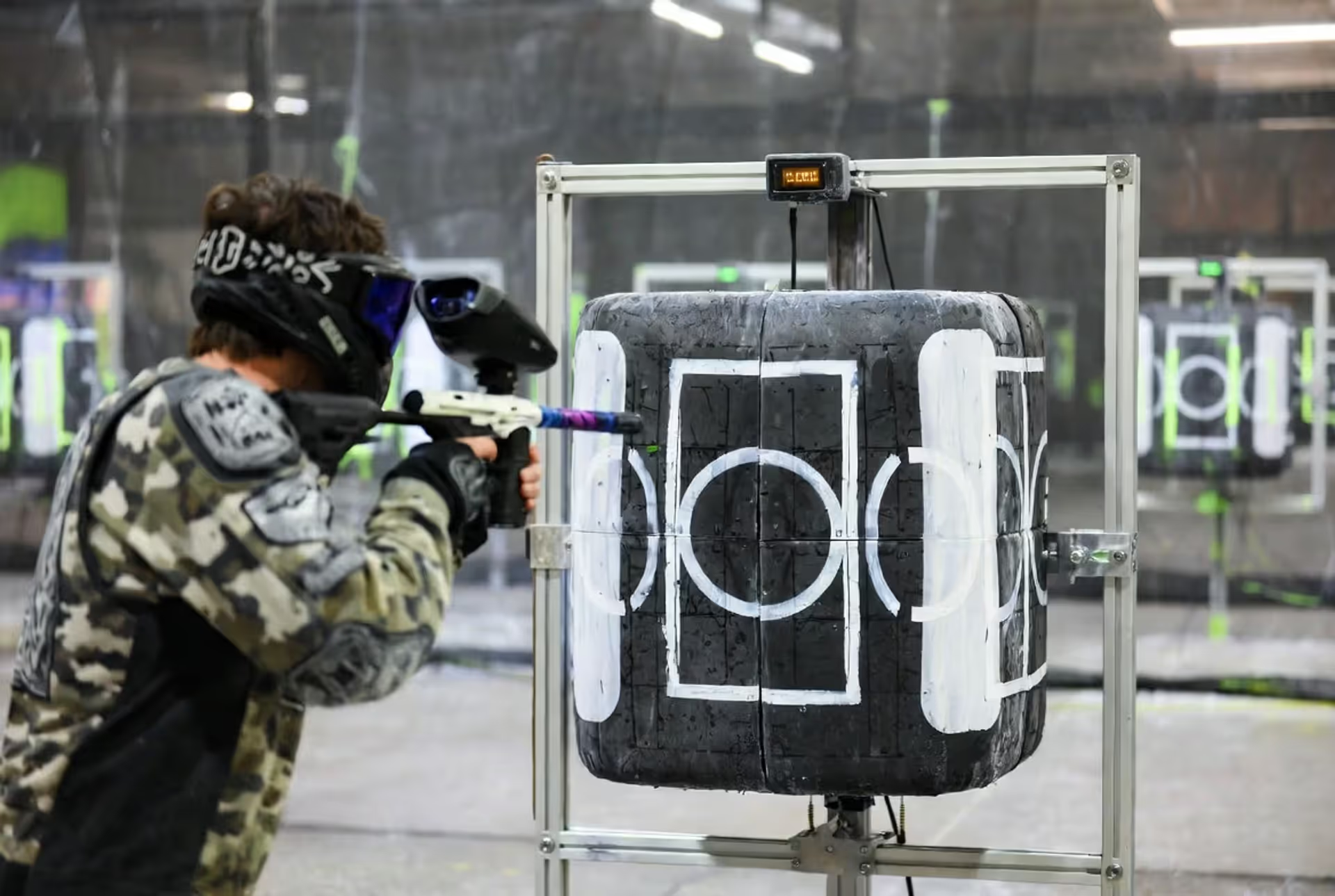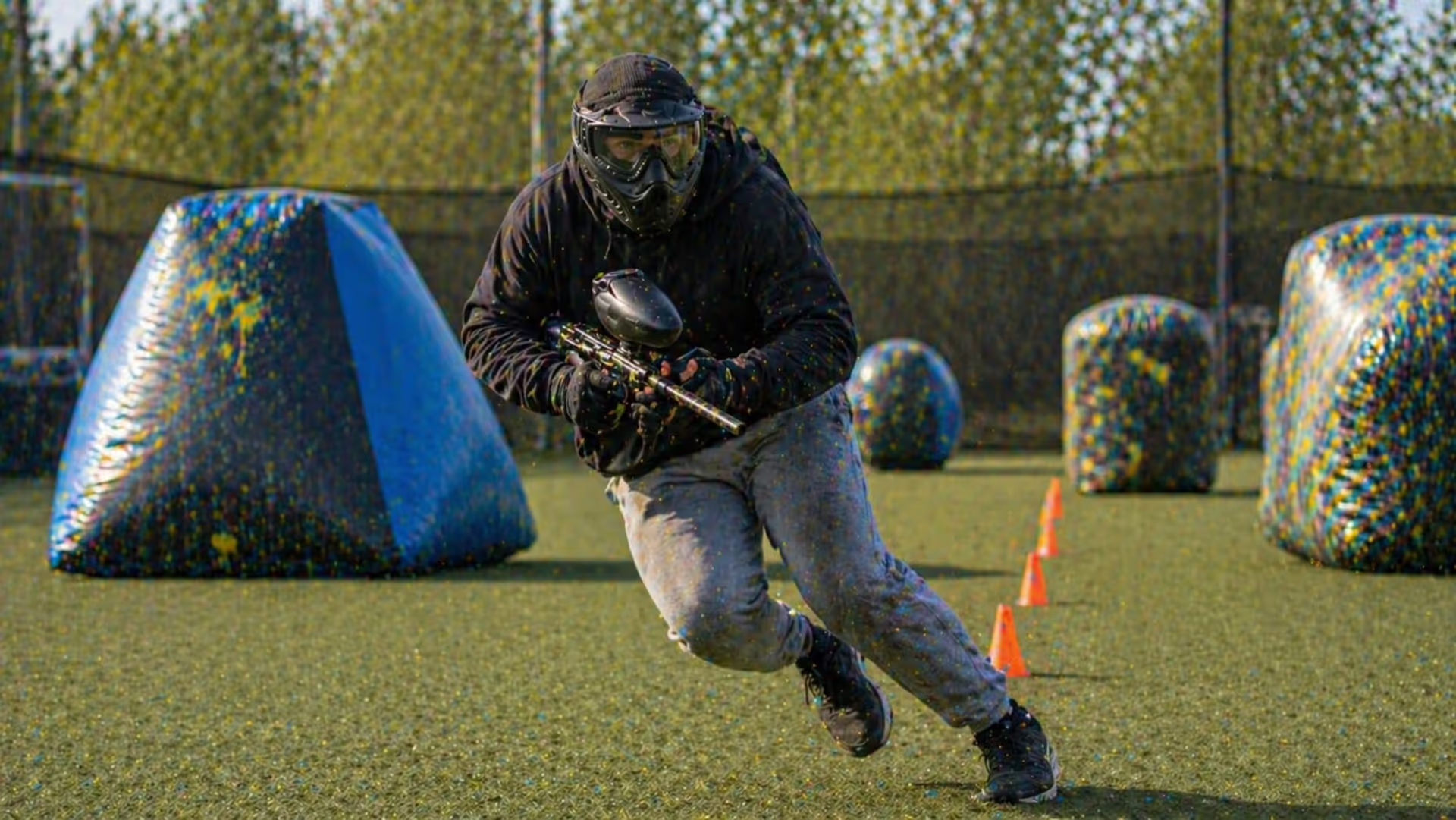
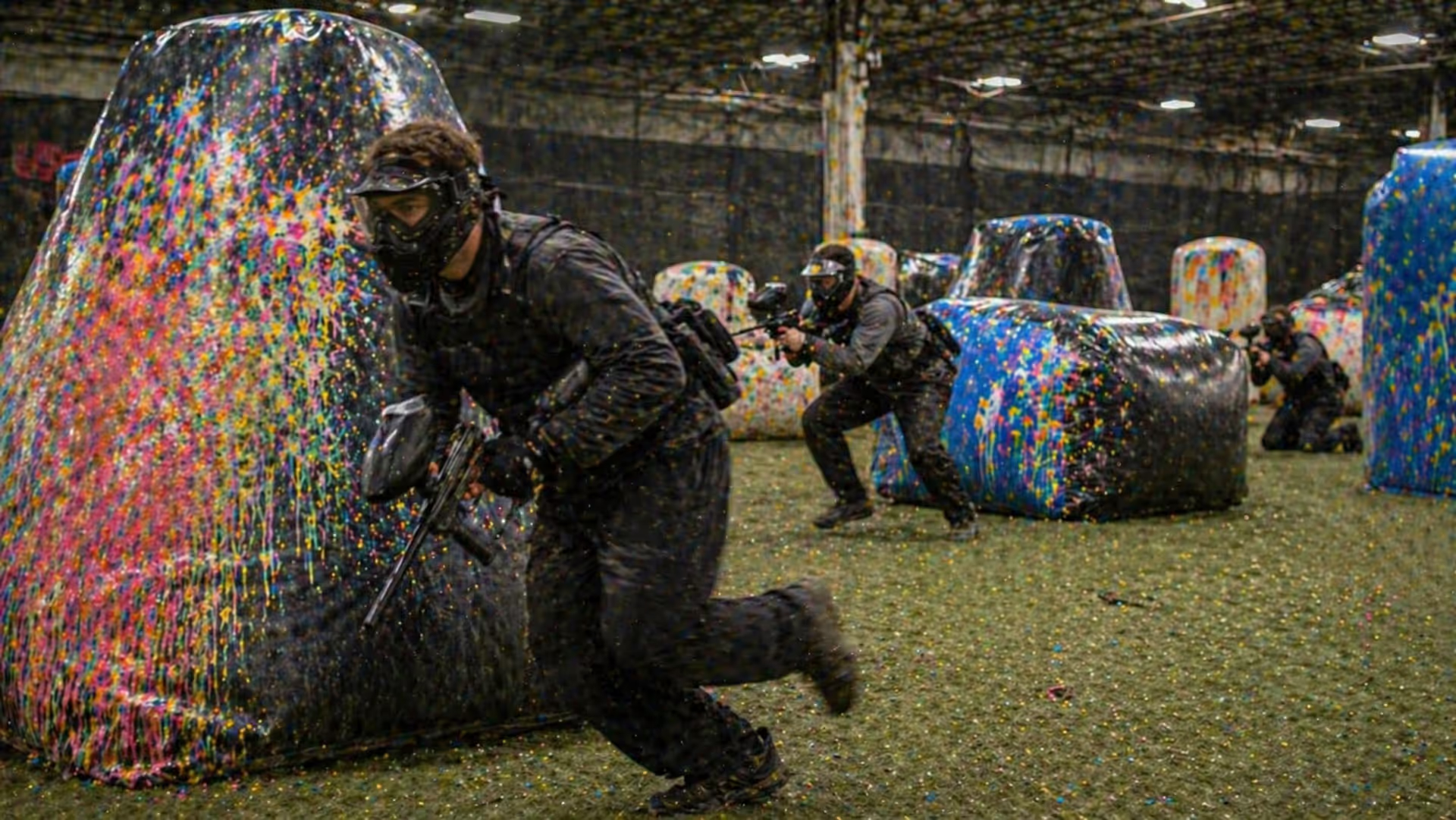
Indoor paintball action
Indoor Paintball Guide

Content
You know what's frustrating? Planning a paintball outing for weeks, only to wake up Saturday morning to pouring rain and a text that the field's closed. That's exactly why indoor paintball has exploded in popularity—last year alone, over 3.2 million Americans played at indoor facilities, and that number keeps climbing.
Here's the deal: if you're organizing a birthday bash, need a competitive corporate event, or just want to shoot your friends with paint pellets without checking the weather forecast, indoor arenas solve most of the headaches that come with traditional outdoor fields.
What Is Indoor Paintball and How Does It Work
Think of indoor paintball as the sport moving into a giant, climate-controlled warehouse where temperature stays comfortable year-round. No sunburn in July, no frozen fingers in January—just consistent 68-72°F conditions every single visit.
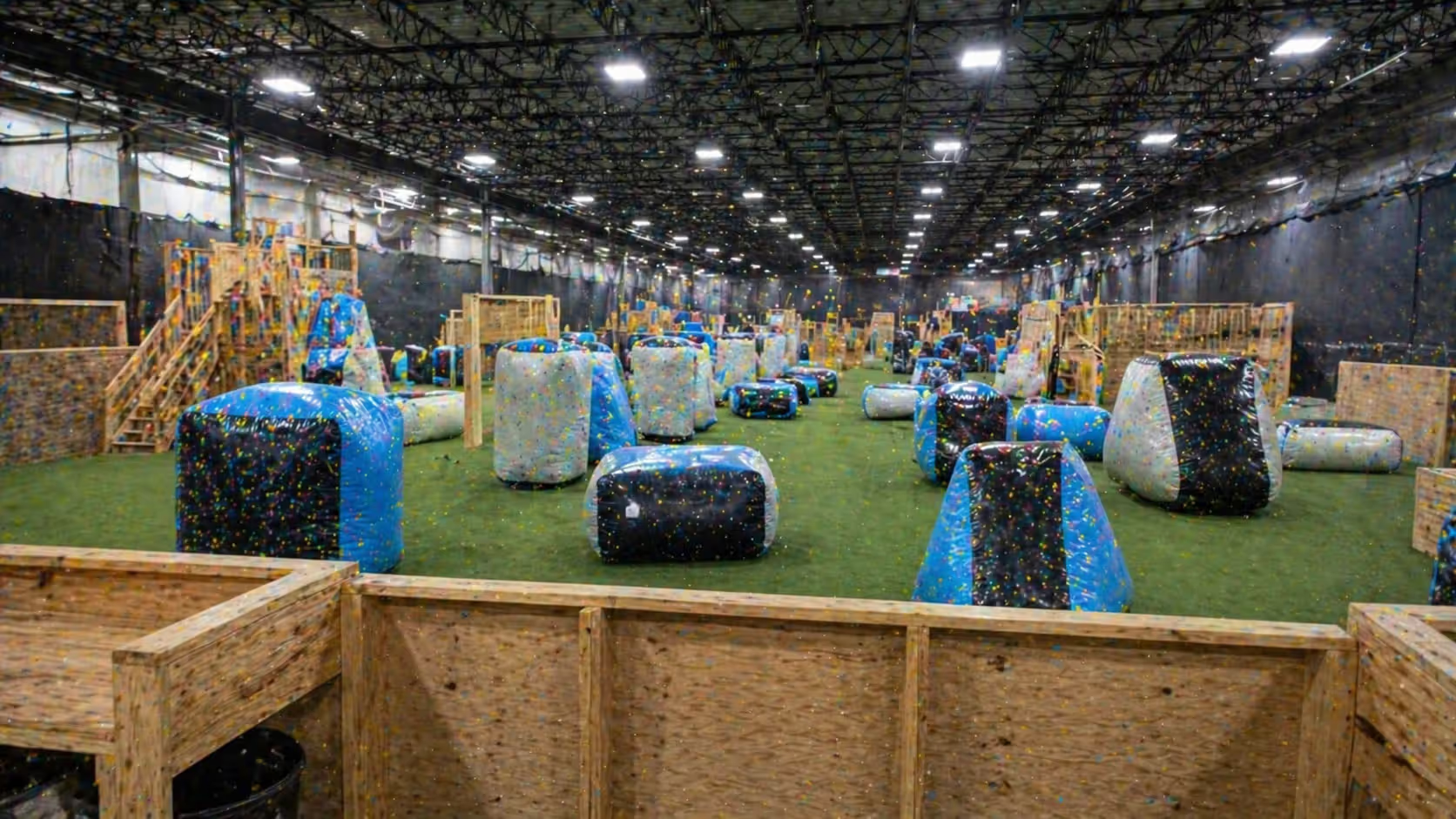
These facilities aren't just throwing some obstacles in an empty building and calling it a day. Purpose-built indoor paint ball venues typically span anywhere from 5,000 square feet (about the size of a large house) up to 40,000 square feet (comparable to a small grocery store). The largest facility in Texas, for example, converted a 52,000-square-foot distribution center into a multi-level combat zone.
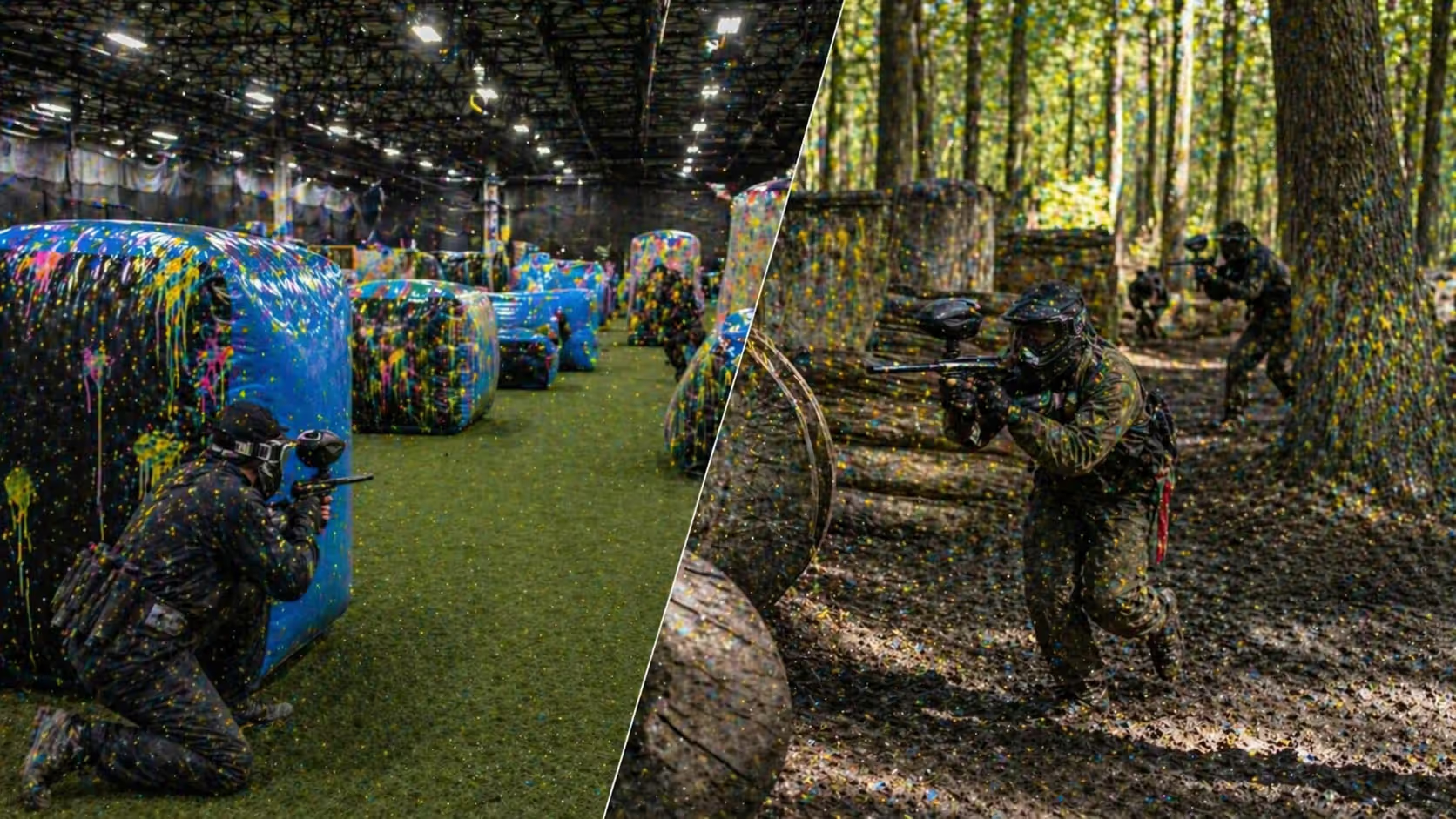
Walk into one of these places and you'll spot inflatable barriers in dozens of shapes—some look like giant soda cans, others resemble pyramid structures or long walls. Wooden platforms create second-story positions. Cargo netting sometimes connects different elevation points. Everything's designed to give you cover while keeping sightlines open enough that games don't stall into standoffs.
The air handling matters more than you'd think. Industrial ventilation systems exchange the entire building's air volume every 12-15 minutes, which keeps paint mist from building up and prevents that stuffy feeling you'd get in a sealed space with 40 people running around. Overhead LED lighting banks eliminate shadows and dark corners—nobody's getting ambushed because they couldn't see into a dim area.
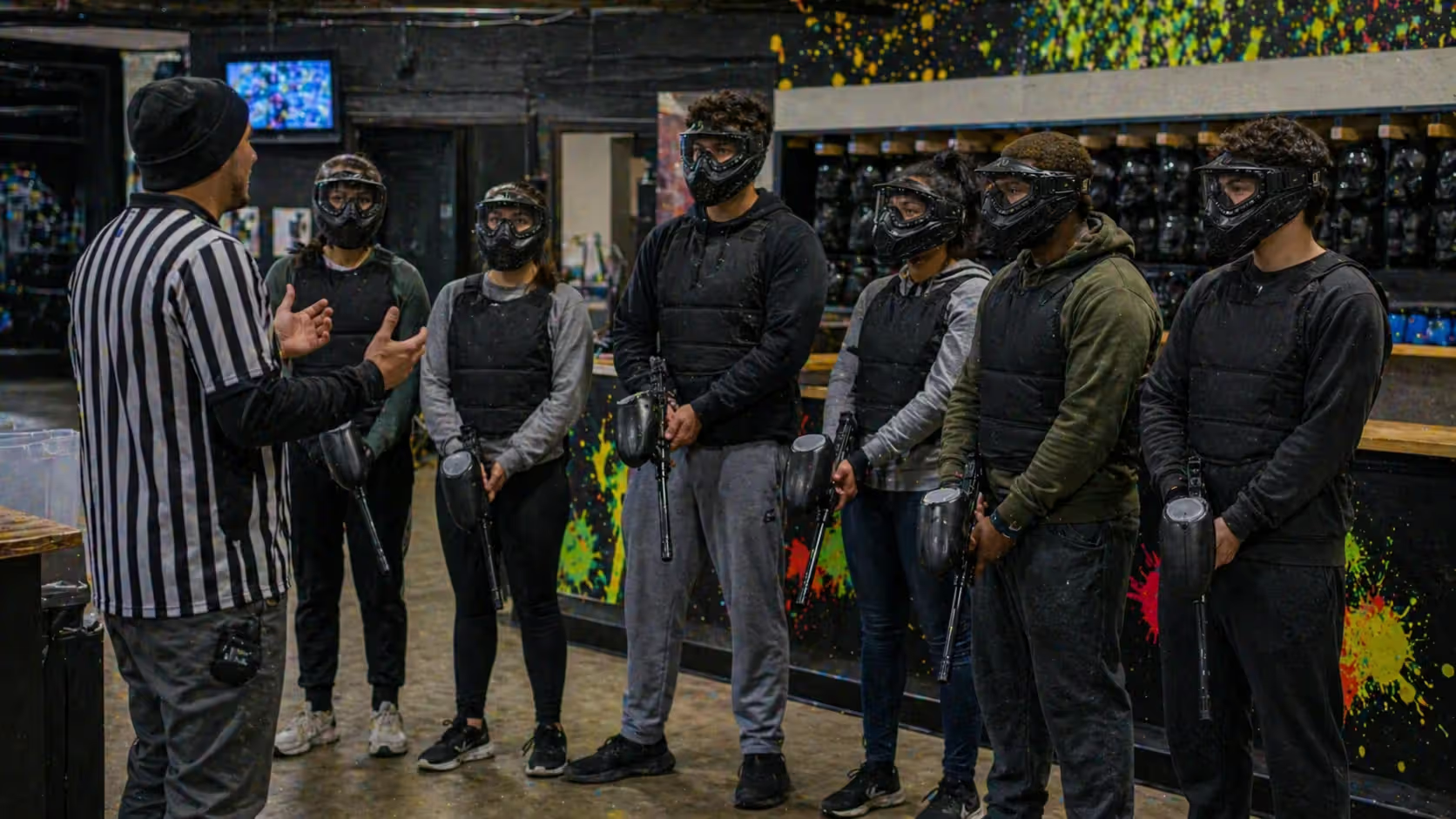
At check-in, staff hand you everything needed: a marker (the official term, though everyone calls them paintball guns), a gravity-fed hopper that holds 200 paintballs, a compressed air tank, and a thermal mask with anti-fog dual-pane lenses. A ref walks your group through a 10-minute safety rundown covering marker handling, boundary rules, and the golden rule—masks never come off inside the playing area, even if paint completely blinds your lenses. You walk off the field to clean them.
Games run in 10-15 minute rounds because close-quarters combat eliminates players fast. Between rounds, you've got 5-10 minutes to reload, grab water, and catch your breath before the next match starts.
Since weather doesn't exist inside, these places run 365 days a year. Christmas Day? Open. Fourth of July? Open. That random Tuesday in February when it's sleeting outside? Still open, still 70°F inside.
Author: Logan Mercer;
Source: lakestaytents.com
Types of Indoor Paintball Arenas and Facilities
Not all indoor spots offer the same experience. The building type and business model create dramatically different environments.
Warehouse-Style Paintball Arenas
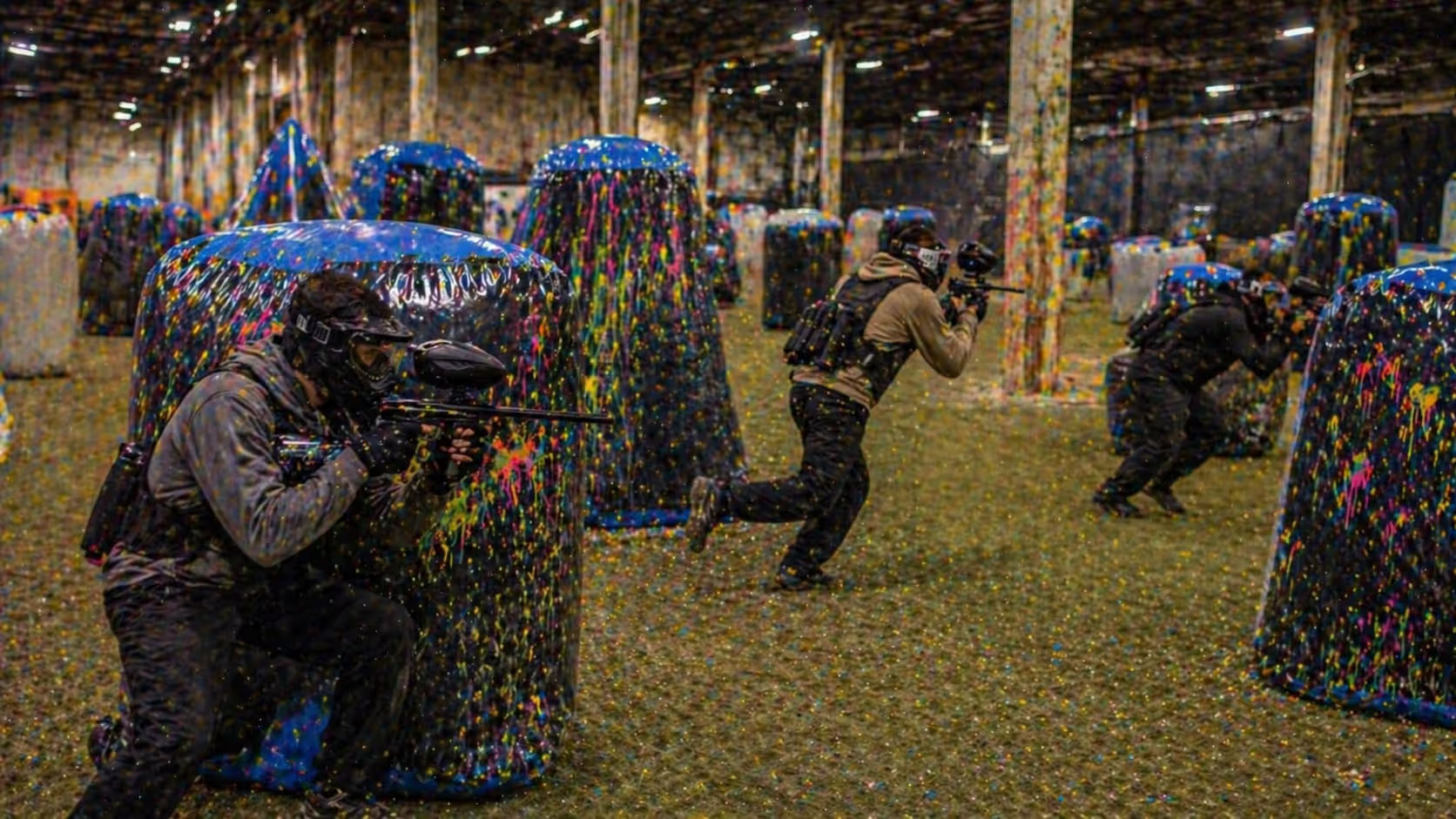
Former industrial buildings make perfect paintball venues. That abandoned manufacturing plant or old shipping warehouse comes with 20-30 foot ceilings, wide-open floor plans, and loading docks that convert into spectator areas.
A standard 15,000-square-foot warehouse conversion holds roughly 35-40 players comfortably when split into two teams. The open design rewards constant movement—standing still gets you tagged within seconds. Obstacle layouts change monthly at most facilities, so regulars don't memorize every angle and camping spot.
Here's what makes warehouse setups interesting: staff can completely reconfigure the field in about 4 hours. Those inflatable bunkers? They deflate, roll up, and redeploy in different patterns. One weekend you're playing in a symmetrical speedball layout with matching bunkers on each side. Two weeks later, the same space becomes an asymmetrical urban warfare scenario with stacked pallets forming building-like structures.
Expect fast, loud, energetic games. The concrete floors and metal ceilings amplify every marker pop and paintball splat. If you're bringing someone with sound sensitivity, warehouse arenas might feel overwhelming.
Author: Logan Mercer;
Source: lakestaytents.com
Extreme Paintball Park Indoor Sections
Some paintball operations run hybrid facilities—think 10 acres of outdoor fields plus a 6,000-square-foot indoor backup space. These places built the indoor component specifically for weather contingencies and winter months.
The indoor sections at extreme paintball park locations tend to mimic outdoor scenarios on a smaller scale. You'll find stripped-down car frames as cover points, plywood building facades creating urban combat zones, or competition-style layouts matching professional tournament specifications.
Players who visit these hybrid venues usually start outdoors for the expansive terrain experience, then rotate indoors for 2-3 matches when they want a pace change. The tactical skills transfer directly—communication, team movement, and cover usage work the same whether you're inside or outside.
Adventure Park Paintball Hybrid Venues
Family entertainment centers that added paintball create the most beginner-friendly environments. Picture a 12,000-square-foot space sharing a building with laser tag, go-karts, and an arcade. The paintball obstacle course layouts intentionally stay simpler—wider lanes, fewer tricky angles, more straightforward cover positions.
These adventure park paintball setups often use .50 caliber markers instead of standard .68 caliber equipment. The smaller paintballs sting significantly less on impact, making them perfect for kids aged 8-12 or adults nervous about pain. Some venues offer "splatmaster" variants that operate at even lower velocities.
The multi-attraction model works brilliantly for groups with mixed interests. Dad and the teenagers can play three paintball rounds while Mom takes the younger kids to the arcade, then everyone swaps activities. Birthday party packages at these locations typically bundle paintball with other attractions for one flat rate.
Indoor vs Outdoor Paintball: Key Differences
Choosing between indoor and outdoor paintball changes your entire day. Here's how they actually compare in practice:
| Feature | Indoor Paintball | Outdoor Paintball |
| Weather Dependency | Play during hurricanes if you want—weather means nothing | Cancellations happen constantly with rain, extreme heat, or cold |
| Field Size | Typically 5,000-40,000 square feet total | Ranges from 1 acre to 20+ acres |
| Obstacle Types | Inflatable bunkers, wooden structures, multilevel platforms | Trees, ditches, hills, creeks, abandoned buildings |
| Seasonal Availability | Every day, all year, identical conditions | Peak season April-October, sketchy winter access |
| Typical Cost | $30-60 per person for 2-3 hour sessions | $25-50 per person for half-day play |
| Noise Level | Contained but amplified inside building | Dissipates into open air |
| Gameplay Speed | Intense, constant action within 40-foot ranges | Varied—can have 5-minute firefights at 100+ feet |
The compressed space indoors fundamentally changes strategy. You're engaging opponents at 25-40 feet most of the time versus 75-150 feet outdoors. Snapshot shooting matters more than sustained accuracy. Games end faster because there's nowhere to truly hide for long.
Weather immunity represents the biggest practical advantage. I've seen outdoor fields cancel 30% of their scheduled events during particularly rainy springs. Indoor facilities? Zero cancellations ever. Your Saturday afternoon plans stay solid regardless of what the forecast says Thursday evening.
Night paintball works completely differently between venue types. Outdoors requires expensive lighting rigs or waiting for full moons, limiting availability to maybe 2-3 events per month. Walk into an indoor facility at 9 PM and the lighting looks identical to 2 PM. Some places run blacklight nights with glow-paint for a totally different experience.
Outdoor paintball wins on immersion and field variety. Nothing beats actual forests, real elevation changes, and 100-yard sightlines for tactical realism. Backyard paintball on private property offers another outdoor option, though you're missing commercial-grade equipment, trained refs, and proper insurance coverage if someone gets hurt.
Author: Logan Mercer;
Source: lakestaytents.com
What to Expect at an Indoor Paintball Arena
Your first indoor session follows a predictable flow designed to get you shooting paint within 30 minutes of arrival.
Check-in starts with liability waivers—everyone signs, no exceptions. Minors need a parent's physical signature (emailed PDFs don't count at most places). Staff collect payment for your base package, usually $25-40 covering facility access, rental gear, and your starting paintball allotment. Most packages include 200-400 rounds; you'll probably burn through those in 3-4 games.
The safety briefing takes 10-15 minutes and covers the non-negotiables: masks stay on your face at all times inside the netting boundary, barrel socks stay attached when you're not actively playing, and touching other players gets you ejected without refunds. Refs demonstrate how the safety switch works, how to load paintballs without jamming your hopper, and proper firing stance.
Gear rental gives you everything needed. The marker connects to a 48-cubic-inch compressed air tank good for about 800 shots before needing refills. The hopper gravity-feeds paintballs into the marker's chamber—shake it occasionally if balls stop dropping. Full-face thermal masks prevent 99% of fogging issues compared to the old single-pane masks that turned opaque after 30 seconds.
Most players add a padded chest protector ($5-8 rental) because getting tagged on bare ribs genuinely stings. Gloves ($3-5) save your knuckles when diving behind cover. Some facilities require or strongly recommend neck protection after impact injuries.
Game formats rotate based on group size and ref preference:
Team Elimination — Two teams start at opposite spawn points. Last player standing wins the round for their team. Classic and simple.
Capture the Flag — Both teams defend a flag at their base while trying to steal the opponent's flag and return it to their side. Requires coordination.
Center Flag — Single flag positioned mid-field at match start. Teams race to grab it and bring it to the enemy's starting base. Pure chaos.
Attack and Defend — One team protects an objective (often a literal button or target) while attackers try to eliminate all defenders or trigger the objective within 12 minutes.
The paintball obstacle course configuration directly shapes how these games play out. Symmetrical speedball layouts with mirror-image bunker placement favor aggressive rushing—both teams have identical advantages, so speed wins. Asymmetrical designs with varied cover create natural defensive positions and force attackers to probe for weak points.
Between matches, everyone exits to the staging area—a netted-off zone with benches, water stations, and paintball refill stations. You'll play 6-10 rounds in a typical 2.5-hour session, depending on how quickly teams eliminate each other.
Author: Logan Mercer;
Source: lakestaytents.com
Cost and Group Booking at Indoor Paint Ball Venues
Pricing at indoor facilities runs higher than outdoor fields due to building overhead, but the costs remain predictable.
Walk-in rates for individuals typically land between $35-50 for a starter package. That base price includes admission, equipment rental for the session, and 200-300 paintballs. Here's the catch everyone learns: 200 paintballs disappear in 15 minutes if you're trigger-happy. Additional paint costs $12-25 per 100 rounds depending on quality grades. Budget players conserve ammo and spend maybe $45 total. Aggressive shooters easily drop $80-100 after buying extra paint.
Group packages kick in at 10+ players and usually cut per-person costs by $8-12 while including more paint and extended time. A typical deal for 15 players runs $475-600 total, covering 2.5-3 hours and 500 rounds per person. Some venues require 50% deposits for group reservations and have 48-hour cancellation policies.
Private field rentals let you book the entire indoor paintball arena exclusively for your group—no strangers, no waiting for other parties to finish. Expect $250-500 per hour depending on facility size and location. A company booking 3 hours for 25 employees might pay $900-1,200 total, which includes private ref staff and usually unlimited air refills.
Equipment upgrades add incremental charges: - Electronic markers with faster firing rates: $12-18 - Chest protectors and padding: $6-10
- Tactical gloves: $4-6 - Smoke grenades: $8-12 each - Premium paint (more consistent break patterns): $5 per 100 extra rounds
Birthday packages bundle everything into one price. A typical setup for 12 kids includes 2 hours of play, equipment, 400 paintballs each, a private party room for 30 minutes, and pizza/drinks for $450-700 depending on the market.
The hidden cost nobody warns you about: additional paint purchases mid-session. First-timers consistently underestimate consumption rates. Bring an extra $20-30 beyond your package price to avoid cutting your last two games short because you ran out of ammo.
Common Mistakes When Choosing a Paintball Arena
First-time organizers make preventable errors that tank their experience before it starts.
Skipping facility research creates the most problems. Some paintball arenas haven't updated equipment in 15 years—you'll get beat-up markers that misfire and masks with scratched lenses. Check their Google Business photos and Instagram posts from the past month. Current photos showing clean equipment and maintained obstacles indicate proper facility management. Blurry pictures from 2019 signal potential issues.
Ignoring safety standards risks actual injuries. Professional indoor paintball arenas chronograph every marker before play, testing that velocity stays at or below 280 feet per second (indoor standard). Facilities that skip chronographing allow hot markers shooting 300+ FPS—those impacts cause welts and occasionally break skin. Ask about their chronograph policy during your initial phone call. Places that get defensive about safety questions probably cut corners elsewhere too.
Misjudging group size requirements makes games either overcrowded or boring. Cram 30 people into a 5,000-square-foot arena and half your group sits out each round waiting their turn. Book a 25,000-square-foot venue for 6 players and you'll spend entire matches searching for opponents. Match your headcount to facility capacity recommendations—most venues list this on their websites.
Failing to check recent reviews means missing obvious red flags. Read reviews from the past 60 days specifically. Look for patterns: three different reviews mentioning broken equipment in the same month indicates chronic maintenance issues. One-off complaints about parking or pricing matter less than repeated mentions of safety problems or rude staff.
Booking peak hours without reservations guarantees frustration. Saturday afternoons between noon and 5 PM represent maximum demand at every paintball facility. Walk-ins during these windows often wait 60-90 minutes or get turned away entirely when sessions fill. Reserve your slot 7-10 days ahead for weekend visits, 3-4 days for weeknights.
Overlooking age and skill segregation creates miserable experiences for everyone. Some venues throw experienced 25-year-olds into matches with first-time 10-year-olds. The kids get lit up and quit playing; the adults get bored. Ask whether the facility runs separate sessions or dedicated games for different skill levels during open-play hours.
Groups show up in restrictive jeans and work boots, then wonder why they can't move. Indoor paintball means crouching behind bunkers, sprinting between cover points, and diving when necessary. We recommend athletic pants and running shoes every single time, but maybe 40% of first-timers ignore that advice. By their second match, they're exhausted and complaining about knee pain from kneeling in stiff denim.
— Marcus Henderson
Frequently Asked Questions About Indoor Paintball
Indoor paintball solves the reliability problem that's plagued the sport since its outdoor-only days. Rain, snow, 100-degree heat, freezing temperatures—none of it matters when you're playing inside a climate-controlled building with consistent conditions every visit.
Picking the right facility comes down to matching venue type with your group's specific needs. Bringing 30 people who want fast-paced action? Warehouse-style arenas deliver. Planning a family outing with mixed ages and interest levels? Adventure park locations with multiple attractions work better. Understanding the full cost picture—base admission, equipment upgrades, extra paintballs, and add-ons—prevents those awkward moments when the bill exceeds your budget.
The indoor versus outdoor decision ultimately hinges on your priorities. Indoor facilities trade expansive terrain and natural cover for weather immunity and year-round scheduling. If you value being able to lock in plans two weeks ahead without worrying about cancellations, indoor venues win decisively.
Success at your first session requires minimal preparation: show up in athletic clothes you can move in, arrive 20 minutes early for check-in processes, pay attention during safety briefings, and communicate with teammates during matches. The compressed playing area rewards team coordination more than individual shooting skills.
Whether you're running a corporate team-building event, throwing a 14th birthday party, or just want to shoot your college roommates with paint on a random Wednesday night, indoor paintball arenas across the country offer accessible entry into tactical gameplay. Research facilities in your area, read reviews from the past 60 days, and book reservations during peak times to guarantee your spot.