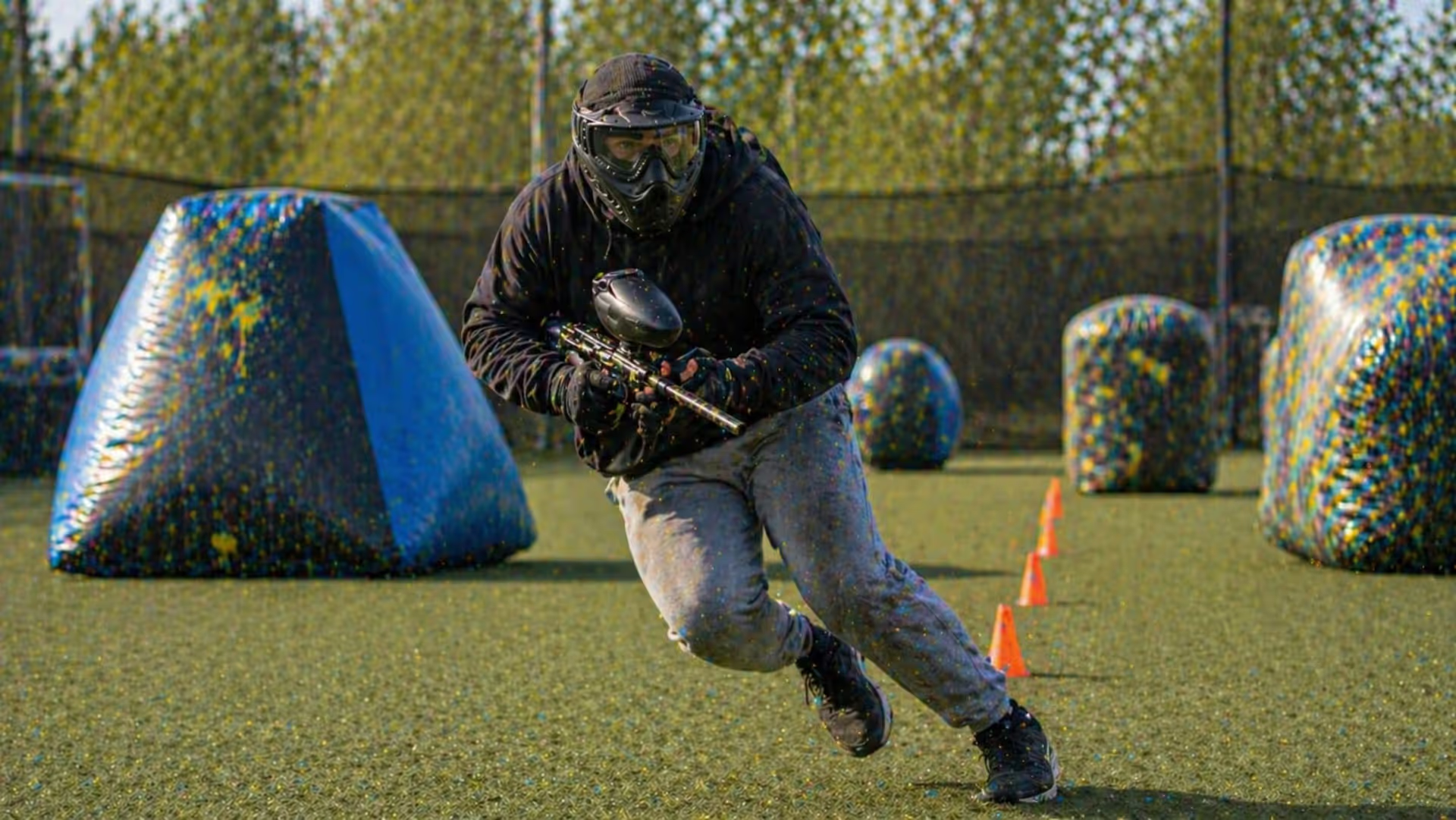
How to Play Paintball for Beginners?
Last Saturday, I watched a guy in brand-new white sneakers walk onto our local field for his first game. Within ninety seconds, those sneakers looked like a Jackson Pollock painting. He spent the rest of the day looking mournfully at his feet between matches.
That's paintball in a nutshell—you think you're prepared until reality smacks you with a gelatin capsule traveling 280 feet per second.
Whether someone dragged you to a bachelor party or you're genuinely curious about the sport, here's what actually happens on the field and how to avoid rookie mistakes that turn fun weekends into expensive lessons.
What You Need Before Your First Game
Here's the truth: buying equipment before your first session wastes money. Commercial fields rent every critical piece of safety gear, and their rental packages work fine for beginners.
Expect admission fees between $35-50 at most recreational facilities. That covers your marker rental (never call it a gun around serious players—they get weirdly particular about terminology), protective mask, compressed air supply, and typically 200-500 paintballs to start.
Every rental package should include a basic mechanical marker with gravity-fed loader, either CO2 or compressed air tank, ASTM-certified full-face mask, your initial paintball allotment, and sometimes chest protectors depending on the location.
Now, what actually needs to come from your closet? Long sleeves and full-length pants you genuinely don't care about. Sneakers with functional tread—seriously, leave your good shoes home. Gloves that protect knuckles work great; try batting gloves or the kind mechanics wear. Extra socks because your first pair will be disgusting. A separate bag for the clothes you'll wear afterward. Water bottle and snacks, since field concessions charge stadium prices.
Fabric selection matters more than padding. Cotton absorbs moisture and becomes progressively heavier as you sweat and get marked. That $8 synthetic workout shirt from five years ago outperforms expensive cotton gear because it dries faster and doesn't hold paint. Some veterans wear compression clothing with built-in padding around the ribs and collarbone—direct hits to those areas genuinely suck.
Temperature planning changes everything about how to prepare for paintball. July sessions mean breathable layers and serious sunscreen matter more than cushioning. December games feel brutal until you realize how quickly you overheat once shooting starts. The actual challenge comes during breaks when 38-degree wind hits your sweat-soaked shirt.
Rental masks fog constantly. Cheaper models lack proper ventilation systems, and condensation inside the lens leaves you functionally blind. Ask about anti-fog treatment ($5-8 at most pro shops), or order some online before your session. Playing through fog ranks among the most miserable paintball experiences possible.
Author: Logan Mercer;
Source: lakestaytents.com
Understanding Basic Paintball Rules
Rules vary slightly between facilities, but certain fundamentals govern paintball at every legitimate field in the country. These aren't suggestions—they're injury-prevention protocols.
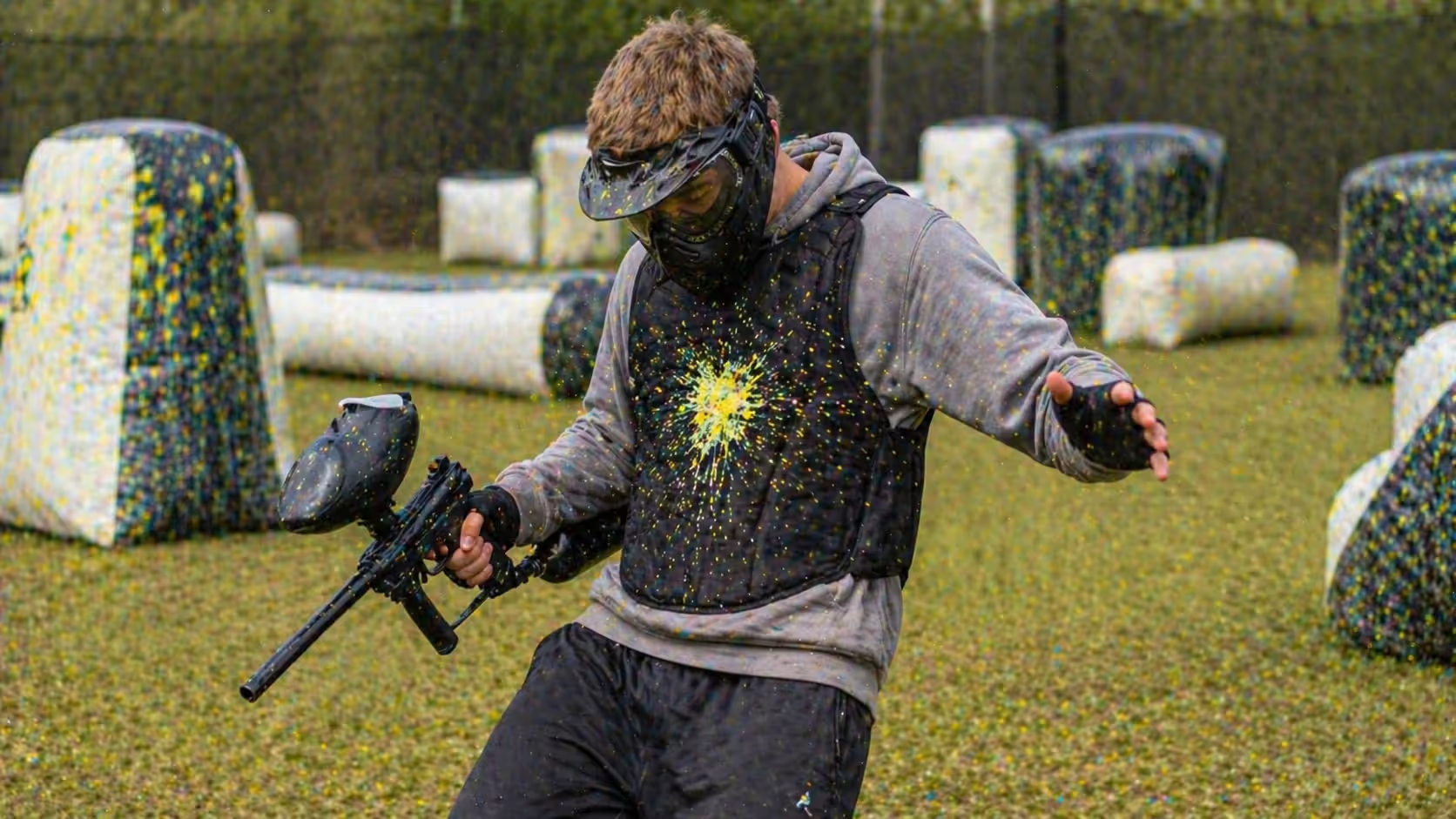
When paintballs rupture on contact, they leave visible splatter—think quarter-sized or bigger. Shell stays intact and bounces away? You're still active. This happens constantly in cold weather when shells become brittle, or with older paint that's absorbed moisture.
Here's what catches beginners—you won't always register hits physically. Adrenaline masks pain during games, and impacts to your hopper or backpack produce zero sensation. That's why players routinely check themselves and ask teammates "Am I marked?" When genuinely uncertain, freeze in place and yell "PAINT CHECK!" A referee will inspect you, but don't move or shoot during the inspection.
Clear hits require immediate marker-over-head and shouting "HIT!" or "OUT!" Walk directly to the elimination area with your hand raised so active players recognize your status. Honor systems govern this completely at recreational fields. Wiping off paint to stay active results in immediate ejection without refunds—facilities enforce this aggressively because one cheater destroys everyone's experience.
Your mask stays secured to your face outside designated safe zones. Always. Even after games end. Even when sweating profusely. Even when certain the field cleared. Paintball-caused eye injuries produce permanent blindness in timeframes faster than human reaction speed.
Author: Logan Mercer;
Source: lakestaytents.com
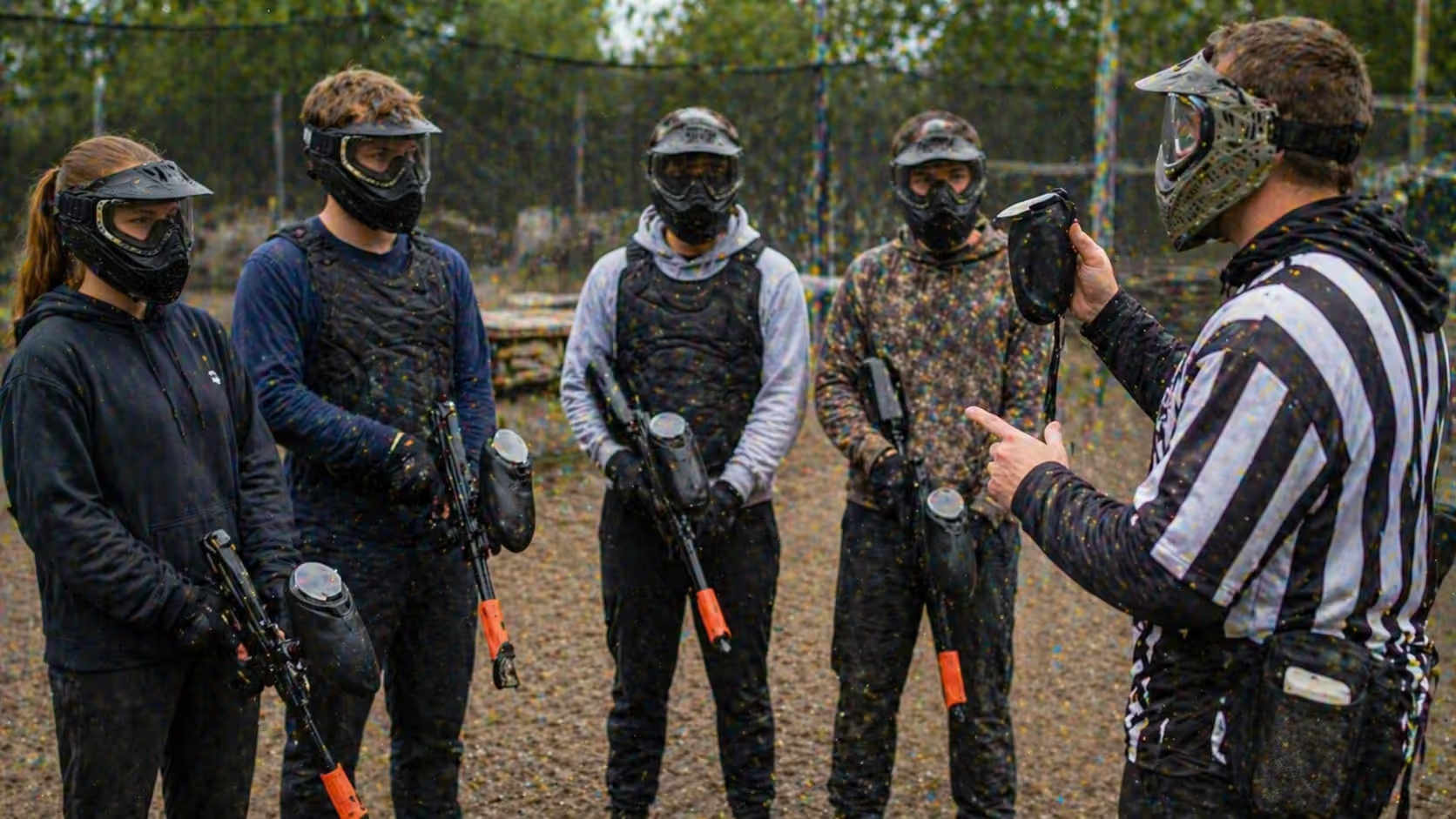
Once you're back in the safe zone, barrel socks go on first. These fabric covers (usually bright red so refs spot them easily) prevent accidental discharge. Only after that sock's on can you remove your mask. Most facilities use colored socks making unsecured markers immediately obvious. Referees monitor safe zones intensely and will remove players who violate this even once.
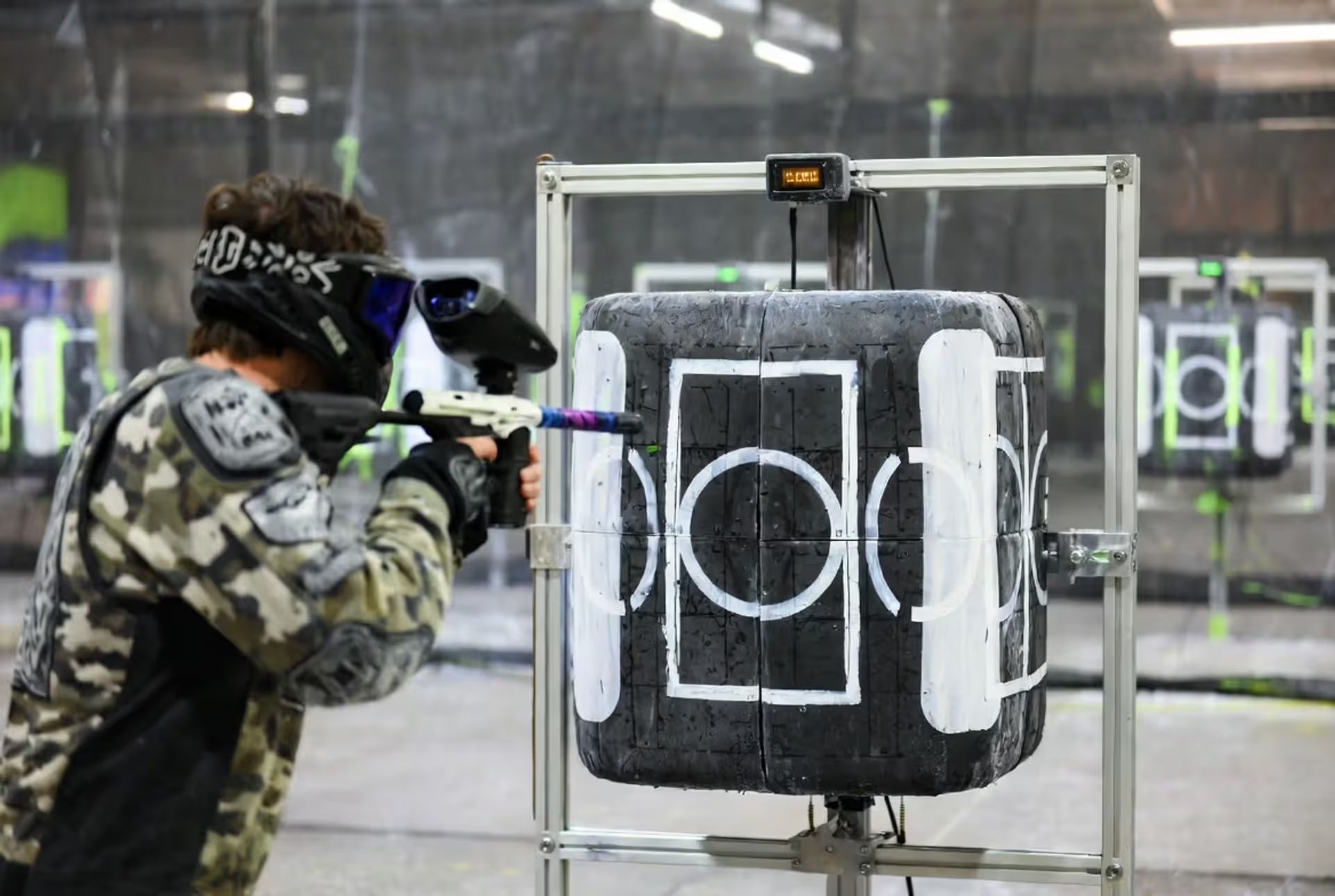
Every marker undergoes chronograph testing before play. These devices measure projectile speed, with recreational fields typically capping velocity at 280 feet per second (lower for youth sessions). Markers exceeding limits—called "running hot"—cause nasty welts and get benched. Referees conduct random spot checks throughout sessions, so modifying velocity between games accomplishes nothing except getting you kicked out.
The surrender rule varies dramatically by field. Some require offering surrender within 10-15 feet of unaware opponents (you yell "SURRENDER!" and they must call themselves out). Others treat it as optional courtesy. Competitive facilities often ignore it entirely. Clarify this during safety briefings.
Colored tape, netting, or natural features define playable areas. Crossing those boundaries automatically eliminates you regardless of hits. Some players try shooting through boundaries to mark opponents—universally illegal and usually generates warnings.
Game Formats and How They Work
Recreational paintball for beginners typically cycles through multiple formats throughout the day. Each teaches different skills and prevents monotony.
| Game Type | What You're Trying to Do | How Long It Lasts | How Many Players | Difficulty | Playstyle Description |
| Elimination | Last team standing wins | 5-10 min | 5-20 each side | Total beginners welcome | Rush forward aggressively |
| Capture the Flag | Grab their flag, bring it home | 10-15 min | 8-30 each side | Beginners to intermediate | Mix of attack and defense |
| King of the Hill | Hold the center structure longest | 8-12 min | 10-25 each side | Intermediate works best | Never stop moving |
| Speedball | Elimination on symmetrical inflatables | 3-5 min | 3-7 each side | Tournament/competitive | Insanely fast, burns tons of paint |
| Woodsball | Complete missions in forest terrain | 20-45 min | 15-50+ each side | Anyone can play | Slow, tactical, sneaky |
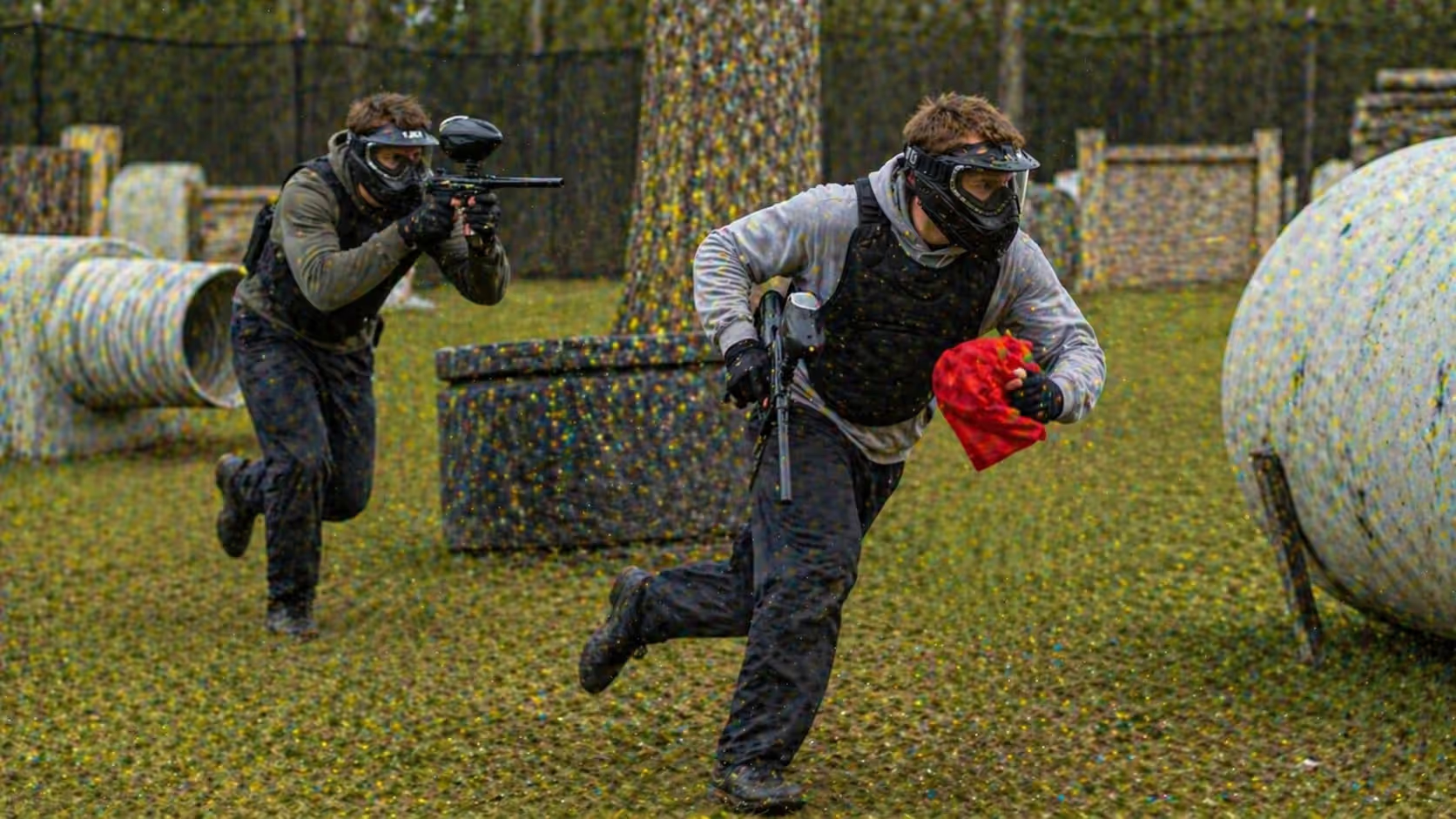
Elimination formats remove complexity entirely. Teams start at opposite boundaries, whistle signals start, shooting commences. Final team with active players wins. This teaches basic marksmanship and movement without complicated objectives.
Capture the Flag introduces strategic layers. Defenders protect your flag station, attackers push toward enemy territory, and someone eventually must physically grab their flag and sprint it home while absorbing incoming fire. Games turn chaotic when both flags get captured simultaneously and teams race toward opposite bases.
King of the Hill forces constant conflict over central structures. Teams earn points each second they control the designated area, so camping at spawn points accomplishes nothing. Both sides continuously push forward, creating prolonged firefights with heavy elimination rates.
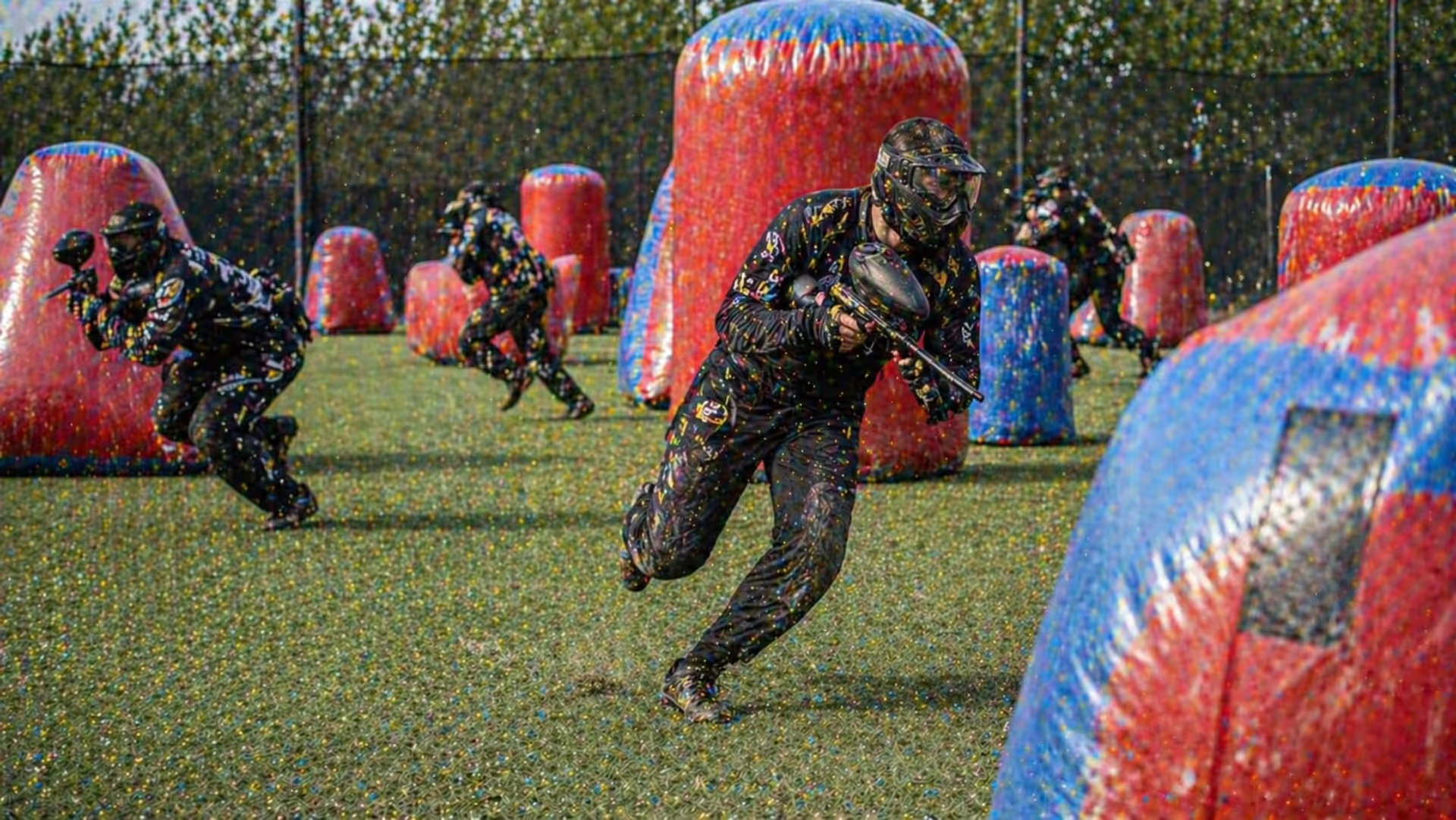
Speedball happens on flat terrain covered with inflatable bunkers arranged in mirror-image layouts. Games last just 3-5 minutes but consume staggering paint volumes. Players dive, slide, and shoot at frantic pace. Most beginners find this overwhelming initially—eliminated before processing what happened.
Woodsball utilizes forests, elevation changes, and permanent structures like plywood fortifications. Scenarios might involve convoy defense, VIP extraction, or bomb deployment. Larger playing areas and extended time limits reward patience and tactical thinking over pure speed.
Author: Logan Mercer;
Source: lakestaytents.com
Recreational vs. Competitive Play
Weekend recreational sessions at neighborhood fields mix experienced players with absolute beginners. Referees explain rules between rounds, nobody obsesses over scores, and the atmosphere stays relaxed. You'll probably shoot 400-600 paintballs across a full day, keeping expenses reasonable.
Competitive paintball means tournaments, personally-owned equipment, and serious practice schedules. Recreational players might bring 500 rounds for entire Saturdays. Tournament players burn through 2,000+ in three hours. Entry-level competitive gear starts around $400 for decent electronic markers, while professional setups easily surpass $2,000.
Unless you've already fallen completely in love with the sport, stick exclusively to recreational fields for your first 8-10 sessions minimum.
Beginner Strategy and Field Tactics
Watch experienced players for thirty minutes and patterns emerge. They don't sprint randomly. Attacks get coordinated. Information flows constantly through verbal communication. Understanding these tactical fundamentals dramatically improves your paintball strategy, even as a beginner.
Running straight lines across open ground creates easy targets. Instead, change direction unpredictably—two steps left, four right, diagonal, whatever prevents opponents from tracking your path. When transitioning between bunkers, commit to maximum sprinting speed. Hesitating halfway across guarantees elimination. Elite players slide or dive into destination bunkers rather than stopping first—momentum carries them to cover faster.
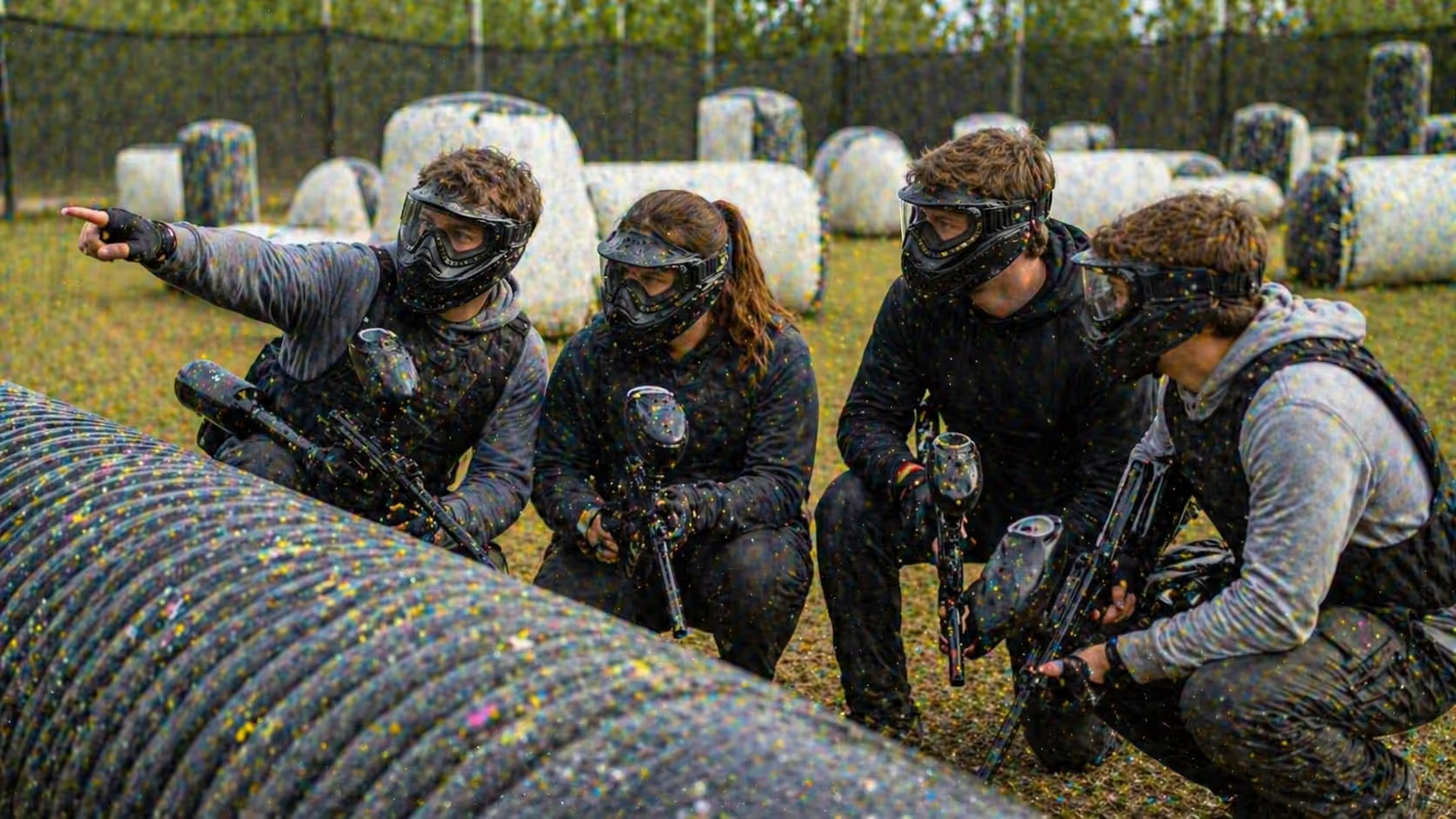
Height management matters more than beginners realize. Standing fully upright behind cover exposes head and shoulders unnecessarily. Crouching or kneeling cuts visible profile in half. Between shots, drop completely below cover before reappearing at different angles.
Silent players force teammates to guess everything constantly. Even basic callouts transform team effectiveness: "Two shooters behind the truck on our left!" or "I'm pushing right side, cover me!" These prevent confusion and coordinate attacks.
Develop simple codes during pre-game huddles. "Move on three" means simultaneous advancement. "Suppressing fire" means covering teammates while they advance. Whatever terms you establish, apply them consistently throughout the session.
Not all cover provides equal protection. Corner bunkers expose you to shooters from multiple angles. Center-field positions offer protection from more directions but leave you vulnerable to successful flanks.
Avoid getting attached to single positions. Players camping identical bunkers all game become predictable. After eliminating someone or forcing them to duck, advance before they recover and zero in on your location.
Lanes represent shooting corridors between bunkers. Controlling lanes means anyone attempting to cross gets immediately lit up. During opening moves, fire toward key transition areas even without visible targets—this pins opponents in starting positions and prevents easy advances.
When your team gains numerical advantage—say 6-to-3—aggressive forward movement capitalizes on that edge. When outnumbered, hold defensive positions and force attackers to expose themselves crossing open terrain.
Watch for crossfire opportunities. When your teammate engages an opponent from one direction, flanking from another angle catches them focused the wrong way.
Author: Logan Mercer;
Source: lakestaytents.com
Common Mistakes New Players Make
Every beginner makes similar errors. These paintball tips for beginners address the most frequent problems I've observed after coaching hundreds of first-time players.
New players fixate on single opponents while ignoring everything else. You're tracking one shooter behind a tire stack, completely oblivious to someone flanking from the right. Train yourself to scan constantly—check left, check right, check your original target, repeat. Every few seconds, even during active firefights.
Motionless targets become free eliminations. Even when posted defensively, shift positions within your bunker constantly. Lean left shoulder, then right. Pop up from different heights. Opponents pre-aim where they expect your head to appear next. Predictable patterns guarantee you getting marked.
Teammates can't read your mind. They don't see that flanker you spotted. They don't know you're reloading. They don't realize you're about to move. Basic verbal communication—"I'm out!" or "He's wrapping right!"—prevents friendly fire and coordinates strategy.
Beginners stare straight ahead while opponents circle around sides. Assign flank watchers during team huddles. Somebody should always monitor each side rather than five people shooting at identical targets.
Once someone calls themselves out and raises their marker, stop shooting them. Continuing to fire just causes pain and pisses people off. One or two confirming shots seems reasonable; ten consecutive hits demonstrates poor etiquette and wastes paint.
Gravity-fed hoppers jam when you tilt your marker too much—paintballs get stuck at the feed neck where they enter the barrel. Keep your marker relatively upright during movement. When jams occur, don't shake the marker violently; this breaks balls inside the barrel and worsens problems. Learn proper clearing techniques for your specific rental model.
Also, check air pressure between rounds. Running empty mid-game because you ignored the gauge creates frustrating eliminations.
Paintball Safety and Etiquette
Basic paintball safety isn't complicated, but consequences of violations are severe. Paintballs traveling 280 feet per second cause permanent eye damage instantly. Following these protocols protects everyone on the field.
From the moment you step outside the safe zone until you return, that mask stays secured to your face. Zero exceptions exist. Not to wipe sweat. Not because the round finished. Not because you're "pretty sure" everyone left the field. Eye injuries happen in fractions of a second.
When your mask shifts during play, turn away from other players, crouch behind solid cover, and readjust without removing it. When it breaks or becomes genuinely unwearable, cover your face with your hand and shout for a referee.
The sequence matters critically: enter safe zone, insert barrel sock, then remove mask. Never reverse this order. Those bright red barrel socks exist so refs can spot unsecured markers instantly. You'll receive one warning; repeat violations mean you're finished for the day without refunds.
Cheating destroys the sport entirely. Sometimes you won't register hits—adrenaline numbs pain, or paint hits gear you can't sense. When someone insists they marked you, call yourself out rather than arguing. That single game matters way less than maintaining community trust in honor-system rules.
Refs make judgment calls on disputed hits, boundary violations, and rule infractions. Their word remains final during games. When you genuinely believe they erred, discuss it calmly after the round ends, not while play continues.
Don't shoot wildlife, buildings, or anything except opponents during active games. Intentional property damage results in bans from the field and possibly charges for repairs.
Keep language family-appropriate. Most fields host kids' birthday parties and corporate groups. Excessive profanity creates uncomfortable environments for everyone.
Here's what I tell every new group: paintball isn't Call of Duty where you respawn in five seconds. When you charge forward without thinking, you're eliminated in thirty seconds and spend the next fifteen minutes watching from the sidelines. Start by playing conservatively, learn how games flow, then gradually amp up your aggression as you understand
— Marcus Chen
FAQ
Learning how to play paintball boils down to mastering fundamentals—appropriate gear, core rules, common game formats, and essential safety protocols. Your first few sessions feel overwhelming as you process multiple things simultaneously: tracking opponents, managing cover, communicating with teammates, monitoring paint supply.
Prioritize survival over heroics initially. Players lasting until the final minutes contribute more than those eliminated in the opening rush. Focus on basics: transition between cover efficiently, call hits honestly, share opponent locations verbally, and keep your mask secured at all times.
The sport rewards both physical ability and tactical thinking. Speed helps, but positioning and timing matter more. Patient players who advance methodically often outperform faster players who expose themselves recklessly.
Begin with recreational play at reputable fields with strong safety enforcement and helpful staff. Ask questions between games—experienced players and referees generally enjoy helping newcomers. After 3-4 sessions, the chaos resolves into recognizable patterns. You'll anticipate opponent movements, understand game flow, and suddenly everything clicks.
Paintball's appeal stems from accessibility. You don't need exceptional athleticism or expensive equipment to participate and have fun. Show up wearing appropriate clothing, follow safety protocols, maintain good sportsmanship, and you'll understand why millions worldwide consider it among the most engaging recreational activities available.