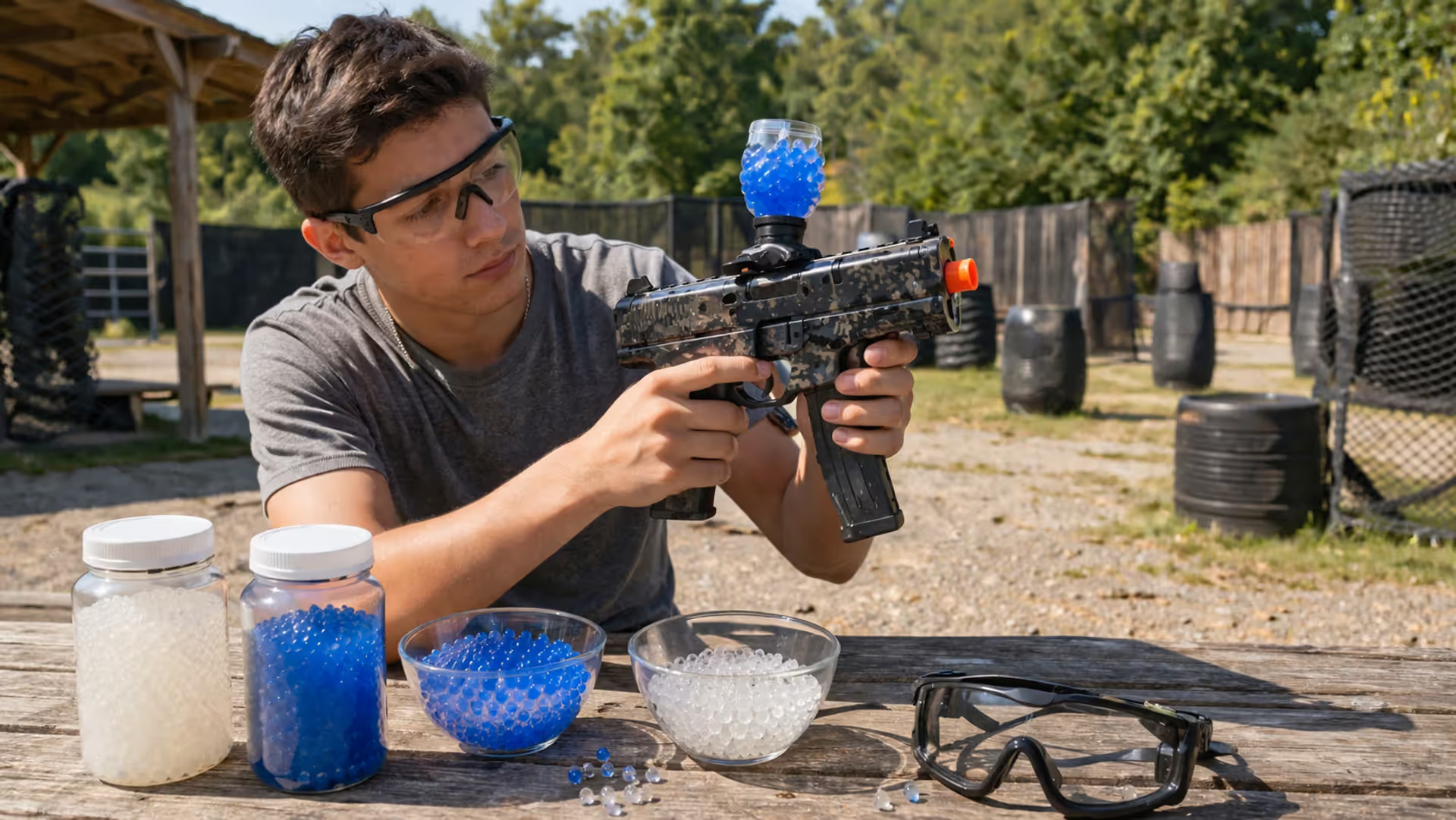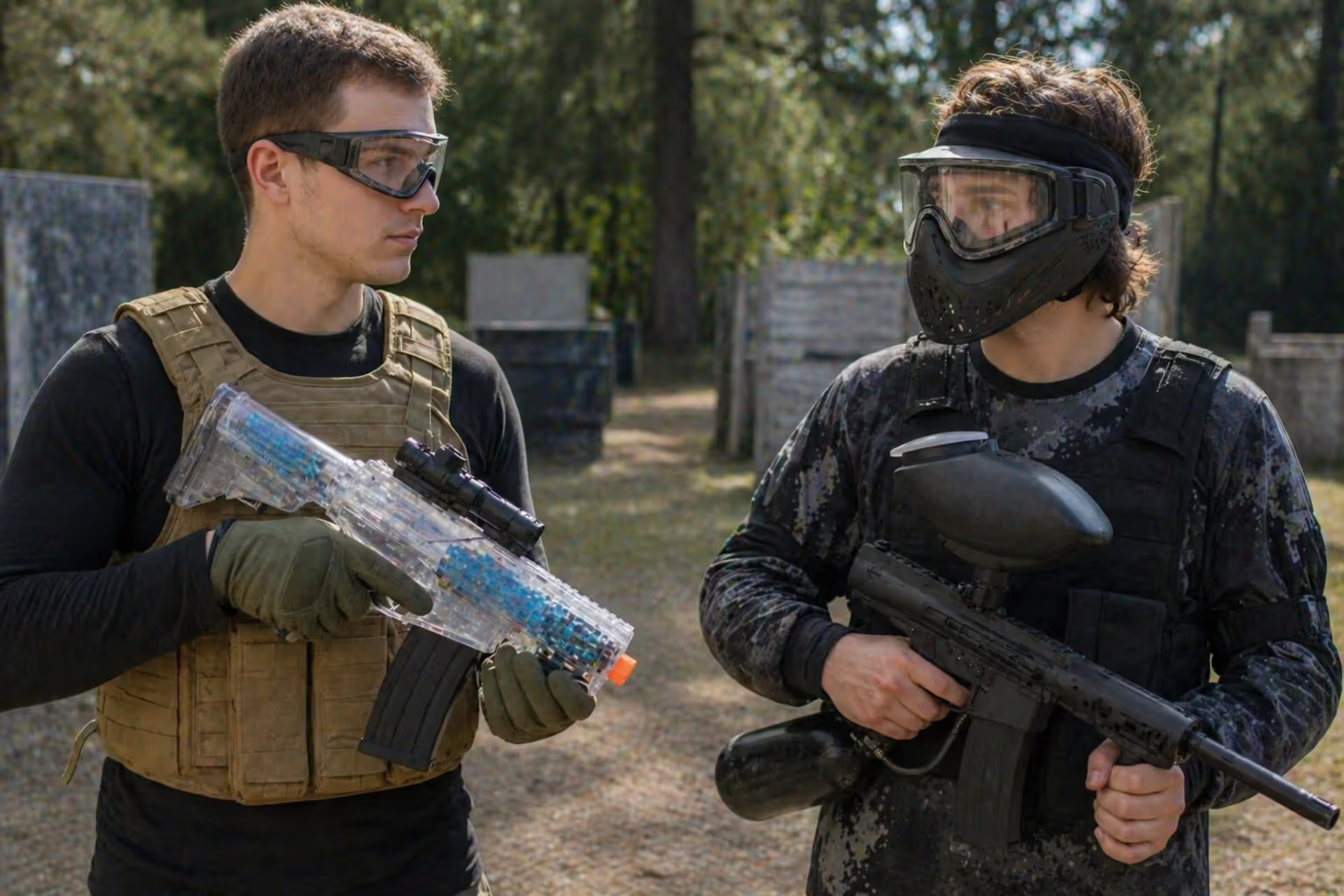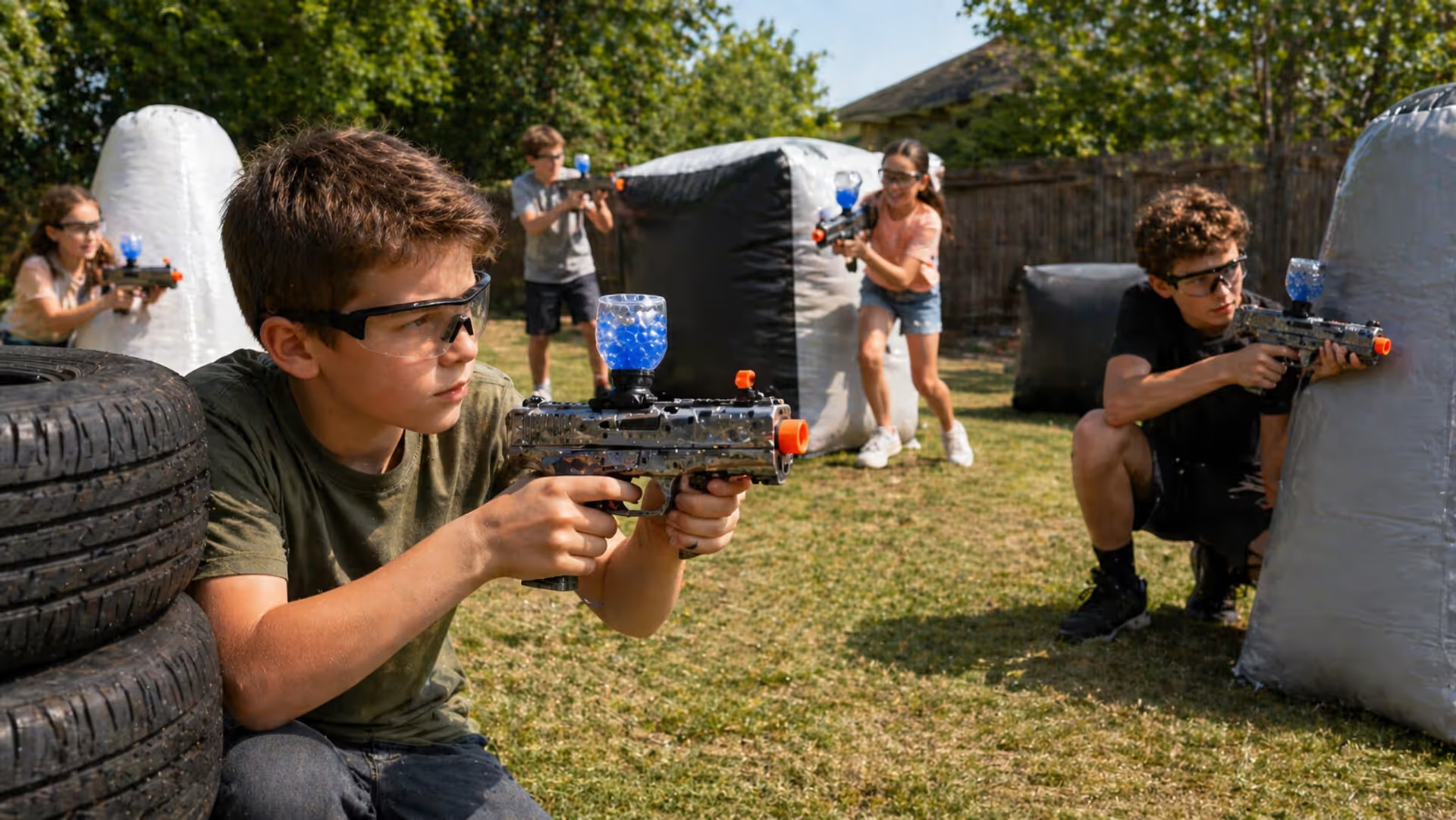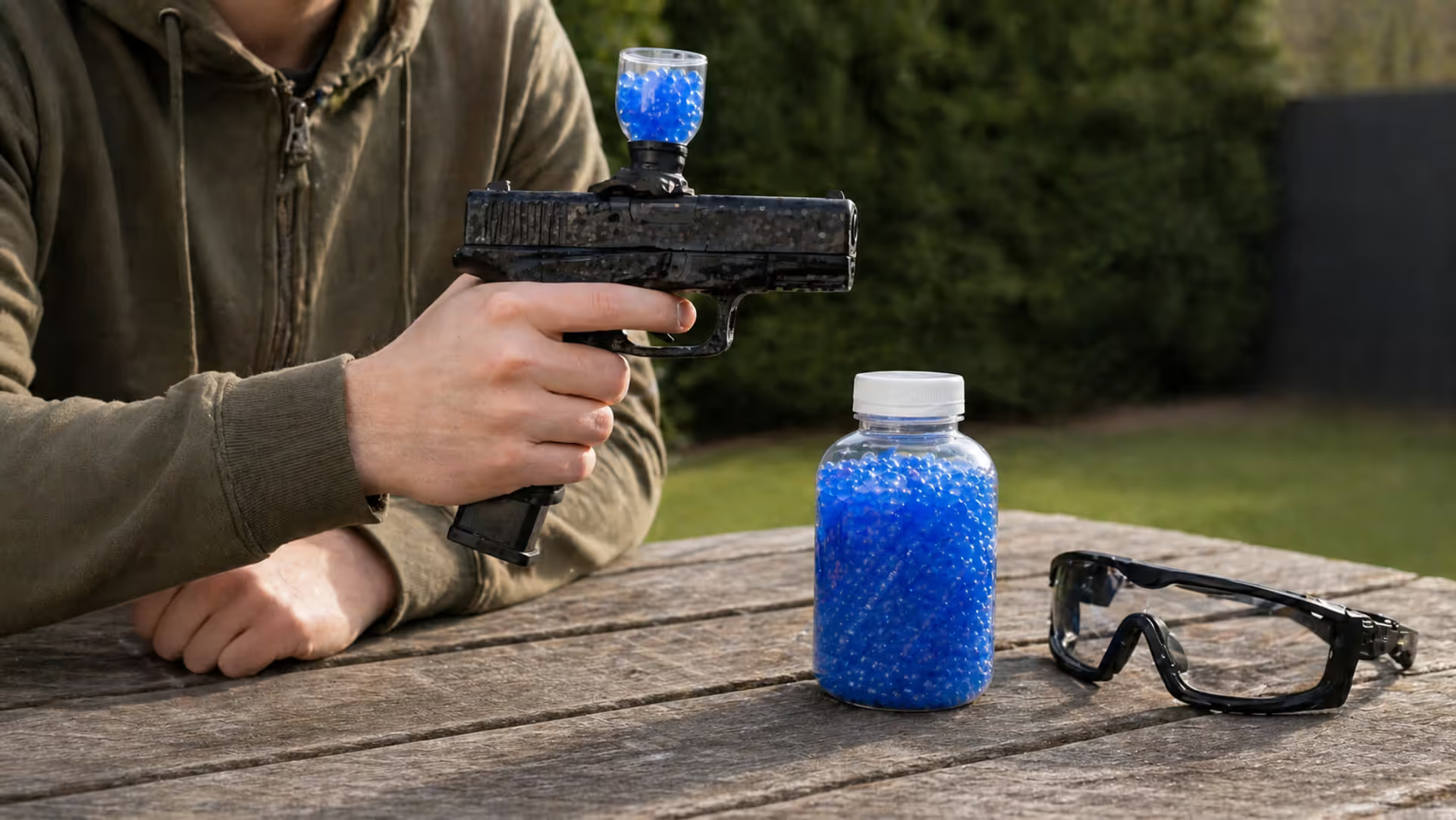
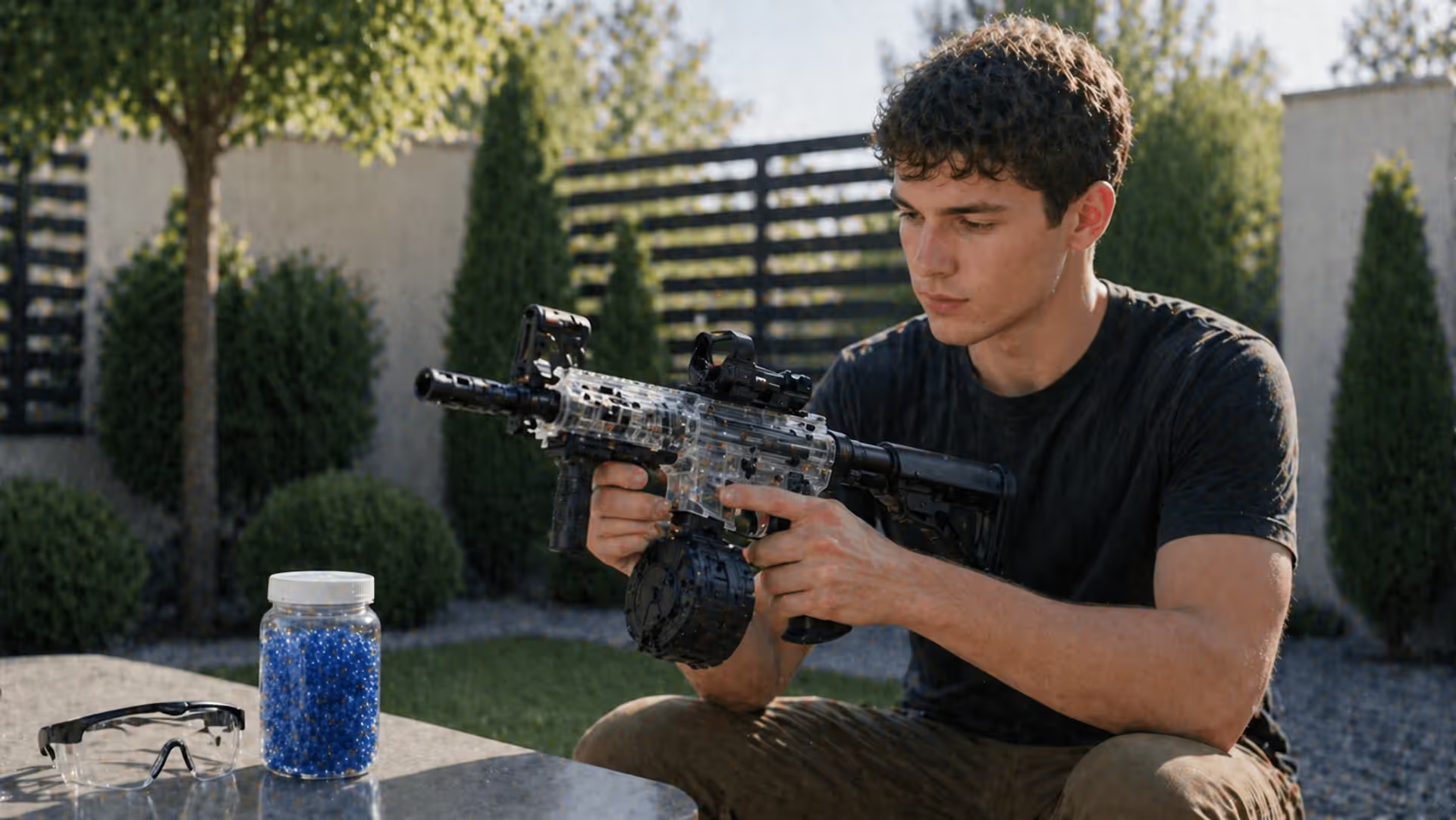
Person holding gel blaster with protective gear and gel balls outdoors
Gel Blaster Gun Guide

Content
Looking for a backyard sport that won't leave your fence covered in paint splatters or send you hunting for lost BBs? Gel blasters might be exactly what you need. Over the past few years, these water-bead launchers have carved out their own niche in American recreational shooting—less mess than paintball, softer impact than airsoft, and surprisingly engaging once you get into it.
Think of them as the middle ground nobody knew they wanted. You're still getting tactical scenarios, team coordination, and that rush of adrenaline when you're pinned behind cover. But instead of cleaning paint off everything for days or digging plastic pellets out of your lawn, you're dealing with gel balls that literally dissolve after impact.
Understanding How Gel Blasters Actually Work
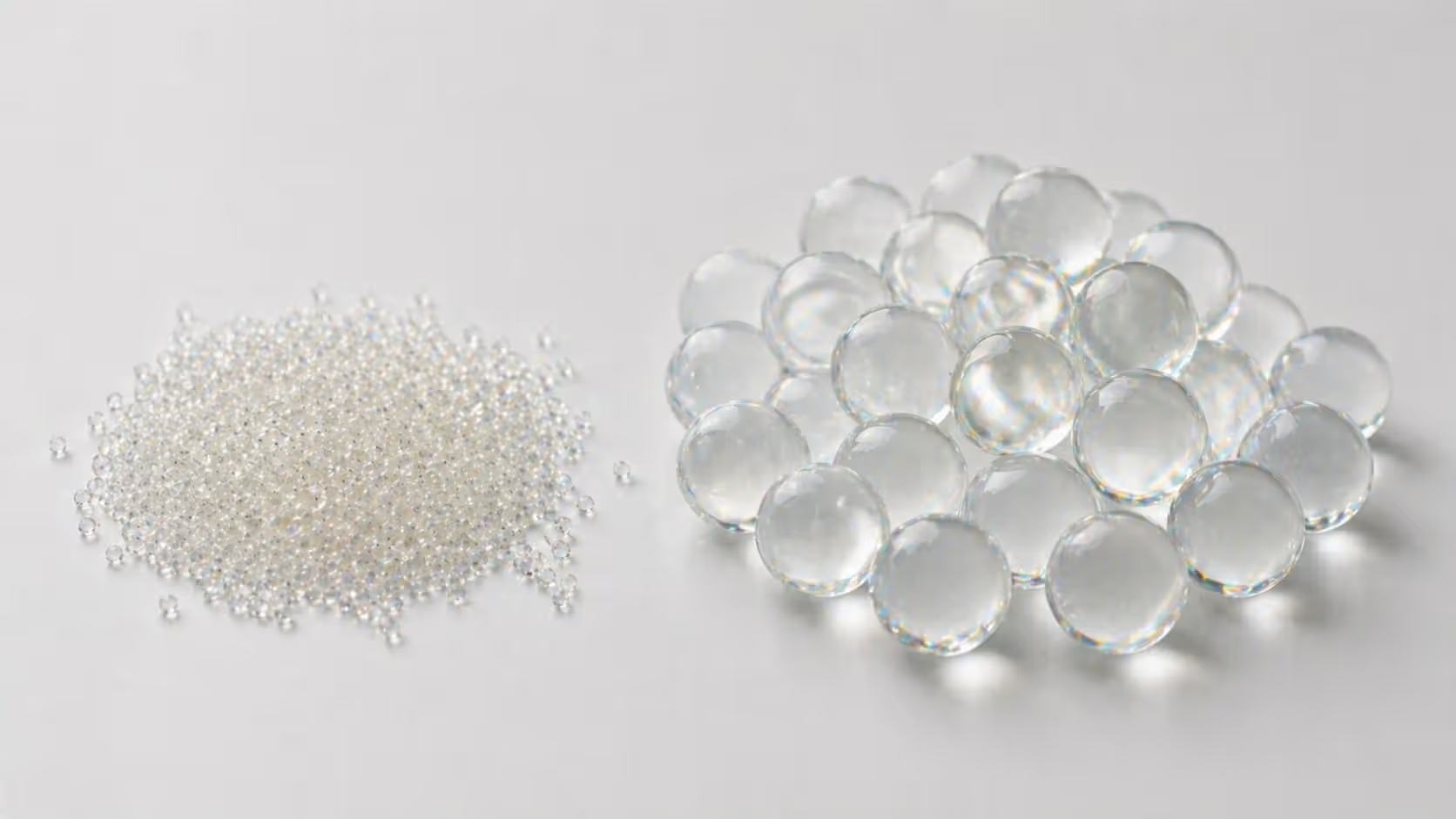
Here's the deal: a gel blaster gun launches small polymer spheres that've been soaked in water until they puff up like tiny squishy marbles. You buy these as hard pellets (think about the size of a peppercorn), dump them in water for 3-4 hours, and they balloon to roughly 7-8mm. Fire one at a target and it bursts on contact, leaving basically just a water spot that dries within minutes.
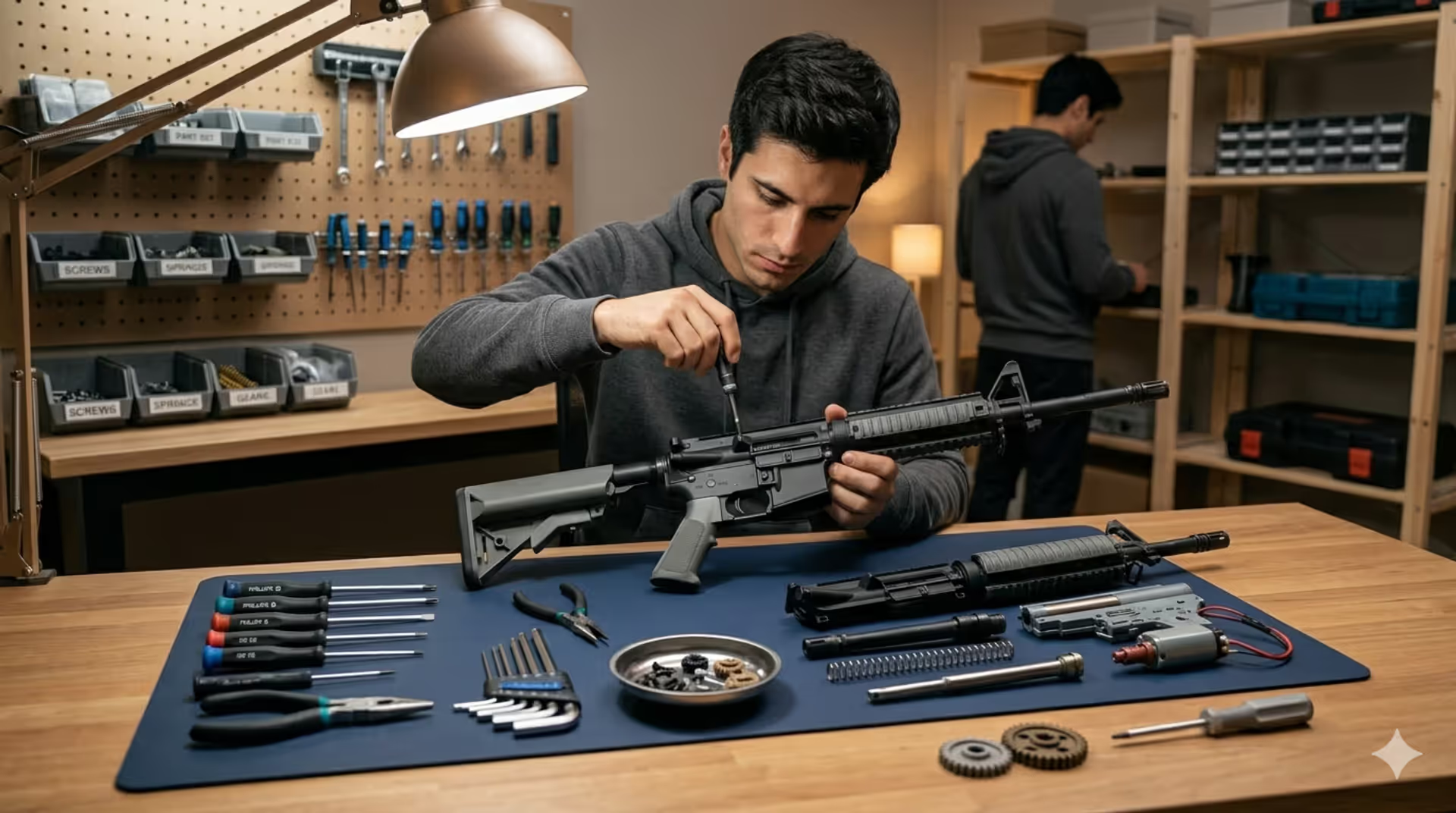
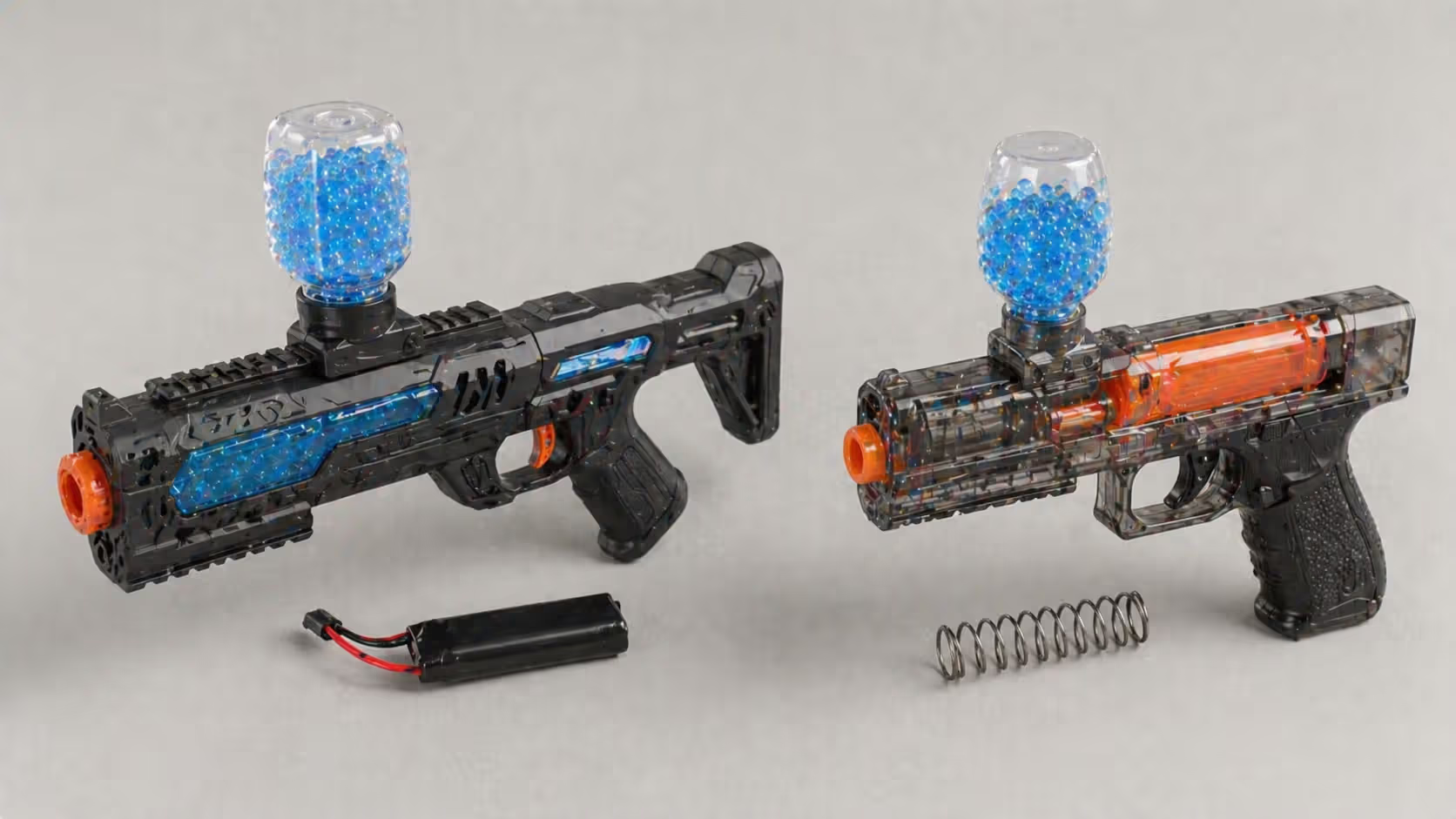
The launching mechanism? Three main types. Electric versions—the most popular by far—use a rechargeable battery pack connected to a gearbox. Pull the trigger and an electric motor cycles this gearbox, compressing a piston that shoves air down the barrel. It's similar to how pneumatic tools work, just scaled way down.
Spring models work differently. You manually pull back a mechanism (usually a bolt or slide) that compresses a spring. Release the trigger and—snap—that stored energy pushes your gel ball out. One shot, then you're cocking it again. There's also gas-powered options floating around, though they haven't caught on much in the States.
Most decent models include what's called a hop-up unit. This little adjustment wheel changes how much backspin gets applied to each shot. More spin means your gel balls arc less and travel farther before gravity wins. It's the difference between 50-foot effective range and 90-foot accuracy.
Author: Ethan Rowe;
Source: lakestaytents.com
Magazines hold anywhere from a dozen rounds in compact pistols up to those ridiculous 400-round drums you'll see on support weapons. Velocity usually sits between 150-250 fps, though some competitive builds push higher numbers.
Now, about legality—this gets complicated fast. Each state handles gel blasters differently. Some treat them like toys. Others lump them in with airsoft replicas, meaning you need orange barrel tips or can't carry them in public spaces. California and New York have notably strict rules. A few cities (looking at you, NYC and Chicago) have their own additional restrictions.
My advice? Call your local police non-emergency line before buying. Seriously. A five-minute phone call beats explaining to an officer why you're carrying what looks like a rifle through a parking lot.
Breaking Down Gel Blaster Categories
Pistols, Rifles, Shotguns—What's the Actual Difference?
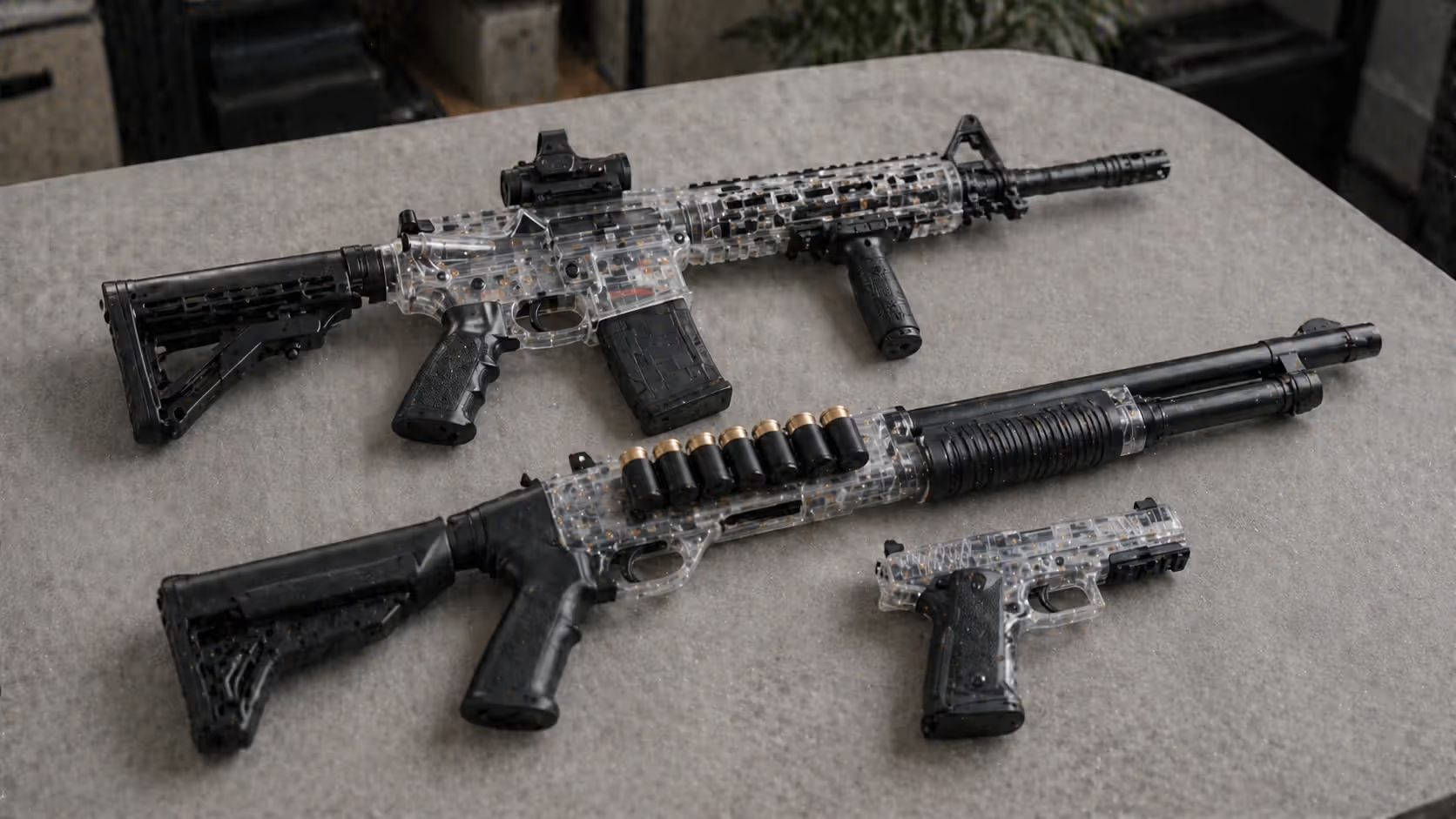
Pistol-style blasters make great sidearms or main weapons if you're playing indoors. Compact enough to maneuver around tight corners, most clock in around 100-120 fps with useful accuracy out to maybe 50 feet. Magazine capacity runs 15-25 gel balls typically. You'll find mostly semi-auto firing modes here. Perfect for CQB arenas or as your backup when your primary runs dry during outdoor matches.
Rifles dominate because they're just plain versatile. Full-length barrels, adjustable stocks, rail systems for mounting accessories—these check most boxes for most players. Expect 180-220 fps, accurate shots to 80-100 feet, and magazines from 100 rounds up to 200+. Many come with functioning charging handles, working bolt releases, and enough Picatinny rail space to mount every accessory known to mankind (please don't actually do this—it looks ridiculous).
Gel blaster shotgun styles replicate pump-action or break-barrel firearms. Here's the thing though: most don't actually spread multiple gel balls like real shotgun pellets. They're essentially rifles with shotgun furniture, maybe firing 2-3 balls per trigger pull. They look awesome for milsim events but you're sacrificing range for that authentic pump-action feel.
Sniper platforms cater to patient players who'd rather land one perfect shot than spray 20 rounds hoping something connects. Extended barrels, tighter bore tolerances, precision hop-up systems—a properly tuned gel blaster sniper can reach out past 100 feet. You're typically limited to semi-auto or even bolt-action firing modes. Not beginner-friendly, but incredibly satisfying when you tag someone who thought they were safely out of range.
Author: Ethan Rowe;
Source: lakestaytents.com
Electric Versus Spring Power—Which Actually Matters?
Electric gel ball blasters run the show for good reason. Pop in a charged battery, flip the selector switch, and you've got anywhere from 8 rounds per second up to 20+ in competitive models. A decent 1,200mAh battery gives you 1,500-2,000 shots depending on whether you're trigger-happy with full-auto. No pump between shots means you can maintain suppressive fire or quickly engage multiple targets.
Downside? More complexity means more potential failure points. Gearboxes can strip gears. Motors burn out. Batteries die at the worst moments (always mid-firefight, never during lunch breaks).
Spring-powered alternatives strip away all that complexity. Cock the mechanism, pull the trigger, repeat. No batteries to charge. No gears to strip. Just mechanical simplicity. They cost less upfront—sometimes half the price of equivalent electric models.
But you're locked into single-shot operation. That manual cocking between every trigger pull means your rate of fire drops to maybe one shot every 2-3 seconds if you're fast. For younger kids or super casual backyard plinking, this works fine. Competitive play? You'll get outgunned quickly.
Realistic Replicas and Metal Construction
Realistic gel blaster models copy actual firearms down to manufacturer markings, correct dimensions, and functional controls. We're talking licensed trademarks, proper weight distribution, working safeties that actually engage. Collectors love them. Training instructors use them for muscle memory drills without live ammunition costs.
Just remember—realistic appearance creates real-world problems. That authentic-looking M4 replica might be legal where you live, but good luck explaining that to concerned citizens when you're loading it into your car. Orange tips help. Common sense helps more.
Metal gel blaster builds upgrade durability significantly. Aluminum receivers don't crack like polymer when you drop them (and you will drop them). Steel barrel assemblies maintain accuracy longer. Metal gearbox shells handle higher-stress components without flexing.
The weight difference is noticeable though. A full-metal build might run 6-8 pounds versus 3-4 pounds for polymer equivalents. Your arms will feel it during hour-three of a scenario game. But that heft also improves handling characteristics and just feels more substantial.
Professional gel blaster models combine metal internals with reinforced externals plus tournament-proven reliability. Price tags jump accordingly—$200-500 versus $80-150 for polymer builds. You're paying for tighter tolerances, better materials, and quality control that ensures your blaster works when it matters.
Author: Ethan Rowe;
Source: lakestaytents.com
Picking Your First (or Next) Gel Blaster
Start with your actual skill level, not where you think you'll be in six months. First-timer? Get something simple with minimal adjustments and proven reliability. You want to learn shooting fundamentals, not troubleshoot gearbox issues. Intermediate players should target platforms with clear upgrade paths—standardized gearboxes, replaceable springs, programmable triggers. Advanced competitors often buy high-end bases specifically to gut and rebuild with custom internals.
Where you'll actually play matters more than fantasy scenarios. Backyard sessions with friends tolerate lower-end options. You're shooting at 20-30 feet, nobody's keeping score, and if something breaks you just grab a backup. Organized field events demand higher performance—better fps, extended magazines, construction that survives getting dropped on concrete. Indoor CQB venues often cap velocity at 150-180 fps and favor compact, high-rate-of-fire configurations. Outdoor milsim games reward realistic replicas with authentic manual-of-arms.
Budget realistically. That $60 blaster on Amazon might seem tempting, but you'll replace it within a month when the gearbox strips or the hop-up breaks. Mid-range options ($120-200) deliver way better out-of-box experiences. Premium models ($250-450) compete immediately without modifications.
Don't forget the hidden costs: 10,000 gel balls ($15-25), actual good eye protection ($30-60), spare batteries and a decent charger ($20-40), extra magazines ($15-25 each). Factor in $100-150 beyond the blaster itself or you'll be cutting corners on safety gear.
FPS requirements depend on engagement distance. Close-quarters indoor? You rarely need more than 170-180 fps. Outdoor fields with 60-80 foot sight lines? Aim for 200-230 fps. But here's what beginners miss: velocity doesn't guarantee accuracy. A 250 fps blaster with a garbage hop-up gets outshot by a 180 fps model with a precision barrel and properly tuned backspin.
Upgrade potential separates toys from platforms. The best gel blaster options use Version 2 or Version 3 gearboxes—industry standards with massive aftermarket support. Proprietary designs lock you into manufacturer-specific parts (if you can even find them). Check magazine compatibility too. Some brands use unique feeding systems that force you into their overpriced magazines.
| Blaster Style | FPS You'll Actually Get | Useful Accuracy Distance | How Many Rounds | What You'll Pay | When It Makes Sense |
| Pistol | 100-150 fps | 40-60 feet | 15-30 gel balls | $50-$120 | Indoor arenas, backup weapon, learning basics |
| Rifle | 180-230 fps | 70-100 feet | 100-300 gel balls | $100-$350 | General outdoor use, team events, most versatile |
| Sniper | 200-280 fps | 90-120 feet | 30-100 gel balls | $150-$450 | Overwatch positions, precision shots, experienced players |
| Shotgun | 150-200 fps | 50-70 feet | 20-80 gel balls | $80-$200 | Door breaching scenarios, intimidation factor, milsim aesthetics |
Features That Actually Matter When Buying
Build quality shows itself immediately. Shake the blaster—does it rattle like a maraca or feel solid? Check receiver seams for gaps indicating sloppy molding. Flex the stock and grip. Cheap builds wobble. Quality construction stays rigid. Gearbox housings shouldn't sound like loose change when you move them around.
Metal gel blaster internals outlast nylon gears dramatically, especially in high-ROF setups. Professional gel blaster manufacturers prove their quality through torture test videos—watch for ones showing 50,000+ round counts or multiple concrete drops without failure.
Advertised fps numbers need context. That "250 fps!" claim probably reflects perfect conditions with premium gel balls and a freshly charged battery. Real-world performance typically runs 10-15% lower. You want consistency more than peak velocity anyway.
Accuracy depends on barrel quality and hop-up adjustability way more than power. Brass or aluminum barrels beat plastic every time. Look for hop-up units you can adjust without disassembling half the blaster—tool-free access wins.
Magazine capacity creates tactical choices. Mid-caps (100-150 rounds) provide realistic weight and reliable feeding. High-capacity drums (300-500 rounds) eliminate reload frequency but add bulk and sometimes cause feeding jams. Match capacity to your play style. Aggressive flankers benefit from quick mag changes. Support gunners want maximum sustained fire.
Battery life varies wildly with firing patterns. A 1,200mAh pack might push 1,500 shots in semi-auto but only 800 in full-auto. Removable batteries let you swap mid-game instead of sitting out while charging. Some best gel blaster gun models include voltage monitors preventing over-discharge damage that kills battery lifespan.
Compatibility matters for future upgrades. Version 2 and Version 3 gearboxes offer extensive aftermarket parts. Proprietary designs limit you to whatever the manufacturer decides to stock. Standard hop-up chambers accept universal buckings and nubs. Picatinny or M-LOK rails accommodate any accessory ecosystem.
Warranty coverage signals manufacturer confidence. Reputable brands offer 90 days minimum, sometimes a full year. Read the fine print—most exclude damage from modifications or abuse. But responsive customer service matters when you need troubleshooting help or replacement parts.
Beginners obsess over fps ratings without understanding the complete system. I've watched $150 blasters consistently outperform $400 models because the owner actually learned proper hop-up tuning and maintained their equipment. Barrel quality, hop-up adjustment, and gel ball consistency matter infinitely more than raw velocity numbers on a spec sheet.
— Marcus Chen
Staying Safe and Keeping Things Running
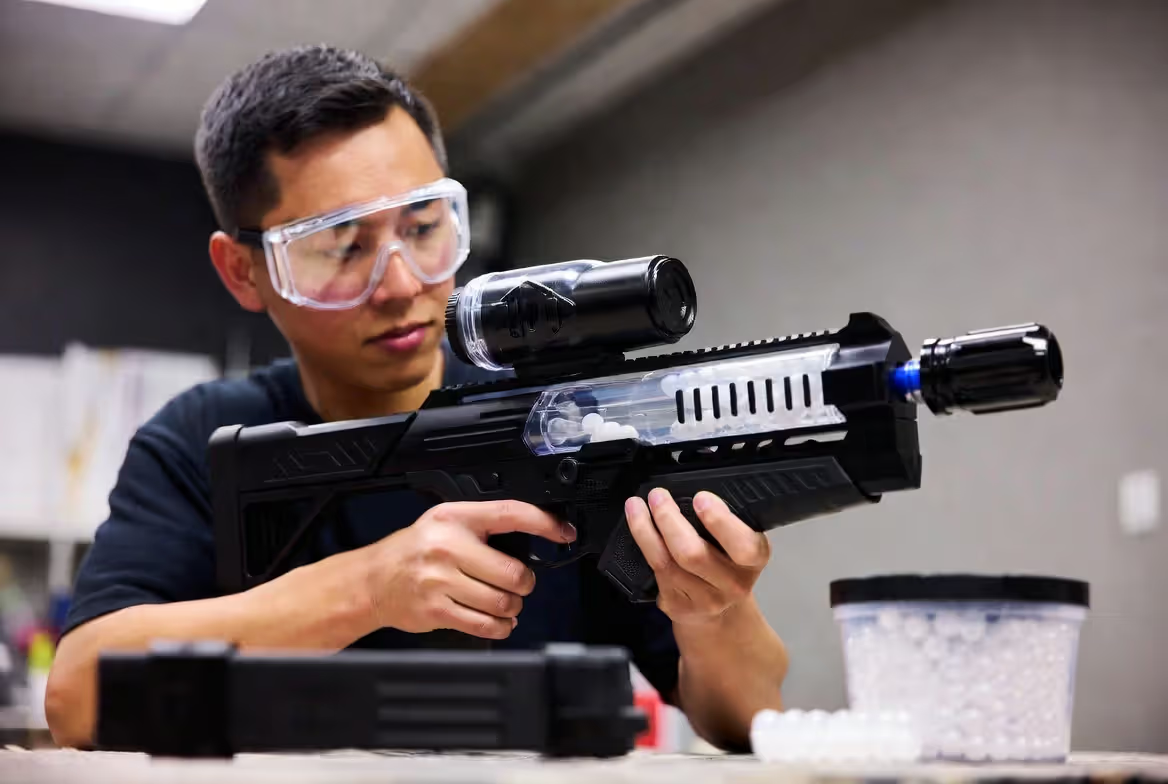
Eye protection isn't negotiable. Period. Regular shooting glasses won't cut it—gel balls slip through gaps. You need ANSI Z87.1+ rated goggles or full-seal masks. Add face protection if you value your teeth. Never remove eye pro in active play zones, even during cease-fires. I've seen too many "just for a second" moments end badly.
Play areas need clear boundaries and adequate backstops. Public spaces are asking for trouble—civilians calling police because they spotted what looks like armed combatants. Indoor venues need good ventilation and lighting (dark corners plus running players equals twisted ankles). Outdoor fields require distance from roads and houses. Always get property owner permission in writing. Verbal agreements get forgotten.
Cleaning extends operational life dramatically. After each session, fire 20-30 dry shots to blow out gel fragments. Monthly deep cleans involve barrel disassembly and gentle swabbing with microfiber cloth. Skip the harsh chemicals—they destroy rubber hop-up components. Magazines need attention too. Gel residue builds up in feed mechanisms causing jams.
Storage practices prevent premature failure. Remove batteries from electric gel ball blasters before storing—prevents accidental discharge and battery degradation. Keep hydrated gel balls in sealed containers away from moisture. They'll last several months stored properly. Dry gel balls keep basically forever.
Partially decompress springs by firing a few shots before long-term storage. Constant compression causes spring fatigue over months.
Battery care follows standard lithium-ion practices. Charge after use rather than storing depleted. Don't leave batteries on chargers overnight—stop when charging light indicates full. For storage longer than a month, maintain 50-70% charge levels. Replace batteries showing significant capacity loss (usually after 300-500 cycles). Only use manufacturer-recommended chargers. Generic chargers cause cell damage.
Mistakes First-Time Buyers Keep Making
Ignoring fps limits for local venues creates instant regret. Many organized fields cap velocities at 200-220 fps for safety. Buy a 280 fps sniper and you're either modifying it immediately or sitting out. Check venue requirements before purchasing performance extremes.
Choosing wrong types for intended use wastes money. Pistols struggle in open-field games where engagements exceed 60 feet. Heavy metal rifles cause arm fatigue during fast-paced indoor matches. Buy for your most frequent play environment, not occasional edge cases.
Chasing the cheapest option produces disappointing experiences. Bottom-tier best gel guns use brittle plastics, unreliable feeding systems, and underpowered motors. Spending an extra $50-75 typically yields dramatically better performance and durability. Target mid-range models from established manufacturers rather than no-name Amazon brands.
Skipping local regulation research risks legal trouble. Some cities require permits. Others prohibit public carry regardless of orange tips. Transportation rules vary—certain states mandate locked containers during vehicle transport. Research applies to both where you're buying and where you're playing.
Author: Ethan Rowe;
Source: lakestaytents.com
Forgetting essential accessories creates incomplete setups. You can't play without eye protection. Extra magazines prevent mid-game frustration. Quality gel balls matter more than most realize. Spare batteries keep you in the fight. Budget $80-120 beyond the blaster itself or you'll compromise on safety gear.
Ammunition quality impacts performance more than beginners expect. Premium gel balls feature consistent sizing and proper hydration. Cheap alternatives include oversized or undersized balls causing jams or barrel roll-outs. Poor manufacturing leaves excessive residue requiring constant cleaning. Spend the extra $5 per 10,000 rounds. Your accuracy and maintenance schedule will thank you.
Common Questions About Gel Blasters
Choosing the right gel blaster gun means balancing performance expectations against actual use scenarios and honest budget assessment. Electric models offer convenience and rapid-fire capability for most players. Spring-powered alternatives suit casual users prioritizing mechanical simplicity. Metal construction and realistic designs appeal to collectors and serious competitors, though quality polymer builds deliver excellent performance at friendlier price points.
Prioritize safety equipment and proper venue selection over marginal performance upgrades. The best gel blaster for your needs matches typical engagement distances, complies with local regulations, and provides upgrade potential as skills develop. Start with mid-range options from established manufacturers. Invest in quality eye protection. Join local communities accessing organized play opportunities.
Proper maintenance and responsible use ensure years of enjoyable recreational shooting experiences. Don't chase fps numbers. Focus on accuracy, reliability, and building skills. The most expensive blaster won't make you a better player. Practice and good fundamentals will.