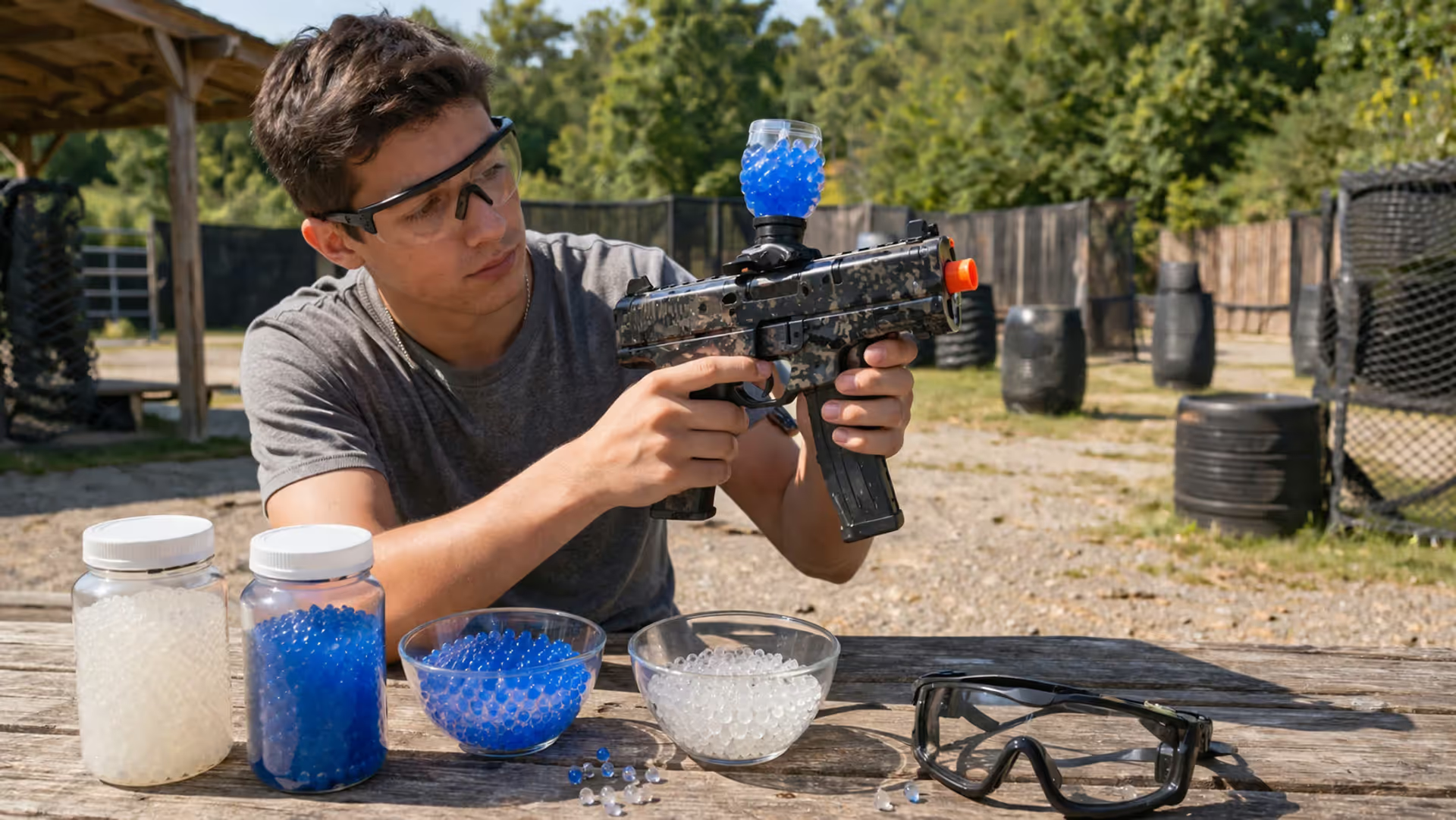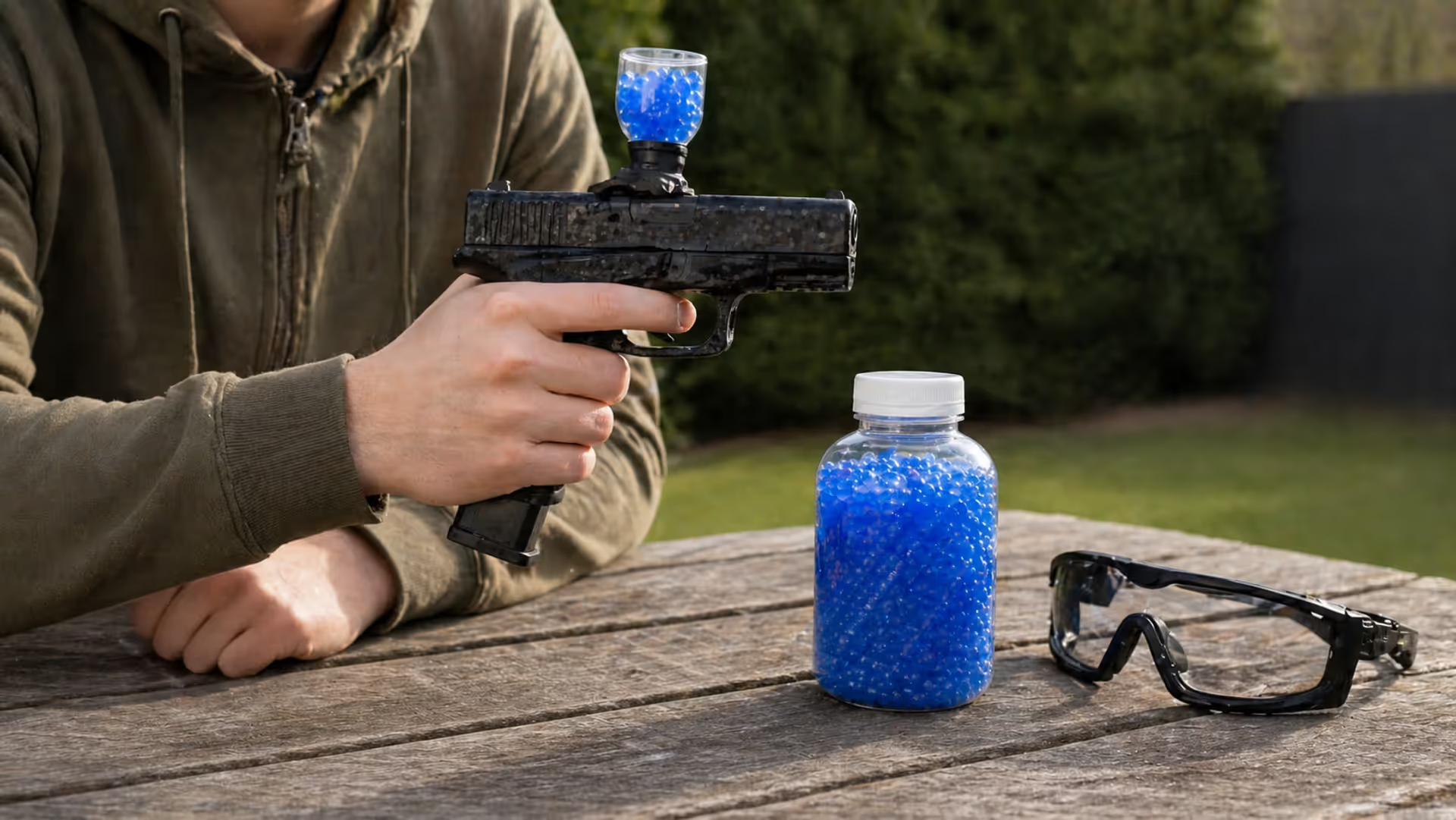
Person holding gel blaster and container with gel balls
Gel Blaster Ammo Guide

Content
Your gel blaster is only as good as the ammunition you feed it. I've seen $300 blasters perform worse than $50 models simply because the owner didn't understand how to prep their ammo correctly. Those tiny polymer beads might look simple, but there's actually a science to getting them competition-ready.
Most performance issues—jams, weak shots, inconsistent accuracy—trace back to ammunition problems rather than the blaster itself. Get your gel balls right, and suddenly your blaster shoots like it cost twice as much.
What Is Gel Blaster Ammo?
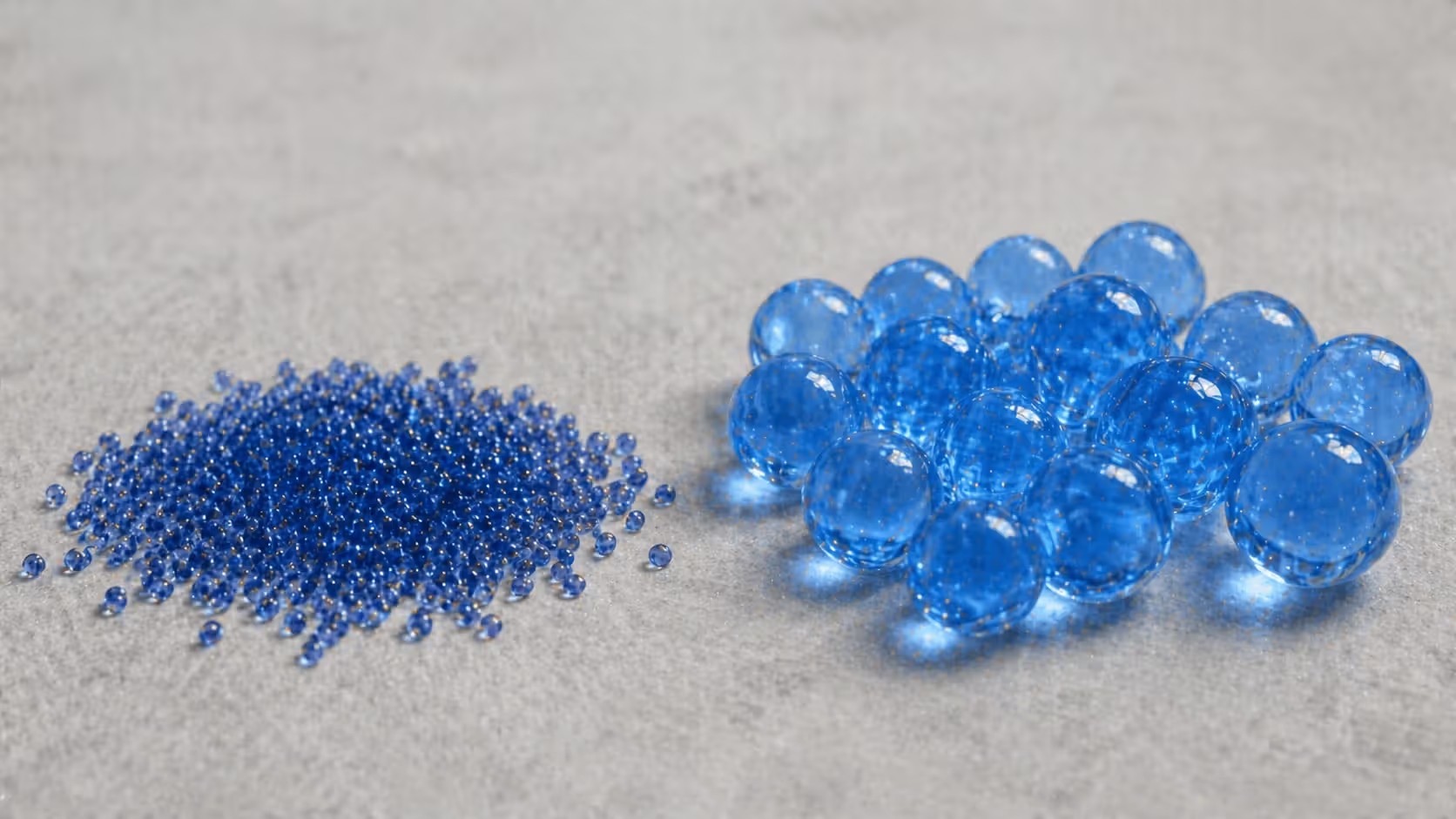
Think of gel blaster ammo as tiny sponges designed to absorb water and grow. Start with rock-hard polymer pellets about the size of a match head. Soak them for a few hours, and they balloon into squishy spheres ready to fire.
The industry uses several names interchangeably: gel blaster balls, gellet balls, gel blaster orbs, or water beads blaster ammo. They're all describing the same product—superabsorbent polymer beads made primarily from sodium polyacrylate. If that chemical name sounds familiar, it's because the same material absorbs liquid in disposable diapers and helps farmers retain soil moisture.
Straight from the bag, these beads measure 2-3mm and have the hardness of plastic BBs. Drop one on concrete and it'll bounce like a tiny ball bearing. Completely useless for firing—you'd break your blaster trying.
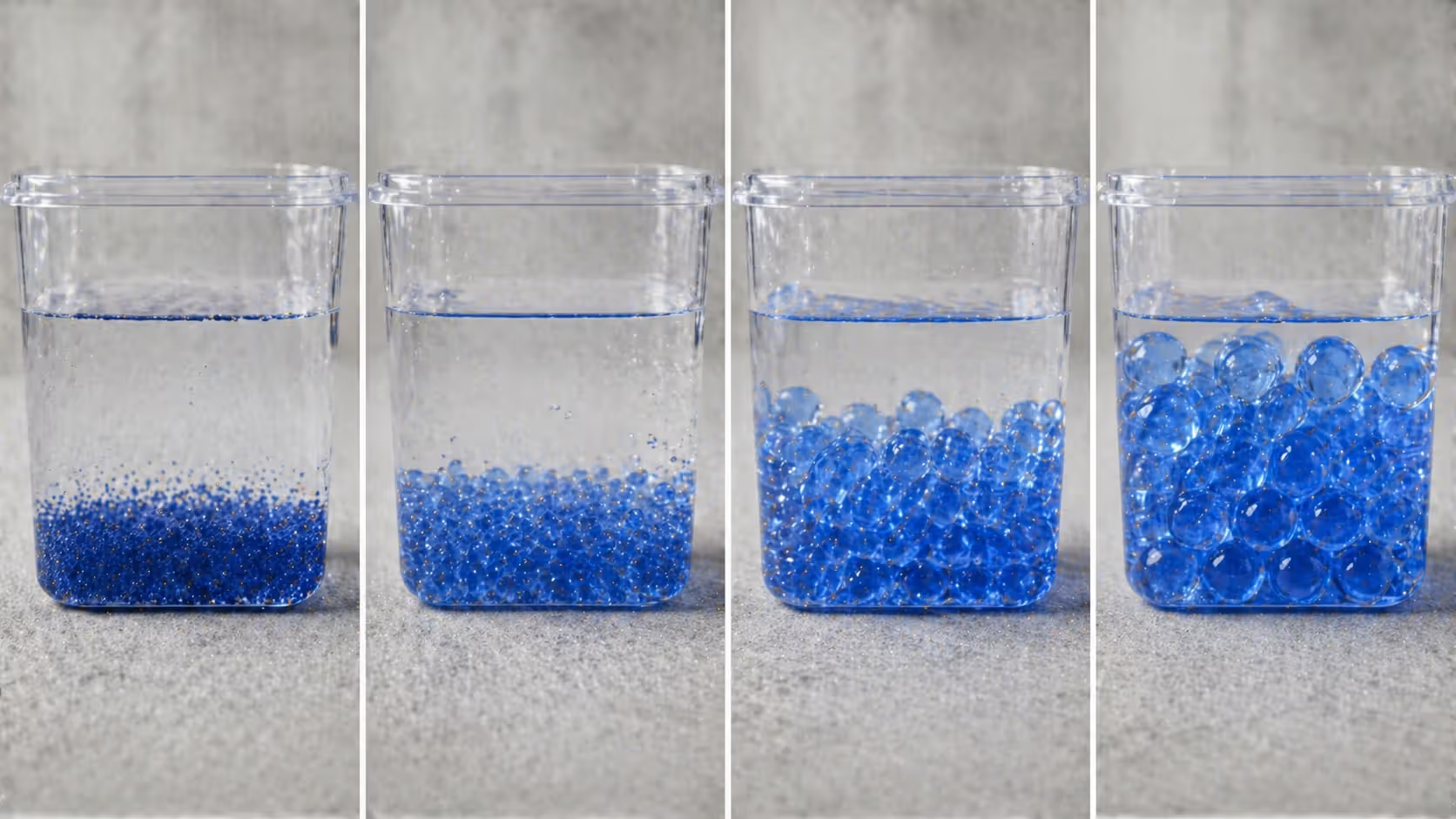
The magic starts when water hits these pellets. The polymer chains spread apart and trap water molecules in the spaces between them. This causes massive expansion—typically 200-300 times their dry volume. A tablespoon of dry beads becomes a full cup when hydrated.
Colors vary by brand and type. Clear and white dominate the market, but you'll find blue, green, orange, and even glow-in-the-dark varieties. The color doesn't affect performance, though some players swear lighter colors are easier to track in flight.
Unlike paintballs that splatter or airsoft BBs that bounce everywhere, gel blaster orbs burst on impact and essentially evaporate. They leave minimal residue that dries within minutes. This makes backyard battles far more neighbor-friendly and indoor arenas actually practical.
Author: Brandon Kesswick;
Source: lakestaytents.com
Gel Blaster Bead Sizes and Types
Size matters tremendously with gel blaster ammunition. A 0.5mm difference seems tiny, but it's the difference between smooth feeding and constant jams.
Standard Gellet Size Chart
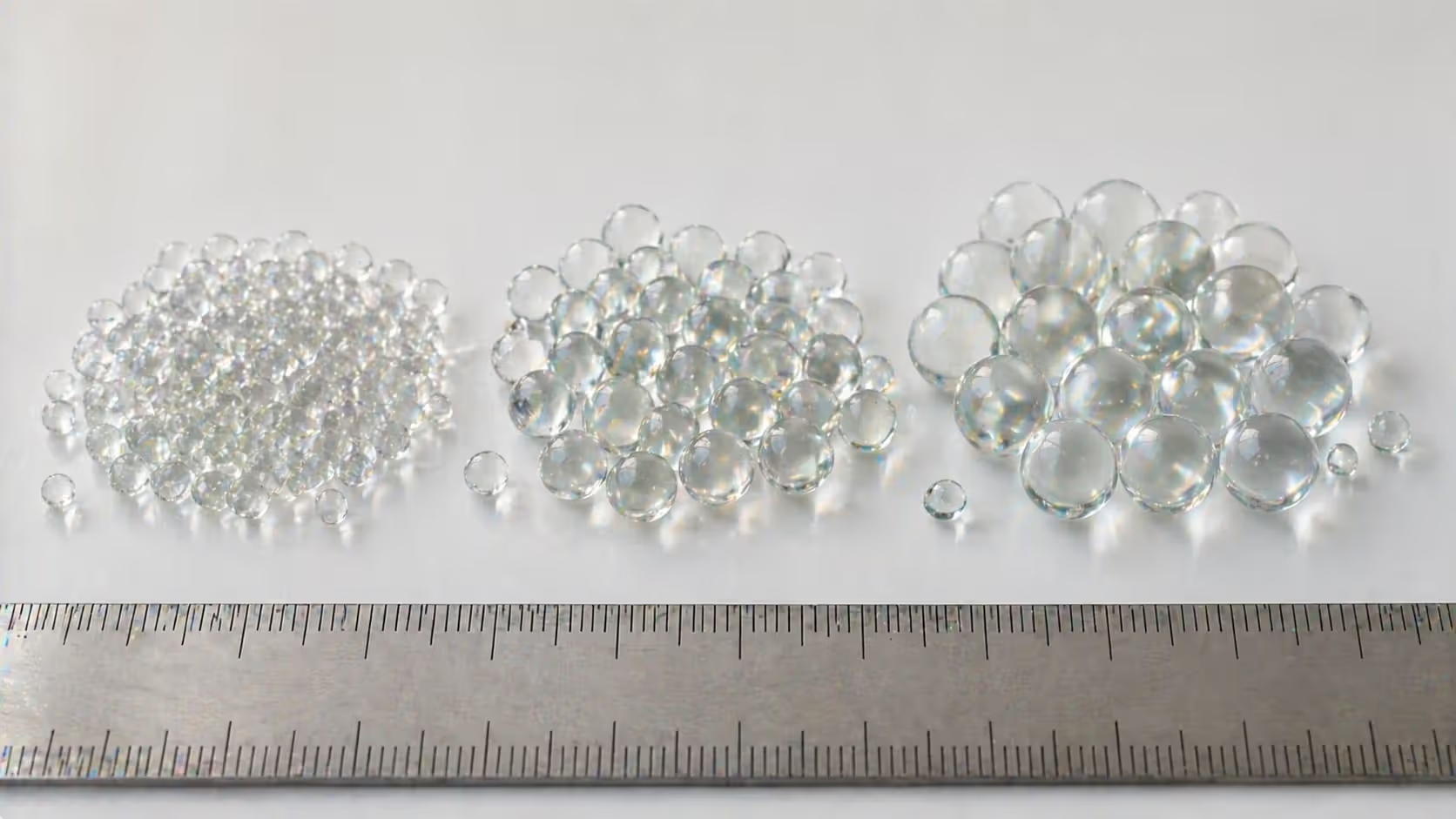
Size Specifications After Full Hydration
7mm Gel Balls
Final diameter: 6.8-7.2mm | Soak time: 3-4 hours
Works with: Compact pistols, CQB-focused SMGs
Best for: Indoor arenas, rapid-fire scenarios where volume matters more than precision
7.5mm Gel Balls
Final diameter: 7.3-7.7mm | Soak time: 4-5 hours
Works with: Standard blasters across most brands
Best for: Versatile performance—handles both close and mid-range engagements effectively
8mm Gel Balls
Final diameter: 7.8-8.2mm | Soak time: 4-6 hours
Works with: Upgraded internals, precision-tuned rifles
Best for: Long-range accuracy, competitive events where consistency wins
Author: Brandon Kesswick;
Source: lakestaytents.com
These dimensions apply only after beads reach full hydration. Measure at the wrong time and you'll get wildly different numbers. Dry beads all look roughly identical regardless of their intended final gel blaster bead size.
Premium ammunition maintains tighter tolerances. Budget beads from the same package might range from 7.2mm to 7.9mm after identical hydration times. That inconsistency murders accuracy and causes feeding headaches. Quality gellet balls show uniform color throughout and virtually zero defects or broken pieces per thousand.
Choosing the Right Size for Your Blaster
Your blaster's manual should list the correct gellet size—actually read it before buying bulk ammunition. Entry-level models almost universally accept 7.5mm as the sweet spot. Higher-end blasters with upgraded barrels and tighter hop-ups often demand exact 7mm or 8mm beads.
What happens with the wrong size? Oversized beads jam in the magazine, crack during feeding, or get crushed in the barrel. You'll hear crunching noises that make you wince. Undersized beads roll through without engaging the hop-up properly, destroying range and accuracy.
Here's my reliability test: Hydrate 20-30 beads and run them through your blaster. If you complete 25+ shots without a single jam and your groupings look tight at 30 feet, you've got the right size. Three jams in 20 shots? Try different ammunition before assuming your blaster has mechanical issues.
How to Hydrate Gel Blaster Balls
Hydration separates functional ammunition from garbage that'll wreck your day. The process takes time—no shortcuts exist that actually work.
Grab a clean container first. Glass bowls or food-grade plastic bins work perfectly. Metal containers sometimes react with the gel ball water absorbent polymers during long soaks, potentially affecting bead quality.
Ratio matters: 10,000 dry beads need roughly one gallon of water. Pour beads into your container first, then add water until the level sits 2-3 inches above the beads. Reversing this order (water first, then beads) creates clumping that prevents even hydration.
Water temperature affects results significantly. Room temperature (68-74°F) produces optimal beads in standard time. Cold tap water can double hydration time to 8-10 hours. Hot water seems tempting for speed, but temperatures above 85°F damage the polymer structure, creating weak spots that cause premature breaking during firing.
Most gel blaster balls need 4-5 hours to reach peak performance. Check progress at the three-hour mark by squeezing a few beads between your fingers. Properly hydrated gel blaster balls have a firm-but-yielding texture similar to gummy candy. Drop one from 6 inches onto a hard surface—it should bounce slightly.
Under-hydrated beads feel hard at the center. Slice one open and you'll see a dry core surrounded by hydrated material. Over-hydrated beads turn mushy and fragile, squishing easily under minimal pressure. Both extremes cause jams and inconsistent performance.
Drain through a fine-mesh strainer once hydration completes. Your beads are ready for immediate use or refrigerated storage.
Author: Brandon Kesswick;
Source: lakestaytents.com
How Long Do Gel Balls Last?
Storage state determines lifespan dramatically.
Unopened packages of dry gel blaster ammo essentially last forever if stored properly. I've successfully used five-year-old sealed bags with zero performance difference from fresh stock. The sealed packaging blocks humidity that would trigger expansion.
Once opened, dry beads remain viable for 12-18 months minimum. Transfer leftovers to airtight containers—mason jars work brilliantly. Humid climates benefit from adding desiccant packets to absorb ambient moisture.
Hydrated beads follow completely different rules. The moment they reach full size, degradation begins. Speed depends entirely on storage conditions.
Ideal storage (sealed container, refrigerated at 38-42°F, clean water) extends peak performance to 2-3 weeks. You'll notice degradation after that as beads soften progressively. Week four shows obvious problems: increased breakage, reduced range, frequent jams.
Room temperature in open containers? Expect 3-5 days maximum before bacterial growth and evaporation ruin your ammunition. The beads shrink as moisture evaporates, becoming undersized and unreliable.
Degradation accelerators include:
Direct sunlight destroys polymer structure within 4-6 hours
Heat above 85°F promotes bacterial growth and rapid water loss
Contaminated water introduces organisms that attack the polymer
Constant movement creates micro-fractures that weaken beads
My personal system: hydrate only what I'll use within one week. For regular weekend players, preparing fresh batches every Thursday evening ensures perfect ammunition Saturday and Sunday.
How to Store Gel Blaster Balls
Storage methods differ drastically between dry and hydrated ammunition. Mixing up these approaches guarantees disappointment.
Storing Dry Gel Blaster Ammo
Dry beads require almost zero effort. Leave factory packaging sealed until you need that specific batch. Opened packages should transfer to containers with reliable seals—zip-lock bags work adequately, though rigid containers with snap lids offer better protection.
Humidity control matters in coastal or tropical climates. Drop a silica gel packet (the kind that comes with electronics or shoes) into your storage container to capture ambient moisture before it reaches the beads.
Location: any climate-controlled interior space works. Closets, drawers, cabinets—anywhere away from windows and their temperature fluctuations. Avoid garages, attics, sheds, and basements where humidity swings and temperature extremes accelerate polymer breakdown.
Label everything with purchase date and bead size. Dry beads don't spoil quickly, but tracking helps you rotate stock and prevents confusion when you've got multiple sizes.
Storing Hydrated Gel Balls
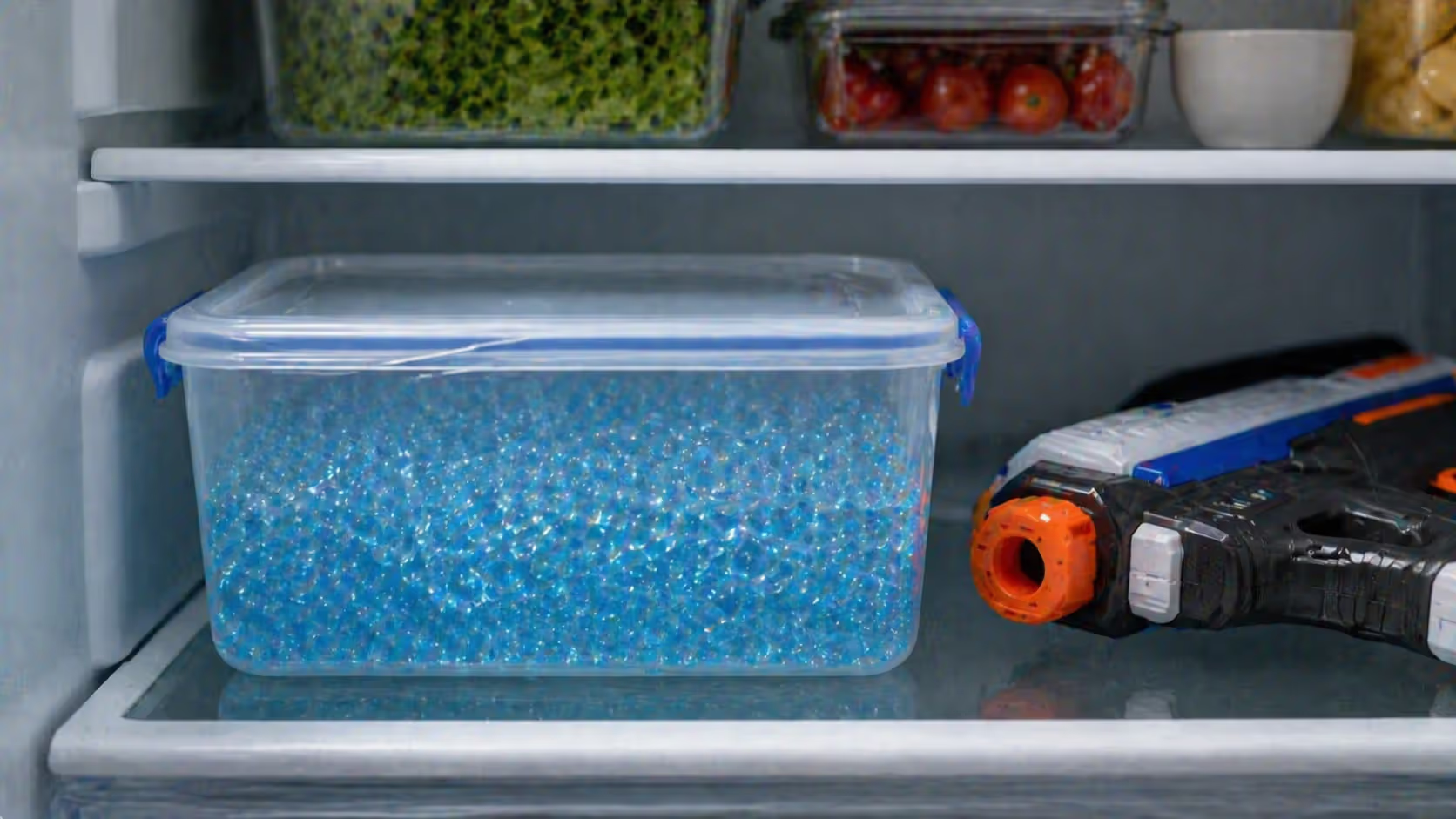
Hydrated beads demand actual attention. Drain excess water after hydration, then transfer beads to airtight containers—those rectangular food storage boxes with snap-on lids work exceptionally well. Add just enough fresh water to submerge the beads, roughly one inch above the surface.
Refrigeration extends usable life dramatically. Cold temperatures (38-42°F) slow bacterial reproduction and minimize evaporation. This storage method keeps beads competition-ready for 2-3 weeks versus 3-5 days at room temperature.
Never freeze hydrated gel balls. Ice crystals form inside the beads during freezing, puncturing the polymer matrix. Once thawed, these damaged beads shatter during firing.
Change storage water every 4-5 days for extended storage periods. This prevents bacterial buildup that creates cloudy water and weakened ammunition. Drain through a strainer, rinse your container thoroughly, add the beads back, and cover with fresh water.
Rotation system for weekly players: Container A holds fresh beads in the fridge for this weekend's games. Container B sits at room temperature hydrating beads for next weekend. This ensures constantly fresh ammunition without last-minute rushing.
Author: Brandon Kesswick;
Source: lakestaytents.com
Common Gel Blaster Ammo Mistakes to Avoid
Even players with years of experience occasionally sabotage their own ammunition. Recognizing these errors helps troubleshoot mysterious performance drops.
Over-hydration tops the mistake list. Leaving beads soaking for 10-12 hours creates oversized, fragile ammunition that explodes in magazines before reaching the barrel. Accidentally over-hydrated a batch? Spread beads on paper towels for 45-60 minutes. Surface evaporation reduces size slightly and firms up the texture enough for use.
Under-hydration produces rock-hard centers that jam feeding mechanisms and damage internal components. The beads might load initially but fire inconsistently with terrible accuracy. Always test a handful before loading full magazines.
Dirty water introduces contaminants that compromise polymer integrity. That bucket sitting in your garage for three weeks? Not worth the risk. Fresh tap water costs nothing and prevents problems.
Mixing bead sizes seems harmless but creates nightmare feeding issues. Even 0.3mm variation between beads causes magazine jams in systems designed for consistent ammunition dimensions. Label different sizes clearly and store them separately.
Sunlight exposure breaks down hydrated beads shockingly fast. That container on your patio table turns to unusable mush within an afternoon. Always store in cool, dark locations.
Reusing outdoor beads introduces dirt, grass fragments, and debris that jams blasters. Gel balls cost $12 per 10,000 beads—don't risk a $200 blaster to save 40 cents worth of ammunition.
Ignoring manufacturer specifications causes more issues than all other factors combined. Manual says 7.5mm? Don't assume 8mm provides better performance. Engineers designed feeding systems around specific tolerances for good reasons.
Most gel blaster owners can dramatically improve performance without spending a dime—simply hydrate ammunition properly and use it fresh. We constantly see players dropping hundreds on internal upgrades while firing week-old beads stored in warm garages. Fresh, correctly sized gel balls improve accuracy and range more than most mechanical modifications.
— Marcus Chen, Lead Engineer
Frequently Asked Questions About Gel Blaster Ammo
Gel blaster ammo might look simple, but preparation and storage directly impact your blaster's performance and reliability. The difference between frustrating jams and smooth, accurate firing often boils down to hydration timing, correct sizing, and fresh ammunition.
Start by verifying the right bead size for your specific blaster model—consult the manual rather than guessing. Hydrate beads in clean water for 4-5 hours, testing several before committing your entire batch. Use fresh ammunition within one week of hydration, storing it in airtight containers in the refrigerator for maximum longevity.
Avoid the common mistakes plaguing new players: over-hydration, mixing bead sizes, using old ammunition, and storing beads in warm or sunny locations. These errors cause more performance problems than worn internal parts or dirty barrels.
Quality ammunition costs $10-15 per 10,000 beads—approximately one cent per shot. Attempting to extend that investment by reusing dropped beads or storing hydrated ammunition for months creates problems costing far more in cleaning time and potential repairs.
Treat gel blaster ammo with the same care you give your blaster itself. Fresh, properly prepared gel balls transform average blasters into reliable performers and make every game session more enjoyable.