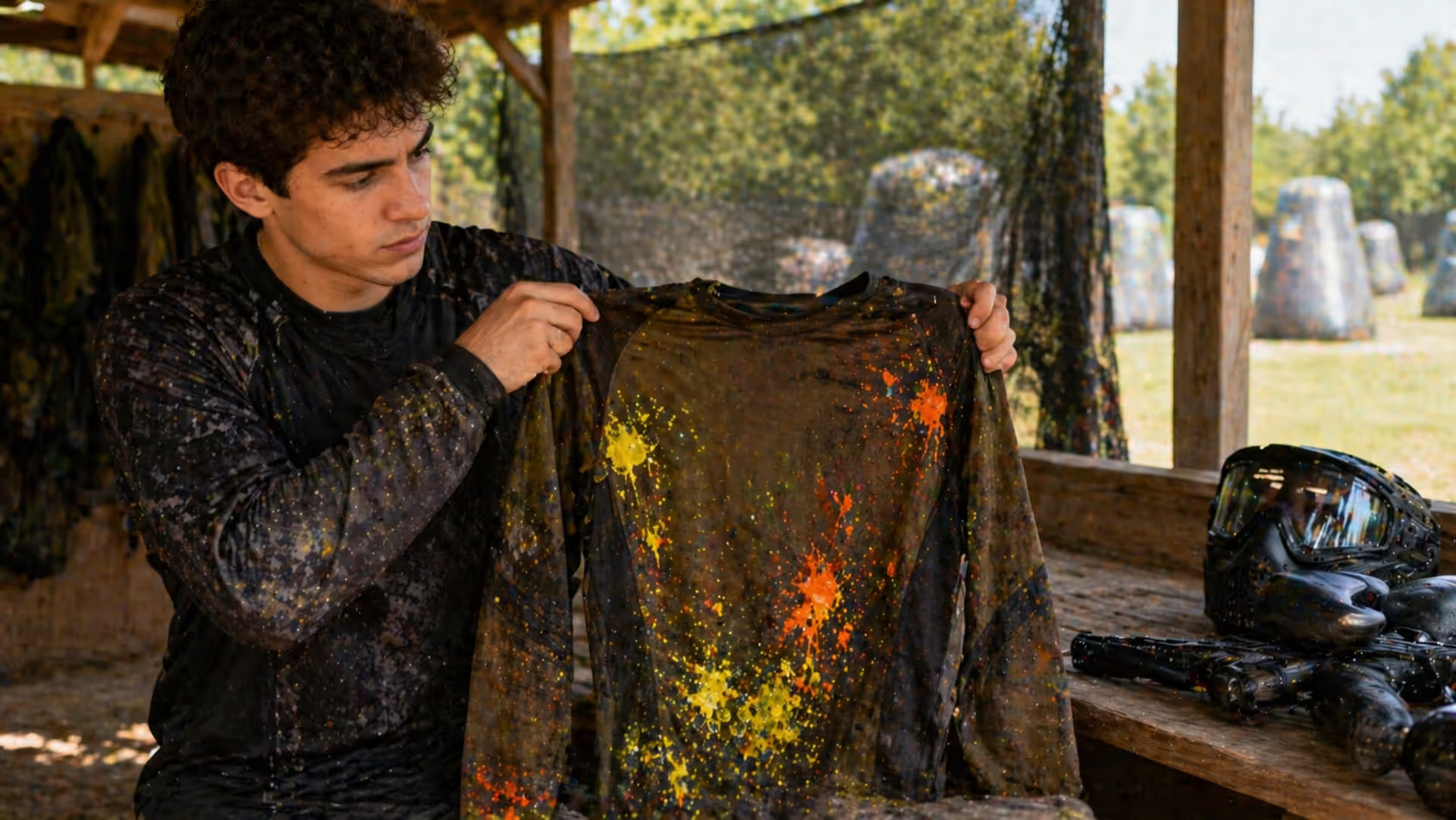
person holding paintball stained clothes after game
Does Paintball Paint Wash Out of Clothes and Skin?

Content
So you're eyeing that paintball invitation, but there's one nagging question: what about your clothes? Nobody wants to explain mysterious splatters to their roommate or toss a perfectly good hoodie because of weekend warrior activities.
Here's the good news—you won't be throwing anything away. Paintball paint comes out. Not with magic, not with industrial-grade chemicals, but with regular laundry soap and a bit of know-how. That said, timing matters. So does fabric choice. And yes, there's definitely a wrong way to handle this (hint: it involves a dryer and regret).
What Paintball Paint Is Made Of
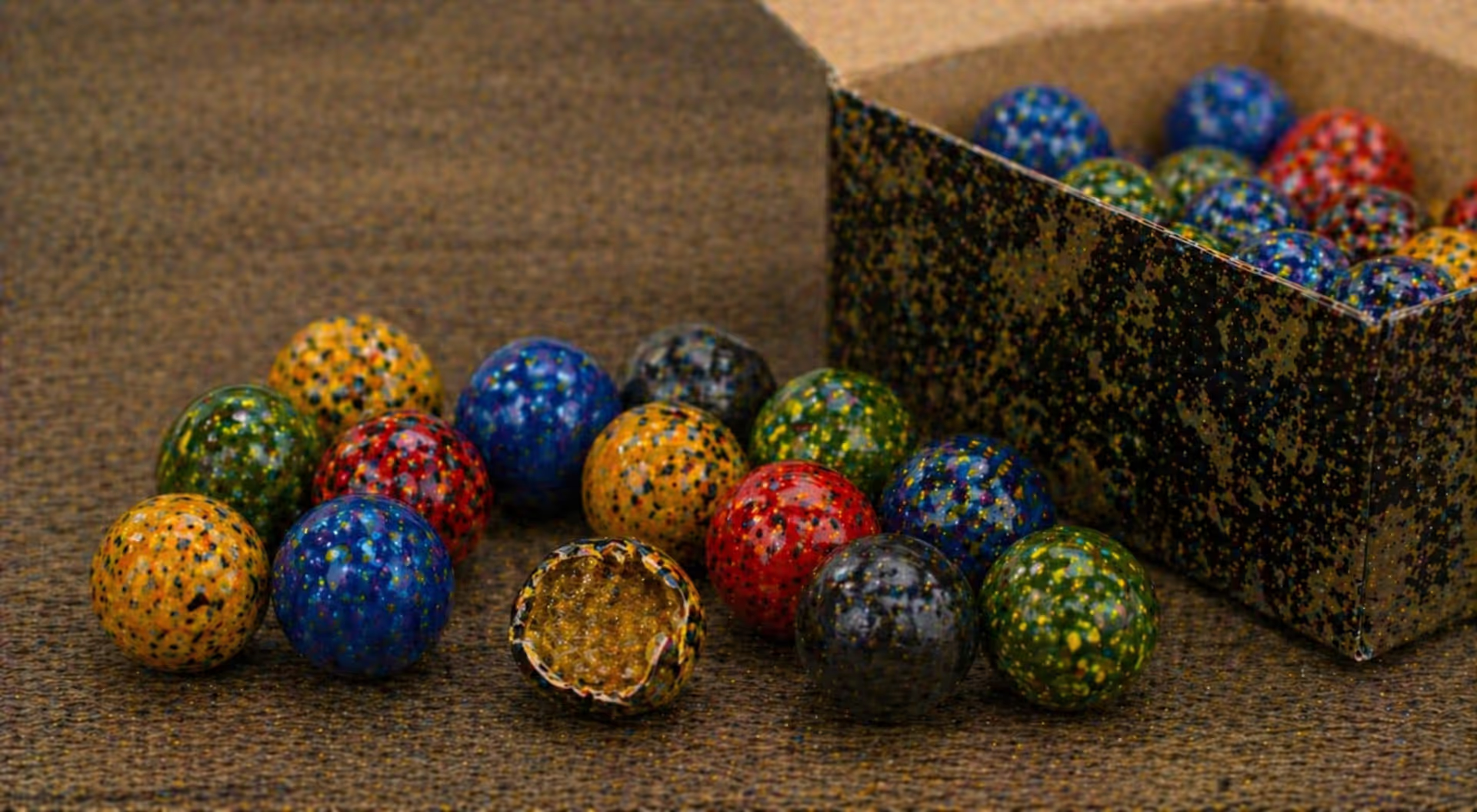
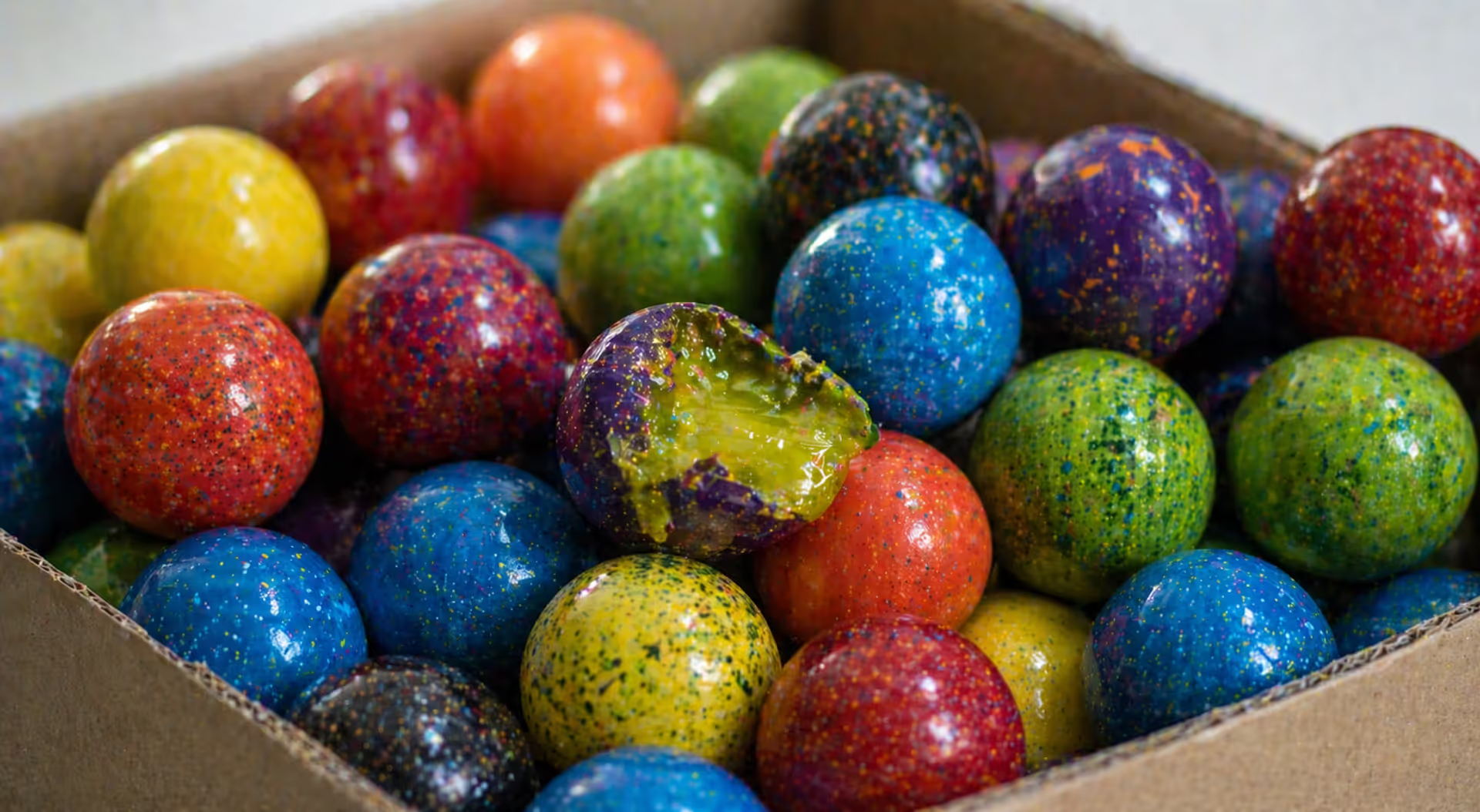
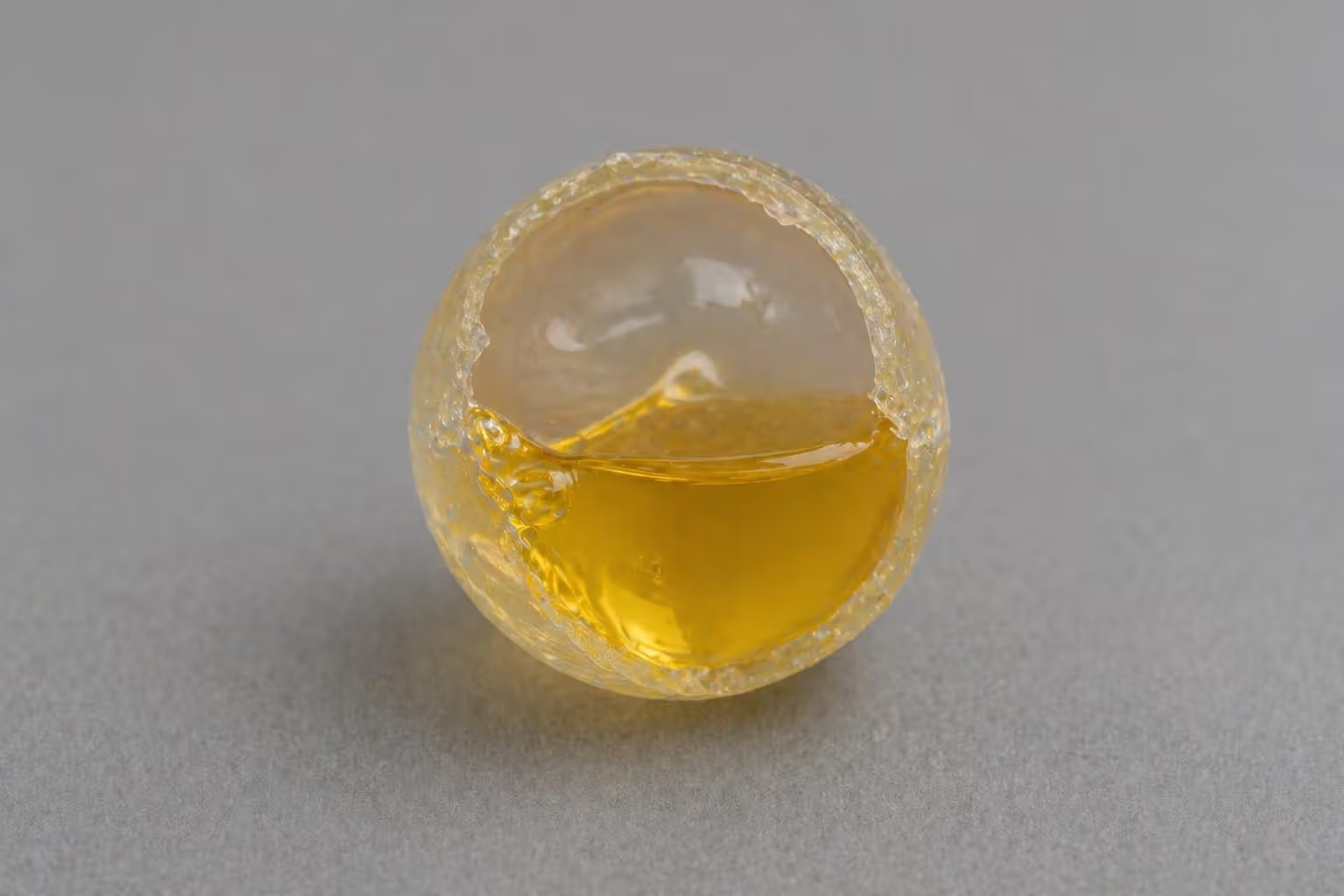
Think of paintballs as tiny, breakable capsules. The outer shell? Gelatin. Same stuff that makes gummy bears chewy and holds your daily vitamins together. This isn't some industrial polymer—it's literally pharmaceutical-grade gelatin that dissolves when wet.
Inside that shell sits the colorful part. The fill mixes polyethylene glycol (PEG) with food-grade dyes, plus calcium carbonate and glycerin. PEG works as the base because it's water-soluble. You'll find it in everything from toothpaste to laxatives, which tells you something about how easily it rinses away.
Back in the '80s, some paintball fills used oil-based formulas. Fields eventually banned those because they left permanent marks on everything—trees, buildings, players' gear. Environmental concerns pushed the whole industry toward water-based fills by the mid-'90s. Now you'd be hard-pressed to find oil-based paint anywhere in the U.S.
Why does this matter for your laundry? Water-soluble means the dye doesn't grab onto fabric molecules like superglue. It sits there, yes. It can seep into weave gaps, absolutely. But it hasn't formed a chemical bond with your shirt's cotton fibers. That's the whole ballgame right there.
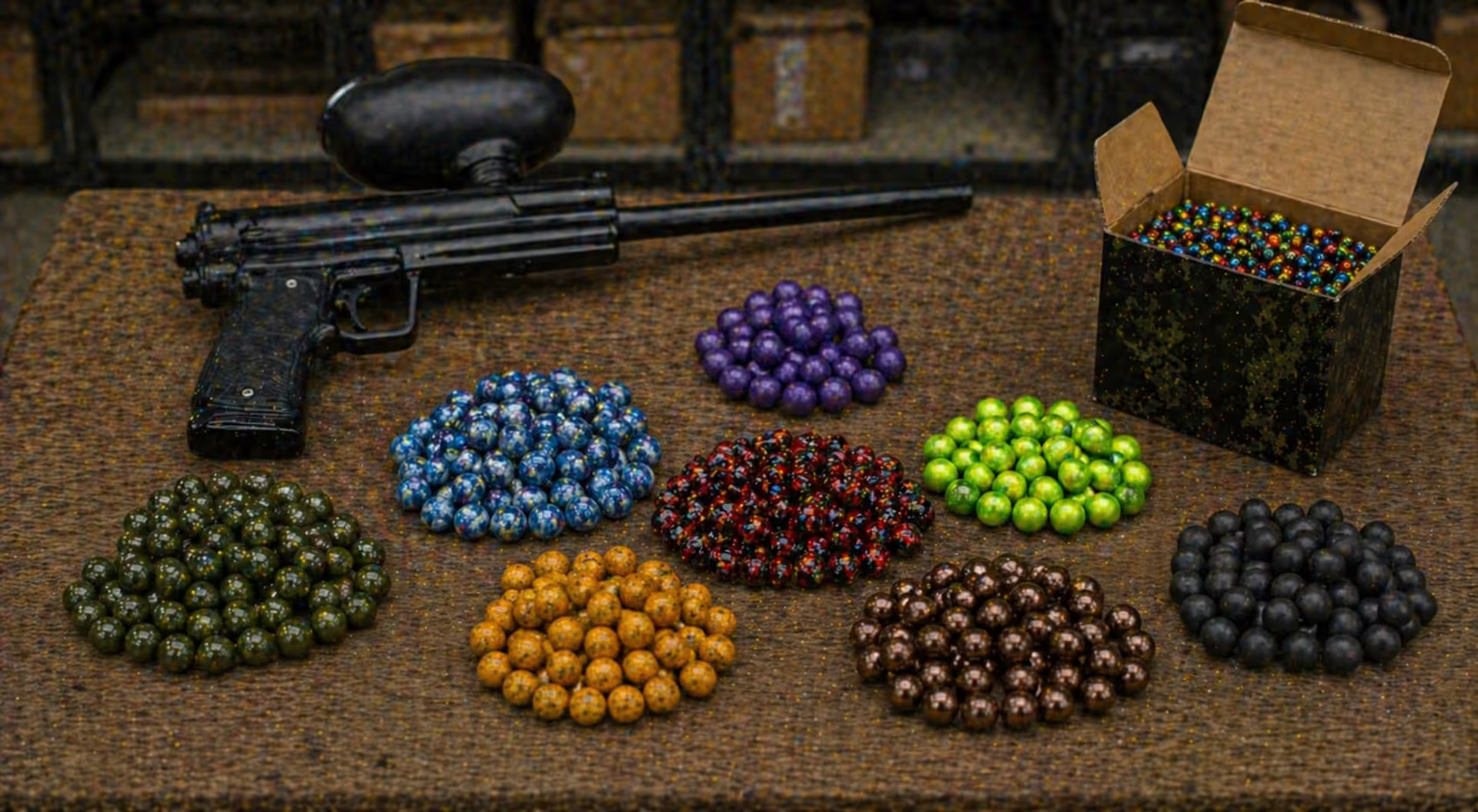
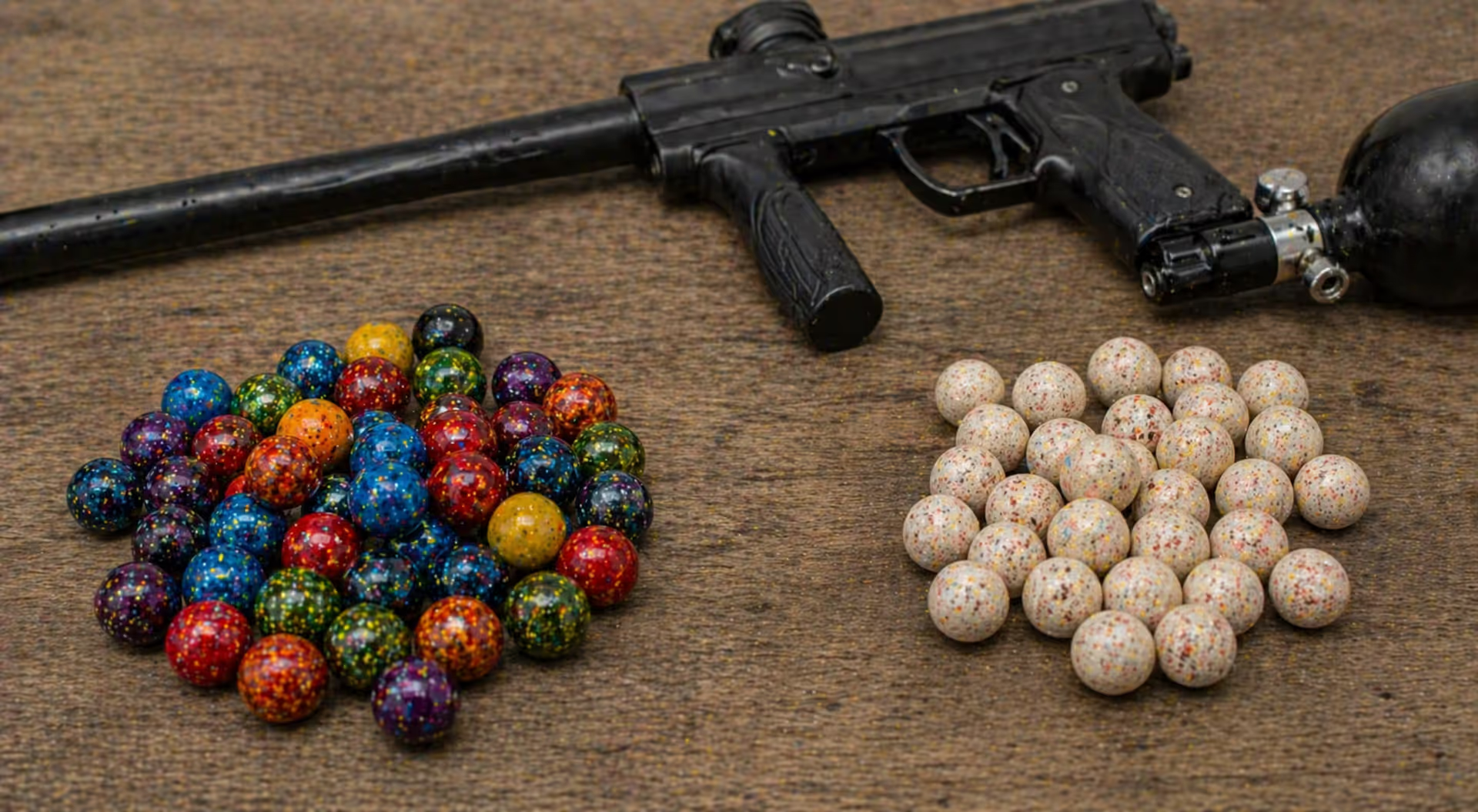
Premium brands—your Valken Graffiti, GI Sportz, Empire Marballizer—use lighter pigment concentrations. Cheaper stuff sometimes packs heavier dyes to make the splatters more visible. You'll notice the difference later when one washes clean and the other leaves a shadow.
Author: Ethan Rowe;
Source: lakestaytents.com
How Easily Paintball Paint Washes Out
Let's get practical. Most paintball-stained clothes come clean in one wash. We're talking 85-90% success rates with standard detergent and cold water. That remaining 10-15%? Usually involves someone who stuffed their gear in a gym bag for five days, or wore an expensive white linen shirt to paintball (which, honestly, was asking for trouble).
Water temperature changes everything. So does how long you wait. And fabric type? That's basically the boss level of stain removal.
Fresh Paint vs. Dried Paint
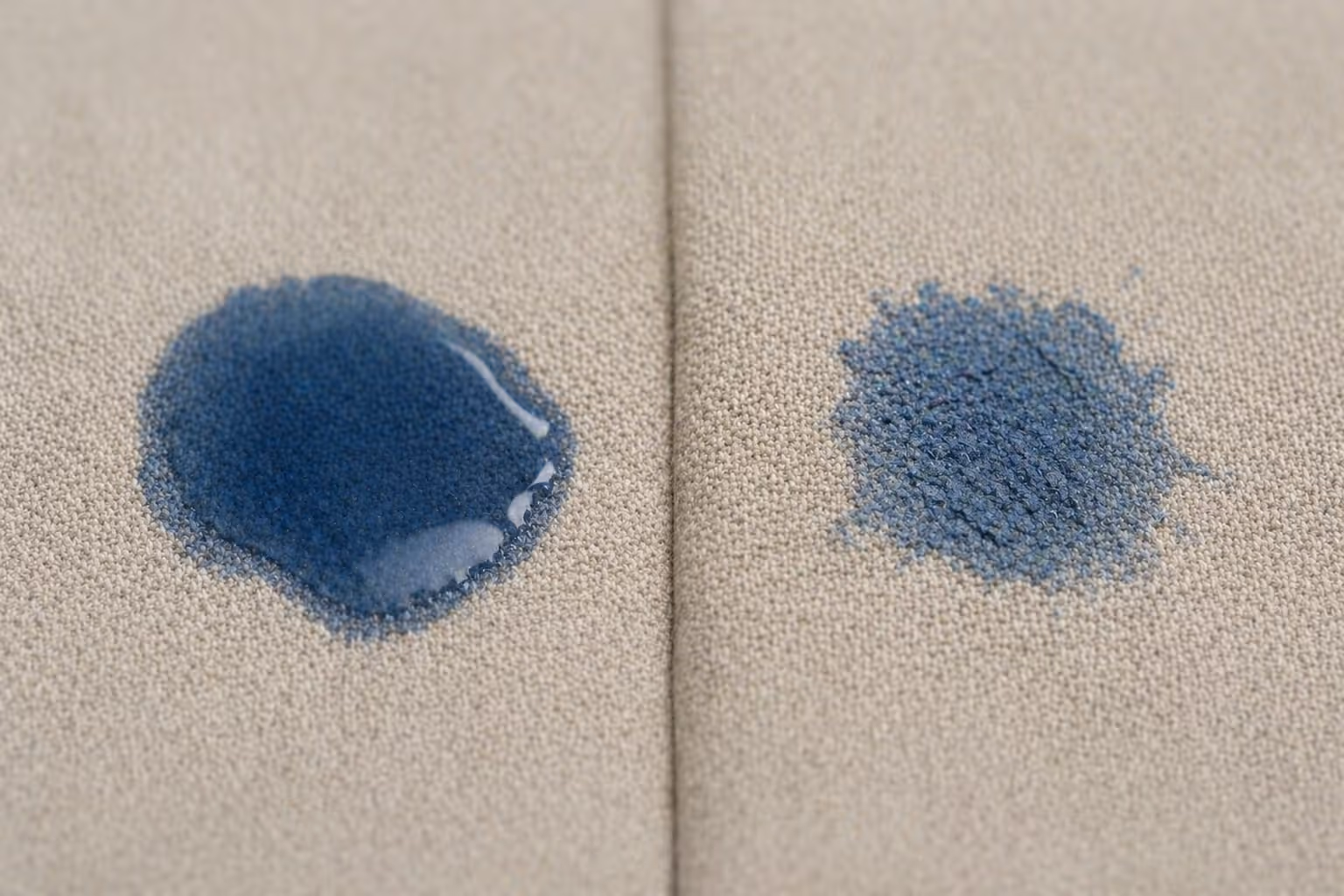
Wet paintball splatter rinses off like you spilled juice on yourself. The fill hasn't had time to migrate deep into fabric. Cold water and a quick scrub handle it in under two minutes. I've seen players rinse their gear at field spigots and walk away with barely a trace.
Dried paint plays by different rules. As moisture evaporates, dye particles concentrate. The gelatin hardens into a film that actually protects the pigment underneath—ironic, right? You'll see this as crusty patches that crack when you bend the fabric. Those flakes pop off easily, but they leave color behind.
Wait a full day before washing? You've just increased your staining odds by roughly 40%. Two days? Worse. A week? At that point, you're basically dyeing the fabric on purpose. Heat accelerates this—tossing paint-splattered gear in a hot car trunk for the afternoon drives those dyes deeper than leaving it in a cool basement would.
Author: Ethan Rowe;
Source: lakestaytents.com
Different Fabric Types
Synthetics win this contest hands-down. Polyester jerseys and nylon windbreakers laugh at paintball stains. Their tight weave and slick surface create terrible grip for dye particles. One wash, maybe two—you're done.
Cotton's the problem child. Those natural fibers soak up water-based liquids like they were designed for it (they basically were). White cotton t-shirts are basically paintball dye magnets. Even after washing, you might see faint ghosts of blue or pink depending on what colors tagged you.
Denim does okay. The dense twill weave resists deep penetration, though the texture traps particles at the surface. Here's something weird: blue jean dye sometimes reacts with certain paintball pigments. I've heard from players whose jeans came out looking slightly purple after a game involving red and blue paint.
Wool requires kid gloves. Its textured, scaly surface catches paint particles, but aggressive washing damages the fibers. You're stuck using gentle methods that might not fully remove color. Silk? Don't even wear it to paintball. Seriously, just don't.
Removing Paintball Paint from Clothes
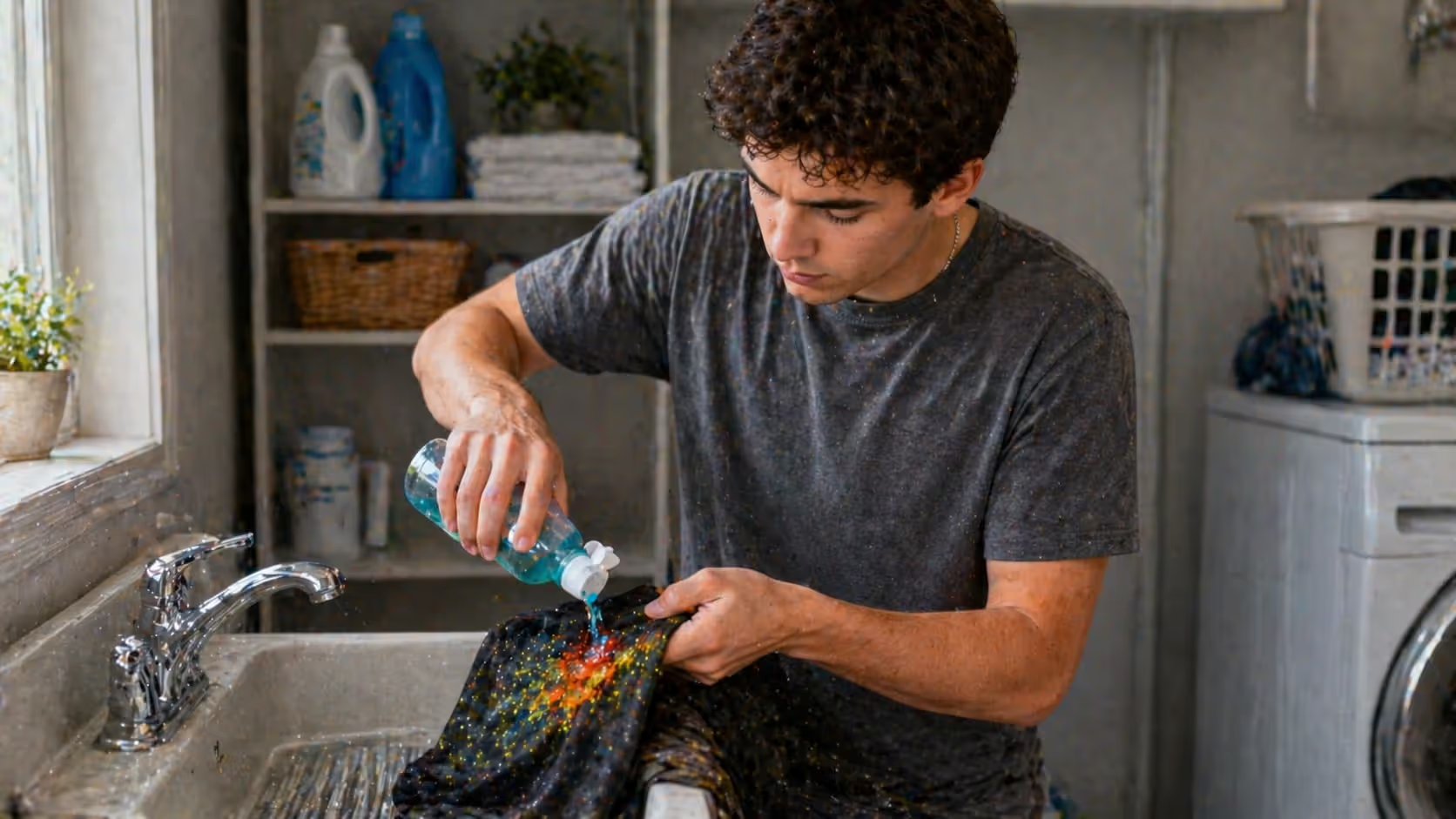
First step: scrape. Use something with a straight edge—butter knife, old credit card, your car keys in a pinch. Hold the fabric tight and work in one direction. You're removing those hardened gelatin shells before they hit water and turn into sticky gel again.
Don't skip pre-treatment. Squirt liquid detergent directly onto stained areas. Enzyme-based detergents work best here because they break down protein structures, and gelatin is pure protein. Tide, Persil, Seventh Generation Free & Clear—all contain enzymes. Rub the fabric against itself to create friction. You're physically working that detergent into the weave.
Cold water soak comes next. 15-30 minutes. Not hot water, even though your instinct screams "hot water kills everything!" Hot water opens up fabric fibers, creating bigger gaps for dye to sink into. Cold water keeps everything contracted, limiting how deep pigment can travel.
Machine wash on regular cycle, cold or warm setting. Add an extra rinse. This flushes out dissolved paint particles instead of letting them resettle. Some washers have a "deep rinse" option—use it.
Author: Ethan Rowe;
Source: lakestaytents.com
Before anything goes in the dryer, check it. Hold garments up to a window or bright light. See any color? Don't you dare put it in the dryer. Heat sets stains permanently. They become part of the fabric's structure at that point, molecularly bonded in ways that simple washing can't reverse.
Stubborn marks that survive round one? Try oxygen bleach (the OxiClean type, safe for colors). Or grab white vinegar from your kitchen. Mix one cup vinegar with cold water, soak for an hour. Vinegar's acidity breaks down remaining dye without harming most fabrics.
White clothes sometimes keep faint shadows even after multiple treatments. Not ruined, not trashed, but not pristine either. Decide now if that bothers you, because it's easier to avoid wearing white than to achieve perfect stain removal later.
Getting Paintball Paint Off Skin and Hair
Your skin's basically Teflon compared to cotton. Paint slides right off with regular soap and warm water. Three minutes of washing typically removes everything visible.
Field-side removal? Baby wipes are your friend. Most experienced players keep a pack in their gear bag. The mild moisture plus gentle scrubbing lifts paint without needing a full shower. Wet paper towels work too, though they tear apart more easily.
Face and neck stains sometimes need help. If soap alone isn't cutting it, try oil. Coconut oil, olive oil, even hand lotion works. Rub it into the stained area—the oil dissolves remaining pigment. Then wash normally with soap.
Hair barely registers paintball stains. One shampoo session handles it. Two if you're thorough. Blonde hair might temporarily show tinting from darker paints, but it fades by the third or fourth wash. The smooth surface of hair shafts doesn't trap particles like fabric threads do.
Don't reach for acetone or paint thinner. Yes, they remove stains. They also irritate skin, strip natural oils, and completely aren't necessary for water-based paint. Some people panic-scrub with harsh chemicals when plain soap would've worked fine—and end up with red, angry skin to show for it.
When Paintball Paint Might Stain
Certain situations turn "washes out easily" into "permanent keepsake of your paintball adventure." Knowing these helps you avoid them.
White clothes top the risk list. Even trace amounts of residual dye show up against stark white backgrounds. That pale yellow sundress? It's coming back with pink undertones if red paint hits it. Pastels fare only slightly better—baby blue stained with purple paint creates interesting color theory experiments you didn't ask for.
Delayed washing causes most permanent stains. Leave paintball clothes in your hamper for a week and you're basically asking the dye to move in permanently. It continues migrating into fibers the whole time, especially if humidity is high. That wet, wadded-up pile in your gym bag? Worst-case scenario.
Delicate fabrics can't handle the aggressive washing needed for complete removal. Silk requires gentle cycles and cool water—exactly the opposite of what removes stubborn paint. Rayon falls apart under friction. Suede and leather are basically one-and-done surfaces. Water damages them, so you can't even attempt proper stain removal.
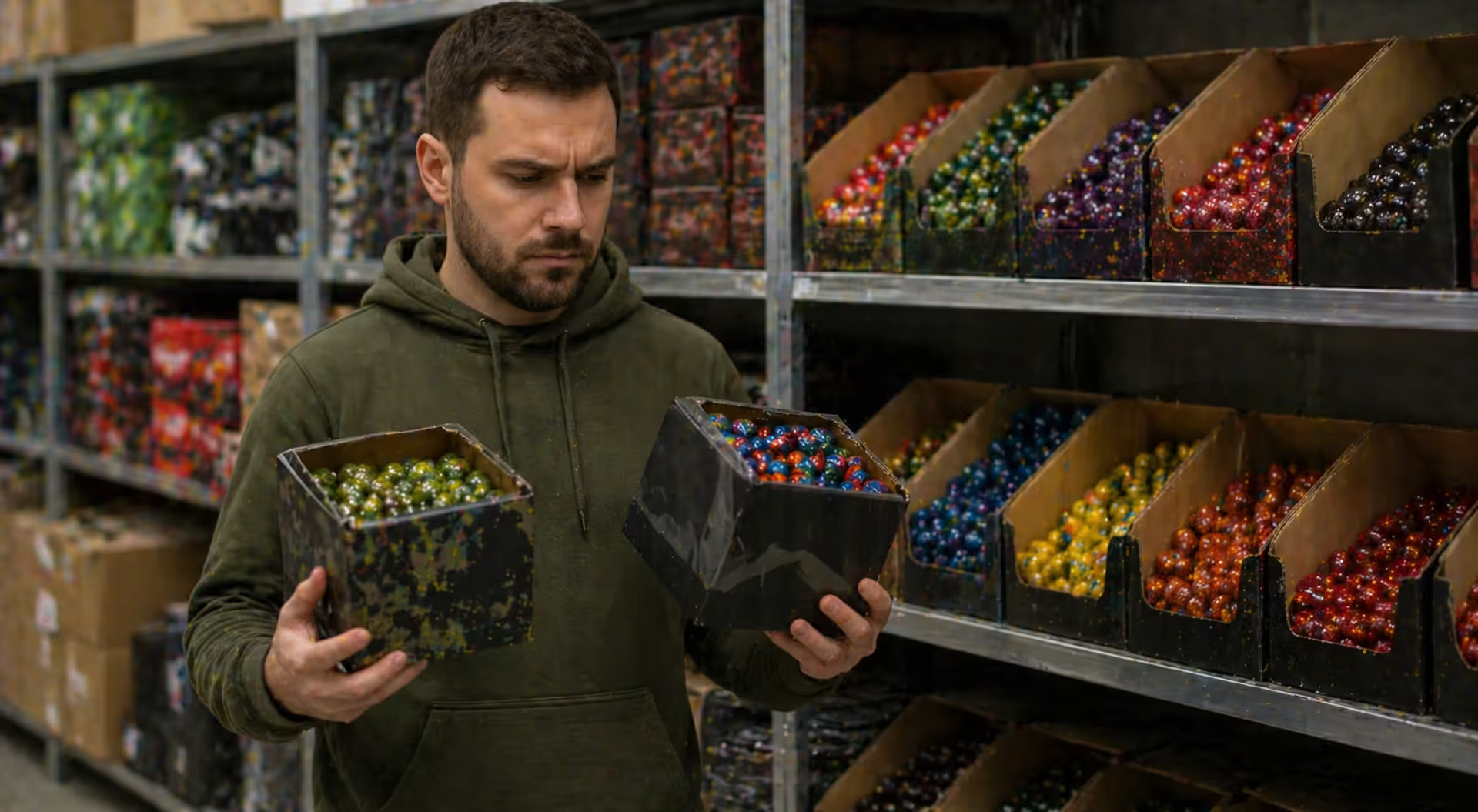
Budget paintballs sometimes cause problems. Not always, but sometimes. Off-brand paint might use different dye formulations or heavier pigment loads to make splatters more visible on the field. That makes them less soluble in water. Expired paintballs—ones that sat in a warehouse for two years—can develop thicker, stickier fills that don't rinse as cleanly.
We switched to premium-grade paint three years ago after I started tracking customer complaints about staining. Incidents dropped by 60% almost immediately. The paint costs us more—about $15 extra per case—but player satisfaction shot up. Now we actually guarantee our paint washes out of standard athletic wear. Cheaper paint was costing us reputation.
— Maria Chen
Tips to Prevent Paintball Stains
Prevention beats cleanup every time. A few smart choices eliminate 90% of potential problems.
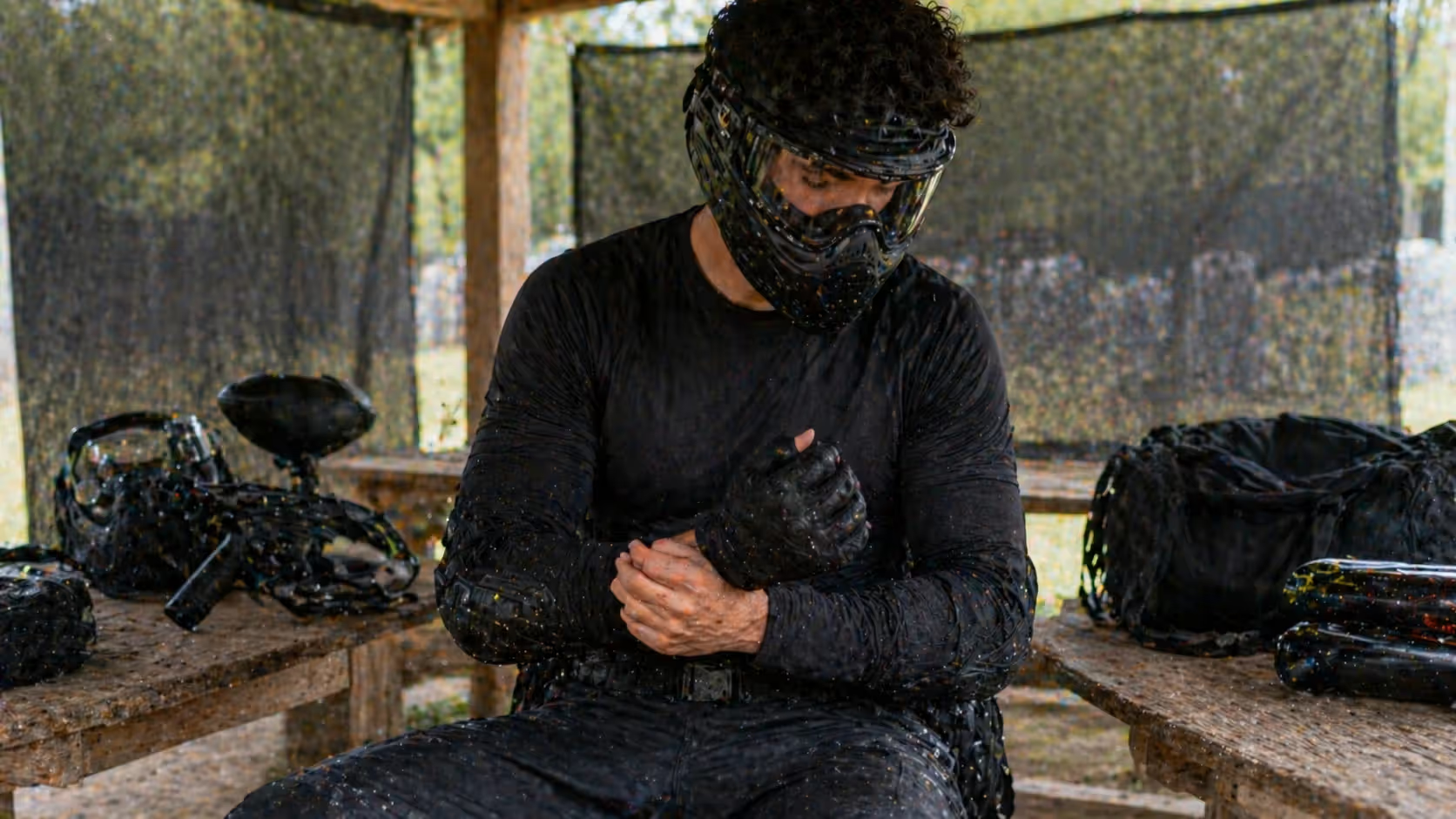
Dark clothes hide everything. Navy blue, black, dark green, brown, camouflage patterns—all excellent choices. Even if faint discoloration remains after washing, it won't show. Save your white sneakers and cream-colored hoodie for literally any other activity.
Designate "paintball clothes." That ratty t-shirt from a 2019 charity 5K? Perfect. Cargo pants with the blown-out knee? Ideal. Once you stop caring about the clothes, you stop stressing about stains. Some people maintain entire paintball wardrobes of retired athletic wear.
Author: Ethan Rowe;
Source: lakestaytents.com
Rinse immediately after playing. Most fields have outdoor hoses or utility sinks specifically for this. Sixty seconds under cold water while paint's still wet prevents about 70% of staining issues. You're literally washing it out before it has a chance to set.
Fabric protector spray helps tremendously. Scotchgard or similar products create a barrier on shoes and pants. Water-based paint beads up instead of soaking in. One application lasts several washes. Spray your gear the night before, let it dry, and you've just made your life easier.
Choose synthetic athletic wear when possible. Moisture-wicking polyester shirts resist stains naturally. Nylon track pants do the same. They also dry faster after that pre-rinse, so you're not driving home in soaking wet clothes.
Paintball Paint Removal Success by Fabric Type
| Fabric Type | Wash-Out Difficulty | Pre-Treatment Needed | Special Notes |
| Cotton | Medium difficulty | Yes—enzyme detergent works best | Absorbs paint fast; treat within 2 hours or expect shadows |
| Polyester | Easy wins | Not really, but doesn't hurt | Smooth surface rejects dye; usually rinses completely clean |
| Denim | Medium difficulty | Yes—soak before washing | Tight weave helps, but texture holds particles at surface level |
| Nylon | Easy mode | Nope | Best resistance overall; almost never shows residual staining |
| Wool | Pretty difficult | Yes—gentle products only | Texture traps dye; aggressive washing damages fibers |
| Silk | Really difficult | Yes, but won't help much | Delicate cleaning limits what you can do; better to avoid wearing |
| Leather/Suede | Forget about it | Doesn't matter | Can't machine wash; even professional cleaning rarely works |
FAQ
Paintball paint washes out. Full stop. The water-soluble formula breaks down with cold water and regular detergent, especially when you act quickly. White fabrics and delicate materials face tougher odds, but appropriate clothing choices and proper washing technique handle most situations.
Speed matters most. Rinse fresh paint before it dries and you've eliminated the majority of potential problems. Synthetic athletic wear gives you the best combination of comfort during play and easy cleanup after. Even cotton garments emerge clean when washed promptly—just don't expect miracles if you wait three days.
The real trick? Stop overthinking it. Wear dark clothes you don't mind getting dirty. Rinse at the field if possible. Wash when you get home. Skip the dryer until you're certain. Follow those four rules and your paintball adventures won't leave permanent evidence in your closet.