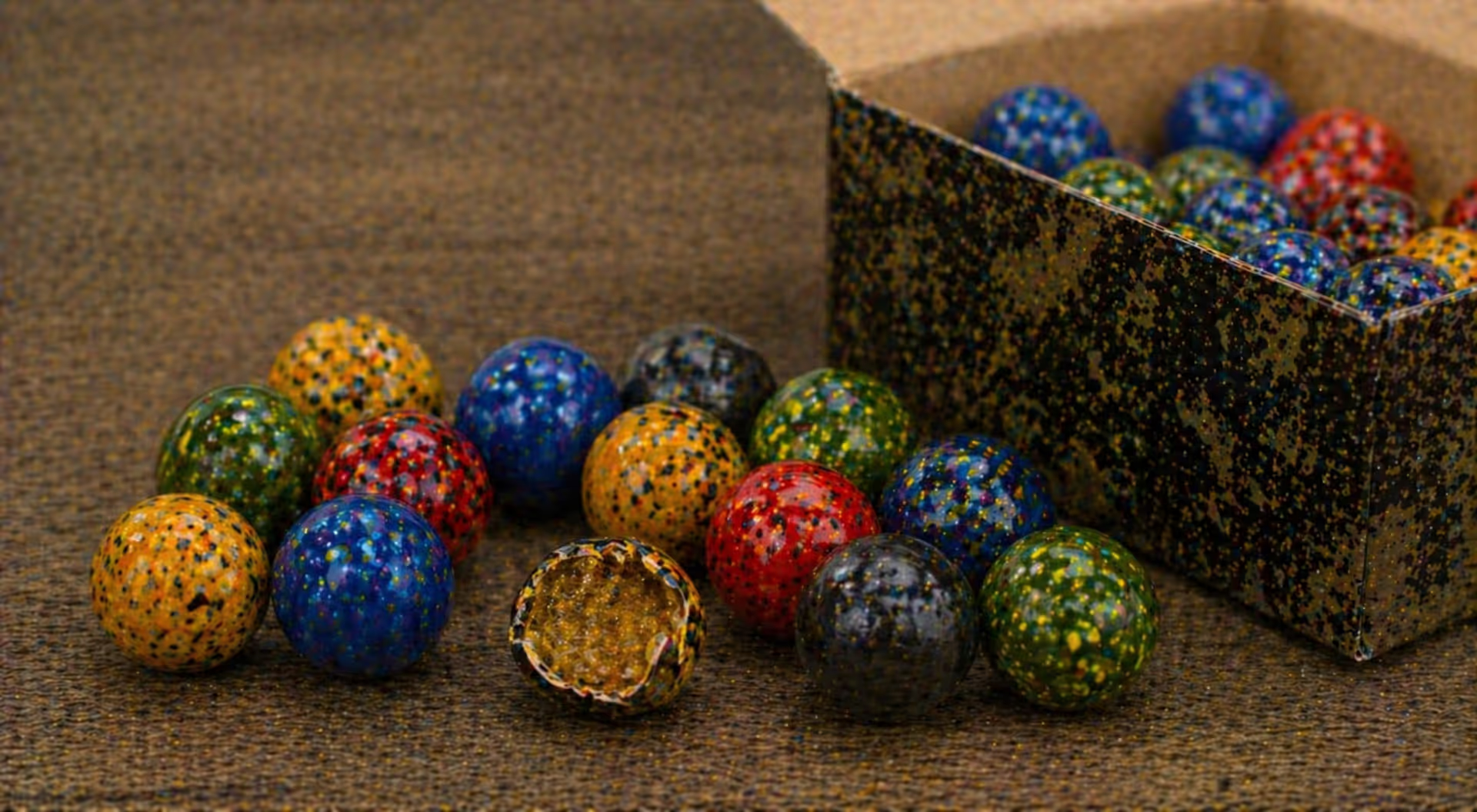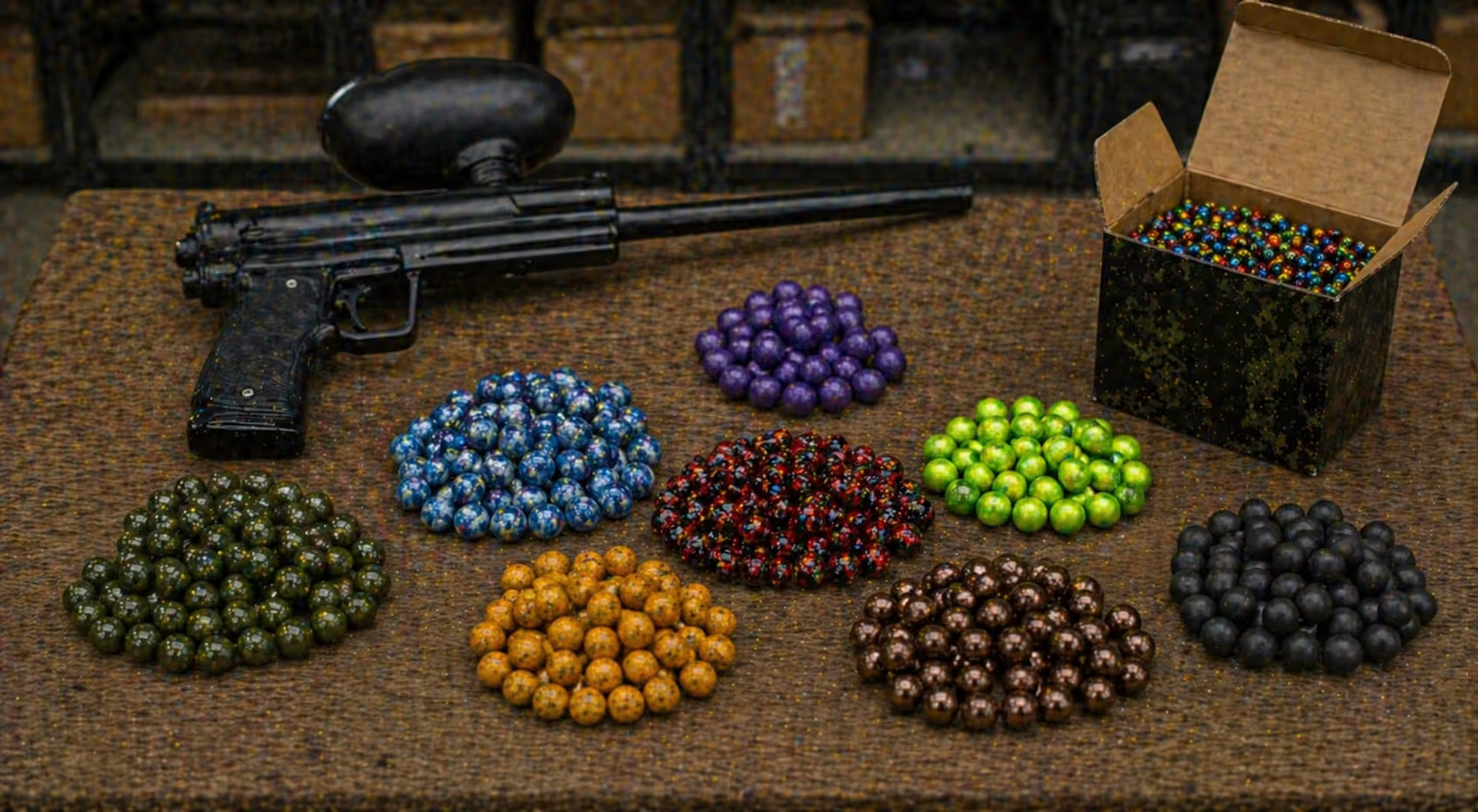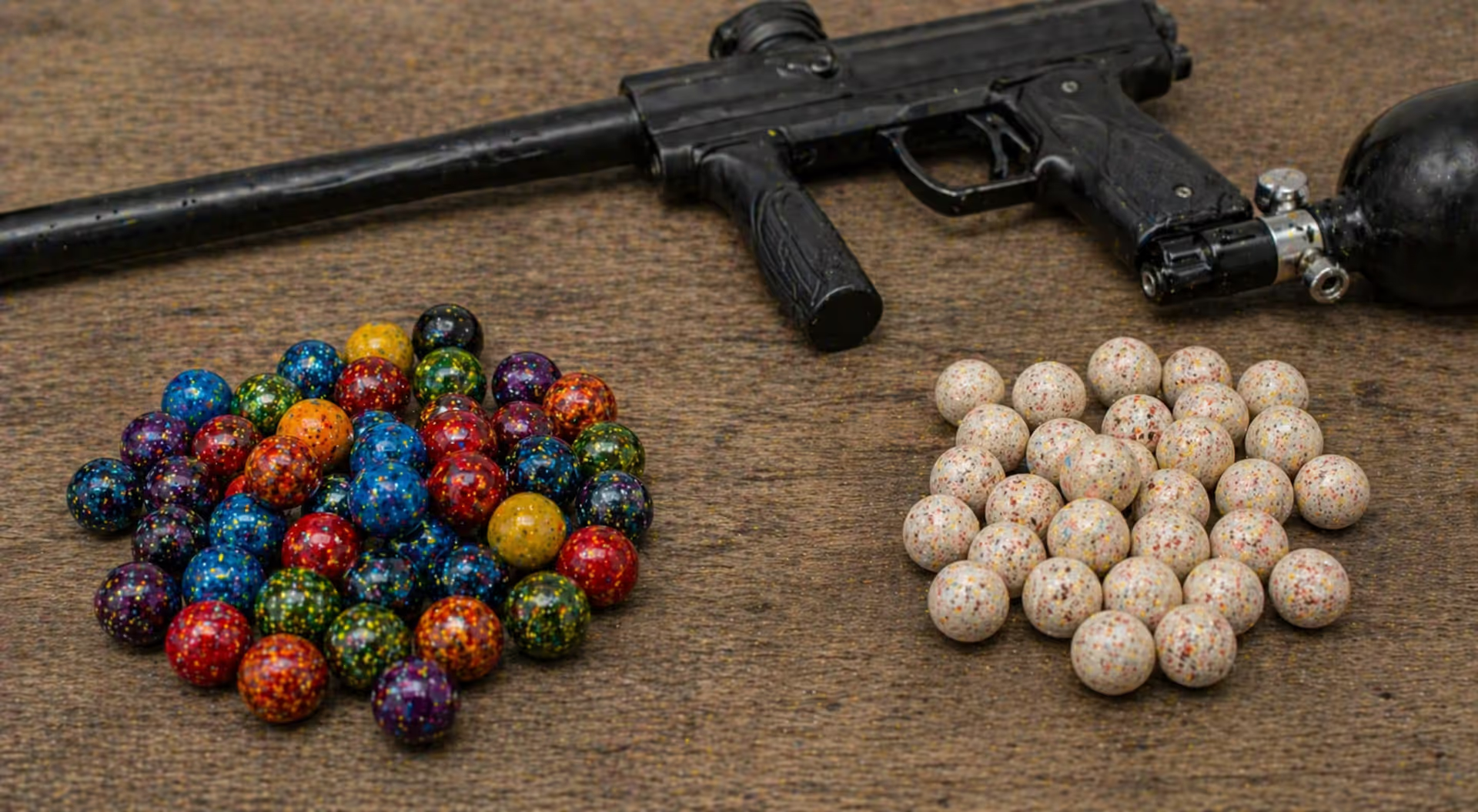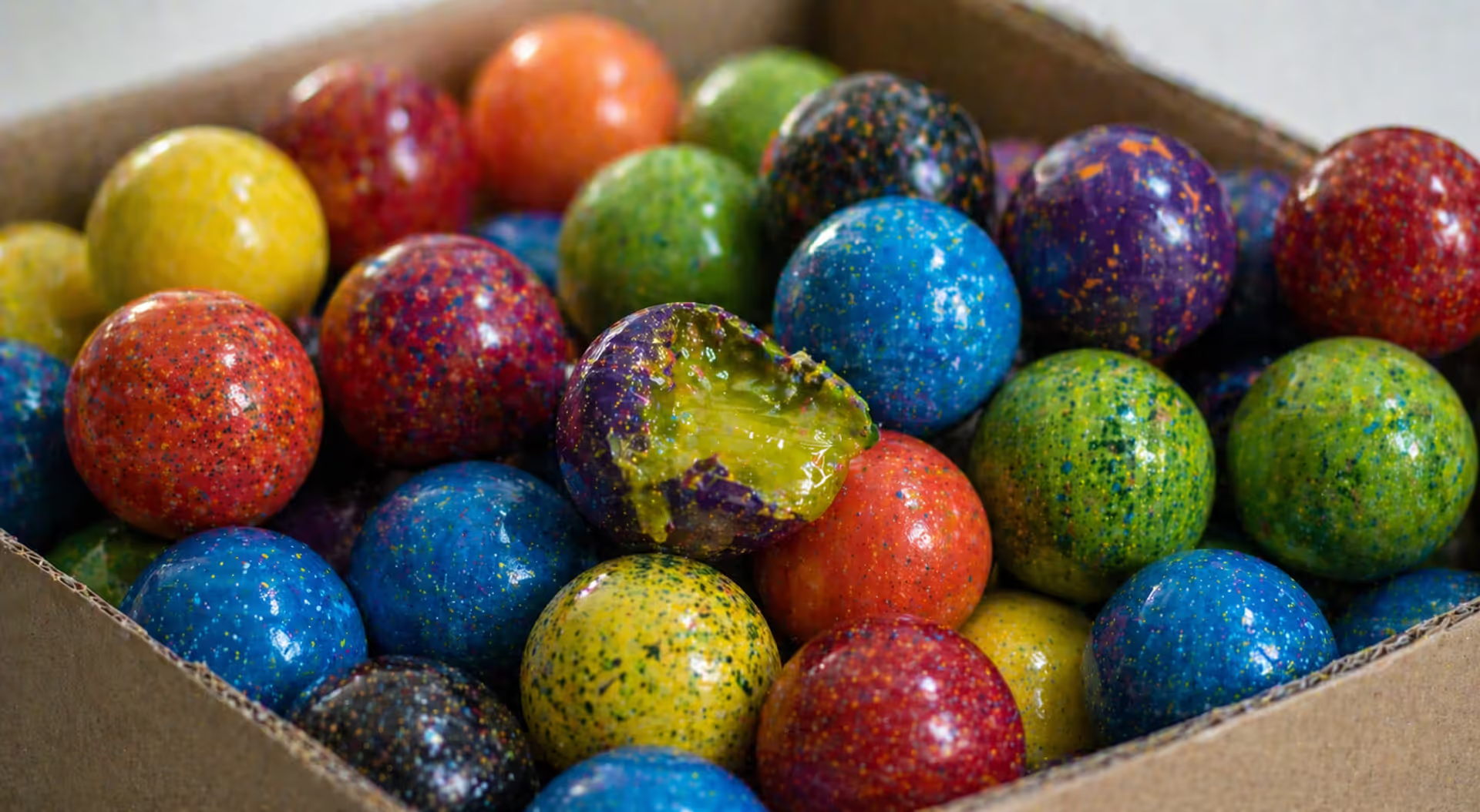
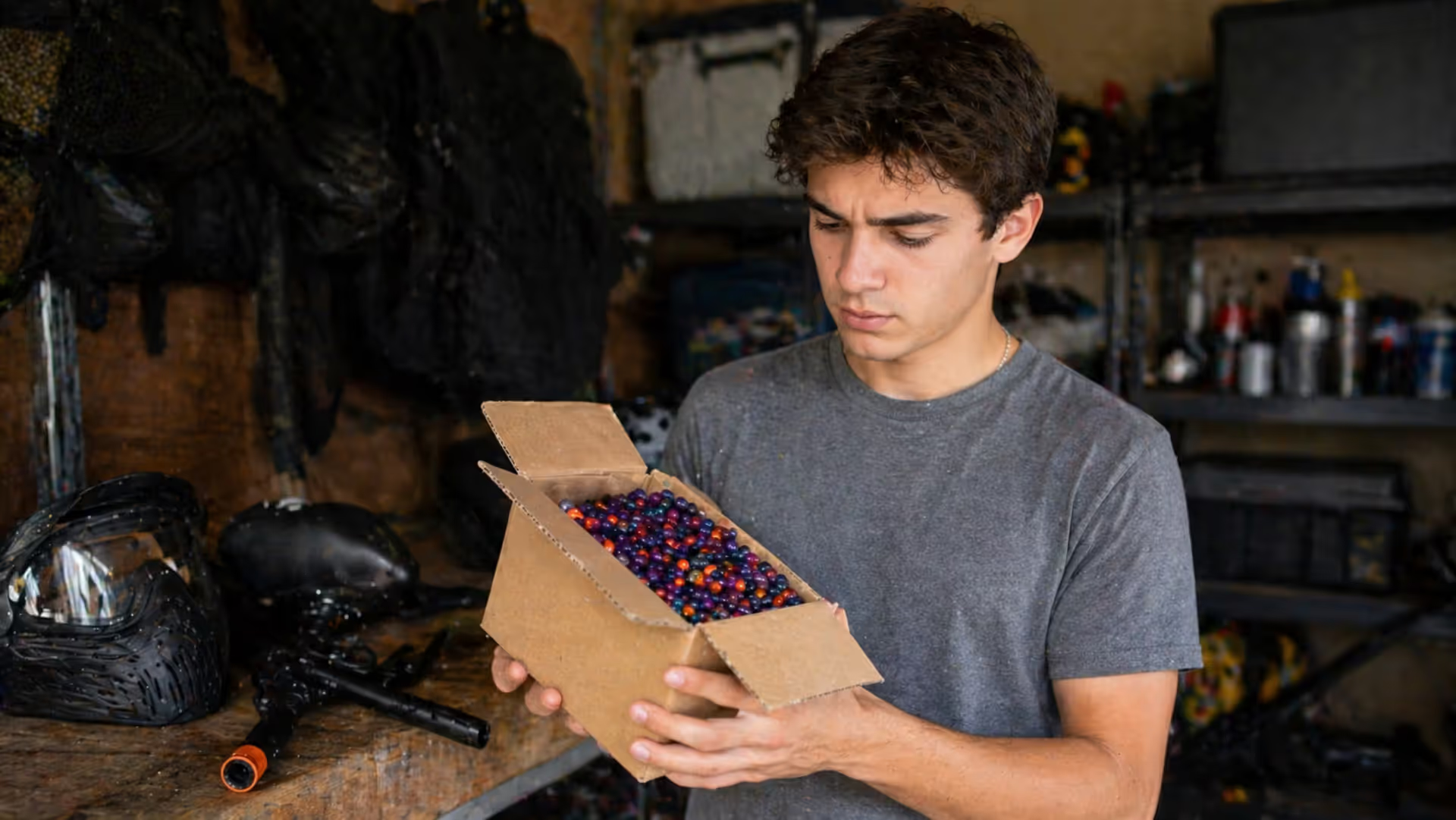
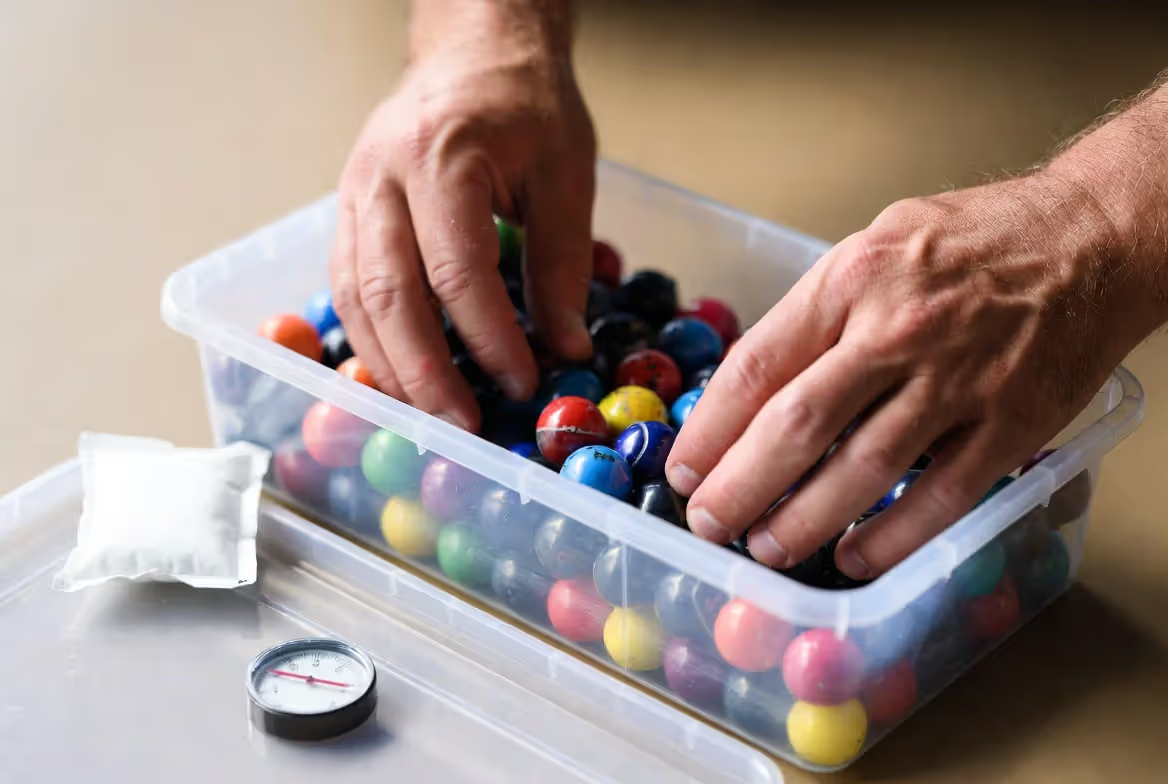
person holding box of paintballs in storage and checking condition
Do Paintballs Expire?

Content
Paintballs sit in your garage from last season's tournament. You're planning another game, but now you're wondering whether those spherical gelatin capsules are still safe to shoot. Unlike milk or batteries, paintballs don't come stamped with expiration dates—yet they absolutely can and do degrade over time.
The question isn't whether paintballs last forever (they don't), but rather how long you can expect them to remain usable and what happens when they pass their prime. Storage conditions matter enormously, and the difference between properly stored paintballs and neglected ones can mean months of additional playability or a frustrating day of barrel breaks and misfires.
Understanding Paintball Shelf Life and Expiration
Paintballs don't expire in the traditional sense. You won't find a stamped date on the bag telling you they're unsafe after June 2027. Instead, paintball shelf life refers to the window during which these gelatin-filled projectiles maintain their structural integrity, accuracy, and performance characteristics.
The gelatin shell surrounding the water-soluble fill is biodegradable and hygroscopic—meaning it actively absorbs or releases moisture depending on environmental conditions. This property makes paintballs fundamentally different from stable products with fixed expiration dates. A paintball stored in Arizona's dry heat behaves differently than one kept in Florida's humidity.
Under ideal conditions (climate-controlled environment, sealed packaging, stable humidity around 50%), quality paintballs typically remain usable for 4-6 months. Tournament-grade paintballs with thinner shells may have a shorter window of 2-4 months, while recreational-grade paintballs with thicker shells can sometimes last 6-12 months.
The concept of "expiration" for paintballs really means the point at which deterioration affects performance. A paintball might still shoot after a year, but if it breaks in your barrel half the time or flies erratically, it's functionally expired regardless of whether it's technically usable.
Manufacturers design paintballs for relatively quick use after production. The fill and shell are engineered to work together within a specific timeframe, and that balance shifts as the product ages.
Author: Brandon Kesswick;
Source: lakestaytents.com
Signs Your Paintballs Have Gone Bad
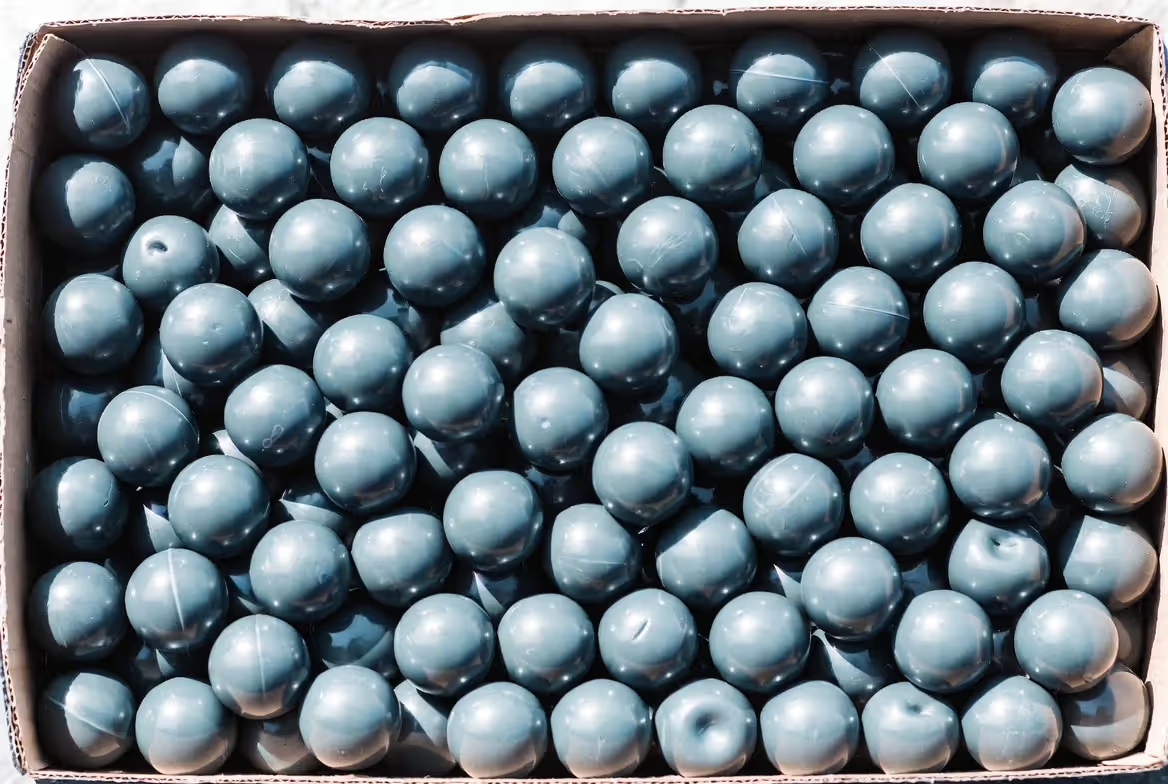
Identifying compromised paintballs before loading them into your marker saves frustration and potential equipment damage. Visual inspection reveals most problems.
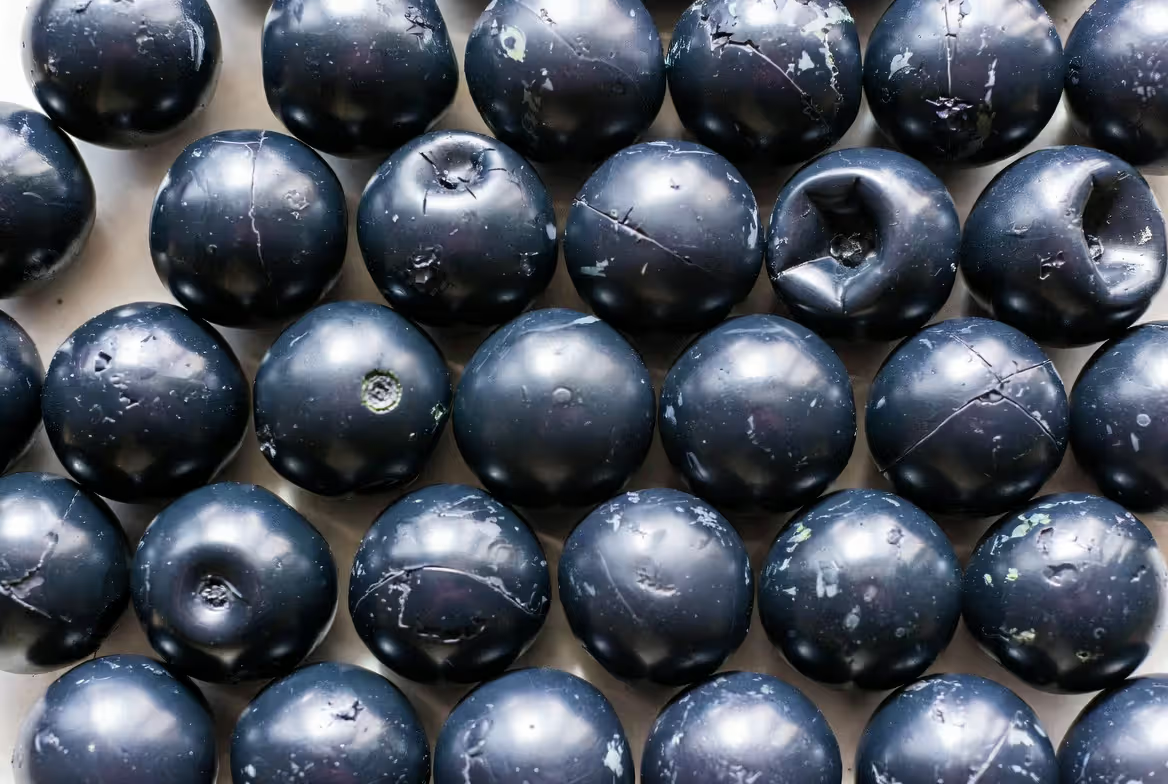
Dimpling appears as small indentations across the shell surface, creating a golf-ball texture. This happens when the gelatin loses moisture and shrinks unevenly. Dimpled paintballs fly unpredictably because their aerodynamics are compromised.
Swelling is the opposite problem—paintballs that have absorbed excess moisture become larger than their original size. They may not fit properly in your barrel or could jam in the feed mechanism. Roll a suspect paintball next to a fresh one; the size difference becomes obvious.
Shell discoloration manifests as fading, yellowing, or white chalky residue on the surface. The gelatin is breaking down chemically. These paintballs often become brittle.
Brittleness is testable: gently squeeze a paintball between thumb and forefinger. Fresh paintballs have slight give without cracking. Old paintballs either crack immediately under light pressure or feel rock-hard with no flexibility.
Misshapen balls that are oval rather than spherical won't shoot straight. This happens when paintballs sit in one position too long, developing flat spots from the weight of balls above them.
The bounce test provides a quick freshness check. Drop a paintball from chest height onto a hard surface. Fresh paintballs barely bounce—maybe an inch. Old, dried-out paintballs bounce several inches, indicating the shell has become too hard.
Check for fill separation by shaking a bag of paintballs near your ear. You shouldn't hear liquid sloshing. If you do, the fill has separated from the shell interior, and these paintballs will perform poorly.
Author: Brandon Kesswick;
Source: lakestaytents.com
What Causes Paintball Deterioration
Multiple environmental factors attack paintball integrity simultaneously, with humidity playing the starring role.
Humidity exposure is the primary enemy. Paintball shells are designed to maintain equilibrium with surrounding moisture. In environments above 65% relative humidity, shells absorb water, swell, and become soft. Below 40% humidity, they release moisture, shrink, and become brittle. The gelatin shell constantly tries to match ambient conditions, and each fluctuation stresses the material.
Temperature fluctuations accelerate degradation exponentially. A garage that hits 95°F in summer afternoons and drops to 55°F at night puts paintballs through expansion and contraction cycles that weaken shell structure. The fill inside can separate from the shell wall during these temperature swings.
UV light exposure breaks down the gelatin polymer chains. Paintballs stored in clear bags near windows deteriorate faster than those in opaque packaging. Even indirect sunlight causes photodegradation over weeks.
Air exposure after opening factory-sealed bags introduces moisture variability. Once you break the seal, paintballs begin equilibrating with your local environment immediately. This is why opened bags have dramatically shorter lifespans than unopened ones.
Gelatin shell breakdown is inevitable. The biodegradable nature that makes paintballs environmentally friendly also means they're chemically unstable over time. The polymer structure slowly weakens even under perfect conditions.
Fill separation occurs when the liquid fill doesn't maintain proper contact with the shell interior. This creates an imbalanced projectile that wobbles in flight. Temperature changes and physical agitation (like rough transport) promote fill separation.
The interaction between these factors compounds the problem. High humidity plus temperature swings causes more damage than either factor alone. This is why storage location matters tremendously.
How Long Do Paintballs Last Under Different Conditions
Storage environment determines whether your paintballs last two months or ten months. The scenarios below reflect real-world conditions most players encounter.
Author: Brandon Kesswick;
Source: lakestaytents.com
Unopened Paintballs in Ideal Conditions
Factory-sealed bags stored in a climate-controlled room at 65-72°F with 45-55% relative humidity represent the gold standard. Under these conditions:
- Tournament-grade paintballs (thin shells, premium fill): 3-4 months of peak performance
- Mid-grade recreational paintballs: 6-8 months of reliable use
- Economy thick-shell paintballs: 10-12 months before noticeable degradation
The sealed bag maintains the manufacturer's intended environment. Once you approach these timeframes, inspect carefully before use. Many paintballs remain shootable beyond these windows but with declining accuracy and increased break rates.
A basement with natural temperature stability (60-70°F year-round) and moderate humidity works nearly as well as climate control. Avoid basements with dampness issues or those that flood seasonally.
Opened Bags and Partial Use
Once you open a bag, the clock accelerates. Paintballs now equilibrate with your local conditions.
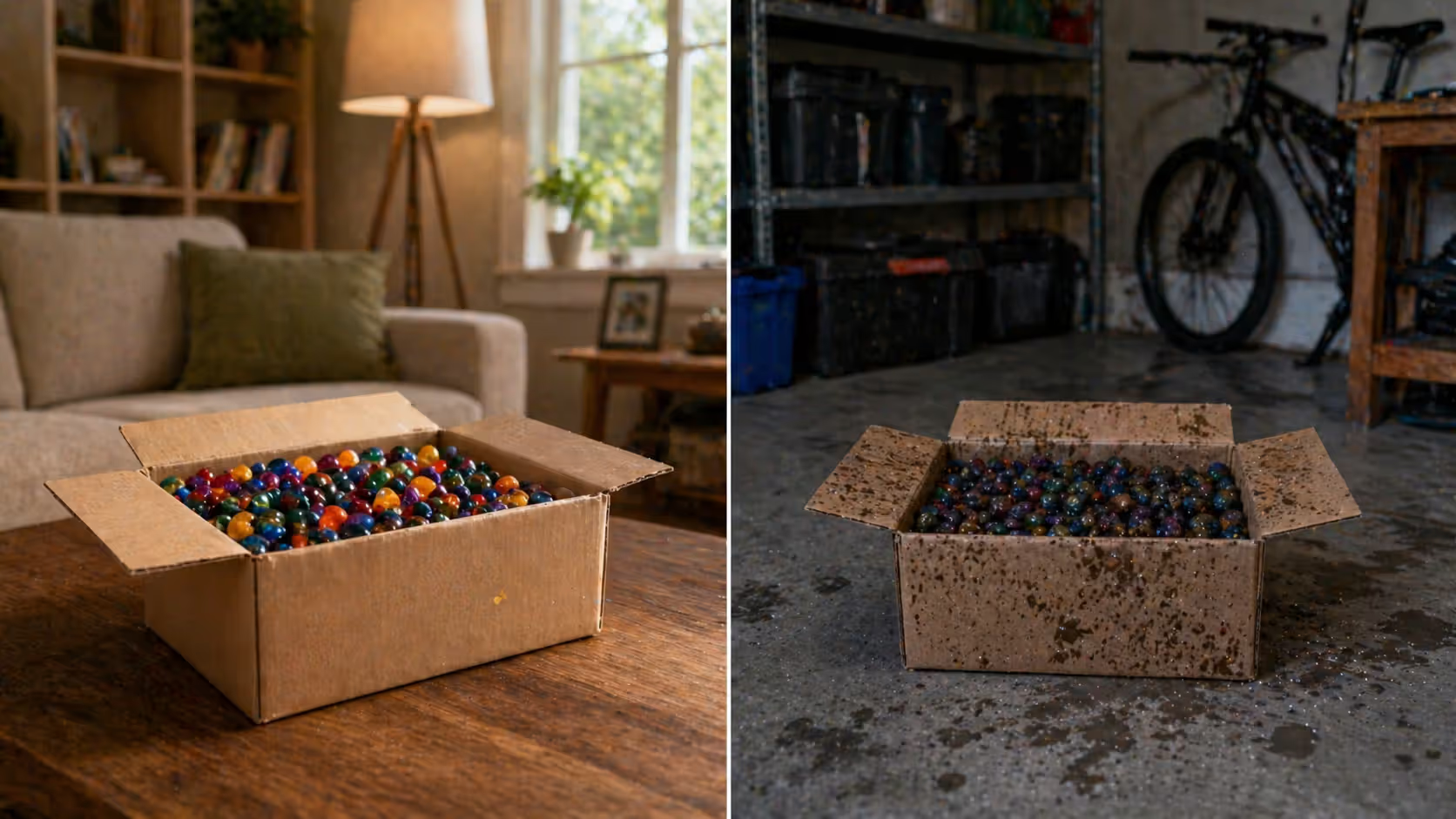
Climate-controlled storage after opening: Reseal opened bags in airtight containers with the original packaging. Expect 2-4 weeks of good performance, with gradual decline over the next 2-3 weeks. After six weeks, most opened paintballs show significant deterioration.
Garage or shed storage after opening: If your garage lacks climate control, opened paintballs last 1-2 weeks maximum in summer, potentially 3-4 weeks in mild spring or fall. Winter storage in unheated spaces causes brittleness within days.
Car trunk storage (worst case): Never leave paintballs in your car for more than a day or two. Summer temperatures exceeding 120°F in closed trunks turn paintballs into misshapen, oil-sweating messes within 48 hours. Winter cold makes them brittle overnight.
One player's experience illustrates the difference: Paintballs stored in a basement remained usable for seven months. The same brand stored in a garage became unusable in ten weeks during summer.
Proper Paintball Storage Tips to Maximize Freshness
Strategic storage extends paintball life significantly. These practices work for both unopened bags and partial boxes.
Buy what you'll use soon: Purchase paintballs within 1-2 months of planned use. Buying six cases for a season sounds economical until four cases go bad. Fresh paintballs always outperform old ones.
Climate control is non-negotiable for long-term storage: A spare bedroom, finished basement, or climate-controlled closet beats any garage. Target 65-70°F with minimal fluctuation. If you lack climate control, buy smaller quantities more frequently.
Humidity management requires attention: Use a hygrometer (under $15) to monitor storage area humidity. Aim for 50% relative humidity. In dry climates, add a small humidifier or damp sponge in a separate container (not touching paintballs). In humid regions, use desiccant packs or a dehumidifier.
Container selection matters: Keep unopened bags in their original packaging—manufacturers seal them at optimal conditions. For opened bags, transfer paintballs to airtight plastic containers (like Tupperware) sized to minimize air space. Some players use vacuum-seal bags, though this can crush paintballs if you're not careful.
Avoid direct sunlight completely: Store paintballs in opaque containers or in dark locations. UV exposure through windows or skylights causes shell breakdown even if temperature remains stable.
Rotation prevents flat spots: Every 2-3 weeks, gently roll or rotate bags of paintballs. This prevents the bottom layer from developing flat spots under the weight of balls above. For containers, give them a gentle shake and reposition.
Don't stack too high: Limit stacking to 3-4 bags maximum. Excessive weight compresses bottom paintballs, creating deformities.
Inspect before every game: Even properly stored paintballs need pre-game inspection. Check a sample from different areas of the bag for dimpling, swelling, or brittleness.
One field operator's rule of thumb: "If you wouldn't store a chocolate bar there, don't store paintballs there." Both are sensitive to temperature and both degrade in heat.
Author: Brandon Kesswick;
Source: lakestaytents.com
Can You Use Old Paintballs? Risks and Performance Issues
Shooting degraded paintballs creates problems beyond just poor accuracy. Understanding the risks helps you decide when to discard questionable inventory.
Accuracy problems emerge first. Old paintballs with dimpling or irregular shapes tumble in flight rather than maintaining stable spin. Your effective range drops from 80 feet to 40 feet. Shots curve unpredictably. In recreational play, this means frustration. In tournaments, it means elimination.
Barrel breaks increase dramatically with old paintballs. Brittle shells shatter when the bolt strikes them, spraying fill inside your marker. This requires field disassembly and cleaning, wasting game time. Repeated barrel breaks can damage o-rings and internal components. One tournament player calculated that barrel breaks from old paintballs cost him three eliminations in a single event.
Chronograph inconsistencies happen when paintball weight varies due to moisture loss or gain. Your marker might shoot 280 fps with one ball and 310 fps with the next. Fields chronograph markers for safety, and inconsistent paintballs can get you flagged or ejected.
Feed jams occur when swollen paintballs don't fit properly through the feed neck or when misshapen balls wedge in the hopper. Electronic hoppers can strip the shells off jammed paintballs, creating a mess.
Safety concerns are real but often overstated. Old paintballs don't become dangerous projectiles, but extremely brittle ones can break in the barrel and send shell fragments out at high velocity. This rarely causes injury but violates the spirit of safe play.
When to discard: If more than 10% of your paintballs show visible defects, discard the entire batch. If you experience more than one barrel break per hopper, stop using them. If paintballs fail the squeeze test or bounce test, they're done.
Some players try using old paintballs for practice, figuring accuracy doesn't matter when just testing a new marker setup. This is false economy—barrel breaks and jams waste more time than the money saved on fresh paintballs.
Composting old paintballs works well since they're biodegradable. Break them open, mix with soil or compost, and they'll decompose in weeks. Don't dump them in one pile—the fill can create a slimy mess that takes longer to break down.
Paintball Storage Conditions Comparison
| Storage Location | Expected Lifespan (Unopened) | Humidity Impact | Temperature Stability | Recommended? |
| Climate-controlled room | 6-8 months | Low (stable) | Excellent (±5°F) | Yes |
| Finished basement | 5-7 months | Moderate (seasonal) | Good (±10°F) | Yes |
| Unfinished basement | 3-5 months | High (dampness risk) | Fair (±15°F) | Conditional |
| Garage (unconditioned) | 2-4 months | High (varies widely) | Poor (±30°F) | No |
| Car trunk | Days to 1 week | Extreme | Very poor (±50°F) | Never |
| Refrigerator | Not recommended | Too high (condensation) | Excellent but too cold | No |
The biggest mistake players make is treating paintballs like hardware—they're not. These are gelatin capsules with a limited shelf life, more similar to food than to equipment. We design our products to perform optimally within four months of production when stored correctly. After that, the gelatin shell begins losing its engineered properties. Players who store paintballs in garages during summer months can see complete degradation in as little as six weeks. Climate control isn't optional if you want consistent performance—it's the single most important factor in paintball longevity.
— Marcus Chen
Frequently Asked Questions About Paintball Expiration
Paintballs don't expire on a fixed schedule, but they absolutely degrade over time based on storage conditions. The gelatin shells are hygroscopic and biodegradable, constantly interacting with environmental humidity and temperature. Under ideal conditions—climate control, stable humidity around 50%, sealed packaging—quality paintballs remain usable for 4-8 months. Poor storage in garages or vehicles can reduce this to weeks.
Recognizing the signs of deterioration (dimpling, swelling, brittleness, discoloration) helps you avoid the frustration of barrel breaks and accuracy problems. Storage location matters enormously: a climate-controlled room extends paintball life by months compared to an unconditioned garage.
The most practical approach combines smart purchasing (buy what you'll use within 2-3 months) with proper storage (climate control, humidity management, dark location). This ensures you're shooting fresh paintballs that perform as designed rather than struggling with degraded ammunition that compromises your game.
When in doubt, inspect before you play. A five-minute check of your paintball supply saves hours of frustration on the field. Fresh paintballs aren't just about performance—they're about reliability when it matters most.