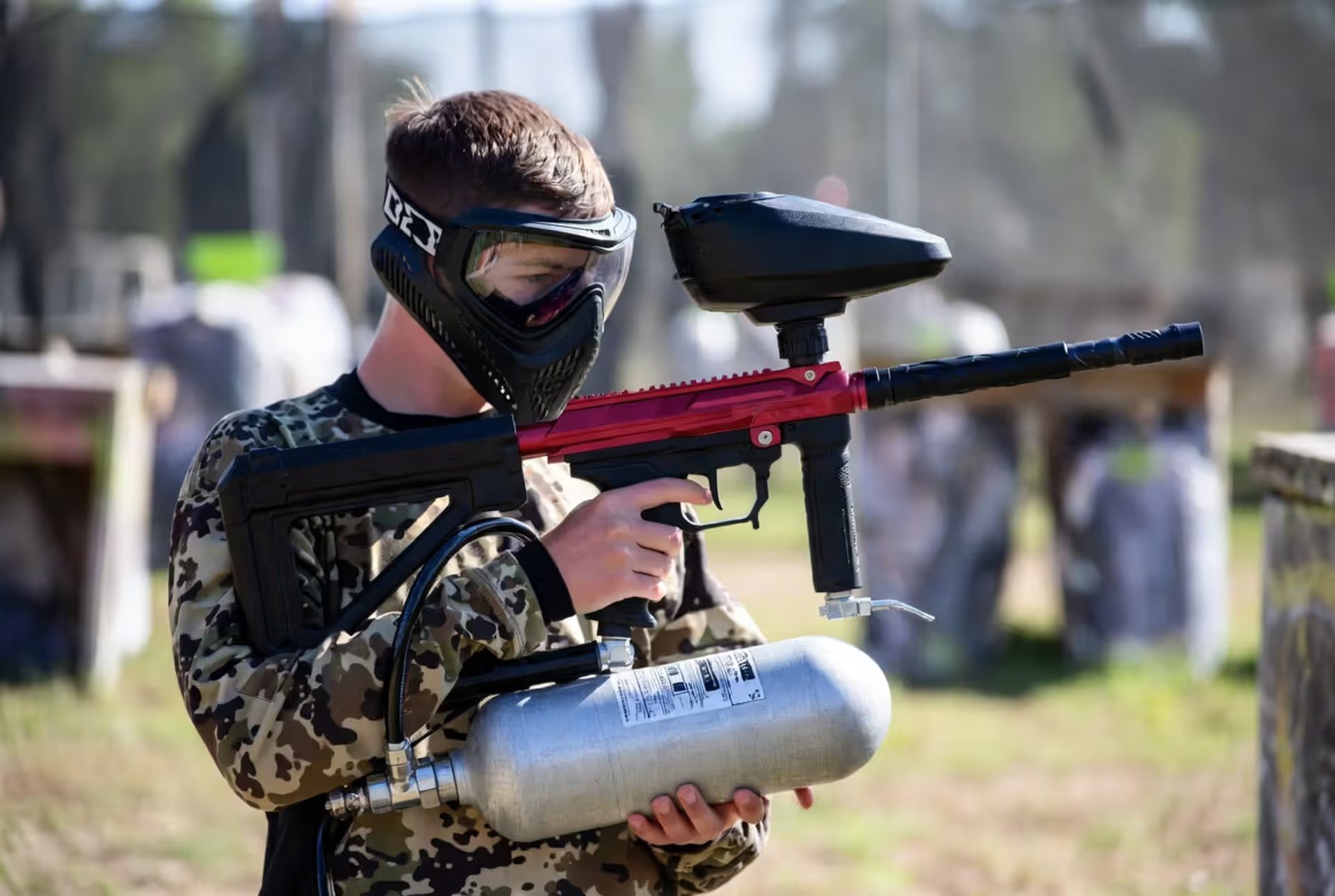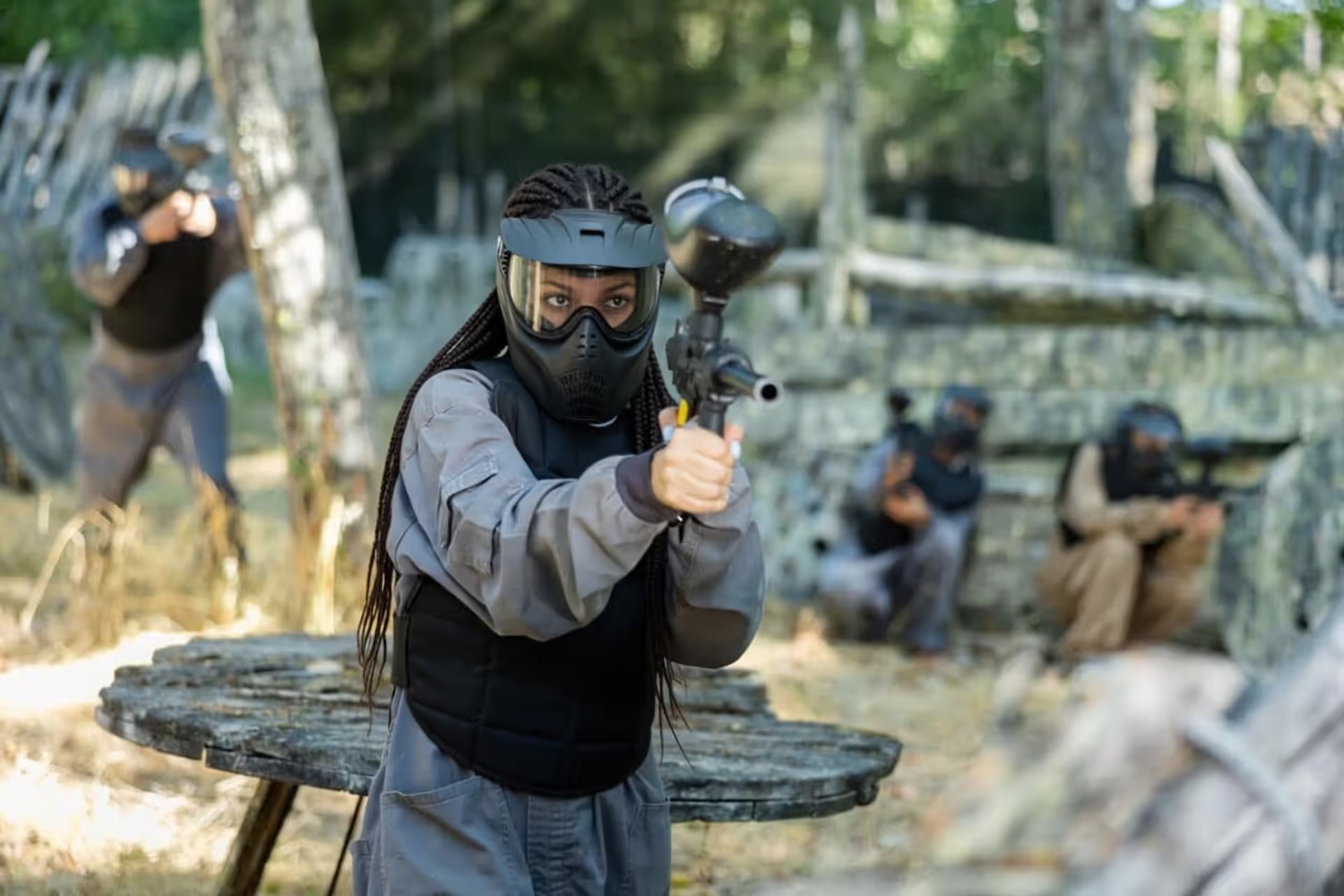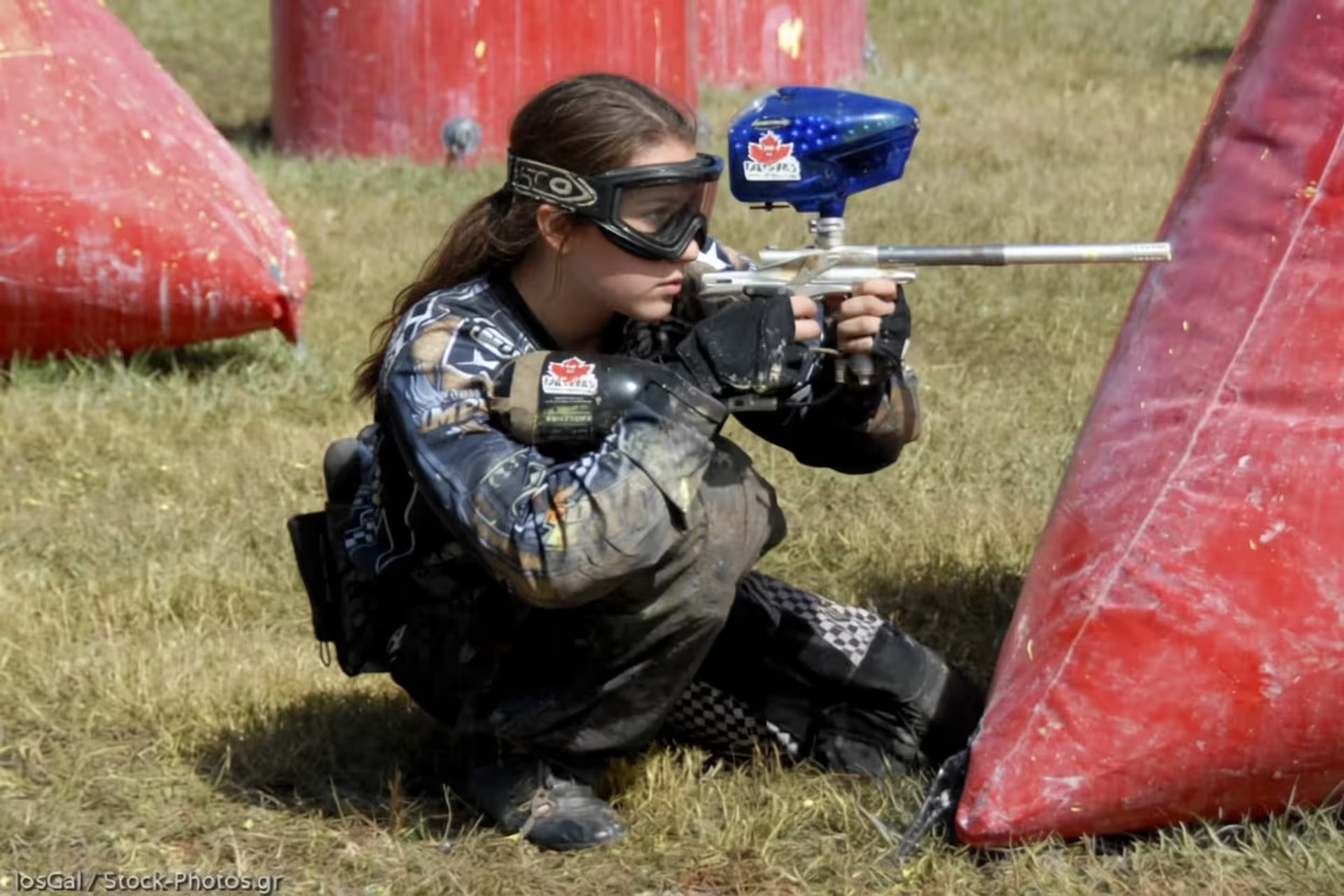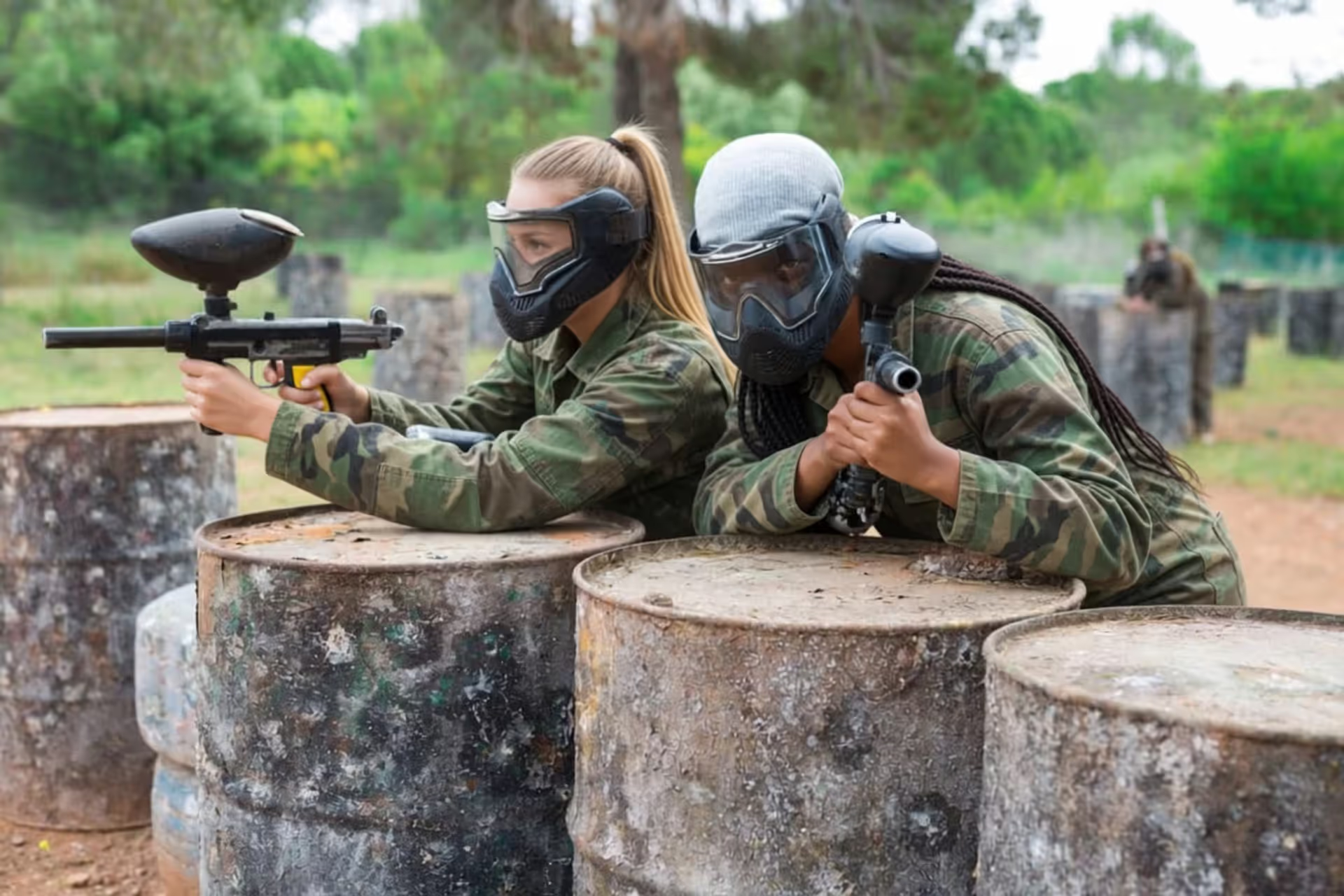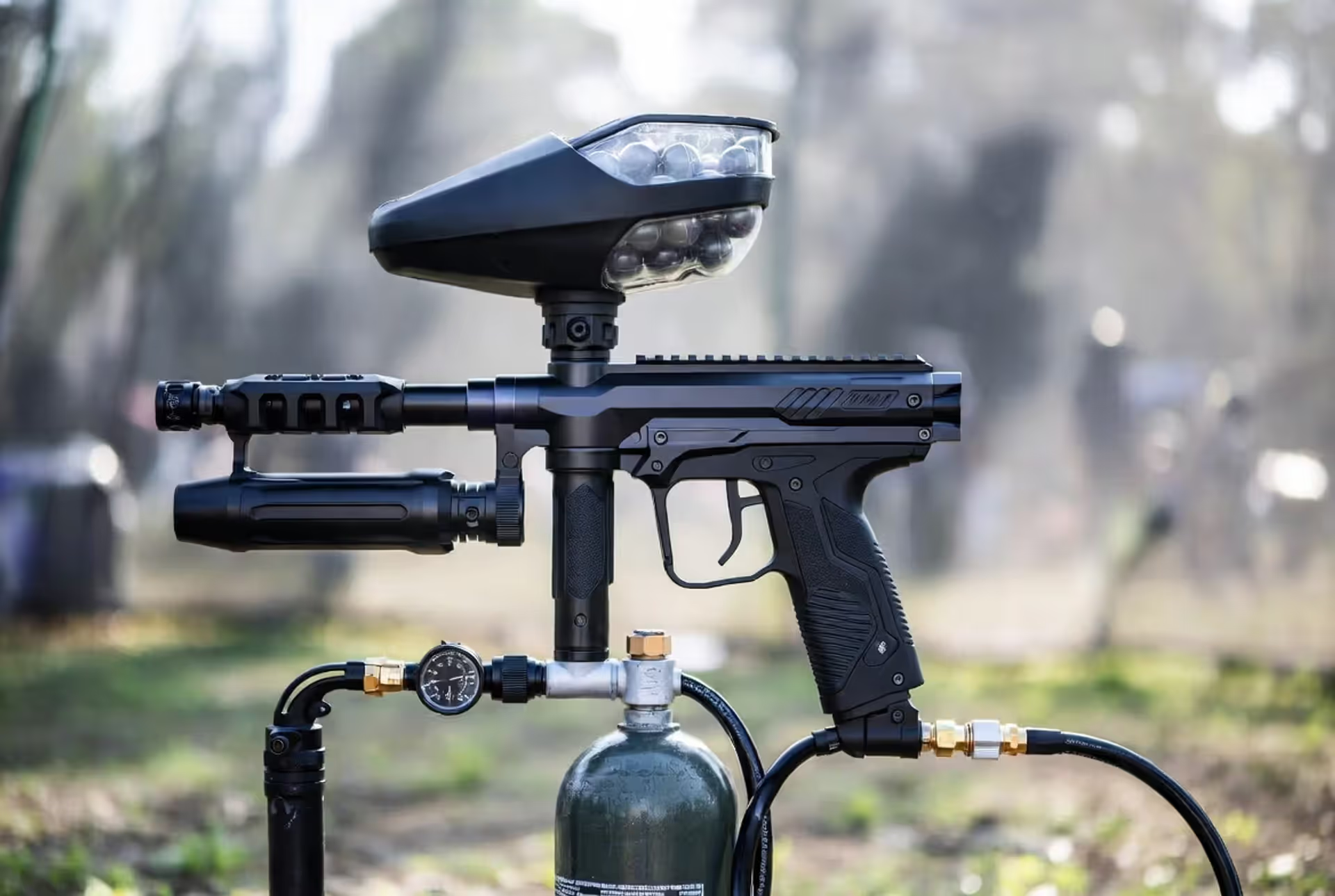

Protection meets performance in action
Paintball Pants Guide for Players and Beginners

Content
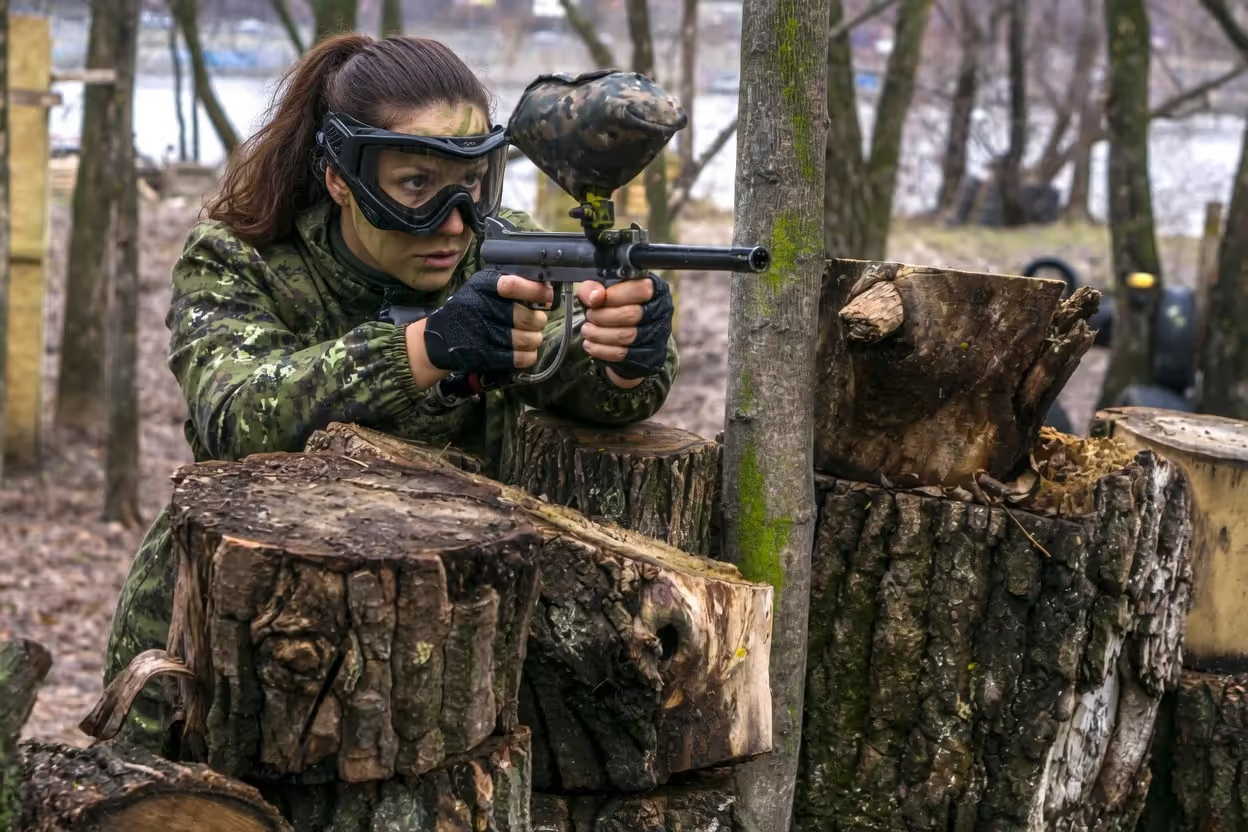
Show up to your first paintball session wearing gym shorts, and you'll learn an expensive lesson. That stinging welt on your kneecap from a direct hit? Yeah, it'll stick around for a week. Regular clothes weren't designed to handle 280 fps projectiles or sliding across gravel-covered bunkers. Dedicated paintball pants exist because nobody enjoys limping through their workweek explaining paint-shaped bruises.
What Are Paintball Pants and Why You Need Them
Here's what separates paintball-specific pants from the joggers in your closet: targeted impact zones, reinforced knee panels, and fabric that won't shred when you dive behind cover. These three elements work together to keep you mobile and protected.
Your typical workout pants fall apart on the field for one simple reason—they prioritize breathability over durability. Manufacturers design running tights for forward motion on soft surfaces, not combat rolls across wooden pallets. When a paintball smacks your thigh at 200+ fps, that thin moisture-wicking fabric does absolutely nothing to disperse the impact. You're taking the full force directly on skin.
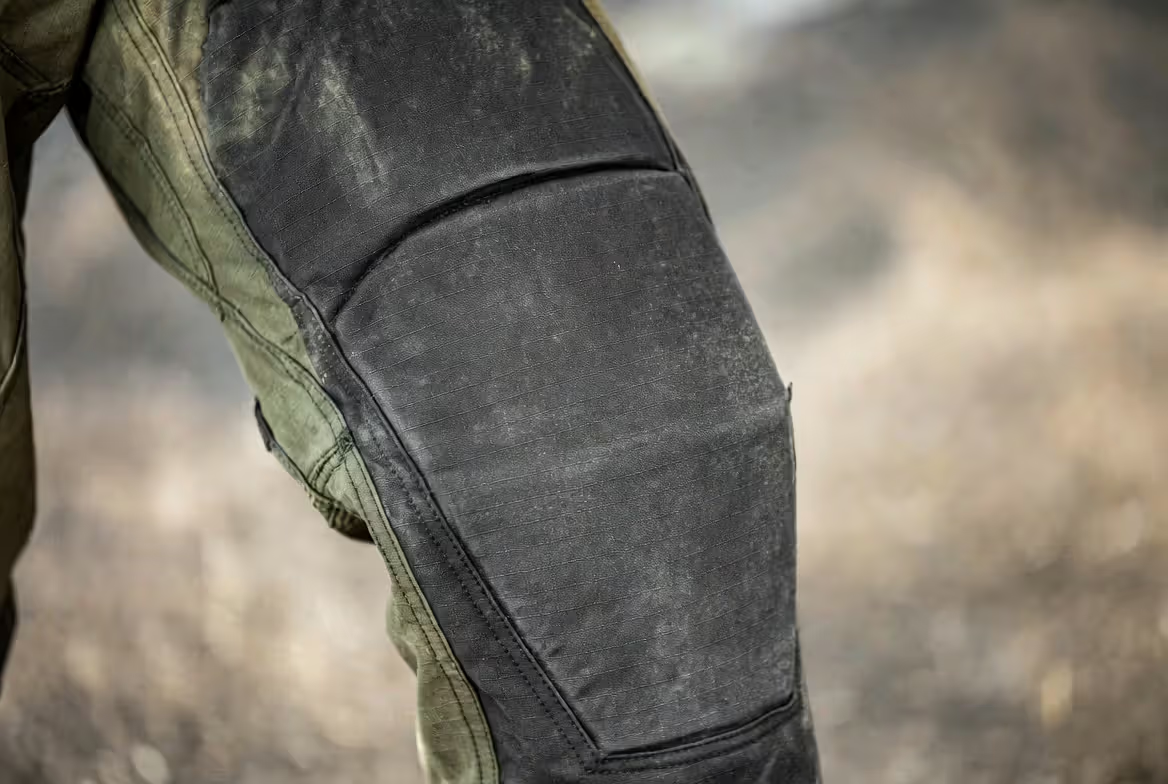
Construction methods tell the whole story. Quality paintball pants layer ripstop fabrics (usually 600-denier or thicker) with foam padding at critical zones. The knees get the heaviest reinforcement since that's where most players take hits when posted up behind bunkers. Hip padding matters for slide moves. Some designs add shin protection, though that's less common outside competitive speedball.
Waistband engineering differs too. Regular pants sit on your hips and slide down when you crouch repeatedly. Paintball-specific designs ride higher on your natural waist and include gripper elastic or adjustable straps. This prevents that annoying gap between your jersey and pants that exposes your lower back to incoming fire.
Within your complete paintball clothing system, pants anchor everything else. Your paintball jersey overlaps them at the waist. Your gear harness or pod pack belt cinches over them. Even your paintball cleats work better when pant legs don't bunch around your ankles. Think of them as the foundation—everything builds upward from there.
The difference hits you immediately in gameplay. Players wearing jeans spend half their time wincing from knee impacts. Those in proper gear dive aggressively, post behind bunkers comfortably, and walk off the field without a limp. That confidence shift alone justifies the investment.
Author: Caleb Varden;
Source: lakestaytents.com
Types of Paintball Pants Explained
The market breaks down into three distinct categories, each solving different problems. Matching the right type to your playing frequency and style saves money and frustration.
Padded Paintball Pants
These integrate foam or gel cushioning directly into the fabric—no separate layers required. Padding thickness ranges from thin 5mm inserts up to chunky 15mm protection at major impact points. Some use removable panels you can wash separately; others stitch everything permanently into the pants.
Where do padded paintball pants shine? Woodsball scenarios and beginner play. If you're crawling through brush or kneeling behind natural cover for extended periods, built-in padding beats wearing multiple layers. You pull them on and you're protected—simple.
The downside shows up on hot days. All that foam traps heat against your legs. Combined with limited ventilation, you're cooking after two games in summer heat. Weight adds up too. Budget models sometimes pack on two extra pounds compared to lightweight alternatives, which affects your movement speed over long tournament days.
Premium versions use advanced closed-cell foam that barely registers on a scale while still absorbing impacts. But that technology costs money—expect $120+ for high-end padded designs. For monthly recreational players, mid-range options around $70 deliver perfectly adequate protection without the weight penalty.
Carbon Paintball Pants
The name comes from Carbon Paintball (now HK Army) popularizing this minimalist approach back in the mid-2000s. These prioritize mobility over integrated protection, using ultra-light fabrics with little to no built-in padding. Instead, they're cut to layer over paintball slide shorts where you control the padding level.
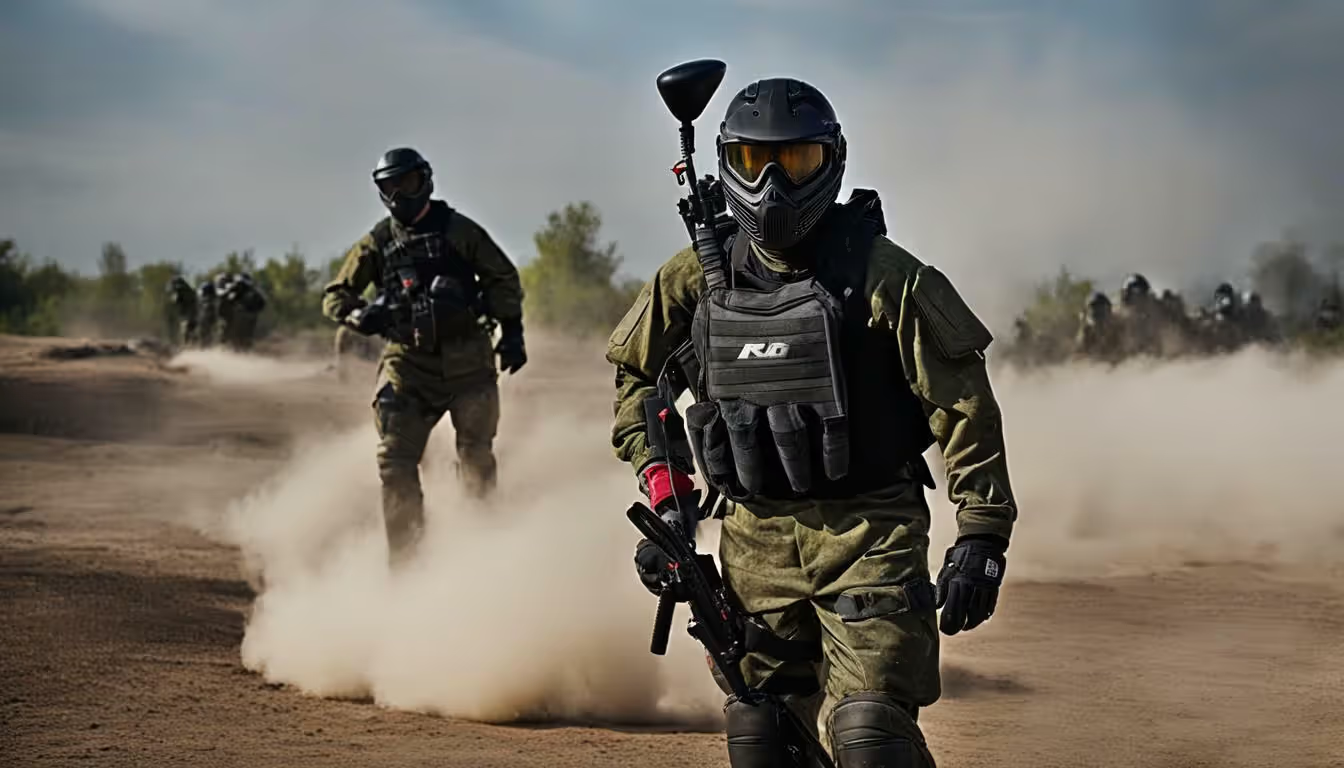
Competitive speedball demands this setup. When you're sprinting between inflatable bunkers and need split-second lateral movement, every ounce matters. Carbon-style pants weigh under a pound—basically basketball shorts with reinforced knees. Mesh panels in the crotch and behind the knees dump heat effectively during intense points.
The catch? You're buying two items instead of one. Quality slide shorts run $40-80, and carbon pants start around $100. That combined $140-180 investment only makes sense if you play regularly enough to appreciate the performance difference. Casual players usually find the added cost hard to justify.
Also worth noting: wearing carbon pants without slide shorts underneath leaves you vulnerable. The thin fabric might prevent scrapes but does almost nothing for impact absorption. Don't skip the base layer trying to save money.
Author: Caleb Varden;
Source: lakestaytents.com
Paintball Slide Shorts
Technically compression underwear with strategic padding, slide shorts function as a customizable base layer. They concentrate high-density foam at your hips, outer thighs, and tailbone—exactly where sliding and diving create ground contact.
This solves a specific problem: adapting protection to conditions. Playing in 95-degree humidity? Slide shorts under lightweight carbon pants keeps you cooler than full padded pants. Winter woodsball session? Layer them under insulated padded pants for maximum coverage.
Padding in decent slide shorts runs thinner than full pants—maybe 8-12mm—but positions precisely where it matters most. Most include a protective cup pocket for male players. The compression fit prevents bunching or shifting during movement, and they machine wash easily for quick turnaround between tournament days.
Some players run slide shorts under cargo pants or athletic gear for casual play. This works okay for occasional rental field visits but lacks the tear resistance of purpose-built paintball pants. One bad slide across gravel and you're replacing your regular pants.
Key Features to Look for When Choosing Paintball Pants
Fabric durability determines whether your pants survive a season or a month. Ripstop polyester at 600-denier or higher handles repeated abuse. Cheaper options using 300-400 denier fabric develop holes quickly, especially at the knees. Check the spec sheet—manufacturers always list denier rating for quality pants.
Where padding sits matters infinitely more than how thick it is. The best paintball pants concentrate protection over the kneecap and outer thigh—areas hitting the ground during slides and dives. Excessive padding in your inner thigh or rear actually restricts movement without protecting anything useful. Quality designs shape padding anatomically so it flexes with your leg instead of bunching awkwardly.
Fit testing beats guessing every time. If possible, try pants on before buying. Drop into a full catcher's squat. Does the waistband dig into your stomach? Does fabric pull tight behind your knees? The crotch should hang low enough that lunging doesn't create uncomfortable pressure. Sizing runs larger than street clothes to accommodate base layers—your usual 32-inch waist might need a medium rather than small.
Ventilation becomes critical once temperatures climb above 80°F. Look for mesh panels positioned behind the knees and along inner thighs. Some designs include zippered vents you open between games for additional airflow. Without adequate breathability, you'll overheat fast, especially when layering slide shorts underneath. Heat exhaustion ruins your day faster than any paintball hit.
Knee reinforcement extends useful life dramatically. Double-layer fabric or Cordura patches at the knees prevent the inevitable failure point. Players who slide frequently should treat this as mandatory—single-layer knees wear through in one heavy season. Replacing $80 pants annually because you skipped reinforcement costs more than buying $120 pants with proper knee construction upfront.
Price brackets break down predictably. Budget options ($40-60) sacrifice durability and features but work fine if you play monthly or less. Mid-range choices ($80-120) hit the sweet spot for regular players—decent materials and protection without premium pricing. Top-tier pants ($150-200+) justify costs through weight savings, quick-dry fabrics, and reinforced everything. Buy what matches your playing frequency, not your aspirations.
Author: Caleb Varden;
Source: lakestaytents.com
Paintball Pants Comparison: Padded vs. Carbon vs. Slide Shorts
| Type | Protection Level | Mobility | Price Range | Best Use Case | Typical Materials |
| Padded Paintball Pants | High (integrated foam) | Moderate | $60-$150 | Woodsball, beginners, colder weather | Ripstop polyester, sewn-in foam cushioning |
| Carbon Paintball Pants | Low (needs slide shorts) | Excellent | $100-$200 | Speedball, tournaments, summer play | Lightweight nylon, mesh ventilation panels |
| Paintball Slide Shorts | Moderate (targeted zones) | Excellent | $30-$80 | Base layer, adjustable protection | Compression spandex, high-density foam |
How Paintball Pants Fit Into Your Complete Paintball Outfit
Your paintball clothing works as interconnected layers, each piece affecting how the others function. Pants form the foundation that everything else builds on.
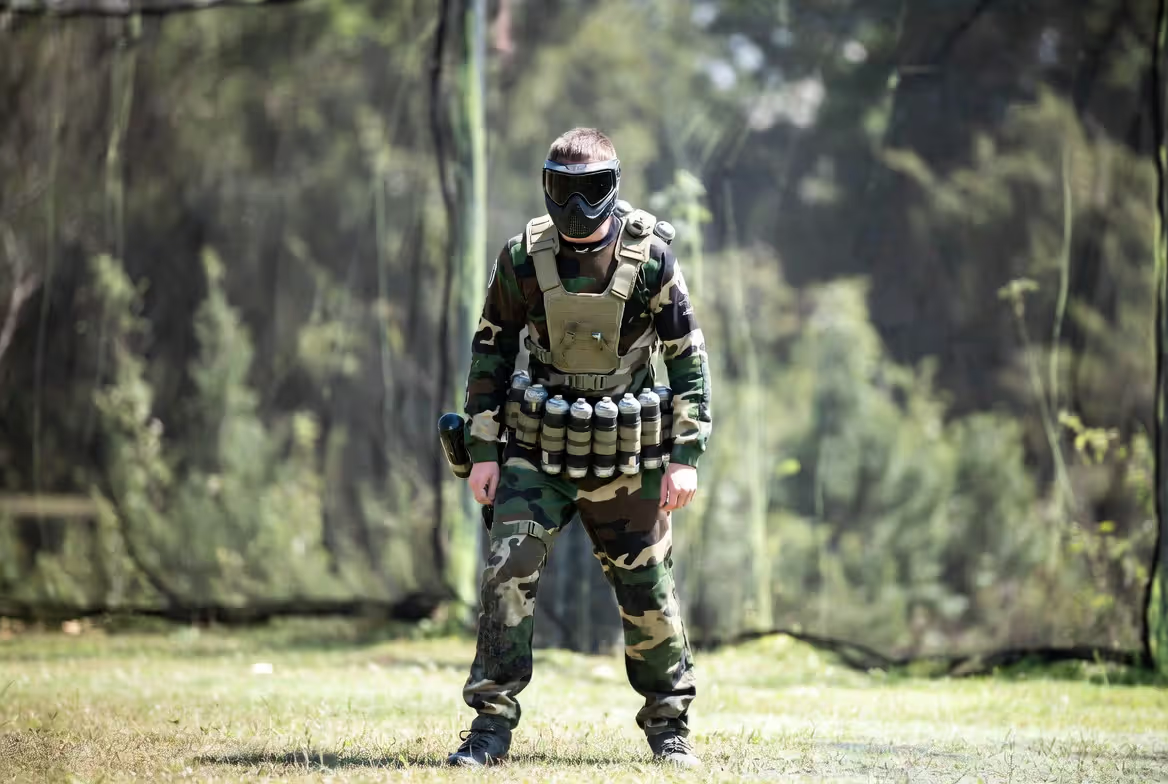
Standard setup runs like this: paintball slide shorts as your base layer, pants as primary protection, and your paintball jersey on top. The jersey should overlap your pants by four to six inches, preventing skin exposure when you reach or bend forward. Most players tuck the jersey's back hem into their pants while leaving the front loose. This maintains coverage while allowing easy access to pod packs on your belt.
Paintball cleats or turf shoes complete the lower half. Your pant legs should reach the shoe top when standing normally—not so long that fabric bunches at your ankles, but not so short that your socks show when you crouch. Some pants include elastic cuffs or Velcro ankle straps that secure the leg opening. This prevents dirt from dumping into your shoes during slides.
Color coordination doesn't mean matching everything. Many competitive players intentionally mix patterns between their jersey and pants to break up their outline on the field. What matters is ensuring your pants and jersey allow full range of motion together. Test this before game day—grab an imaginary marker, shoulder it, and drop into a bunker crouch. If the waistband digs into your ribs or the jersey pulls tight across your shoulders, something needs sizing adjustment.
Protective gear like chest protectors or forearm guards layer under your jersey but over your pants. This stacking order ensures nothing shifts out of position during aggressive movement. The higher waistband on paintball pants helps secure lower back protection and eliminates coverage gaps.
Temperature management requires adjusting your layers seasonally. Summer play might mean slide shorts under lightweight carbon pants with a short-sleeve jersey. Winter woodsball could involve padded pants, thermal base layers, and a long-sleeve jersey. The modular approach lets you adapt to conditions without buying completely separate outfits for different seasons.
Author: Caleb Varden;
Source: lakestaytents.com
Common Mistakes When Buying Paintball Pants
Prioritizing graphics over construction quality tops the mistake list. Pants covered in aggressive logos or sponsor patches don't perform any better than solid colors. Focus on fabric denier, padding placement, and reinforced seams instead of aesthetics. Those sick graphics won't matter when the pants rip during your fourth outing.
Mismatching protection level to playing style creates problems constantly. Speedball players sometimes buy heavily padded woodsball pants, then wonder why they feel sluggish making snap moves. Flip side: recreational players purchasing minimal carbon pants without slide shorts end up bruised and miserable. Be honest about how you actually play—not how you imagine playing after watching tournament footage.
Sizing errors affect performance and safety. Pants too tight restrict circulation and movement. Pants too loose catch on bunkers and shift during slides, exposing unprotected areas. Brands publish size charts correlating waist and inseam measurements to their sizing—use these instead of guessing based on your jeans size. Paintball pants intentionally run roomier than street clothes.
Ignoring climate and season leads to miserable field days. Wearing heavy padded pants during July heat causes overheating and dehydration. Lightweight carbon pants in November cold leaves you shivering between games. Consider your local weather patterns and typical playing season when selecting pants. If you play year-round in a variable climate, budget for two pairs.
Skipping slide shorts when buying carbon pants creates false economy. You save $50 initially but lack adequate protection, leading to either discomfort or purchasing slide shorts later anyway. If budget constraints exist, buy quality padded pants first. Upgrade to the carbon-plus-slide-shorts system once you've confirmed paintball is a regular hobby.
Neglecting knee reinforcement costs more long-term. Saving $20 on pants without reinforced knees means replacing them after six months instead of two years. The knees always fail first—invest in double-layer construction from the start, or plan on frequent replacements.
I've watched too many talented players held back by inadequate gear. Proper pants aren't optional equipment—they're the foundation letting you focus on strategy and teamwork instead of worrying about the next hit. Invest in your protection first, and your game will follow naturally.
— Marcus Chen, Head Coach
Caring for and Maintaining Your Paintball Pants
Washing requires more care than tossing them in with your regular laundry. Flip pants inside-out first—this protects the outer fabric from abrasion against other clothes. Cold water on gentle cycle prevents elastic breakdown and foam padding damage. Skip fabric softener completely; it coats technical fabrics and kills their moisture-wicking properties.
Paint removal works easiest when fresh. Rinse new paint hits with cold water before they set. Dried paint needs pre-treatment—mix dish soap with water, apply to stains, and let soak for fifteen minutes before washing. Avoid bleach or aggressive stain removers that degrade fabric coatings. Modern paintball fill is water-soluble and comes out easily if you don't let it bake in the sun first.
Air-drying always beats machine drying. Hang pants in a well-ventilated space away from direct sunlight, which fades colors and weakens fabric over time. Never use a dryer—heat melts padding, shrinks fabric, and destroys elastic waistbands. Properly hung pants dry overnight in most conditions.
Storage between games affects lifespan more than most players realize. Don't leave pants crumpled in your gear bag where trapped moisture promotes mildew. Hang them in a closet or fold loosely in a dry location. If they're still damp from washing or sweaty from play, ensure complete drying before storage. Mildew smells never fully wash out.
Extending lifespan involves catching problems early. Inspect knee areas regularly for thin spots before they become holes. Reinforce vulnerable seams with a few hand stitches when you notice loose threads. Replace worn elastic in the waistband rather than discarding otherwise functional pants. Small repairs done promptly prevent major failures during games.
Frequently Asked Questions About Paintball Pants
Selecting appropriate paintball pants transforms your field experience from enduring discomfort to playing confidently. Whether you choose heavily padded pants for maximum protection, lightweight carbon pants for competitive play, or the versatile combination of slide shorts under moderate pants, success comes from matching your gear to actual playing conditions and frequency.
Start by honestly evaluating how often you play, what game formats you prefer, and realistic budget constraints. New players benefit from quality padded pants providing complete protection without additional purchases. As skills develop and you identify preferred playing styles, you can refine your setup with specialized options.
The best pants for paintball are ones you'll actually wear comfortably for extended sessions. Expensive professional gear doesn't help if it doesn't fit your body or playing conditions. Invest in quality construction at whatever price point matches your commitment level, maintain gear properly, and replace items when protection becomes inadequate. Your knees and hips will thank you after every session.