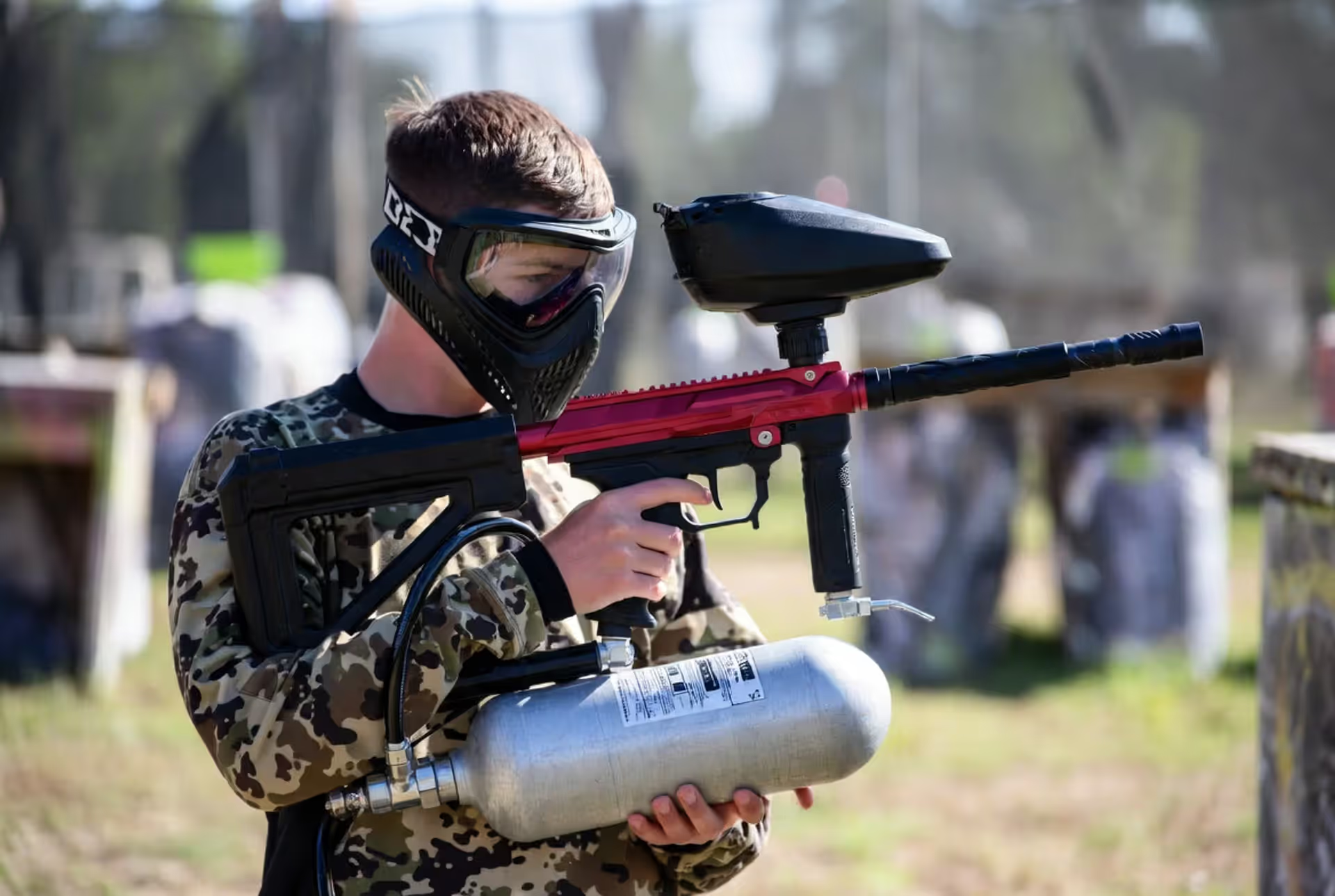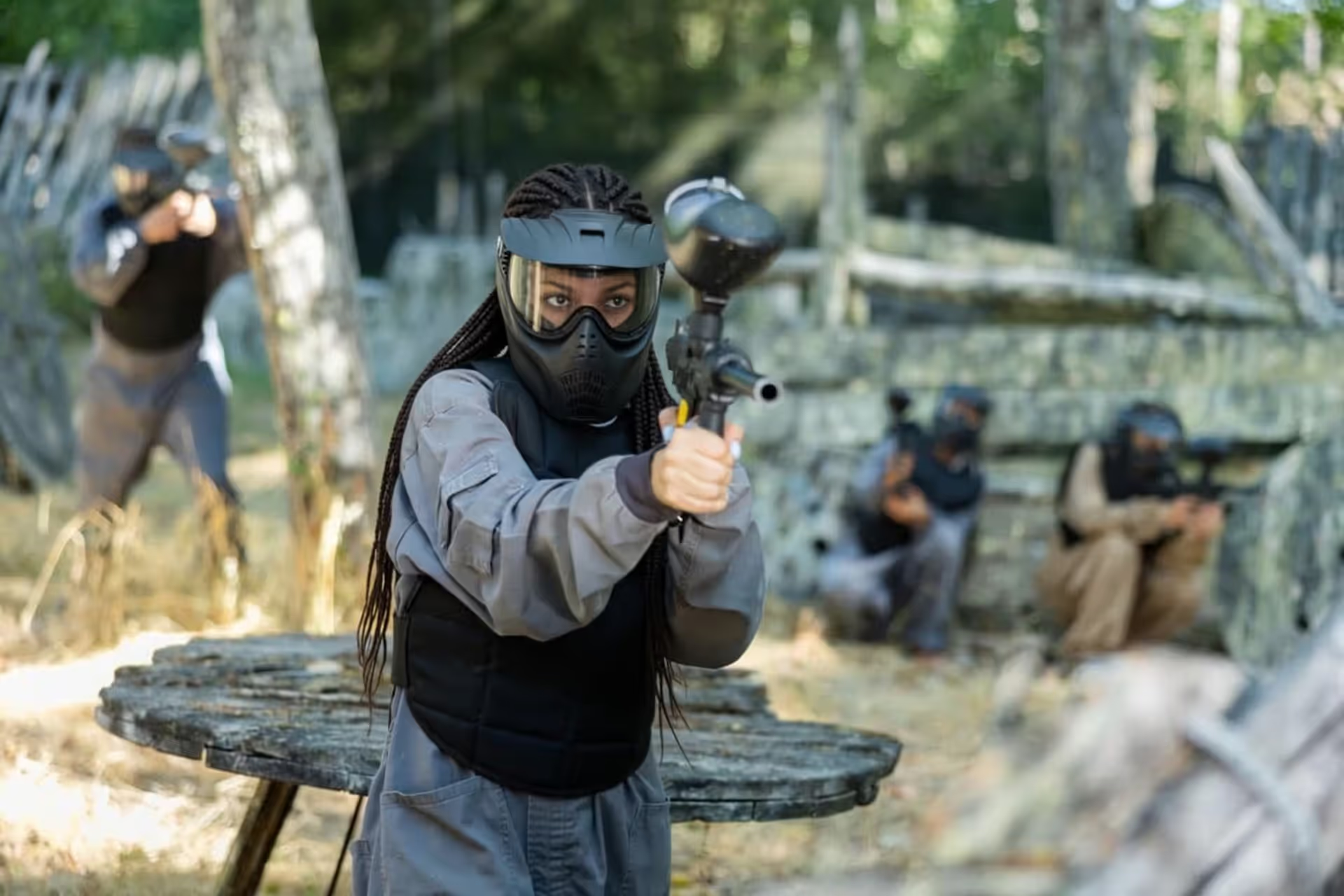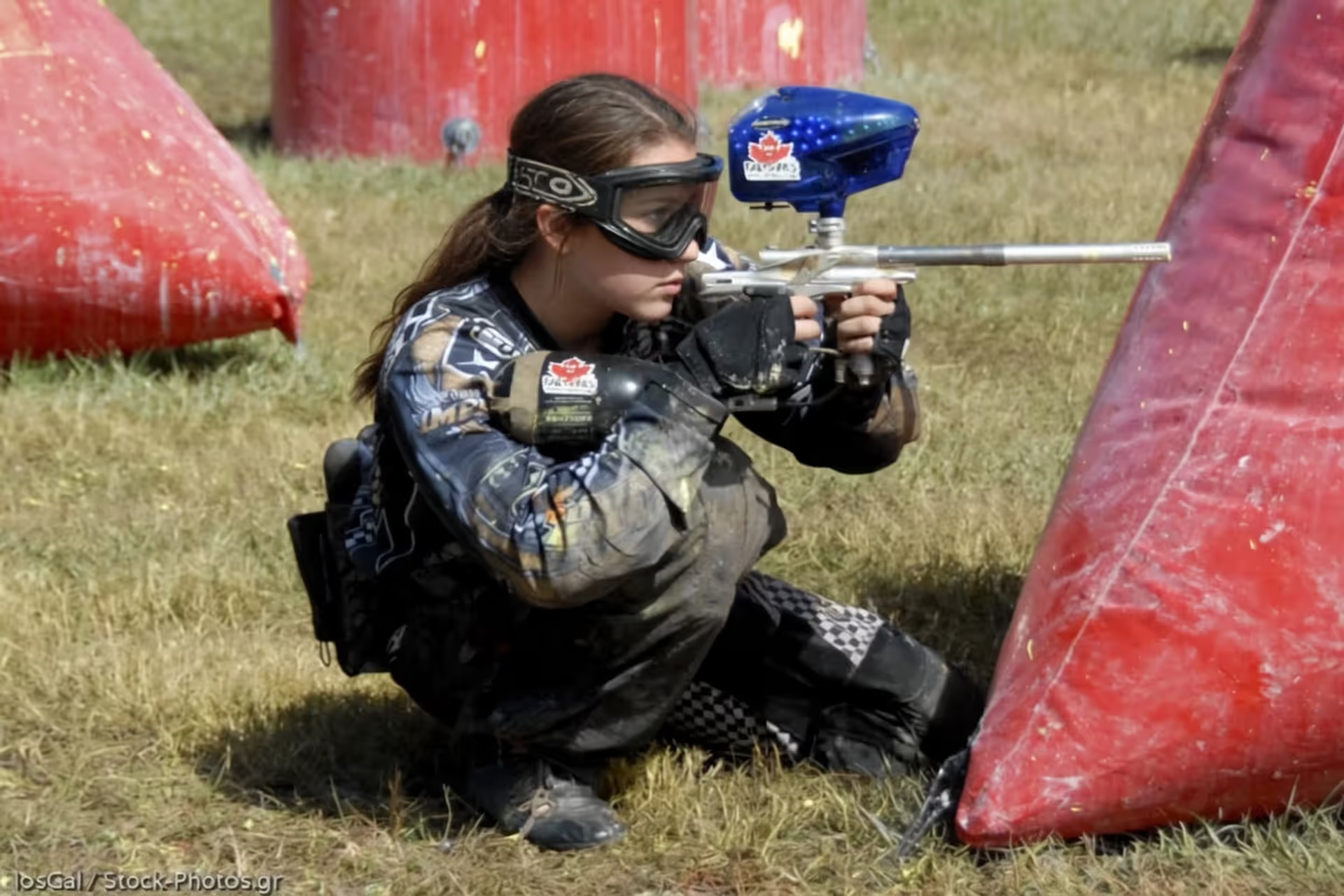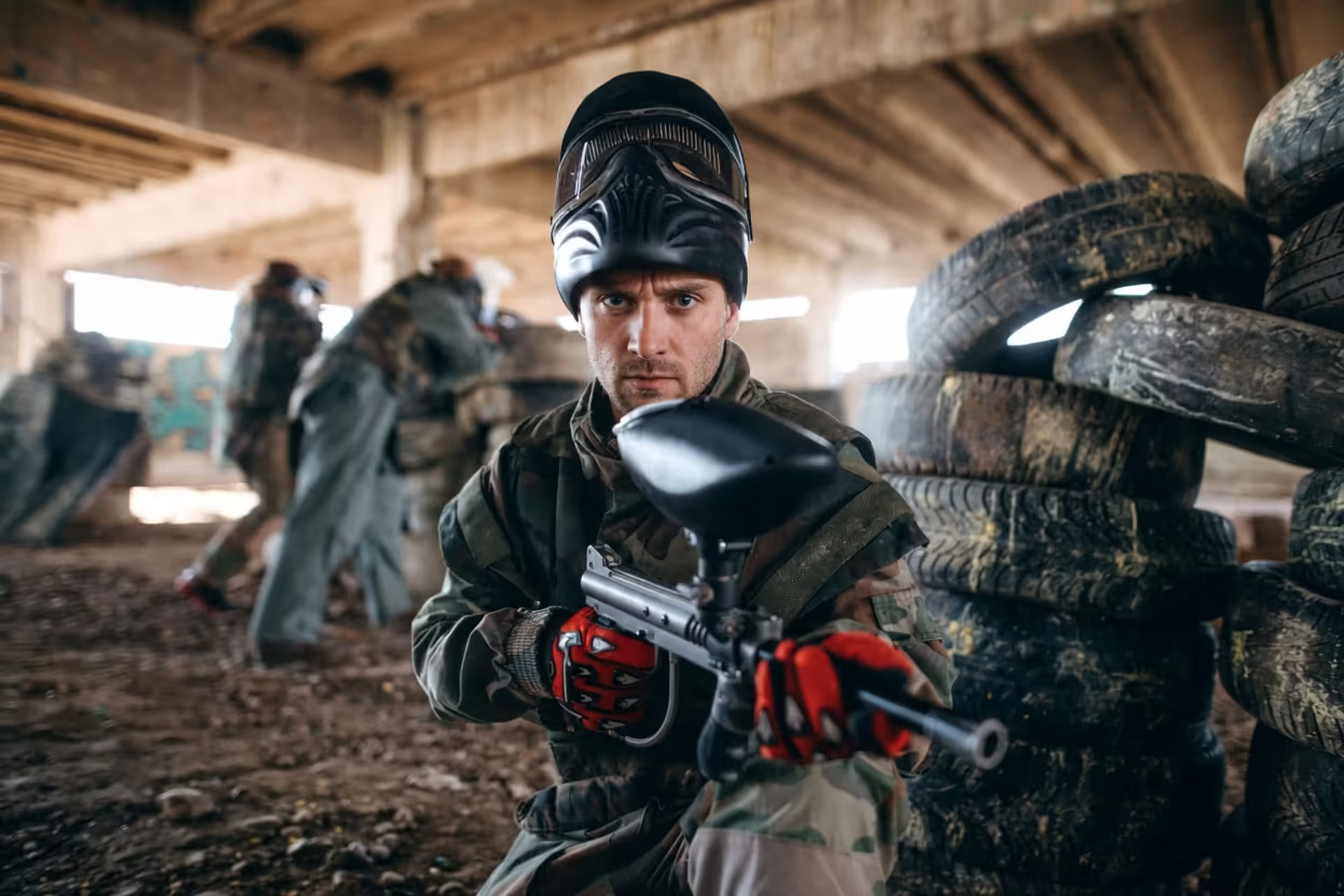
Clear vision starts with the right mask
How to Choose the Right Paintball Mask?

Content
Selecting the right paintball mask isn't just about protection—it's about maintaining clear vision under pressure, staying comfortable during extended play, and ensuring you can react quickly when it matters. A mask that fogs up mid-game or pinches your temples after 20 minutes will undermine your performance more than any other piece of equipment.
The difference between a frustrating day on the field and an enjoyable one often comes down to mask choice. Players who rush this decision typically learn the hard way after their first few games, when they're constantly wiping lenses or dealing with headaches. Understanding what separates a quality paintball mask from a budget model—and knowing which features actually matter for your playing style—saves both money and aggravation.
What Makes a Paintball Mask Different from Regular Goggles
Paintball masks provide full-face protection that extends well beyond what standard paintball goggles or sports eyewear offers. The key distinction lies in ASTM F1776 certification, which sets specific impact resistance standards for paintball protective equipment. This certification requires masks to withstand paintballs traveling at velocities up to 300 feet per second without lens penetration or frame failure.
A proper paintball face mask covers your eyes, ears, nose, mouth, and jaw—areas where paintball impacts can cause serious injury. Regular goggles leave the lower face exposed, which is why most fields won't allow them for play. The polycarbonate lenses used in certified masks are significantly thicker than standard safety glasses, typically ranging from 2.5mm to 3.5mm in thickness.
The frame structure matters just as much as the lens. Quality masks use flexible yet durable materials that absorb impact energy rather than transferring it directly to your face. Cheaper models often use rigid plastic that can crack on impact or create pressure points that cause discomfort.
Field operators universally require ASTM-certified masks because insurance and liability depend on it. Homemade modifications or masks missing components void this certification immediately. Even small cracks in a lens compromise the entire protective system—something many beginners don't realize until a referee pulls them off the field.
Key Features That Matter Most
Lens Technology and Anti-Fog Systems
Author: Caleb Varden;
Source: lakestaytents.com
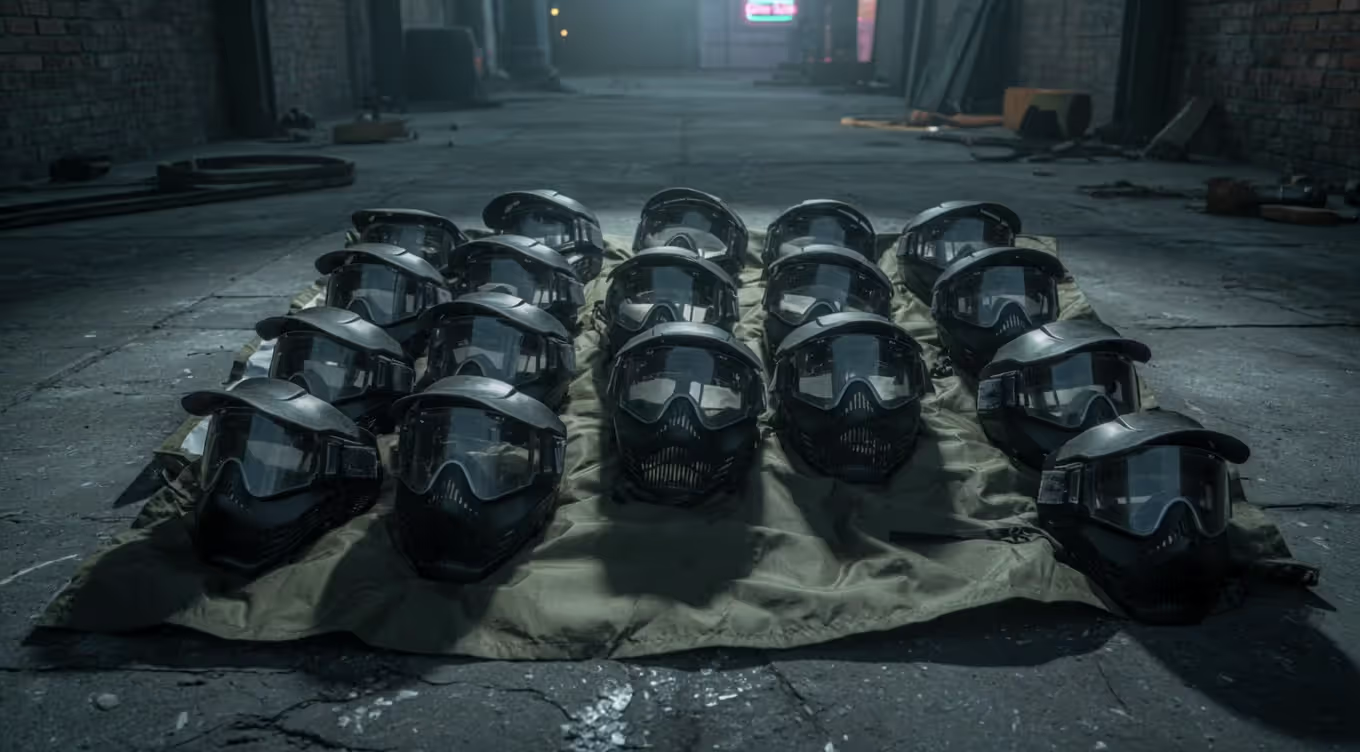
Thermal dual-pane lenses represent the single most important upgrade over basic single-pane designs. These lenses work like double-pane windows in houses, creating an insulating air gap that prevents temperature differences from causing condensation. Single-pane lenses fog almost immediately when your breath hits cold plastic, especially during cooler months.
The best paintball mask options now include thermal lenses as standard, though budget models still ship with single-pane alternatives. Expect to pay $30-50 more for thermal lens systems, but the investment pays off within your first game. Some high-end masks incorporate active ventilation fans powered by small batteries, though these add weight and require maintenance.
Anti-fog coatings provide a chemical barrier that disperses moisture before it forms droplets. These coatings wear off gradually with cleaning and use, typically lasting 6-12 months depending on care. Reapplication sprays exist but rarely match factory-applied coatings in effectiveness.
Photochromic lenses that adjust tint based on light conditions have gained popularity among serious players. These eliminate the need to swap lenses between indoor and outdoor play, though they cost $80-120 compared to $25-40 for standard clear lenses.
Foam Padding and Comfort Fit
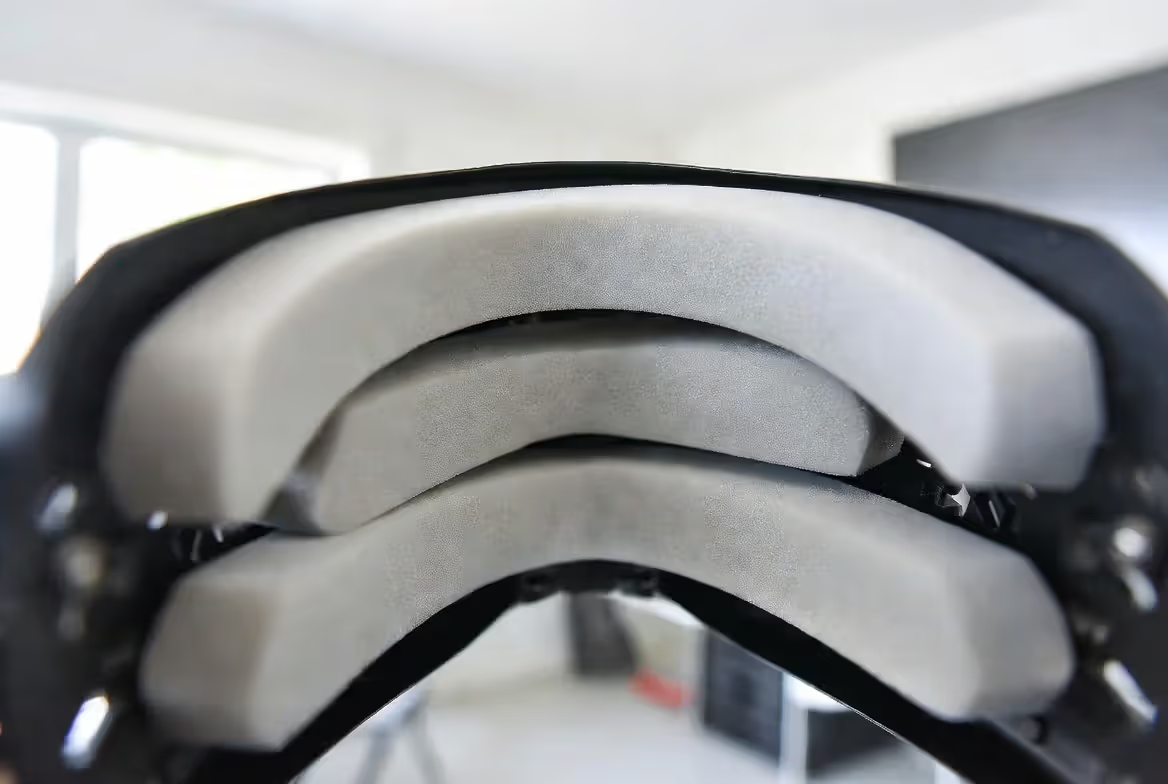
Multi-density foam makes the difference between a mask you forget you're wearing and one that leaves red marks across your forehead. Quality masks use softer foam against your skin with firmer backing foam that maintains the seal without excessive pressure.
Author: Caleb Varden;
Source: lakestaytents.com
Moisture-wicking foam covers prevent sweat from pooling against your face, which both improves comfort and reduces fogging. Standard foam absorbs sweat like a sponge, becoming heavy and uncomfortable during extended play. The wicking fabric versions shed moisture and dry faster between games.
Foam compression happens over time with all masks. The padding that felt perfect when new will pack down after 20-30 uses, potentially creating gaps that allow paint spray to seep in. Replacement foam kits cost $15-25 and take about 10 minutes to install, effectively refreshing an old mask.
Some masks offer adjustable foam thickness through removable layers. This matters particularly for glasses wearers who need extra clearance, or players with narrower faces who need more padding to achieve a proper seal.
Ventilation and Breathability
Strategic vent placement prevents fogging without creating vulnerability to paint splatter. Masks with vents positioned at the bottom of the lens area allow hot air to escape while keeping direct paint impacts away from openings. Side vents improve air circulation but can channel paint spray toward your ears if poorly designed.
Breathability through the mouth area affects how much moisture builds up inside the mask. Flexible rubber or soft plastic mouth guards allow easier breathing than rigid plastic, though they may not hold up as long under repeated impacts. Some competitive players remove mouth guards entirely for maximum airflow, accepting the trade-off of less protection.
Masks marketed as "best anti fog paintball mask" options typically combine thermal lenses with optimized vent patterns and moisture-wicking foam. However, no passive system eliminates fogging completely in humid conditions or during intense physical activity. Understanding this limitation prevents disappointment.
Lens Replacement and Customization Options
Quick-change lens systems let you swap lenses in under 30 seconds without tools. This matters when transitioning between different lighting conditions or when a lens gets scratched mid-day. Older mask designs require removing multiple screws, which is impractical during active play.
Lens availability varies dramatically between mask models. Popular masks from major manufacturers offer 10-15 lens options including mirrored, tinted, and clear variants. Discontinued or off-brand models may have zero aftermarket lens support, forcing you to replace the entire mask when the original lens fails.
Prescription lens inserts mount inside the mask for players who can't wear contacts. These custom inserts cost $80-150 but provide better optics than wearing glasses under a mask. The inserts sit close enough to your eyes that peripheral vision improves compared to glasses frames.
Paintball visor attachments add sun protection and can reduce glare, though they also add weight and may catch wind. Most visors attach via clips or screws to the mask's top vent area. Competitive players rarely use them due to the visibility trade-offs, but recreational players in sunny climates often appreciate the shade.
Paintball Masks for Glasses Wearers
Author: Caleb Varden;
Source: lakestaytents.com
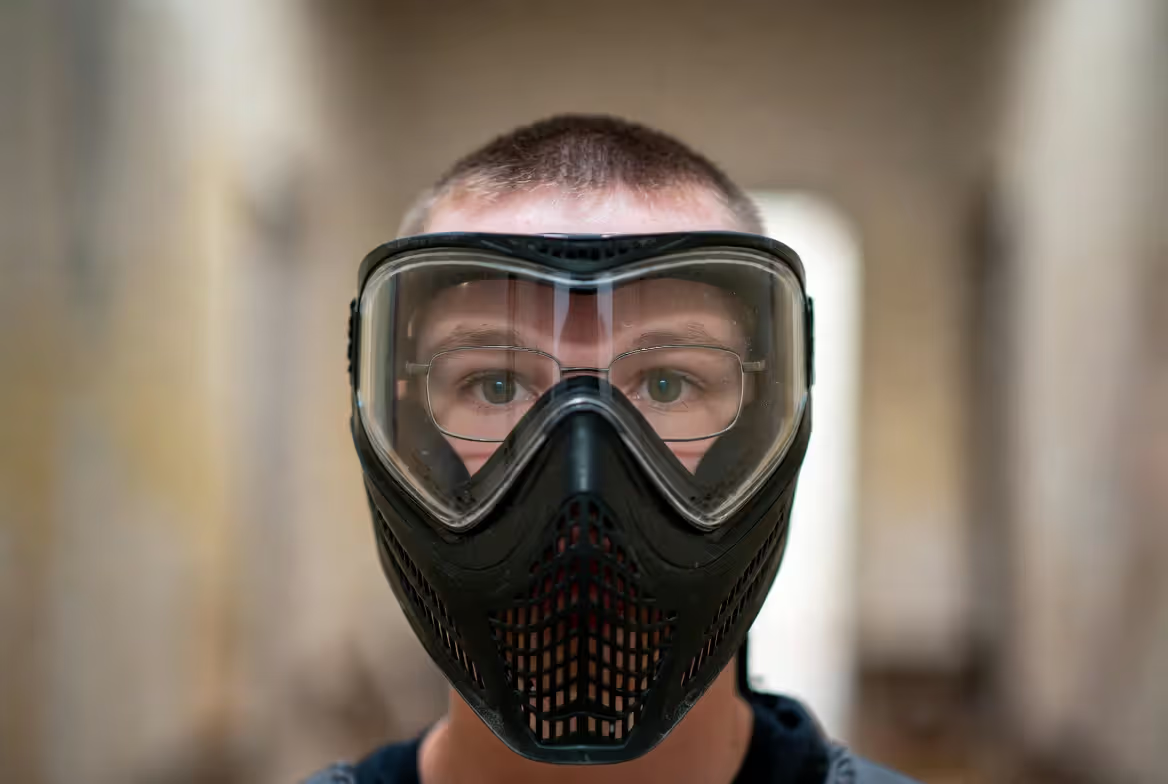
Finding the best paintball mask for glasses requires specific design accommodations that standard masks don't provide. OTG (over-the-glass) masks feature deeper internal profiles and foam cutouts near the temples where glasses arms extend. Without these modifications, glasses frames press painfully against your temples or the mask simply won't seal properly.
The foam cutout approach works well for smaller glasses frames but creates small gaps in the seal where paint mist can potentially enter. Most players find this acceptable given the alternative of not seeing clearly. Larger or wider glasses frames may not fit even in OTG-designated masks, making prescription inserts the only viable option.
Glasses fog just as readily as mask lenses, creating a double-fogging problem. Anti-fog treatments applied to both the mask lens and your glasses help, though maintaining two separate surfaces adds hassle. Contact lenses eliminate these issues entirely, which is why many regular players who normally wear glasses switch to contacts for paintball.
Several current mask models specifically accommodate glasses: the Push Unite, Dye i5, and V-Force Grill all offer sufficient internal volume. These masks cost $80-180, positioning them in the mid-to-high price range. Budget masks under $40 rarely provide adequate glasses clearance, despite what marketing claims suggest.
Testing fit before purchasing matters more for glasses wearers than anyone else. Bring your glasses to the store if possible, or verify the retailer's return policy when ordering online. A mask that works perfectly for one glasses style may be completely incompatible with frames that are only slightly different in size.
Helmet-Style Masks vs Traditional Goggles
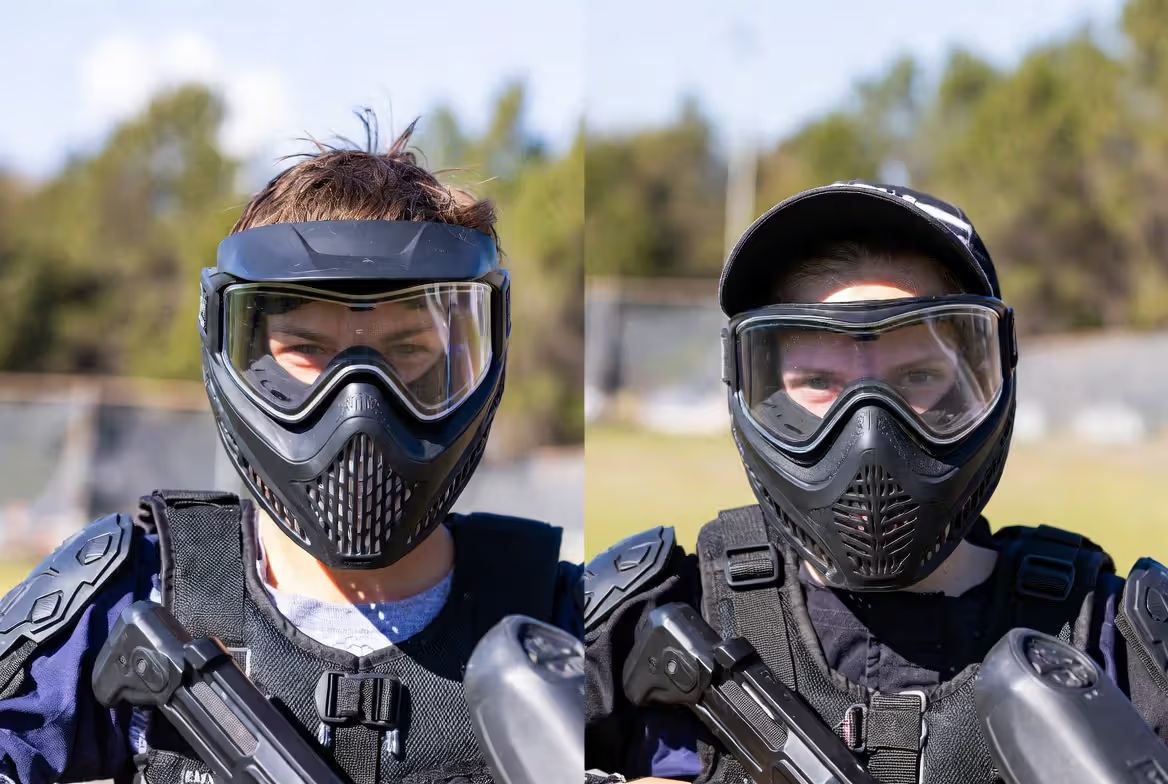
Helmet-style paintball masks extend protection over the top and back of your head, resembling tactical helmets more than goggles. Traditional paintball masks stop at your temples and upper jaw, leaving your head exposed. The choice between these styles depends primarily on your playing environment and personal preference rather than safety requirements.
Helmet masks add 4-8 ounces of weight compared to traditional designs, which becomes noticeable during all-day play. This extra weight also affects how quickly you can turn your head and may cause neck fatigue for smaller players. However, the added protection proves valuable in woodsball scenarios where you're crawling through brush or might bump your head on obstacles.
Traditional goggle-style masks offer better peripheral vision and hearing since they don't cover your ears as completely. Speedball players overwhelmingly prefer traditional designs because quick head movements and communication with teammates matter more than the extra protection.
Price differences are minimal—both styles range from $40 for entry-level to $200+ for professional-grade options. The best paintball mask for your situation depends on play style: choose helmet-style for woodsball and scenario games, traditional for speedball and tournament play.
Author: Caleb Varden;
Source: lakestaytents.com
| Mask Type | Protection Coverage | Weight | Ventilation | Price Range | Best For |
| Traditional Goggle-Style | Eyes, ears, nose, mouth, jaw | 12-16 oz | Excellent | $40-$200 | Speedball, tournaments, players prioritizing mobility |
| Helmet-Style | Full head including top and back | 20-24 oz | Good | $50-$220 | Woodsball, scenario games, maximum protection seekers |
| Visor-Equipped | Standard coverage plus sun shade | 14-18 oz | Good | $60-$180 | Outdoor recreational play, sunny climates |
Some hybrid designs incorporate removable helmet sections, letting you add or remove head protection based on the game type. These modular systems cost more initially but provide flexibility for players who participate in multiple paintball formats.
How to Prevent Fogging During Play
Preventing fog requires addressing multiple factors simultaneously—no single solution works in all conditions. Start with a thermal dual-pane lens as your foundation. Without this, every other anti-fog measure fights a losing battle against basic physics.
Pre-game preparation matters as much as equipment. Apply anti-fog spray to both sides of your lens 30 minutes before play and let it dry completely. Rushing this step leaves residue that actually attracts moisture. Never touch the inside of your lens with your fingers—skin oils create fog nucleation points where condensation forms preferentially.
Active ventilation fans mount to mask frames and force air circulation across the lens interior. These systems work remarkably well but require fresh batteries and add bulk. Expect to pay $40-60 for quality fan units. They're most popular among players in humid climates where passive systems can't keep up.
Between games, remove your mask and let it air dry completely. Storing a damp mask in your gear bag creates a breeding ground for mold and ensures it'll fog immediately when you put it back on. Some players bring a small towel specifically for patting down foam and lenses during breaks.
The number one reason players get hit is fogged lenses, not poor skills. I've seen advanced players walk straight into obvious ambushes because they couldn't see clearly. Spending an extra $40 on a thermal lens prevents more eliminations than any tactical training.
— Marcus Chen
Temperature management helps prevent fogging before it starts. If you're playing in cold weather, avoid breathing heavily through your nose directly into the mask. Breathe through your mouth and downward when possible. In hot weather, the opposite problem occurs—your entire face heats up and creates a sauna effect inside the mask.
Emergency defogging during active play requires discipline. Never remove your mask on the field, even if you can't see. Move to cover, signal to teammates that you're blind, and try tilting your head to let hot air escape through bottom vents. Some players carry small anti-fog wipes in their pockets for quick lens cleaning during breaks in action.
Common Mistakes When Buying Your First Mask
Prioritizing appearance over functionality leads many beginners to choose cool paintball masks that look aggressive but lack essential features. Skull graphics and intimidating designs don't improve performance, yet these aesthetic models often cost as much as superior functional masks. Judge masks by their lens system, foam quality, and ventilation before considering graphics.
Buying based solely on price creates problems at both extremes. The cheapest masks available ($20-30) use inferior materials that crack easily and fog constantly. But the most expensive masks ($200+) offer professional features that recreational players don't need. The sweet spot for most beginners sits between $70-120, where you get thermal lenses and quality construction without paying for tournament-level extras.
Ignoring fit in favor of brand names causes immediate regret. Mask sizing varies significantly between manufacturers—a medium from one brand might fit like a large from another. Face shape matters too: some masks suit rounder faces while others work better for narrow or angular facial structures. Online reviews help, but trying masks in person prevents expensive mistakes.
Purchasing used masks saves money initially but risks hidden damage. Lens scratches that seem minor in photos significantly impair vision during play. Compressed foam that's lost its seal allows paint spray to seep in. Cracked frames that haven't fully separated yet will fail during impact. The $30 you save buying used often gets spent replacing components anyway.
Skipping the anti-fog features because "I'll just wipe the lens" reveals inexperience. You can't safely remove your mask during active play, and even between games, constantly wiping lenses damages anti-fog coatings and scratches the surface. Players who start with single-pane lenses almost universally upgrade to thermal within a few months, effectively paying twice.
Overlooking compatibility with your other gear creates practical problems. If you wear a tactical vest or pod pack with a high collar, some masks won't seal properly against your chest when you look down. Full-face communication headsets don't fit under certain helmet-style masks. Consider your complete loadout when selecting a mask.
Frequently Asked Questions About Paintball Masks
Choosing the right paintball mask comes down to balancing protection, visibility, and comfort within your budget. A thermal dual-pane lens system represents the minimum standard for enjoyable play, while proper fit prevents both safety issues and distraction during games. Glasses wearers need OTG-specific models or prescription inserts, and players in humid climates benefit significantly from enhanced anti-fog systems.
Avoid the common trap of prioritizing appearance over function or buying the cheapest option available. The $70-120 price range delivers quality construction and essential features without paying for professional-level extras most recreational players don't need. Test fit whenever possible, verify ASTM certification, and inspect used masks carefully for hidden damage before purchasing.
Your mask affects every moment of play more than any other piece of equipment. Clear vision, comfortable fit, and reliable fog prevention let you focus on strategy and enjoyment rather than constantly adjusting equipment. Invest the time to choose correctly now, and you'll spend years appreciating that decision every time you step onto the field.