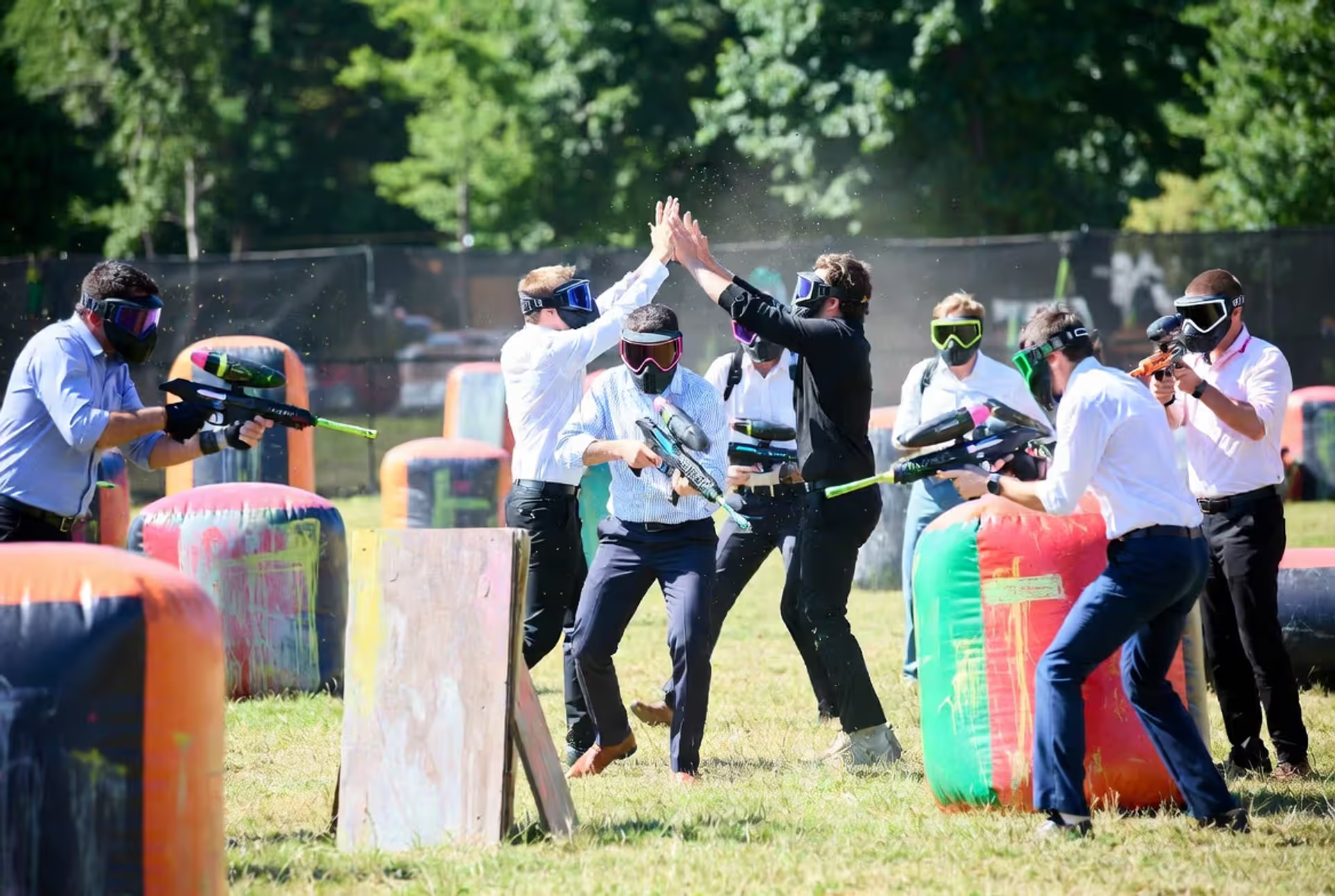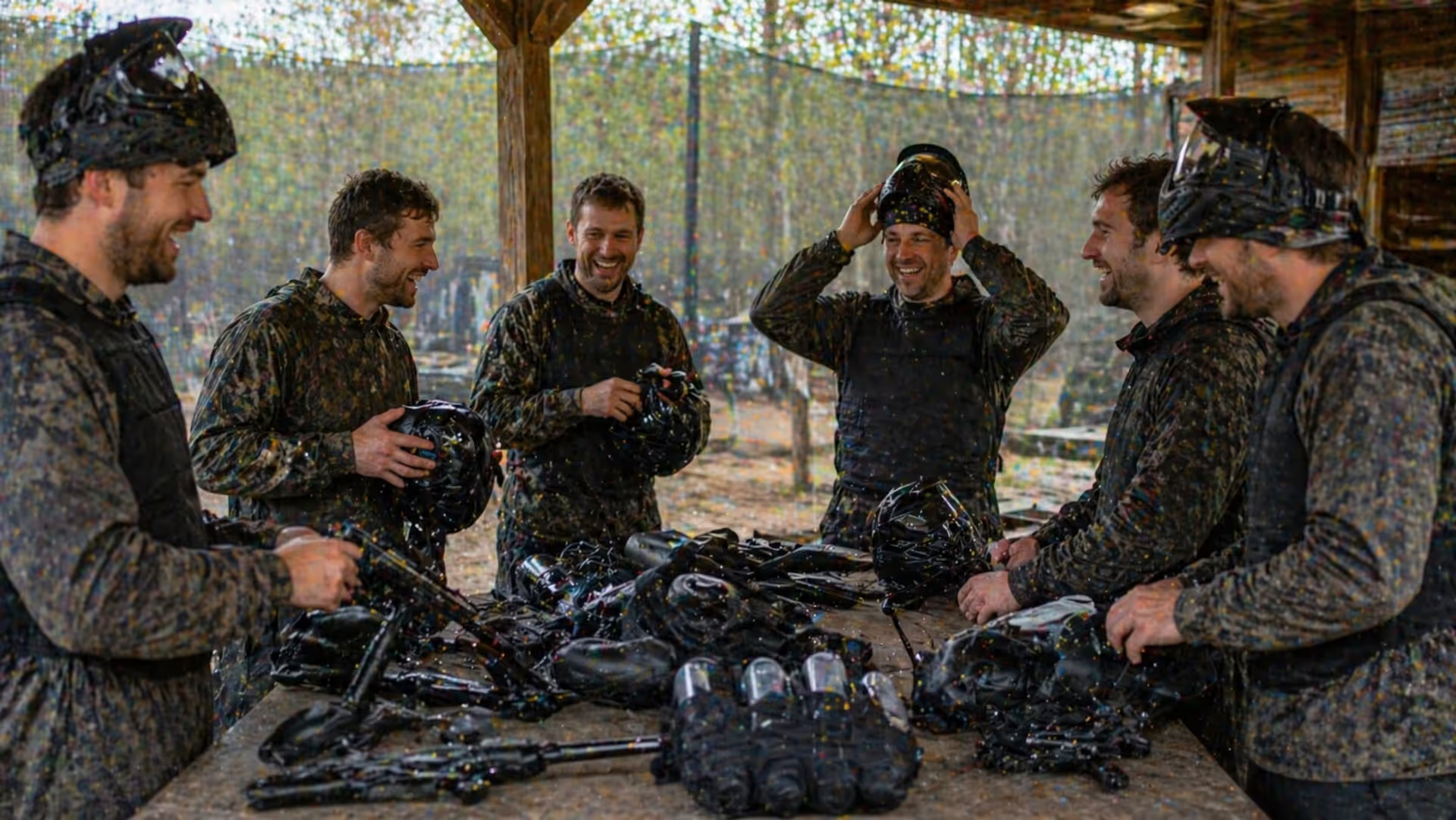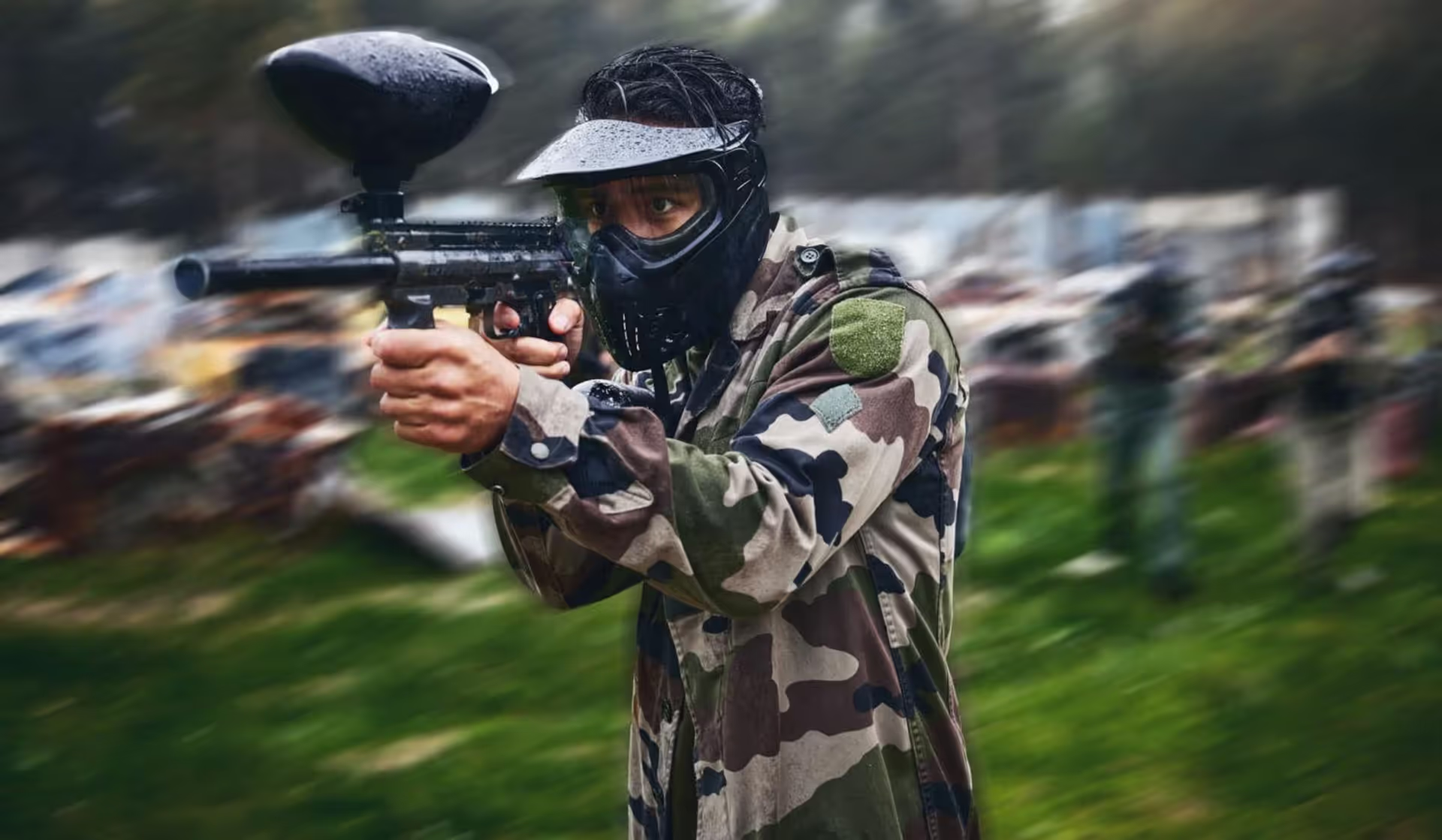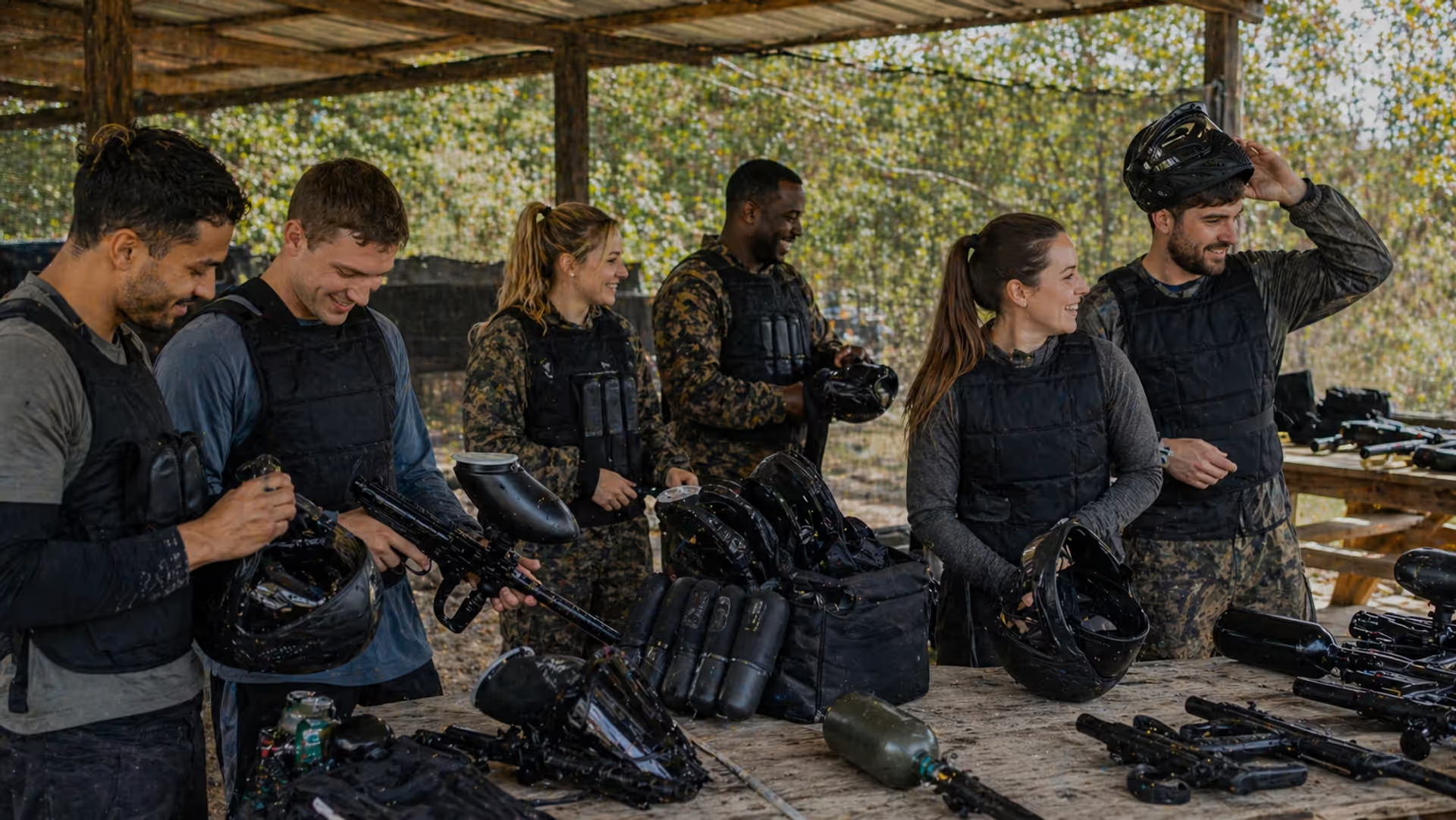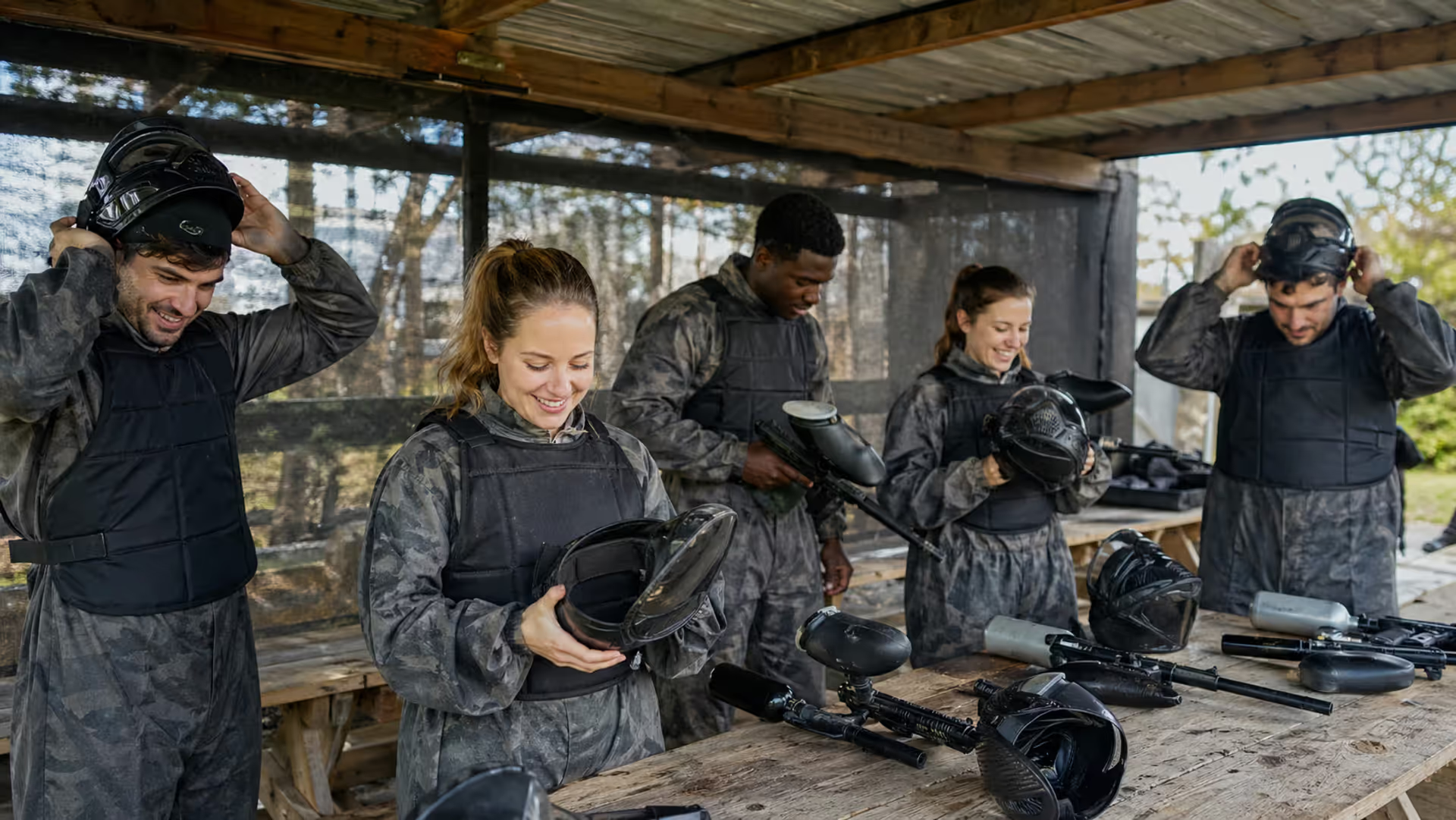
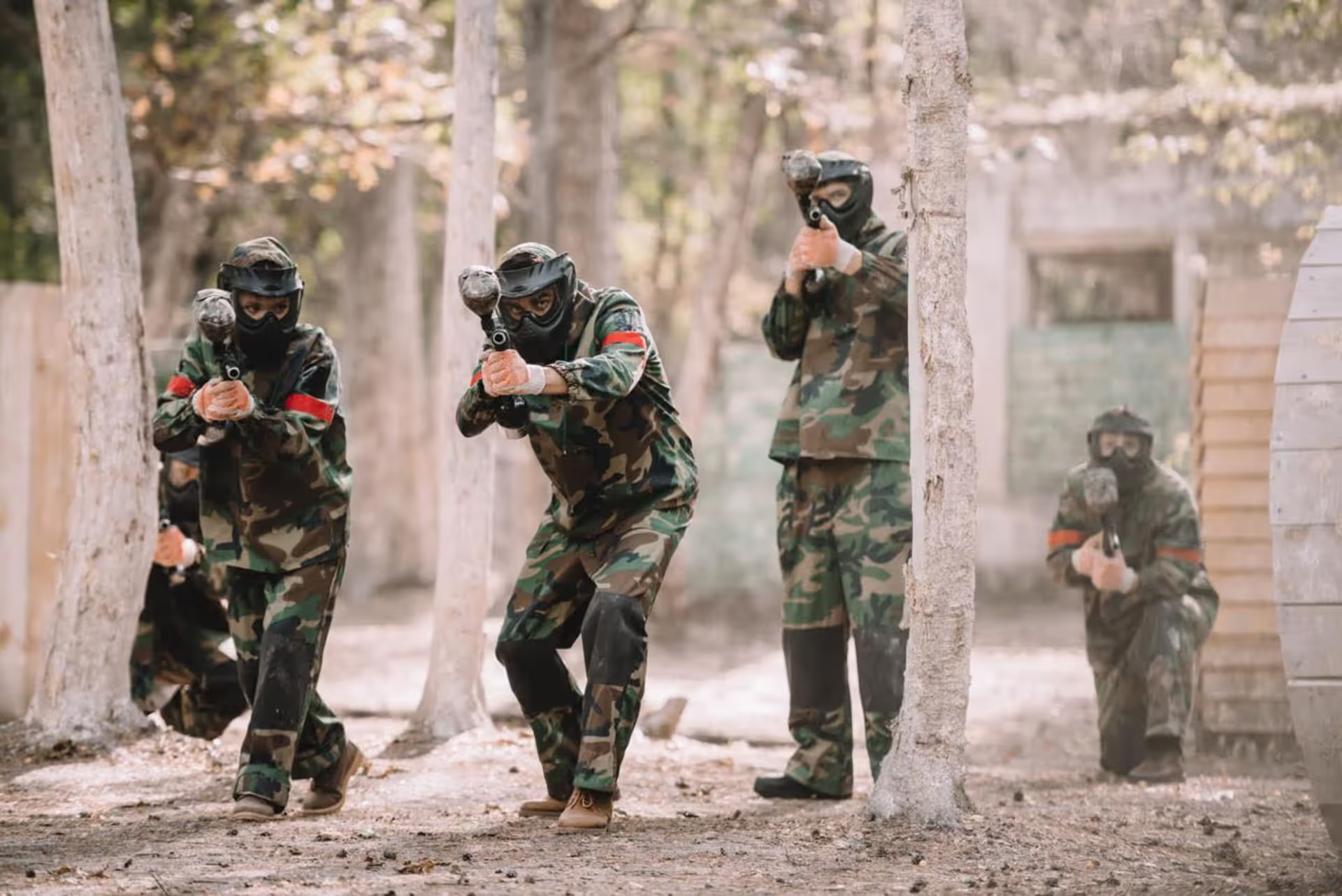
Teamwork and adrenaline on the paintball field
Paintball for Teens Guide

Content
Paintball has become one of the most popular outdoor activities for teenagers across the United States, combining physical exercise, strategic thinking, and social interaction in ways few other sports can match. For parents researching whether paintball suits their teen—or planning a memorable birthday event—understanding what makes this activity both exciting and safe is essential.
Why Paintball Appeals to Teenagers
The question "is paintball fun for teenagers?" gets answered quickly once teens step onto the field. Unlike passive entertainment, paintball demands full engagement: players must communicate with teammates, adapt strategies mid-game, and make split-second decisions under pressure. This combination of mental and physical challenge creates an adrenaline rush that resonates particularly well with the 13–17 age group.
Teenagers gravitate toward paintball because it offers legitimate autonomy within structured boundaries. They're making real tactical decisions—whether to flank opponents, defend a position, or coordinate a team push—without adults micromanaging every move. The physical component matters too: running between bunkers, diving for cover, and maintaining awareness of multiple threats provides intense exercise that doesn't feel like a workout.
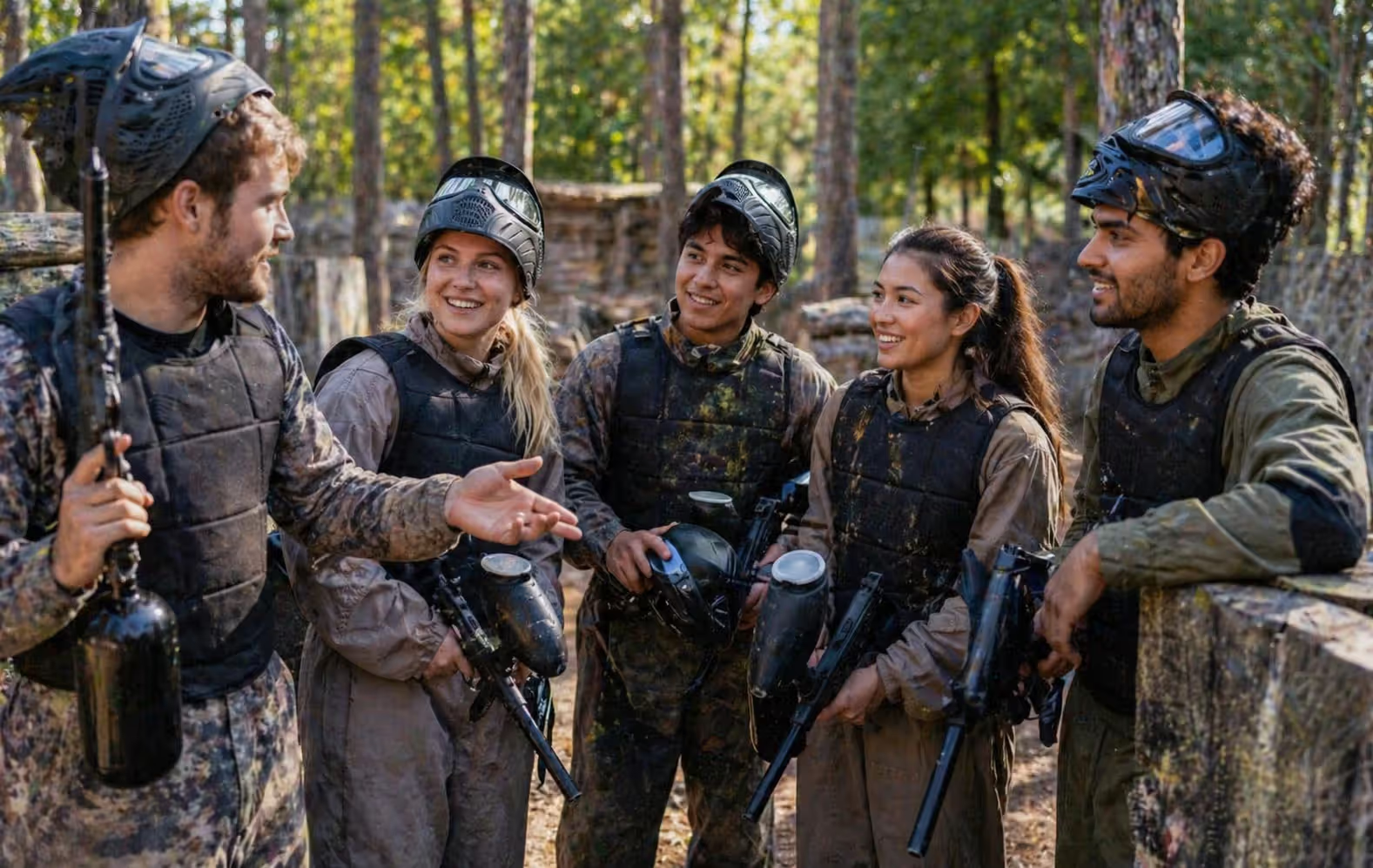
The social dynamics deserve attention. Paintball naturally breaks down social barriers because success depends on cooperation rather than individual status. The quiet kid who excels at strategy becomes valuable; the athlete who's used to solo sports learns to trust teammates. After-game discussions about what worked and what didn't build camaraderie in ways that sitting at a movie theater never could.
As a teen outdoor activity, paintball also addresses a growing concern among parents about screen time. Three hours at a paintball facility means three hours away from phones, genuinely interacting with peers in an environment that rewards communication and teamwork. Many facilities report that teens who initially attend reluctantly often ask to return within weeks.
Author: Caleb Varden;
Source: lakestaytents.com
Age Requirements and Safety Considerations
Most commercial paintball facilities in the United States set their minimum age at 10 years old, though policies vary by state regulations and individual business decisions. The paintball age guide matters because younger players face different considerations than adults, particularly regarding impact force and equipment sizing.
Paintball for 13 year olds typically involves standard equipment with minor modifications. Markers (paintball guns) used in youth sessions are often velocity-restricted to 250 feet per second rather than the 280-300 fps used in adult play. This reduces impact force by roughly 15-20%, making hits less likely to cause bruising while maintaining game integrity. Mandatory full-face masks, chest protectors, and neck guards provide additional protection layers.
Supervision requirements shift based on age. Players aged 10-12 usually need a parent or guardian on-site throughout the session. For paintball for youth aged 13-15, most facilities require signed waivers from parents but don't mandate on-site supervision if the teen is part of an organized group with adult leadership. Players 16 and older typically participate under the same rules as adults, though anyone under 18 still needs parental waiver signatures.
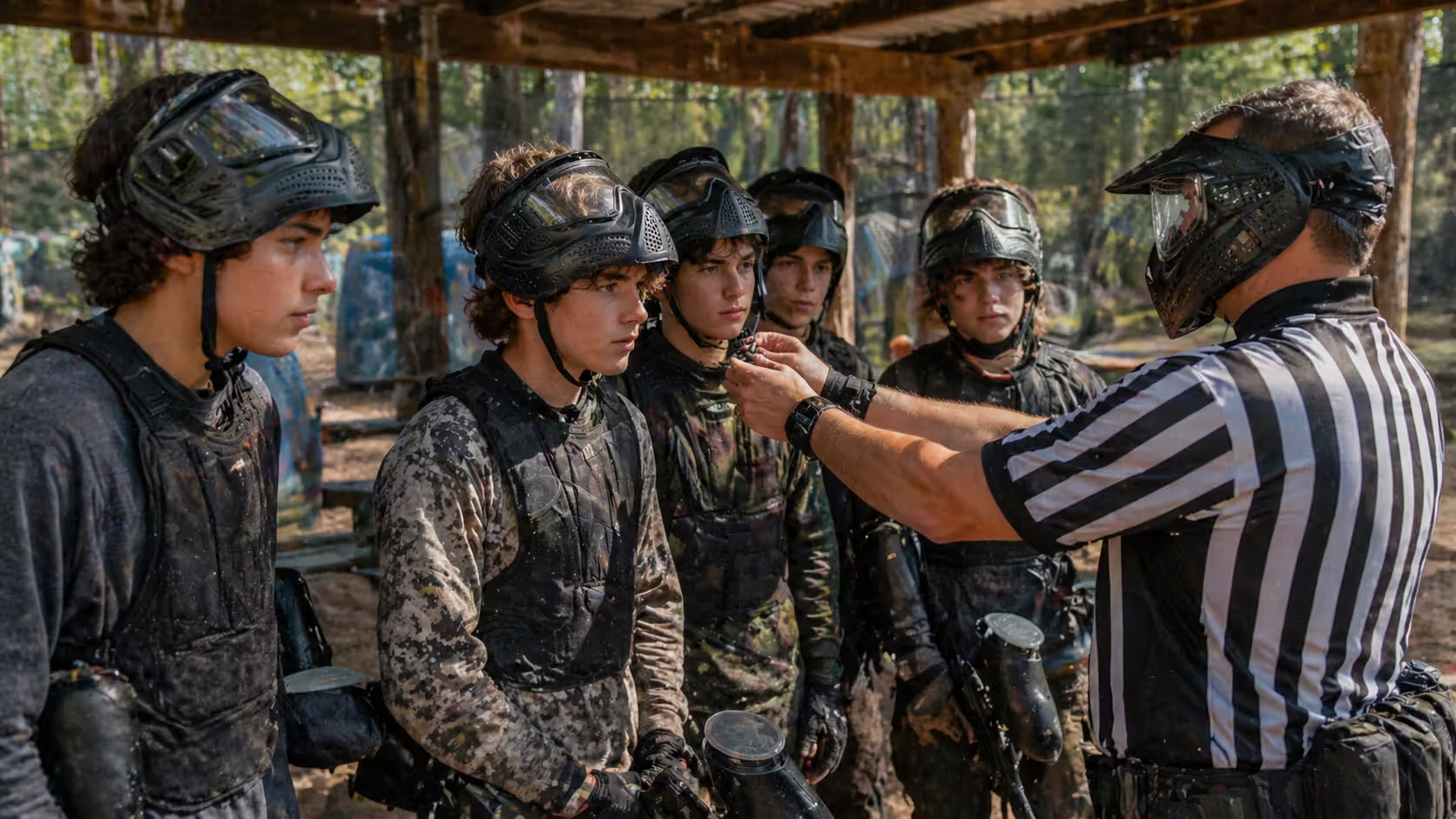
Safety protocols at reputable facilities include mandatory safety briefings before play, chronograph testing of all markers to ensure velocity limits, and referees actively monitoring games. Barrel socks or plugs must remain on markers whenever players are outside designated playing areas. These rules aren't suggestions—facilities will remove players who violate safety protocols, regardless of age.
What to Expect at Age 13 vs. Older Teens
Thirteen-year-olds entering paintball for the first time often experience more initial hesitation about getting hit. Facilities address this by starting younger groups with lower-intensity game formats—capture the flag with larger teams and more cover options rather than elimination rounds. The first few games focus on building confidence and teaching movement patterns.
By ages 15-17, most teens have developed the physical coordination and pain tolerance to participate in standard game formats alongside adults. Older teens frequently request more competitive scenarios: speedball on inflatable bunker fields, scenario games with complex objectives, or tournament-style elimination rounds. Their strategy discussions become more sophisticated, and they're more likely to seek coaching on techniques like snap-shooting or lane control.
The psychological difference matters as much as the physical. Younger teens need more positive reinforcement and breaks between games. Older teens often push themselves harder, sometimes requiring reminders to hydrate and rest. Understanding these developmental differences helps parents set appropriate expectations and choose suitable facilities.
Planning a Teen Paintball Birthday Party
A paintball teen birthday party requires more advance planning than traditional celebrations, but the payoff in memorable experiences justifies the effort. Start by calling facilities 3-4 weeks ahead for weekend dates, especially during spring and fall when demand peaks. Weekday bookings offer more flexibility and sometimes lower rates.
Group size recommendations vary by facility capacity, but 10-15 players creates ideal dynamics for teen paintball party events. Smaller groups mean longer wait times between games; larger groups can become chaotic for younger teens who need more structured guidance. Most facilities set minimum group sizes (typically 8-10 players) for private party bookings, though teens can join open-play sessions with smaller groups.
Package options typically include several tiers. Basic packages cover field entry, equipment rental (marker, mask, hopper, air tank), and a starter allotment of paintballs—usually 200-500 rounds per person. Mid-tier packages add extra paintballs, private field time, and sometimes a party area for food. Premium packages might include upgraded markers, unlimited paintballs, private referees, and extended playing time.
Food logistics require attention because most paintball facilities prohibit outside food except birthday cakes due to health regulations and liability concerns. Many facilities operate concession stands or partner with local restaurants for pizza delivery. Plan food for after paintball rather than before—teens playing on full stomachs often regret it. A typical timeline runs: arrival and waiver signing (20 minutes), safety briefing and gear fitting (20 minutes), playing sessions (90-120 minutes), food and cake (45 minutes), and cleanup (15 minutes).
For a teen paintball event celebrating a birthday, consider these often-overlooked details: bring a permanent marker for labeling equipment (teens lose track of whose mask is whose), pack baby wipes for quick cleanups before cake cutting, and designate one non-playing adult to handle photography since players can't carry phones on the field. Confirm whether the facility provides tables and chairs in party areas or if you need to arrange seating.
Author: Caleb Varden;
Source: lakestaytents.com
What Makes a Great Teen Paintball Experience
The best paintball experience for teens balances challenge with accessibility. Field types matter significantly: wooded fields with natural cover suit beginners who need places to hide and regroup, while speedball fields with inflatable bunkers favor faster-paced action that experienced teens enjoy. Many facilities offer both, allowing groups to progress from woods ball to speedball as confidence builds.
Game formats popular with paintball teen group sessions include:
Capture the Flag: Teams compete to grab the opponent's flag and return it to base. This format teaches offensive and defensive roles clearly, making it ideal for mixed-experience groups.
Center Flag: A single flag sits mid-field; first team to capture it and reach the opponent's base wins. Games run faster and emphasize aggressive play.
Elimination: Last team with players remaining wins. This format intensifies quickly but can leave eliminated players sitting out, so facilities often run shorter rounds.
Scenario Games: Story-driven missions like "rescue the hostage" or "defend the fort" add narrative elements that engage teens who enjoy role-playing aspects.
Skill-building opportunities enhance the experience beyond simple shooting. Better facilities teach proper stance, how to use bunkers effectively, communication protocols (like calling out opponent positions), and basic tactics such as bounding overwatch. Teens who grasp these concepts often become group leaders in subsequent games, building confidence that extends beyond paintball.
How facilities cater to younger players reveals their quality. Look for staff who actively coach rather than just referee, fields maintained with clear boundaries and hazard-free terrain, and rental equipment that's genuinely clean and functional. Some facilities designate specific time blocks for youth-only play, preventing situations where teens face adult players who take the game too seriously.
Cost Breakdown for Teen Paintball Events
Understanding pricing structures helps parents budget accurately and avoid surprise charges. Individual walk-on play typically costs $30-50 for entry and basic equipment rental, with paintballs sold separately at $15-25 per 500 rounds. A teen who plays conservatively might use 200-300 paintballs in a two-hour session; aggressive players can burn through 500+ rounds easily.
Group packages for a paintball teen birthday or organized event usually run $35-60 per person for basic offerings. This generally includes field admission, equipment rental, 200-500 paintballs, and 2-3 hours of playing time. Mid-tier packages ($50-75 per person) add extra paintballs (500-1000 rounds), private field reservations, and sometimes pizza or drinks. Premium packages ($75-100+ per person) might include unlimited paintballs, upgraded markers, private referees, and extended time.
Hidden costs catch unprepared parents. Many teens underestimate paintball consumption and need additional purchases mid-session. Paint prices at facilities run higher than bulk online rates, but facilities prohibit outside paint due to quality control and liability. Budget an extra $10-20 per teen for additional paintballs beyond package allotments.
Equipment upgrades present another decision point. Standard rental markers work fine for most teens, but some facilities offer upgraded electronic markers for $10-20 extra. These shoot faster and more consistently but don't necessarily improve beginner performance. Better investments include neck protectors ($5 rental) and padded gloves ($3-5 rental) that meaningfully reduce discomfort.
Budget tips from experienced parents: book weekday sessions when available (often 15-20% cheaper), join facility email lists for discount codes, consider off-season dates (winter months in most regions) for better rates, and ask about group discounts that kick in at specific thresholds. Some facilities offer "bring your own equipment" discounts if teens have their own masks or markers, though rentals make more sense for occasional players.
For a typical teen paintball party with 12 participants, expect total costs of $600-900 including mid-tier packages, extra paintballs, pizza, and incidentals. This breaks down to roughly $50-75 per attendee—comparable to other popular teen birthday activities like trampoline parks or escape rooms but with significantly more physical activity and team-building value.
We've hosted thousands of teen events over the past decade, and the developmental benefits consistently surprise parents. Teens who struggle with confidence in traditional sports often thrive in paintball because success comes from strategy and communication, not just athletic ability. We see quieter kids emerge as team leaders, and groups that arrive as loose acquaintances leave as cohesive units. The safety record speaks for itself—in 2025, we ran 847 youth events without a single injury requiring more than basic first aid.
— Marcus Chen
Common Mistakes Parents Make When Booking
Waiver oversights cause preventable delays. Most facilities require parent or guardian signatures for anyone under 18, and "I'll sign when I get there" doesn't work if the parent isn't actually attending. Some facilities accept emailed or online waivers completed in advance; others require original signatures. Clarify requirements when booking, and for parties, send waiver links to other parents at least a week ahead with a firm deadline.
Clothing choices dramatically affect comfort and enjoyment. Parents who let teens wear basketball shorts and t-shirts create problems—paintball involves crawling, diving, and sliding. Welts on bare legs hurt considerably more than hits on denim-covered skin. Proper attire means long pants (jeans or athletic pants), long-sleeve shirts, closed-toe shoes with ankle support, and clothes no one cares about staining. Spring and fall weather tempts teens to dress light, but they'll thank you for insisting on coverage after the first hit to an exposed forearm.
Time underestimation frustrates everyone. Parents who book two-hour sessions and expect to arrive, play, eat cake, and leave within that window create rushed experiences. Factor in 30-40 minutes for arrival, waivers, and gear fitting before playing starts. If including food, add another 45 minutes post-play. A proper teen paintball event needs 3.5-4 hours total, not the 2 hours of field time in the package.
Age policy assumptions cause last-minute problems. "My son is almost 10" doesn't satisfy facilities with firm age minimums. Some parents assume older siblings can supervise younger ones, but facilities require adult supervision regardless of sibling age gaps. Confirm exact age requirements and supervision policies during booking, not upon arrival.
Transportation logistics get overlooked for larger groups. Twelve teens rarely arrive in one vehicle, and coordinating multiple parent drop-offs without clear communication leads to stragglers showing up 30 minutes late. Create a group chat, share the facility address with GPS coordinates, specify arrival time as 15 minutes before the booking starts, and designate one parent as the coordination point for questions.
Age-Based Paintball Guidelines
| Factor | Ages 10-12 | Ages 13-15 | Ages 16-18 |
| Minimum Age Policy | Accepted at most facilities; some require 10+ only | Standard admission at all facilities | Full adult participation rights |
| Gear Modifications | Reduced-velocity markers (240-250 fps); mandatory chest protectors | Standard markers (250-280 fps); chest protectors recommended | Adult equipment (280-300 fps); optional padding |
| Supervision Needs | Parent/guardian on-site required | Signed waiver sufficient for organized groups | Waiver only; no on-site supervision needed |
| Recommended Game Types | Large-team capture the flag; woods ball with heavy cover | Mixed formats; introduction to speedball | All formats including competitive tournament-style |
| Typical Session Length | 90-120 minutes maximum | 2-3 hours | 3-4 hours or full-day events |
| Pain Tolerance | Lower; needs frequent encouragement | Moderate; handles standard play well | Similar to adults |
FAQ
Paintball offers teenagers an activity that checks multiple boxes parents value: physical exercise, strategic thinking, genuine social interaction, and outdoor time away from screens. The initial research investment—understanding age requirements, safety protocols, and cost structures—pays dividends in creating memorable experiences whether for casual outings or birthday celebrations.
Success comes from matching expectations to reality. First-time teen players need patience, proper gear, and game formats that build confidence rather than intimidate. Birthday parties require more planning than traditional celebrations but deliver uniquely engaging experiences that teens actually remember years later. Facilities that prioritize safety, maintain quality equipment, and employ staff who understand youth dynamics make the difference between a good outing and a great one.
The mistakes parents make—overlooking waivers, underestimating time needs, choosing inadequate clothing—are all easily avoidable with basic preparation. The costs, while higher than passive entertainment, reflect the comprehensive nature of the experience: equipment, insurance, staffing, and facility maintenance all factor into pricing that remains competitive with comparable teen activities.
For parents wondering whether paintball suits their teenager, the answer usually becomes clear within the first session. Teens who enjoy strategic games, physical challenges, and team dynamics typically embrace paintball enthusiastically. Those who prefer individual activities or dislike competitive elements may find it less appealing, but many surprise themselves once they experience the actual gameplay versus their assumptions.
The growth of youth-focused paintball facilities and refined safety standards have made this sport more accessible and appropriate for teenagers than ever before. With proper preparation and realistic expectations, paintball provides an outlet for teen energy and social needs that few other activities can match.