How to Find and Choose Paintball Places?

Content
Your buddy Dave won't shut up about the game last weekend. Shows you the bruise on his shoulder every chance he gets. Now he's texting the group chat: "Next Saturday, you're coming."
Maybe it's different. Your twelve-year-old watched some TikTok and decided only a paintball birthday will do. No cake-and-pizza party this year.
Whatever got you here, you've got the same problem: which facility do you actually call?
Pick wrong and you're dropping seventy bucks to stand around in the heat with broken equipment. Get it right though? You'll understand why some people clear entire Saturdays for this.
The US has around 3,400 paintball operations. Some maintain proper insurance, hire trained referees, and replace equipment regularly. Others operate out of Jerry's back forty with plywood barriers and a tackle box for collecting cash. Figuring out which is which before you show up saves considerable frustration.
Types of Paintball Fields and Venues
The facility type shapes your entire experience—slow tactical missions versus rapid-fire elimination matches.
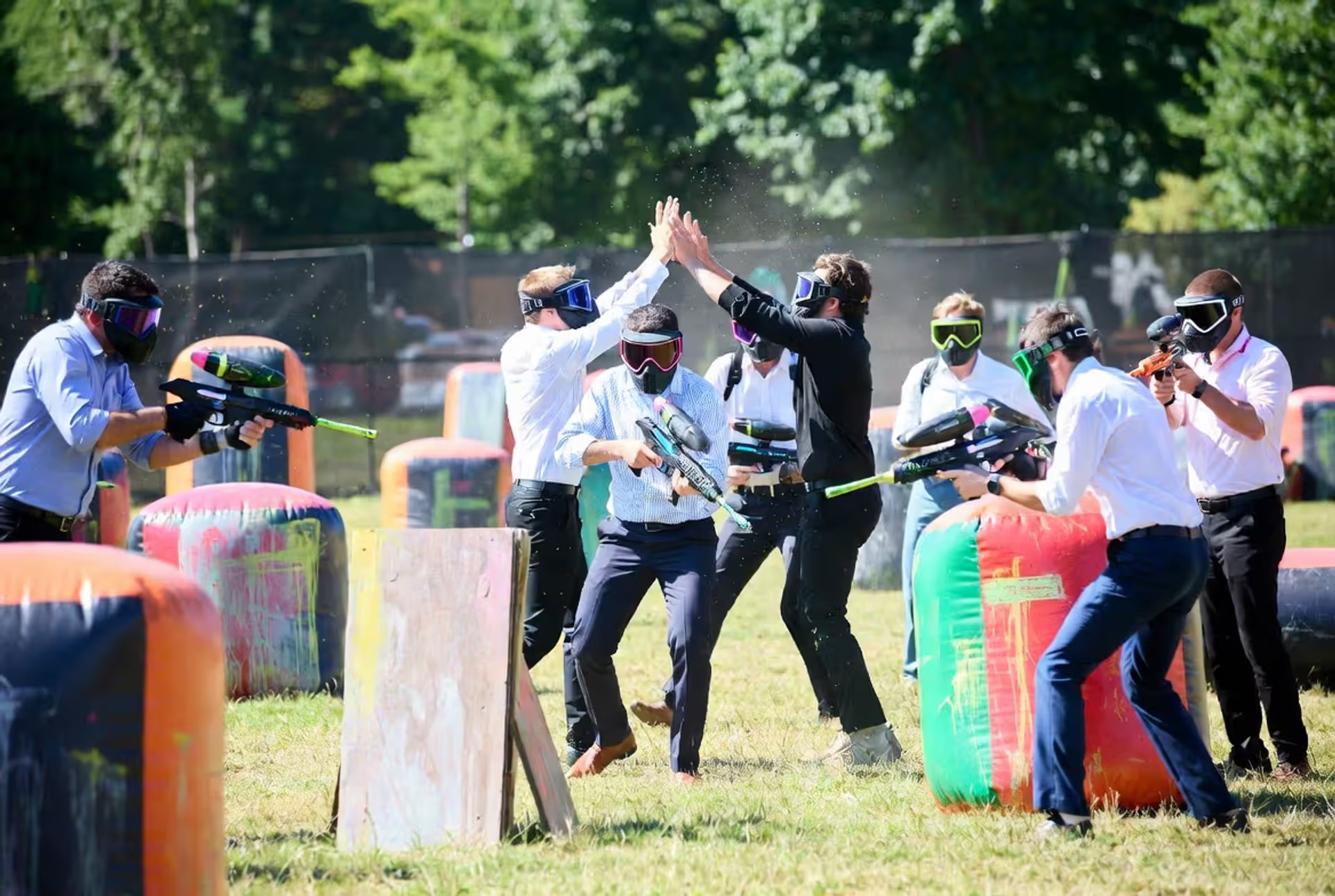
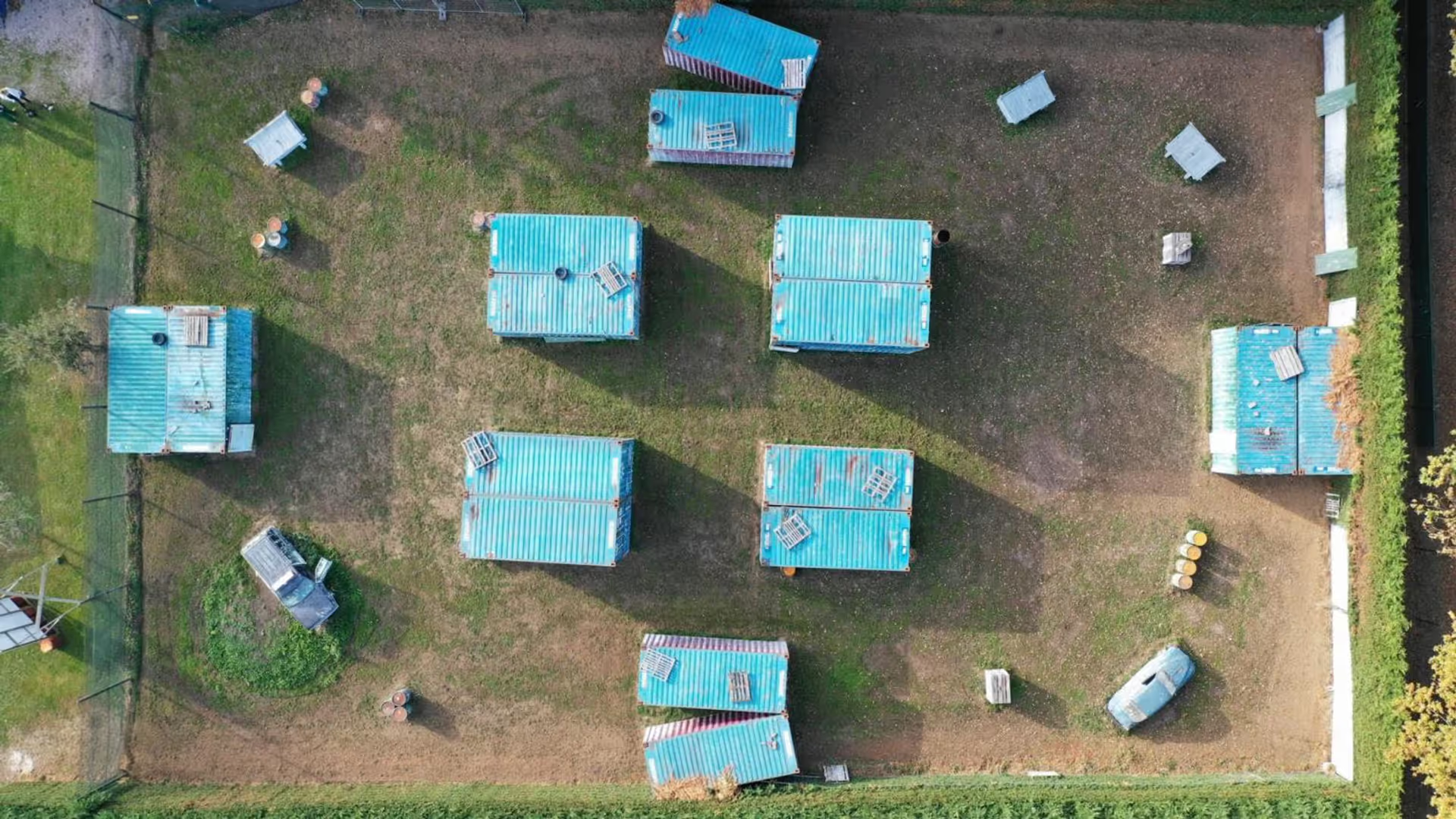
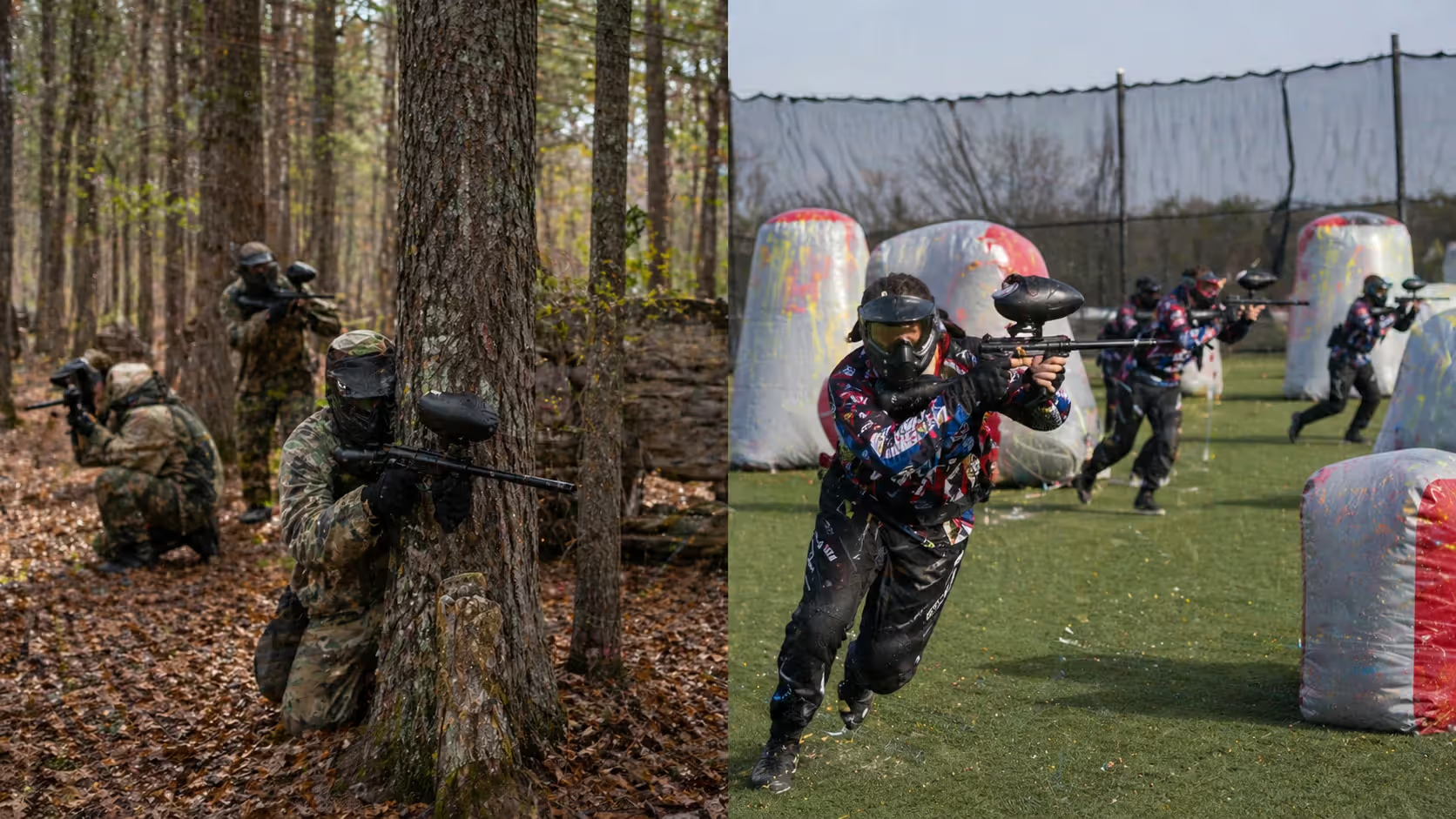
Most places operate outdoor fields. These range from untouched forest terrain to open areas filled with purpose-built structures. Natural woods setups mean you're climbing real hills, crossing creek beds, using actual trees for cover. Think capture-the-flag but everyone's shooting paint. Constructed outdoor fields feature mock buildings, abandoned vehicles, stacked pallets—one place I visited had built an entire Western town. Weather becomes a factor though. Playing through August afternoons in full gear demonstrates exactly how fast you can get dehydrated.
Indoor warehouses eliminate weather concerns entirely. Converted commercial spaces with artificial turf, inflatable obstacles, controlled temperatures. Games move faster because less square footage means nowhere to disappear. You lose the immersive outdoor atmosphere but gain reliability—no rained-out Saturdays.
Woodsball environments attract players who enjoy tactical thinking. Real terrain creates situations you can't predict. Objectives get specific: extract this hostage, defend three control points, protect the convoy. Single rounds sometimes last thirty minutes. People who spent childhoods playing army or got really into Call of Duty campaigns tend to prefer this format. Movement stays deliberate rather than frantic.
Speedball arrangements represent competitive paintball's tournament side. Symmetrical field. Inflatable bunkers in designated patterns. Rounds finish in maybe four minutes. Everyone sprints, communicates constantly, shoots fast. My first speedball attempt after six months of casual woodsball? Eliminated in under a minute because I played it like a stealth mission. Wrong approach entirely.
Recreational venues design operations around people who've never touched a marker. Staff over-communicate everything. Equipment emphasizes safety over performance. Game rules stay simple—eliminate the other team, grab their flag, nothing complicated. Referees actively manage matches instead of just monitoring. Bringing your nervous girlfriend or your dad who hasn't run anywhere since 1987? You want recreational facilities.
Competition centers serve tournament teams and dedicated hobbyists. Fields meet specific regulation dimensions. They assume you already understand basic etiquette and rules. The skill difference between weekend warriors and regulars gets uncomfortable fast—technically beginners can play, but getting demolished by people who practice three times monthly isn't everyone's idea of fun.
Author: Logan Mercer;
Source: lakestaytents.com
What Makes a Good Paintball Location
Slick Instagram photos and a nice website don't tell you whether the actual operation functions well.
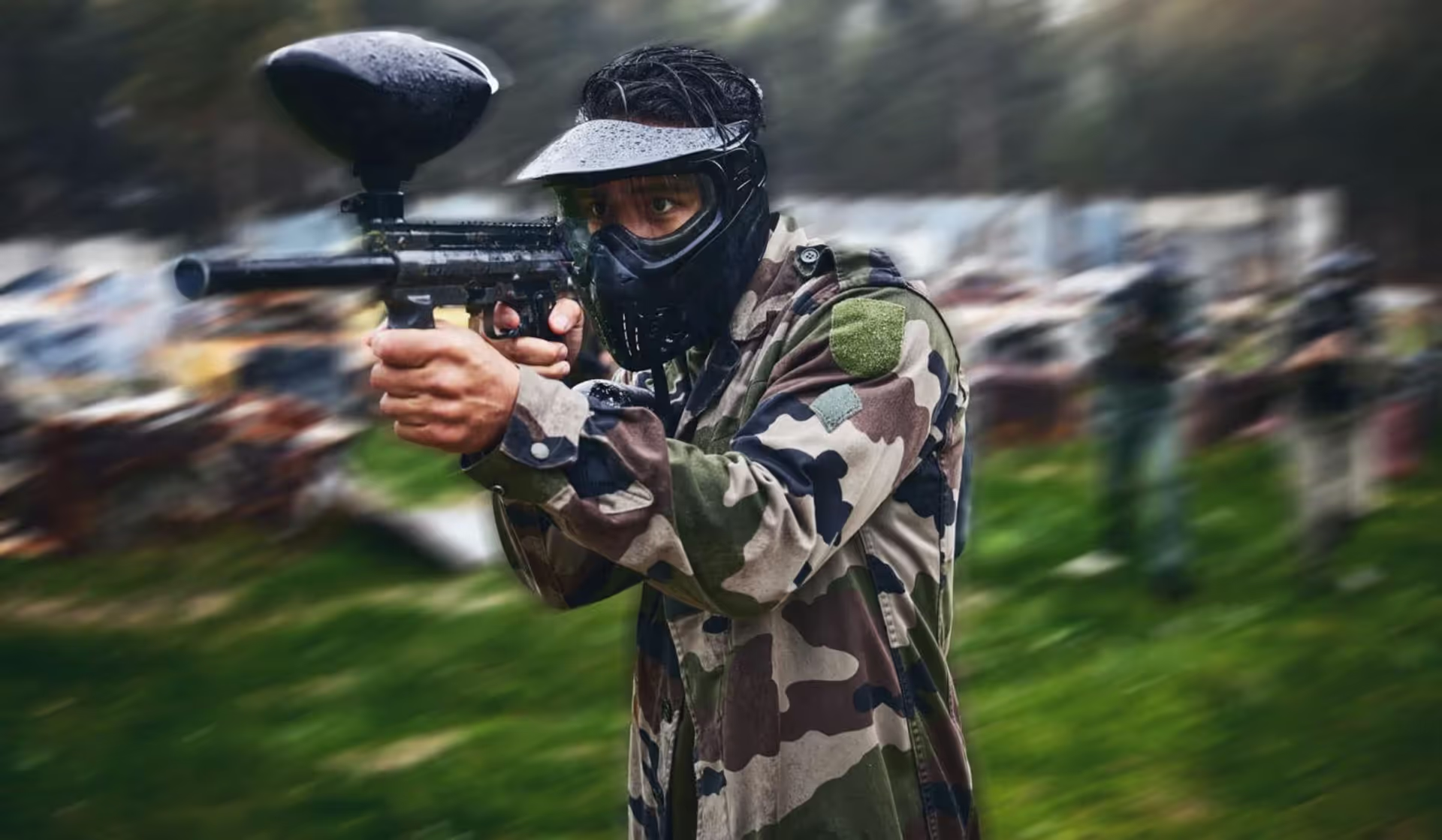
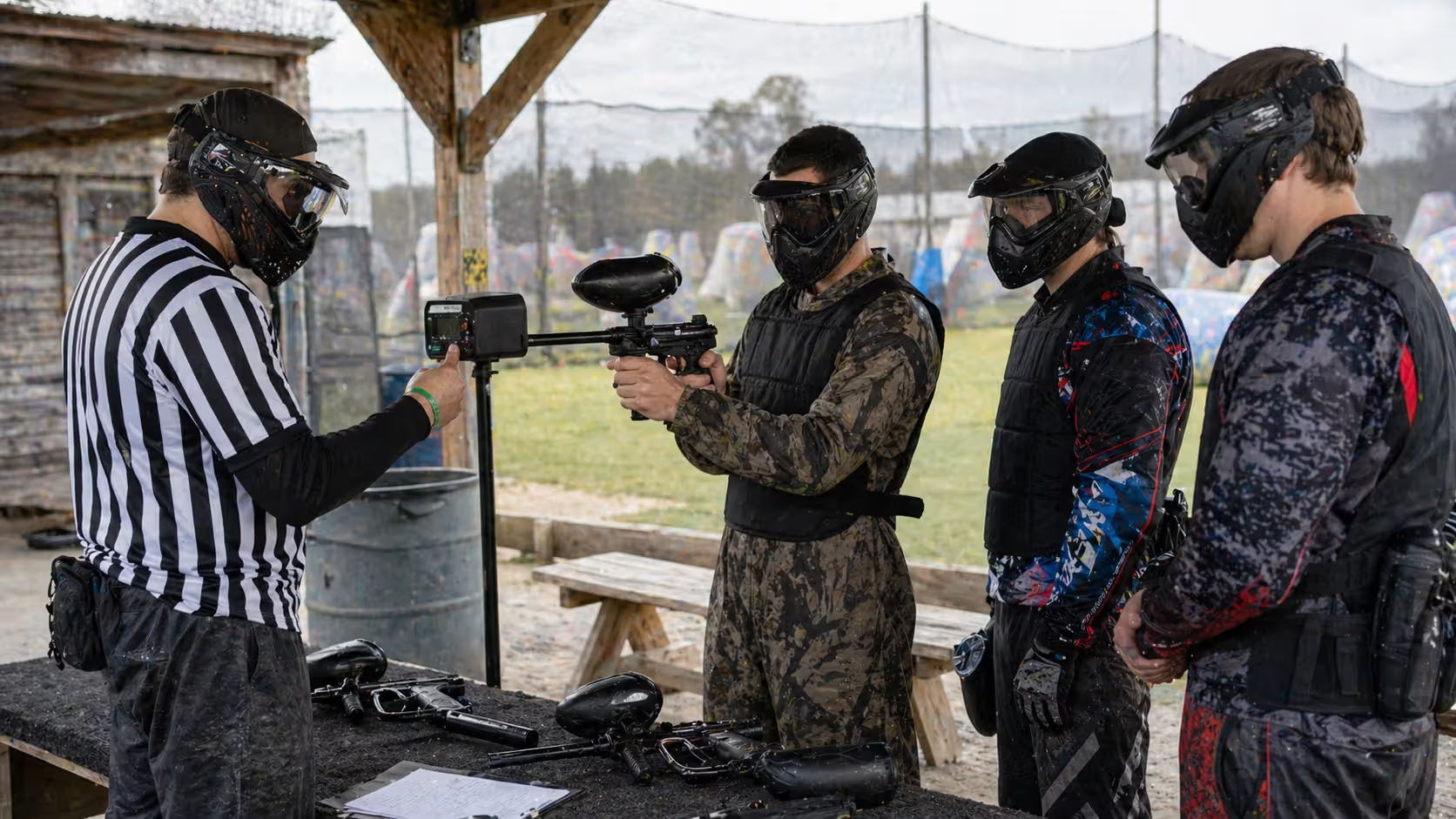
Safety culture matters more than everything else combined. Quality operations enforce barrel plugs obsessively—every marker gets blocked before anyone leaves active playing zones. They chronograph equipment, verifying nothing exceeds safe velocity. Masks stay on in playing areas without negotiation. Referees eject violators immediately. Phone ahead and ask about their safety protocols. Good facilities discuss this enthusiastically and specifically. Vague responses or defensiveness tells you plenty.
Maintenance standards separate actual businesses from weekend side hustles. Visit the property before booking a big group if possible. Check bunkers for protruding nails or sharp metal edges. Playing surfaces should be reasonably clear—I've seen facilities where hidden holes and debris made running legitimately dangerous. Overgrown vegetation blocking sight lines suggests the operator stopped caring months ago.
Rental gear condition varies dramatically. Some operations rent markers that haven't functioned correctly since Obama's first term. Others provide current-generation equipment that shoots where you aim. Masks matter even more. Budget single-pane versions fog within seven minutes, essentially blinding you. Dual-pane thermal lenses prevent fogging but cost more initially, so cheaper operations skip them. When calling, ask which specific models they rent and when they last upgraded inventory.
Staff capability determines whether you have an organized experience or complete chaos. Good referees explain rules clearly without talking down to anyone. They watch actively for safety violations and intervene early. When equipment breaks—and markers do break—they swap it out quickly. Bad referees check their phones while experienced players unnecessarily light up kids who don't know better, and nobody steps in.
Extra amenities improve comfort without being essential. Covered staging areas beat standing in direct sun between rounds. Real bathrooms instead of a single porta-potty behind the parking lot. Adequate parking when you're coordinating twelve vehicles. Some places add pro shops, food trucks, or air-conditioned lounges. Nice additions, sure. Just don't let them distract from core factors—field quality, equipment condition, safety enforcement.
Author: Logan Mercer;
Source: lakestaytents.com
How to Search for Paintball Fields in Your Area
Finding a decent facility requires more effort than clicking the top Google result.
Google Maps searches provide the basic landscape. Type "paintball near me" and check what appears. Here's what actually matters: review volume counts as much as rating average. A location with 190 reviews averaging 4.3 stars gives you reliable data. One with 9 reviews all showing 5 stars? Could be family members. Read negative reviews completely—patterns emerge fast. When four separate reviews mention broken rental equipment or concerning safety practices, believe them.
Review platforms like Yelp add another perspective. Prioritize detailed feedback over short comments. "Had a blast!" provides zero useful information. "The referee Marcus spent extra time helping my nervous ten-year-old adjust his mask and checked on him between games" tells you the staff gives a damn. Look for reviewers describing specific experiences rather than generic enthusiasm.
Local Facebook groups connect you with active players in your area. Search for regional paintball communities. Members discuss current conditions, organize games, warn about problems. Someone posts asking for bachelor party venue suggestions and you'll get honest opinions instead of marketing copy. Old paintball forums still exist but most activity migrated to Facebook years back.
Direct recommendations from actual players beat any online research if you know anyone who plays regularly. They'll tell you "Venue A has excellent woods layout but rental masks fog constantly" or "Venue B costs more but referees actually enforce rules consistently." That context prevents learning through expensive trial and error.
Distance considerations deserve realistic thought. A facility fifty-eight minutes away sounds manageable until you're coordinating schedules, hitting Saturday traffic, and realizing a closer option would let you play twice as often. That said, proximity alone shouldn't decide everything. A mediocre field twelve minutes away delivers less value long-term than an excellent one forty minutes out—assuming quality experience matters more than pure convenience.
Comparing Paintball Parks: What to Look For
You've identified five possible venues. Now compare them systematically instead of picking whichever one your friend's roommate mentioned.
Cost structures differ significantly. Some charge all-inclusive per-person rates covering admission, rentals, and starting paint supply—usually 200-500 rounds. Others itemize everything: twenty-two dollars field fee, twenty-eight dollars rental package, sixteen dollars for 200 paintballs. Total costs typically land between forty-eight and eighty-eight dollars per person for standard half-day sessions. Additional paint runs roughly fifty to seventy-five dollars per 2,000-round case. Budget venues lure you with thirty-eight dollar packages until you realize the included paintballs last twelve minutes and the rental mask fogs immediately. Premium facilities charge eighty to ninety-eight dollars but provide functioning equipment and enough paint to actually play.
Group pricing discounts larger parties. Ten to twenty people usually qualifies—maybe seven to fourteen dollars off per person plus guaranteed playing time. Compare what's actually bundled though. Some packages include lunch, extended hours, and dedicated field access. Others knock a few bucks off regular pricing and call it a "group rate."
Rental standards require direct investigation. Request photos of actual rental inventory, not manufacturer stock images. Which marker models specifically? When did they last upgrade the fleet? Electronic markers from recent years shoot consistently. Mechanical models from 2009 don't. For masks, thermal dual-pane lenses are non-negotiable. Single-pane guarantees you'll spend half the day unable to see through fog.
Field variety prevents boredom during longer sessions. One speedball field limits options significantly. Three distinct layouts—woods, speedball, scenario—lets you experience different play styles in a single visit. Variety matters more when booking all-day or planning to return regularly.
Booking terms affect flexibility more than people expect. Some welcome walk-ons anytime during operating hours. Others demand forty-eight-hour advance booking with non-refundable deposits. Cancellation policies range from full refunds with two-day notice to "we keep deposits regardless of reason." Get these terms documented before committing, especially for large group bookings.
The difference between adequate paintball operations and exceptional ones comes down to consistency. Plenty of operators can build nice obstacles or clear woodland trails. The standout facilities maintain equipment religiously, invest in ongoing staff training, and treat every single group—whether it's a bachelor party or a ten-year-old's birthday—with identical professionalism.
— Marcus Chen
Walk-On Play vs. Private Reservations
Walk-on sessions mean showing up during designated public hours (typically weekends) and joining whoever else appears. Works great when you've got two to four people and don't mind playing with strangers. You'll encounter mixed ability levels—some players have three years of experience, others are shooting a marker for the first time. How enjoyable this becomes depends partly on luck and partly on whether referees balance teams thoughtfully.
Private bookings guarantee your group plays exclusively together. Costs more—either a per-person minimum (typically 10-15 players) or flat booking fee ranging four-seventy to nine-fifty depending on facility and time block. Birthday parties, corporate events, and bachelor parties typically go this route. You control exactly who participates, avoiding that one overly aggressive random player who ruins everyone's mood.
Beginner-Friendly vs. Advanced Fields
Beginner-oriented venues structure everything around first-timer success. Staff explain rules repeatedly without making anyone feel stupid. Game formats stay straightforward: eliminate opponents, capture the flag, defend a position. Terrain avoids technical challenges—no steep ravines or treacherous footing. Many separate experienced players from novices during public sessions, preventing complete mismatches where veterans dominate overwhelmingly.
Advanced-focused facilities assume you understand basics already. Game formats grow complex: multiple simultaneous objectives, respawn mechanics, role-based play like medic, heavy gunner, scout. Tournament fields expect fast competitive play with minimal referee hand-holding. Nothing prohibits beginners from playing at these facilities, but the skill gap becomes obvious quickly. Starting here works for natural athletes with prior team sport experience. Most people benefit from several beginner sessions first.

Author: Logan Mercer;
Source: lakestaytents.com
Common Mistakes When Choosing a Paintball Venue
Even players with some experience make these errors selecting where to play.
Relying solely on star ratings without reading actual reviews hides critical patterns. That 4.4-star average looks acceptable until you notice positive reviews stopped sixteen months ago while negative ones cluster recently. Or maybe 91% of reviews praise the place but the 9% negative ones all mention identical safety concerns. Star ratings summarize data. Detailed reviews reveal reality.
Skipping advance calls creates preventable problems. Websites lag behind reality—hours change, fields close for private events, seasonal operations shut down November through March. Call twenty-four to forty-eight hours before visiting. Confirm they're open, have capacity for your group size, can accommodate special requests. This phone call also tests staff responsiveness. If they're rude or indifferent on the phone, expect the same treatment in person.
Overlooking safety records puts everyone at unnecessary risk. Serious paintball injuries remain uncommon, but facilities with lax safety culture experience preventable incidents that better operations avoid entirely. During initial contact, ask about safety procedures—mask requirements, marker velocity limits, minimum engagement distances, how they handle violations. Facilities with strong safety programs discuss this enthusiastically. Reluctance or defensiveness serves as a warning sign.
Choosing purely on price typically backfires. The cheapest option probably cuts costs somewhere: outdated gear, undertrained staff, poor field maintenance, or tiny paint allocations forcing additional purchases. You save sixteen dollars on admission then spend fifty on extra paintballs because they included only 100 rounds. Or you save twenty-two dollars but rent a mask that fogs constantly, ruining everything. Mid-tier pricing usually delivers best overall value.
Forgetting to verify minimums for private bookings causes last-minute scrambles. You commit to Saturday with 12 confirmations for a private party requiring a ten-player minimum. Three cancel. Now you either pay for ten regardless of actual attendance, or forfeit your deposit and time slot. Clarify these terms before booking, and build cushion when possible—book for sixteen if you've got nineteen people committed.
What to Expect on Your First Visit
Understanding how a typical session flows reduces first-timer anxiety and helps you prepare appropriately.
Check-in process starts with paperwork. Bring valid ID because everyone signs liability waivers. Minors need parent or guardian signatures—some facilities accept pre-completed online waivers, others require in-person signing. You'll settle remaining fees (if you didn't prepay) and get assigned player numbers or group designations. Plan to arrive roughly thirty minutes early. Nobody enjoys rushing through check-in while your entire group stands around waiting.
Safety briefings cover essential rules every player must follow. Mask requirements—exactly when they stay on (everywhere except marked safe zones) and what happens if you remove them on the field (immediate ejection from facility, zero refund). Barrel blocking procedures. Velocity limits and chronograph testing. Surrender protocols letting you call out opponents at close range rather than shooting point-blank. Field boundaries and restricted areas. Listen carefully even if you've played elsewhere. Rules vary between facilities, and missing site-specific details can get you removed.
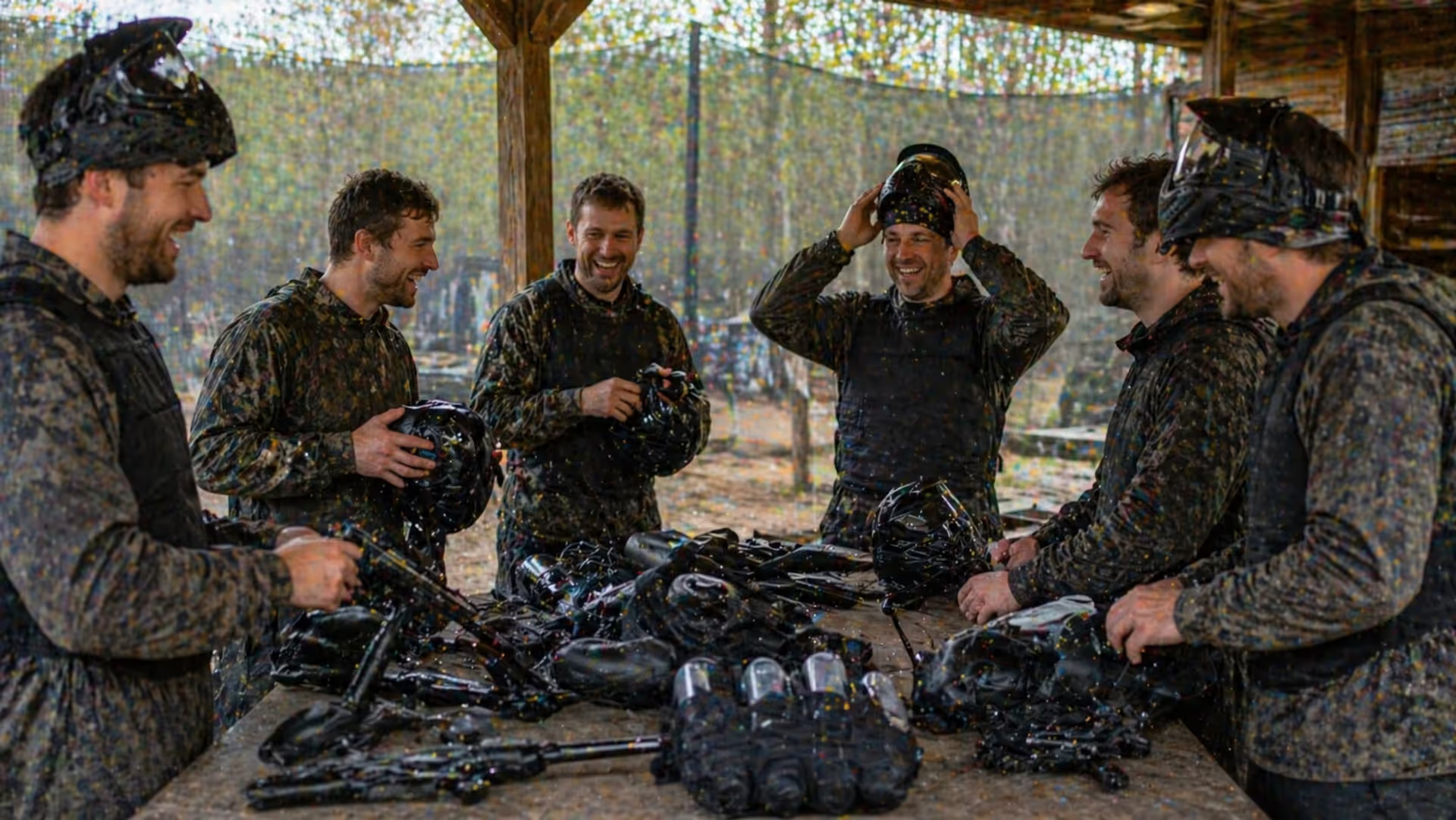
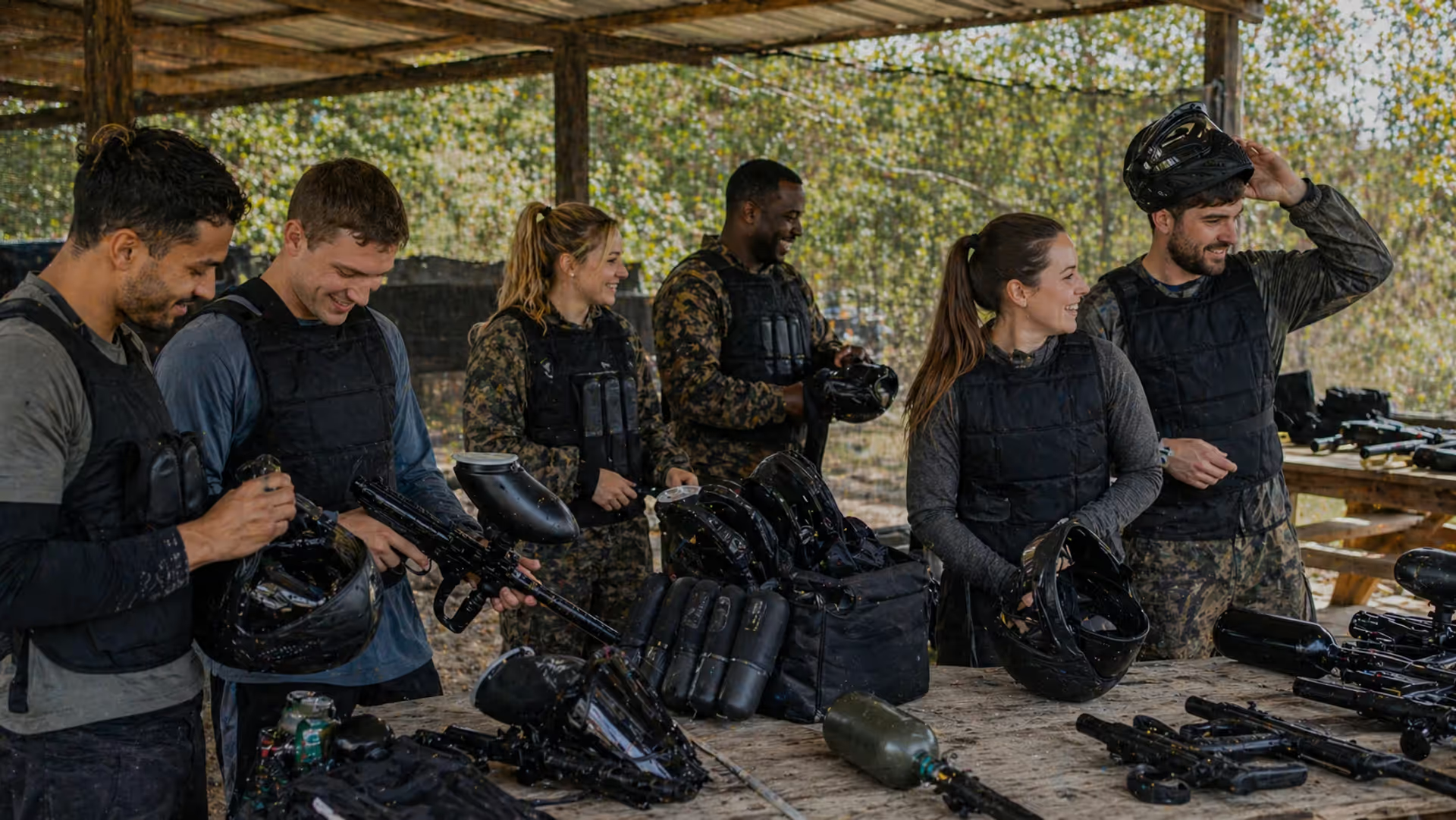
Gear distribution happens after orientation. Staff size you for a mask, provide a marker, hopper (holds paintballs) and air tank. Speak up immediately if something feels off—a loose mask slips or fogs, a too-tight mask pinches painfully, an improperly attached air tank can detach mid-game. Ask about anything confusing. "How do I tell when I'm out of air?" and "What if my marker jams?" are completely normal questions staff answer constantly.
Typical game formats for recreational play include straightforward objectives. Team elimination: last team with active players wins. Center flag: both teams rush the middle to grab a flag and bring it to the opponent's start point. Attack and defend: one team protects a position while the other tries capturing it. Games typically run ten to twenty minutes, with breaks between rounds for refilling hoppers, adjusting gear, and recovering. You'll feel more exhausted than expected—adrenaline combined with running around in summer heat works effectively.
Time blocks for standard packages typically span two to four hours, though actual playing time depends on how fast you use paintballs. Expect four to eight games during a half-day booking. Between games, you'll return to staging, reload, fix equipment issues, hydrate, and rest briefly. Newer players often burn through their paint allocation in the first two games, then either purchase more or sit out later rounds. Pace yourself—aiming carefully wastes fewer paintballs than constant spraying.
| Factor | Outdoor Facilities | Indoor Facilities |
| Typical Cost Per Person | $45-75 | $50-85 |
| Weather Impact | Substantial—rain, extreme heat, and cold all affect whether you can play | Minimal—climate controlled environment |
| Average Field Size | 5-20+ acres | 10,000-30,000 square feet |
| Common Game Types | Woodsball, scenario games, recreational formats | Speedball, tournament practice, recreational formats |
| Best For | Tactical-minded players, large groups, scenario enthusiasts | Year-round players, tournament competitors, weather-averse players |
Frequently Asked Questions About Paintball Locations
The right paintball venue transforms a "let's try this once" outing into "when can we go back?"
Start by determining which venue style matches your preferences—outdoor versus indoor, recreational versus competitive, woodsball versus speedball. Evaluate candidates on safety practices first, then equipment condition, field maintenance, and staff quality. Price deserves consideration but shouldn't dominate decision-making.
Research using multiple information sources: online reviews establish general patterns, local player communities provide insider knowledge, and direct phone conversations reveal how facilities treat potential customers. Compare specific elements like rental gear condition, field variety, and booking flexibility rather than relying solely on star ratings.
Steer clear of typical mistakes: Don't ignore detailed review content, don't assume websites reflect current operations, and don't choose based exclusively on proximity or price. A venue costing thirteen dollars more but maintaining equipment properly and training staff thoroughly delivers superior value compared to the cheapest option cutting corners on safety.
Your initial visit feels less intimidating knowing what's coming: waiver paperwork, safety orientation, gear distribution, and structured game rounds with breaks between matches. Most importantly, select a beginner-friendly operation initially—jumping straight into advanced or tournament facilities can discourage newcomers before they've developed fundamental skills and understanding.
Paintball operations exist throughout America, from small-town setups to massive scenario parks hosting hundreds of players. Investing time researching and comparing options means you'll find one matching your skill level, budget, and preferences—setting you up for an exciting experience worth repeating.