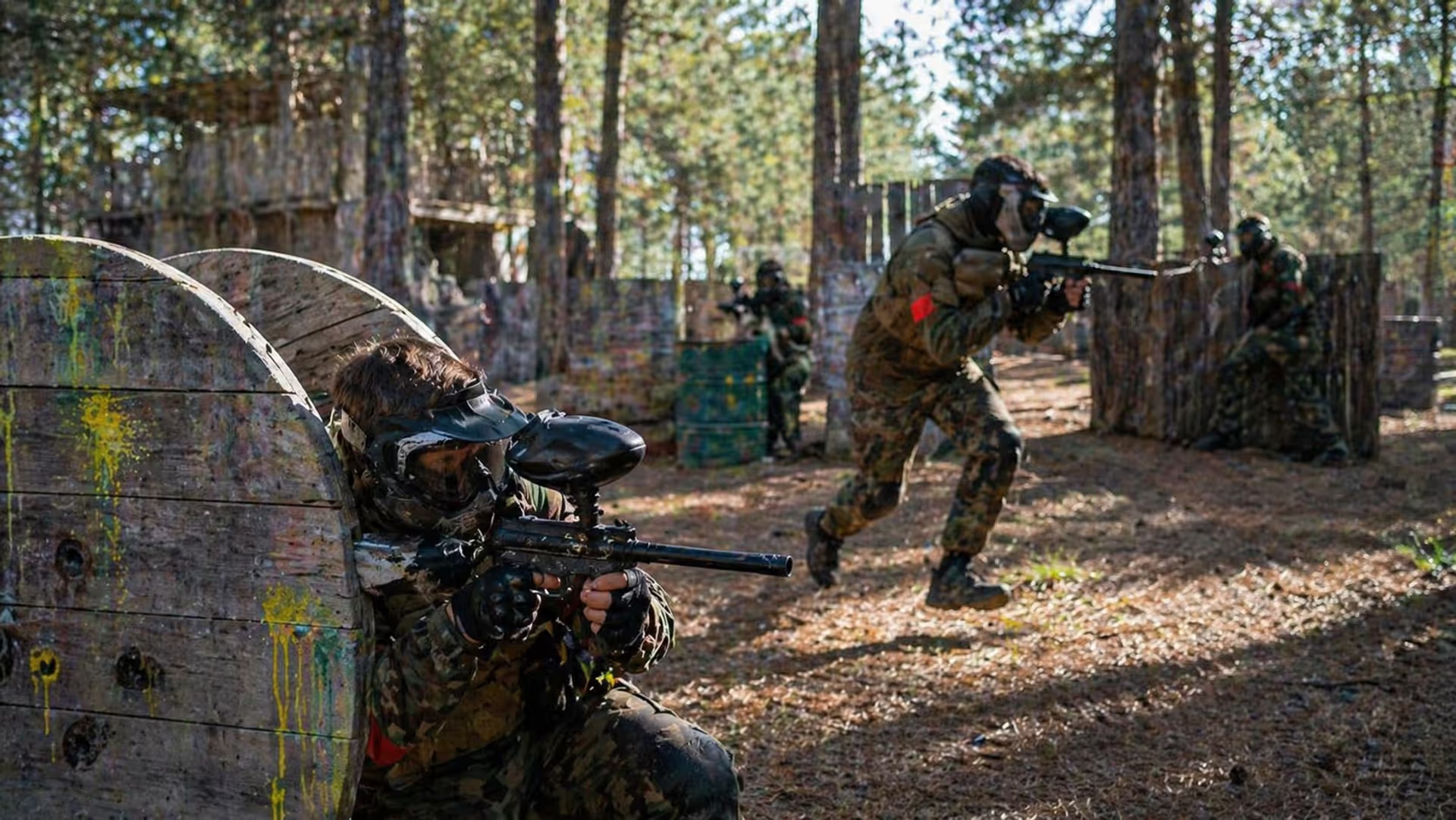
Outdoor paintball experience
Outdoor Paintball Guide

Content
Paintball transforms ordinary weekends into adrenaline-fueled tactical battles. While indoor arenas offer climate-controlled convenience, outdoor paintball delivers an entirely different experience—one where natural terrain, weather conditions, and expansive fields test your strategic thinking and physical endurance in ways that artificial environments simply cannot replicate.
What Is Outdoor Paintball and How Does It Work
Outdoor paintball is a competitive team sport played in open-air environments where participants use compressed-air markers to shoot gelatin capsules filled with water-soluble dye at opposing players. Unlike indoor facilities with inflatable bunkers and flat floors, outdoor paintball takes place across natural terrain—rolling hills, dense brush, creek beds, and tree lines that create organic cover and unpredictable sightlines.
The basic mechanics remain straightforward: two or more teams compete to achieve objectives like capturing flags, eliminating opponents, or defending territory. When a paintball breaks on your body or equipment, you're eliminated from that round. Most rounds run between ten and twenty minutes, though scenario events sometimes stretch for several hours with respawn points and evolving objectives.
What sets the outdoor paintball experience apart is the environment itself. Woodland fields might span anywhere from ten to thirty acres, giving you enough room to execute flanking maneuvers, set up ambushes, and take long-range shots that would be physically impossible inside a five-thousand-square-foot indoor arena. Natural obstacles—fallen logs, ditches, elevation changes—force you to read terrain like a chess board rather than memorize static bunker positions.
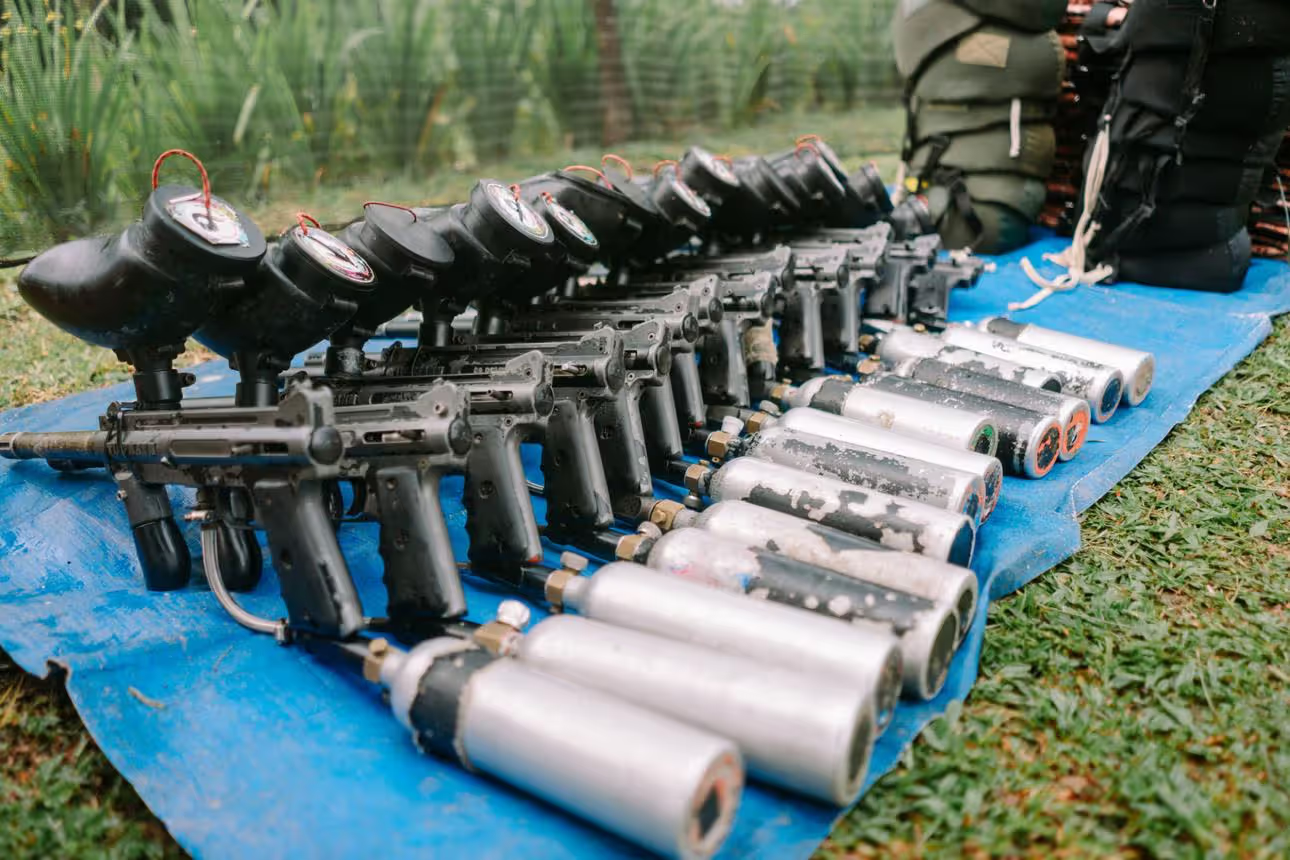
Most outdoor venues operate on walk-on play (join scheduled games with other individuals) or private group reservations. Fields provide rental equipment including masks, markers, and air tanks, though experienced players often bring their own gear. Referees monitor gameplay, enforce safety rules, and coordinate game modes throughout your session.
Author: Ethan Rowe;
Source: lakestaytents.com
Types of Outdoor Paintball Fields and Arenas
Not all outdoor paintball arenas are created equal. The terrain dramatically shapes gameplay speed, tactics, and the skills you'll need to succeed.
Woodland and Forest Paintball Settings
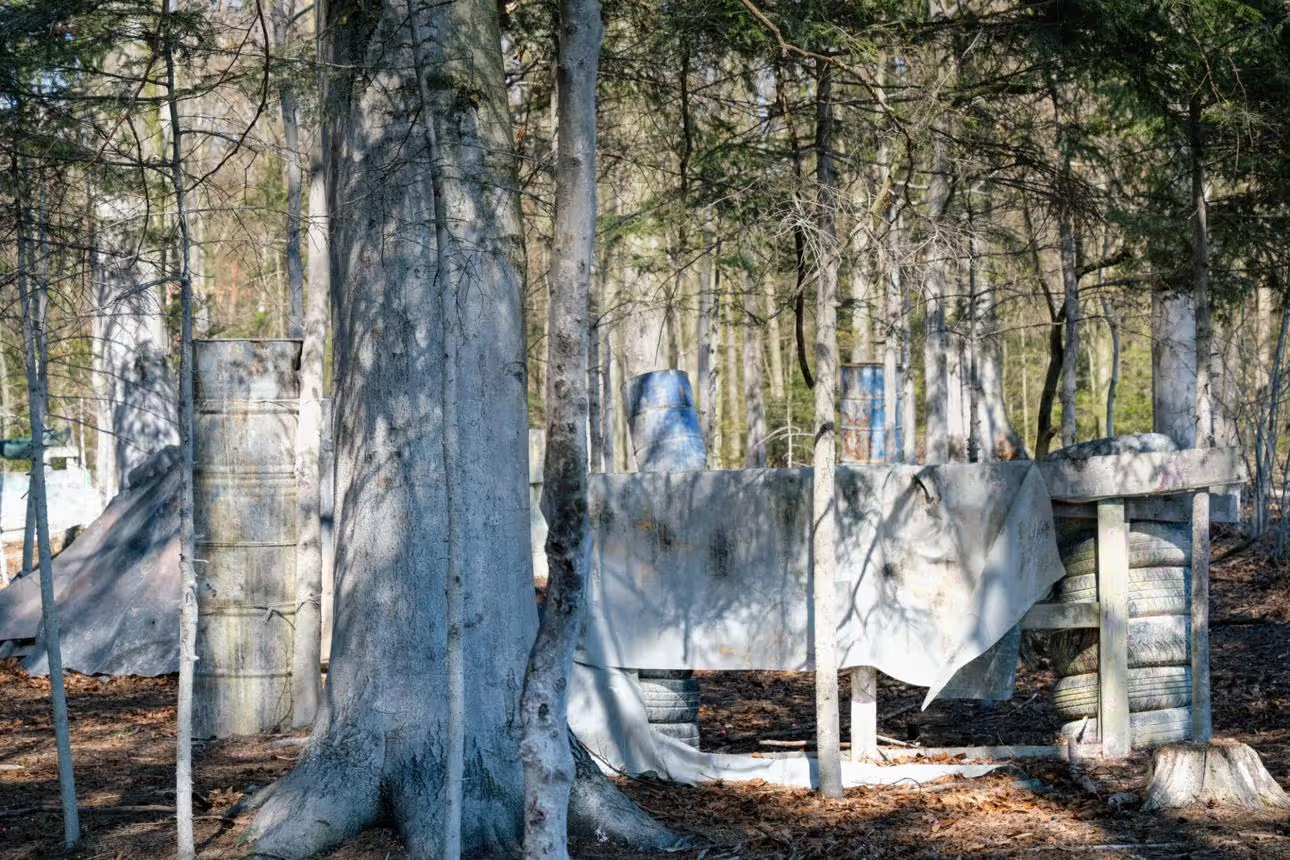
Paintball in the woods represents the sport's roots. Forest paintball courses wind through natural timber, where trees provide cover and undergrowth limits visibility to thirty or fifty feet in many directions. These environments favor stealth over speed—you'll spend more time moving quietly between cover points than sprinting across open ground.
Woodland paintball rewards patience. Someone who holds position behind a thick oak tree can control a trail intersection for an entire game if they choose angles wisely. The terrain naturally creates ambush opportunities, making communication essential. Teams that spread out too far lose coordination; groups that bunch up become easy targets once spotted.
Natural terrain paintball fields need very little construction—operators clear shooting lanes and establish boundaries but mostly allow the landscape to dictate how games unfold. Creek beds become natural trenches. Rocky outcroppings turn into defensive strongpoints. That same field plays completely differently across seasons as foliage changes and ground conditions shift from muddy spring thaw to frozen winter hardpack.
Author: Ethan Rowe;
Source: lakestaytents.com
Open Field and Scenario-Based Outdoor Courses
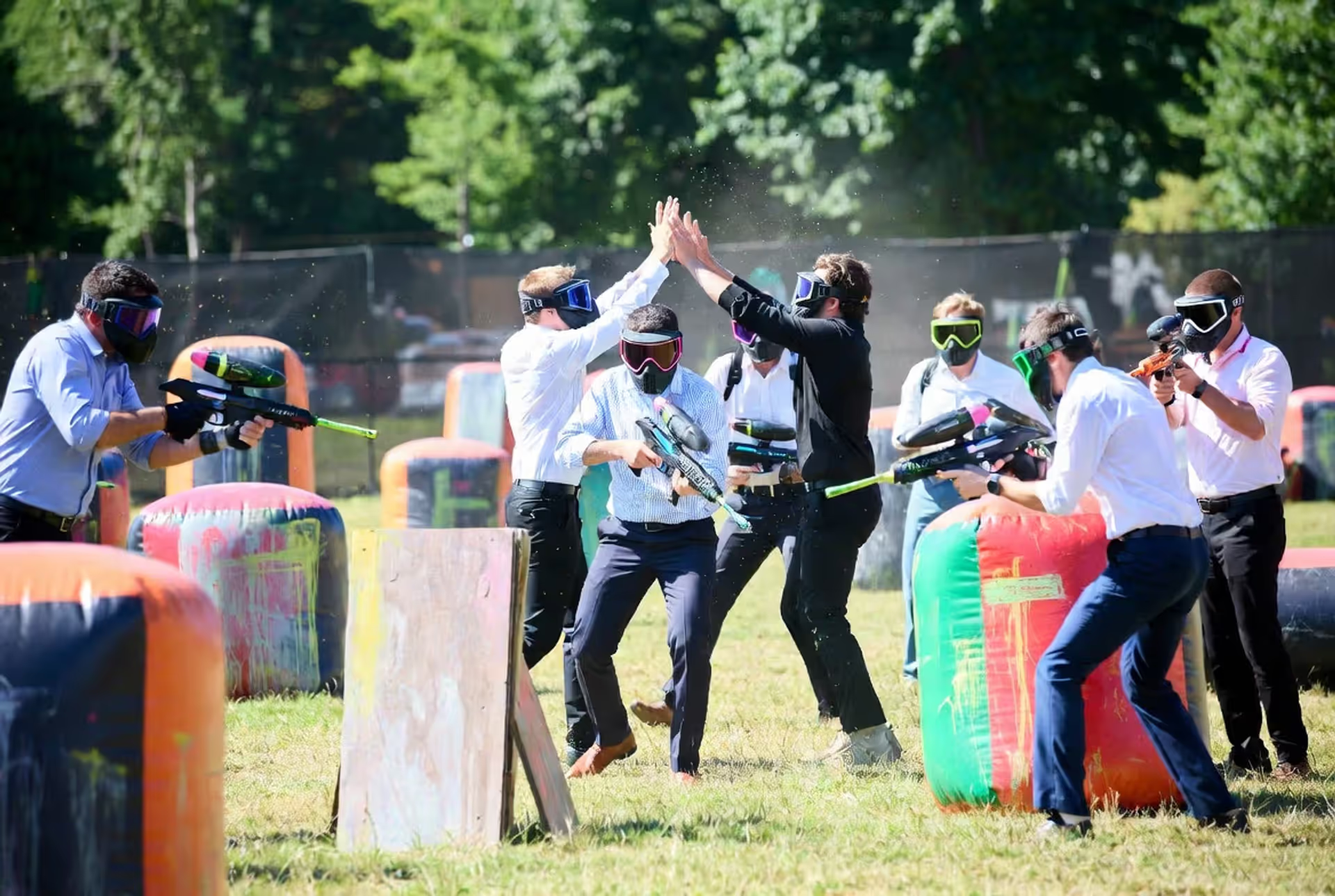
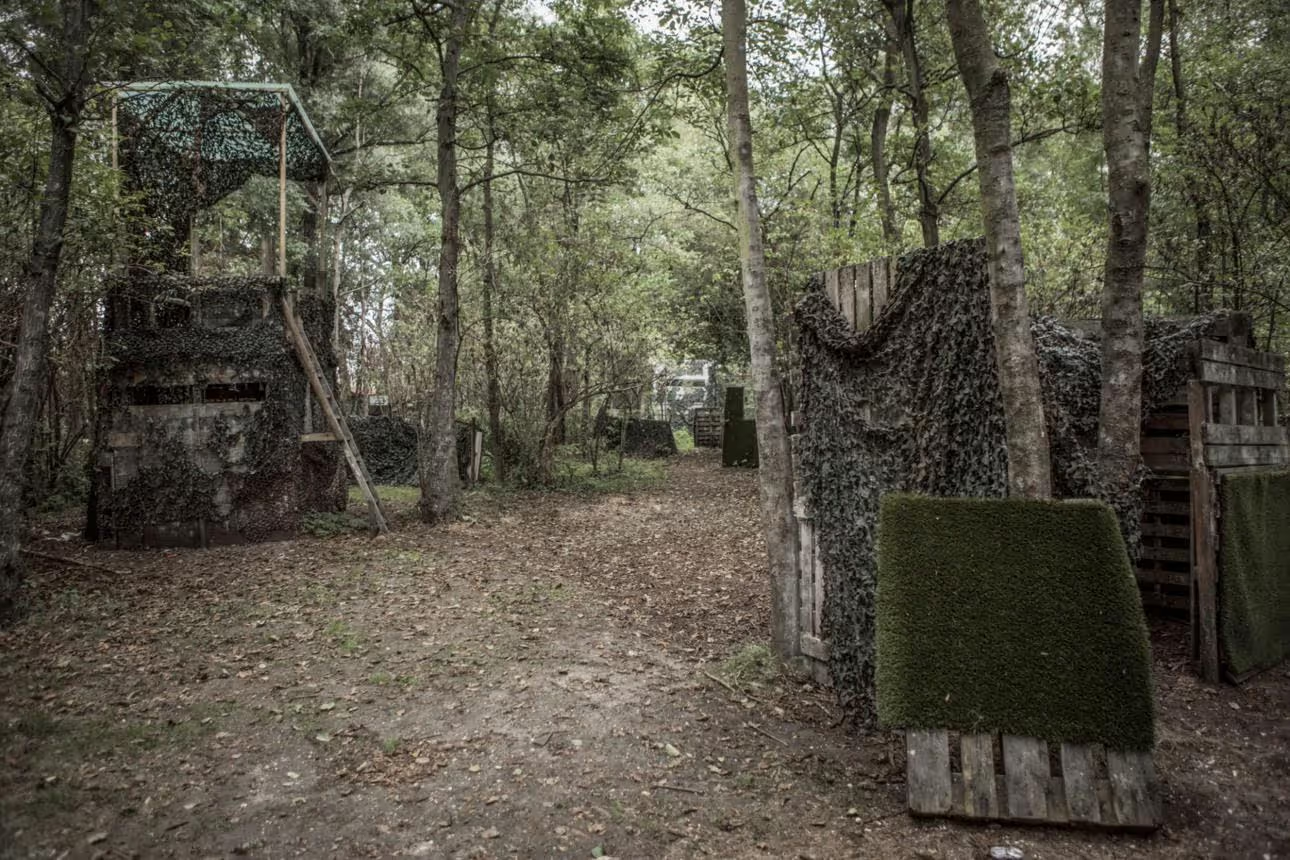
Paintball outdoor field designs that emphasize open terrain create faster, more aggressive gameplay. Picture a fifteen-acre space with scattered bunkers, wooden structures, and clear sightlines stretching over a hundred yards. These courses blend natural features with constructed elements—maybe a plywood fort anchors one side while a berm provides mid-field cover.
Scenario-based outdoor courses take this further by building themed environments. Operators construct mock villages, crashed aircraft, or western towns using reclaimed materials. These paintball outdoor course designs support narrative-driven events where teams complete mission objectives beyond simple elimination: rescue hostages, defuse bombs, or hold territory against waves of attackers.
Open courses suit players who enjoy fast breaks and coordinated pushes. The reduced cover punishes hesitation—if you're caught in the open, you're likely hit. But the visibility rewards marksmanship and teamwork, as players can provide covering fire while teammates advance.
Outdoor vs Indoor Paintball: Key Differences
The choice between outdoor and indoor paintball isn't about quality—it's about matching environment to your preferences and group dynamics.
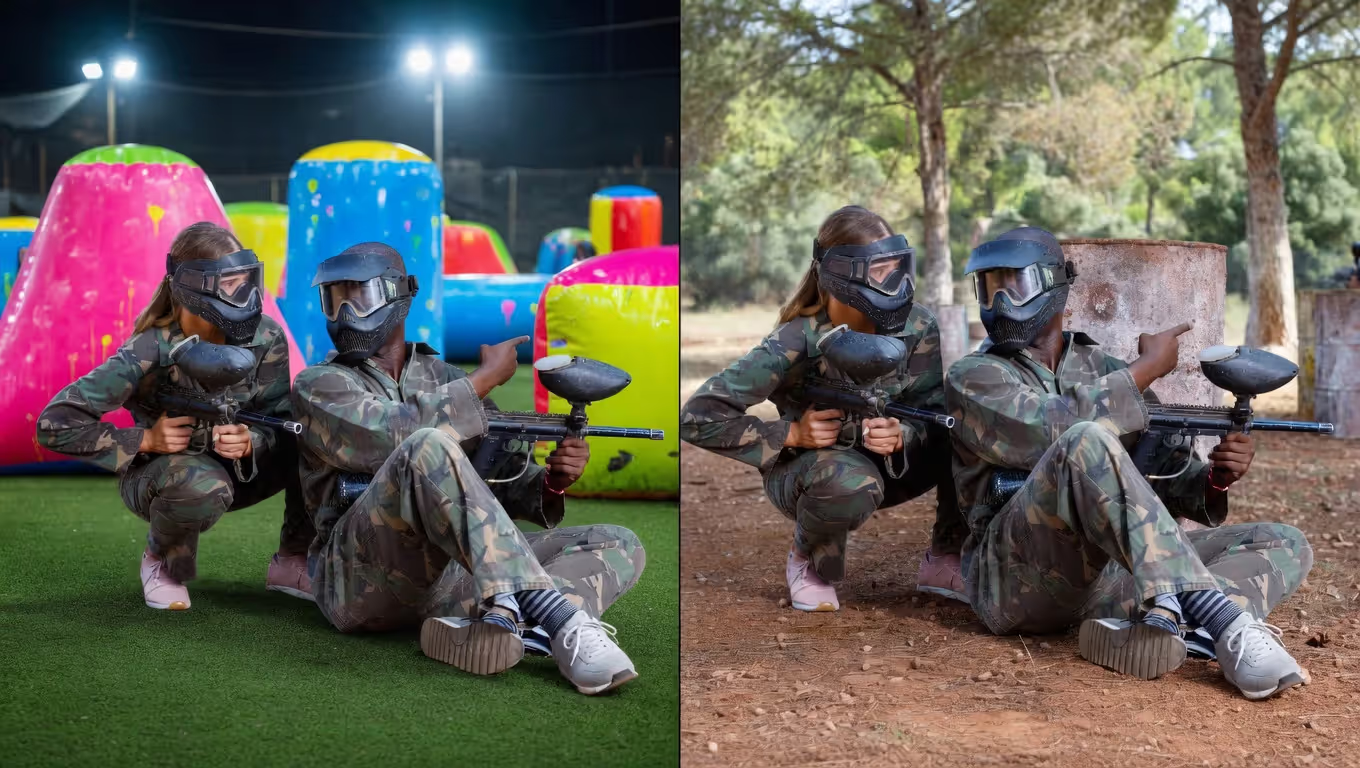
Playing environment: Indoor facilities typically max out at twenty thousand square feet with artificial turf and inflatable barriers. Games feel more like speedball tournaments—fast-paced, symmetrical, with constant action. Outdoor fields offer five to ten times the space, natural cover, and terrain that creates lulls between firefights. You might spend two minutes maneuvering for position before a fifteen-second engagement.
Strategy requirements: Indoor paintball emphasizes snap shooting, quick moves between bunkers, and aggressive play. Outdoor paintball rewards reconnaissance, flanking maneuvers, and understanding how terrain channels movement. A skilled outdoor player thinks three moves ahead, anticipating where opponents must cross open ground.
Equipment considerations: Indoor venues control temperature and eliminate weather variables. Outdoor players face rain, wind, heat, and cold that affect both paint performance and personal comfort. Paintballs become brittle in freezing temperatures and may swell in high humidity. Your marker needs to function reliably across conditions, and you'll want layered clothing that allows movement while providing protection.
Weather factors: This is non-negotiable outdoors. A July afternoon in Texas means ninety-five-degree heat and dehydration risk. October in New England delivers perfect sixty-degree conditions. January in Minnesota? Only the dedicated show up. Most outdoor venues operate year-round but see participation drop significantly outside the April-October window.
Cost structure: Indoor facilities sometimes charge steeper per-game fees because of climate control and maintenance expenses, though outdoor venues might burn through your paint budget faster since engagement distances stretch much longer. You'll probably shoot five hundred to eight hundred paintballs during a typical outdoor session versus three hundred to five hundred indoors.
Author: Ethan Rowe;
Source: lakestaytents.com
Outdoor Paintball Rules and Safety Guidelines
Safety protocols exist because paintballs travel at 280 feet per second—fast enough to cause injury if markers aren't chronographed properly or masks come off during play.
Velocity limits: To keep everyone safe, fields cap velocity at 280 feet per second using radar chronographs before you play. Exceeding this limit gets you benched until the marker is adjusted. Some fields drop limits even lower (around 260 fps) for wooded areas where you're shooting at closer ranges.
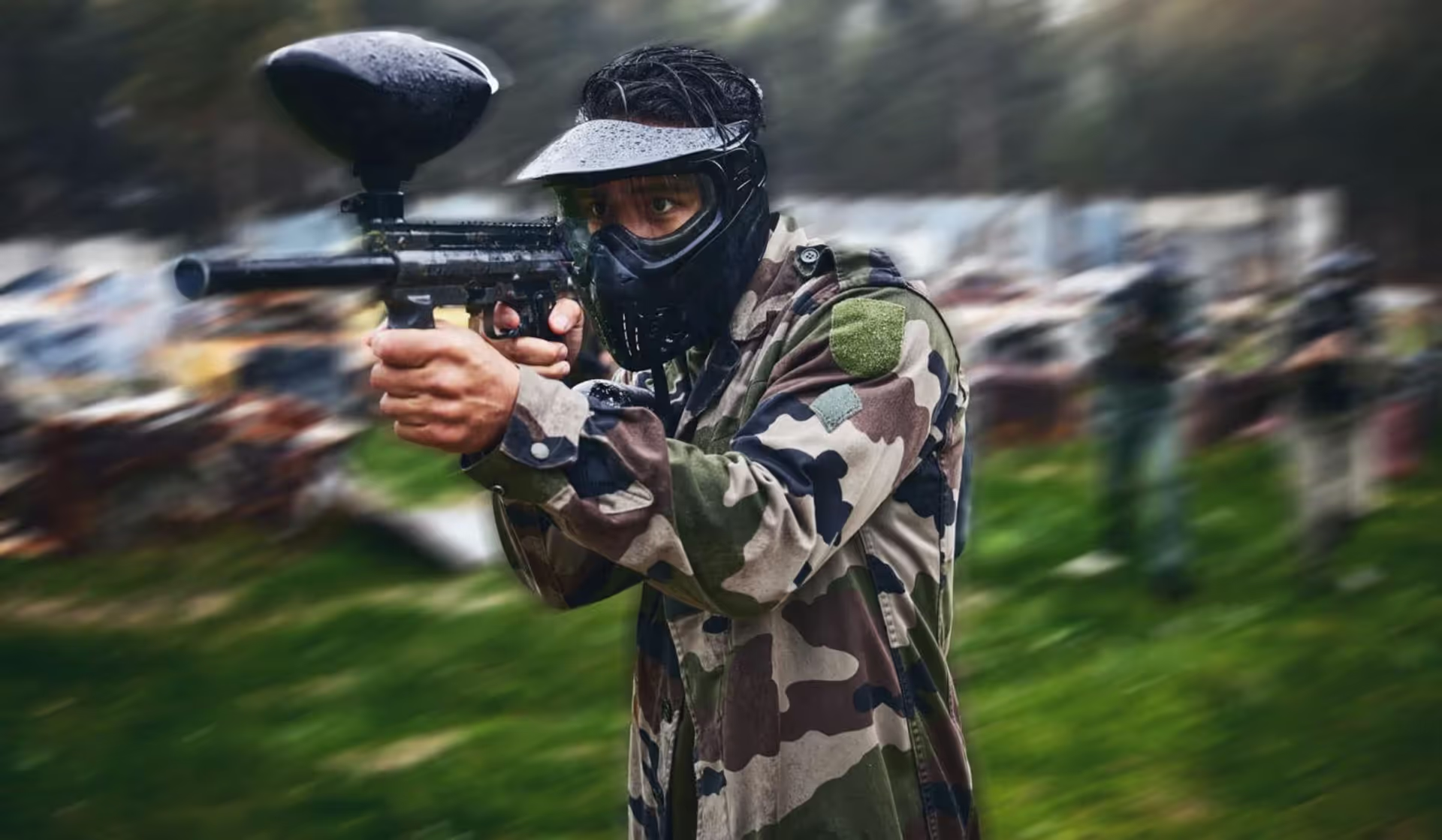
Mask requirements: Your goggle system must remain on from the moment you enter the staging area until you return to the safe zone. This is absolute. Removing your mask on the field—even during a game break—results in immediate ejection at most venues. Modern masks provide anti-fog thermal lenses and full-face protection that meets ASTM standards.
Barrel blocking devices: When not actively playing, a barrel sock or plug must cover your marker's barrel. This prevents accidental discharge in staging areas. Fields provide these, but experienced players carry their own.
Physical contact rules: Paintball is a non-contact sport. You cannot physically touch opponents, grab their equipment, or push them out of bunkers. Violations result in penalties or removal depending on severity.
Surrender rules: Plenty of outdoor paintball rules include what's called a "mercy" or surrender option. If you get within ten to fifteen feet of someone who hasn't spotted you yet, you can offer surrender rather than lighting them up at point-blank range. They can accept elimination or refuse and engage (accepting they'll probably get hit). This cuts down on welts and keeps things sporting.
Hit calling: Honor system matters. If you feel a paintball hit you—even if it doesn't break—call yourself out immediately. Wiping paint or ignoring hits destroys game integrity. Referees watch for cheaters, but self-policing keeps games fair.
Field boundaries: Colored tape, fencing, or natural landmarks mark playing areas. Crossing boundaries counts as elimination. This prevents players from circling behind spawn points or accessing unsafe zones.
The outdoor environment teaches players to respect both the sport and nature. You learn to move through terrain without damaging it, to watch for natural hazards, and to adapt tactics to conditions you can't control. That's what separates outdoor paintball from just shooting paint at people.
— Marcus Rodriguez
What to Expect at an Outdoor Paintball Experience
Your first outdoor paintball experience follows a predictable flow, though individual venues add their own touches.
Arrival and check-in (15-20 minutes): You'll sign waivers acknowledging injury risks. Minors need parent signatures. Staff explains rental packages—basic (mask, marker, air tank) versus premium (better markers, more comfortable masks). Most fields require a minimum paint purchase, typically 500 rounds.
Safety briefing (10-15 minutes): A referee covers field rules, mask requirements, surrender protocols, and how to operate rental markers. They'll demonstrate proper stance, how to check if you're hit, and what to do when eliminated. Pay attention—this isn't filler content.
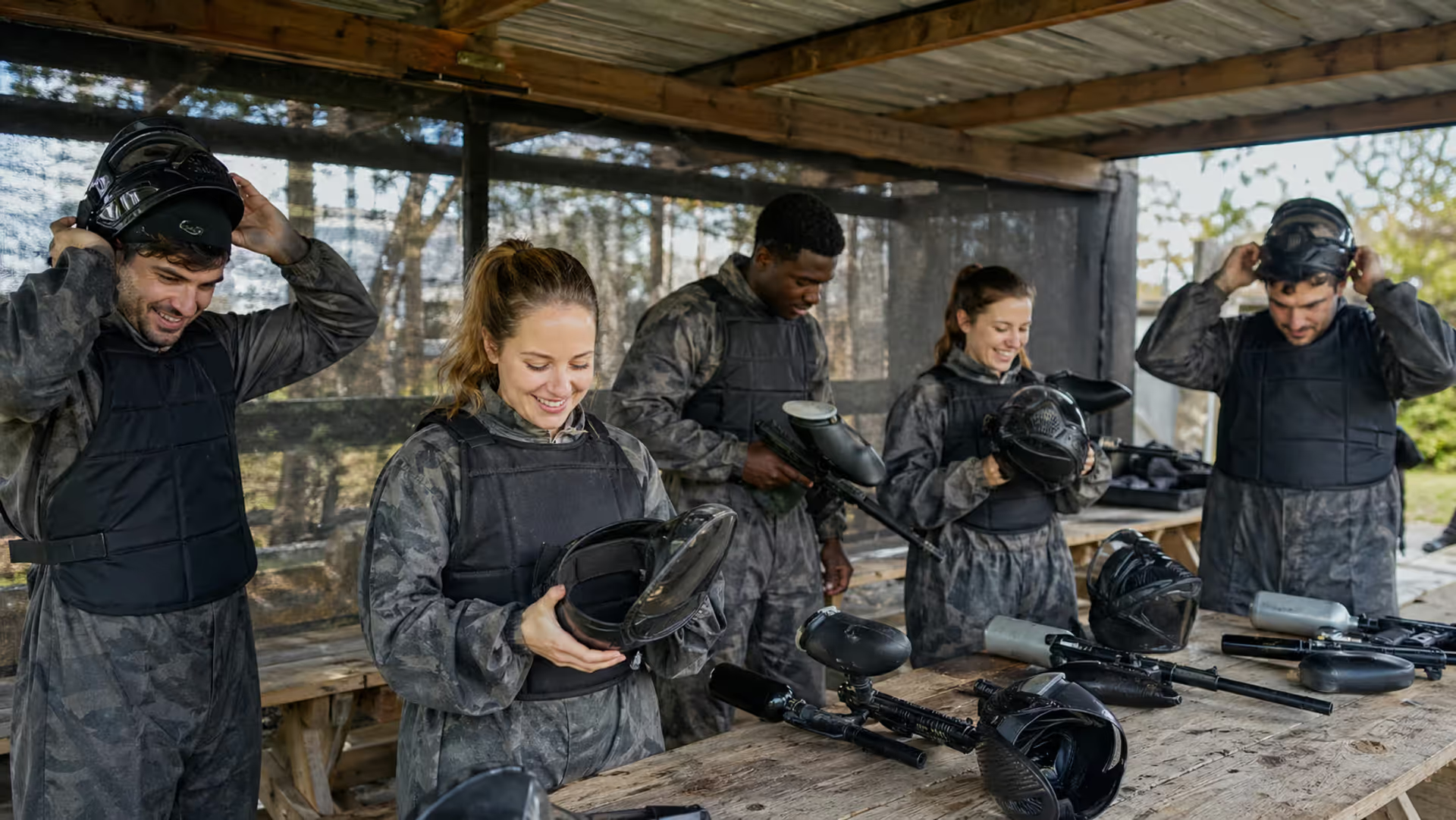
Equipment fitting: Staff helps adjust mask straps for secure fit and shows you how to load paintballs into hoppers. They'll chronograph your marker and give you a barrel sock. First-timers often need help understanding the air tank connection and safety mechanisms.
First games (2-3 hours of play): Most sessions include six to ten games with five-minute breaks between rounds. Early games typically use simple formats—team elimination or center-flag capture—so new players grasp basics. Referees rotate players between teams to balance skill levels.
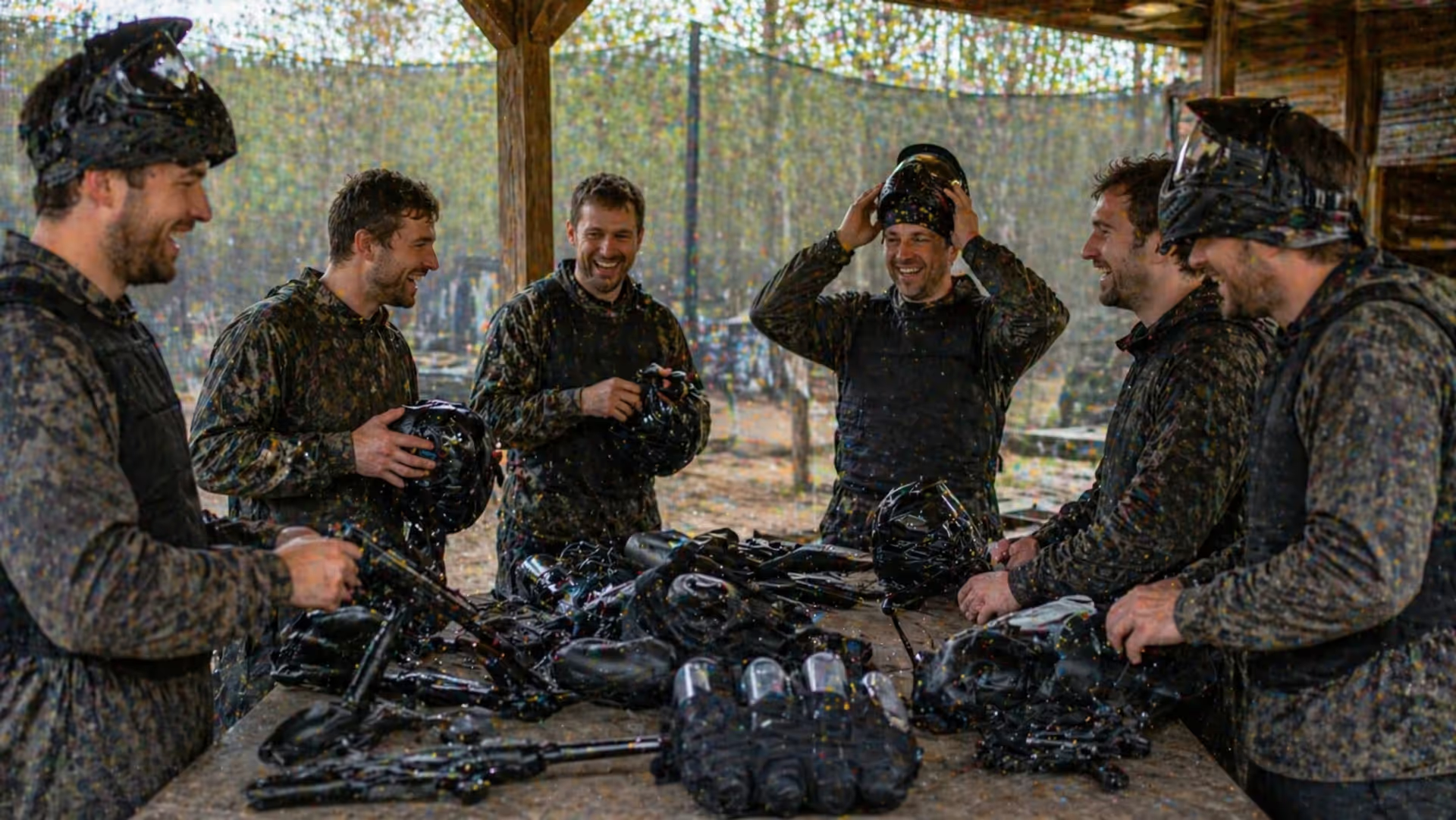
Mid-session break (15-30 minutes): You'll return to the safe zone to refill air tanks, buy more paint if needed, and hydrate. This is when you'll notice which muscles are sore and where paintballs left welts.
Advanced games: Later rounds might introduce scenarios, attack-defend formats, or VIP protection missions. These test skills you've developed and keep experienced players engaged.
Author: Ethan Rowe;
Source: lakestaytents.com
What to bring: Pack your own hydration—a reusable water bottle works great. Toss in some protein bars or trail mix since you'll burn calories fast. A spare towel helps clean up before the drive home. Leave jewelry and valuables locked in your car. Some players pack a change of clothes since paint, dirt, and sweat guarantee you'll be messy.
How to Choose the Best Outdoor Paintball Venue
The best outdoor paintball experience depends on matching venue characteristics to your group's needs and skill level.
Terrain variety: Check out venue websites or Instagram feeds to browse field photos and videos. Does the outdoor paintball arena run multiple fields with different terrain types? A facility offering both wooded and open courses gives your group options if one environment doesn't click. Single-field venues work fine for first-timers but may feel repetitive for regular players.
Field size and game capacity: Smaller fields (five to ten acres) suit groups of ten to twenty players. Larger properties (twenty-plus acres) accommodate bigger events and prevent overcrowding on busy weekends. Ask about typical player counts—a field that packs sixty walk-ons into a ten-acre space creates congestion and wait times.
Amenities and infrastructure: Quality venues provide flush toilets, covered staging areas, and on-site air filling stations. Budget operations might offer port-a-potties and limited shade. Both approaches have their place—just understand what you're walking into. Facilities with pro shops let you buy better paint or upgrade equipment mid-session.
Rental equipment quality: Not all rental markers perform equally. Better venues maintain Tippmann or Empire markers that fire reliably. Budget fields sometimes offer older, inconsistent equipment that jams frequently. Read recent reviews mentioning rental gear performance.
Group accommodation: Planning a bachelor party or corporate event? Ask if the venue offers private field reservations, group discounts, or dedicated referees. Some outdoor paintball arenas include pavilions for post-game gatherings or catering options.
Staff professionalism: Referees make or break the experience. Attentive refs keep games fair, explain rules clearly, and handle conflicts diplomatically. Venues with poorly trained staff let cheating slide and provide minimal instruction. Reviews mentioning referee quality by name are particularly telling.
Pricing transparency: Reputable venues list prices clearly: admission fees, rental costs, and paint prices. Be wary of operations with vague "call for pricing" approaches—you might face surprise charges. Expect to spend fifty to eighty dollars per person for a half-day session including rentals and five hundred rounds.
Location and accessibility: A venue ninety minutes away might offer superior fields, but a solid facility thirty minutes closer keeps your group happier. Factor in drive time, especially for morning sessions when enthusiasm is high but coordination is challenging.
| Field Type | Terrain | Typical Game Style | Skill Level | Pros | Cons |
| Woodland/Forest | Dense trees, natural cover, limited sightlines | Stealth-based, slower pace, ambush tactics | Beginner to advanced | Natural cover, strategic depth, minimal construction | Can be muddy, harder to track teammates, limited visibility |
| Open Field | Cleared land, scattered bunkers, long sightlines | Fast-paced, aggressive pushes, coordinated attacks | Intermediate to advanced | Clear communication, rewards marksmanship, faster games | Less cover, higher paint consumption, punishes hesitation |
| Scenario Course | Mixed terrain with themed structures | Objective-based missions, role-playing elements | All levels (with team balancing) | Immersive, varied objectives, appeals to casual players | May feel gimmicky to competitive players, requires more staff coordination |
Frequently Asked Questions About Outdoor Paintball
Outdoor paintball strips away the predictability of indoor arenas and replaces it with terrain that demands adaptation, weather that tests commitment, and space that rewards tactical thinking. Whether you're navigating a forest paintball course where every tree provides ambush potential or charging across an open field where teamwork means the difference between victory and quick elimination, the outdoor experience connects you to both the sport's competitive roots and the simple thrill of moving through natural environments with purpose.
The right venue matches your group's size, experience level, and tolerance for physical challenge. Quality equipment, clear safety protocols, and professional referees transform what could be chaotic paint-slinging into genuine sport. Your first welts will fade within a week. The tactical lessons—reading terrain, communicating under pressure, staying calm when paint flies past your mask—stick with you considerably longer.
Start with a half-day session at a reputable outdoor paintball arena. Wear clothes you can move in. Listen during the safety briefing. Call your hits honestly. The rest sorts itself out once the first game starts and you realize that the best cover is rarely where you expected it to be.