The right hopper defines your performance
How to Choose the Right Paintball Hopper?

Content
Choosing the right paintball hopper can make or break your performance on the field. A hopper that can't keep up with your marker's firing rate means missed shots during critical moments. One that jams constantly will leave you exposed while you troubleshoot. Yet many players—especially those new to the sport—treat hopper selection as an afterthought, grabbing whatever came bundled with their marker or picking the cheapest option available.
The reality is that your hopper directly impacts your ability to maintain consistent fire, move quickly through tight spaces, and stay competitive during fast-paced games. Understanding the differences between gravity-fed and electronic systems, knowing which features matter for your playing style, and recognizing when to invest in premium technology will help you make a decision that enhances your game rather than limiting it.
This guide breaks down everything you need to know about paintball hoppers, from basic mechanics to advanced features, so you can select the right equipment for your specific needs.
What Is a Paintball Hopper and How Does It Work
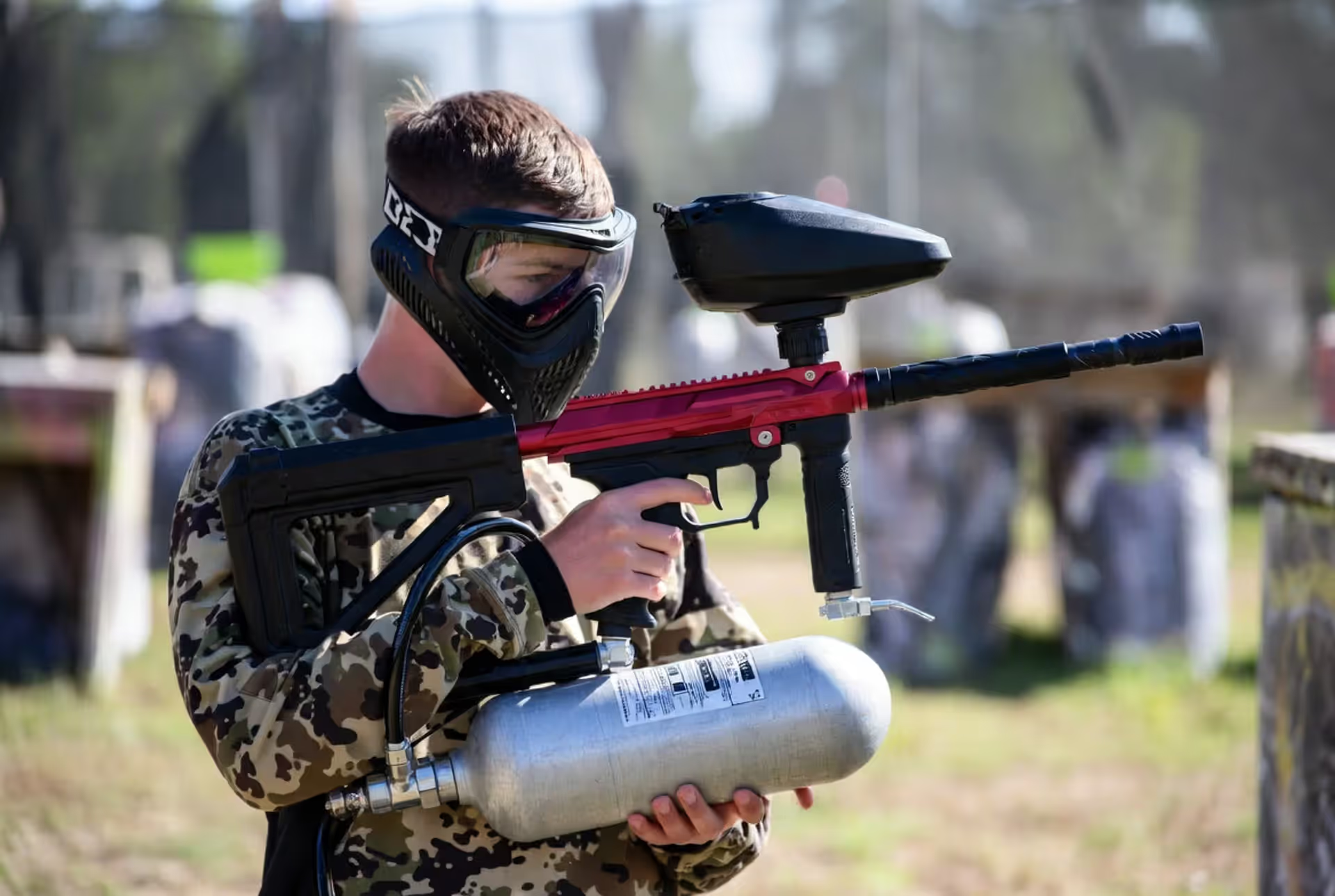
A paintball hopper is the container that sits on top of your marker and feeds paintballs into the firing chamber. Without it, you'd be loading one ball at a time—impractical for any real gameplay. The hopper paintball relationship is straightforward: the hopper stores balls and delivers them to the marker's breach at a rate that matches or exceeds your firing speed.
The terms "hopper" and "loader" are often used interchangeably, though some players make a distinction. Technically, paintball loaders refer to any feeding system, while "hopper" specifically describes the top-mounted container design. In practice, most people use both terms to mean the same thing.
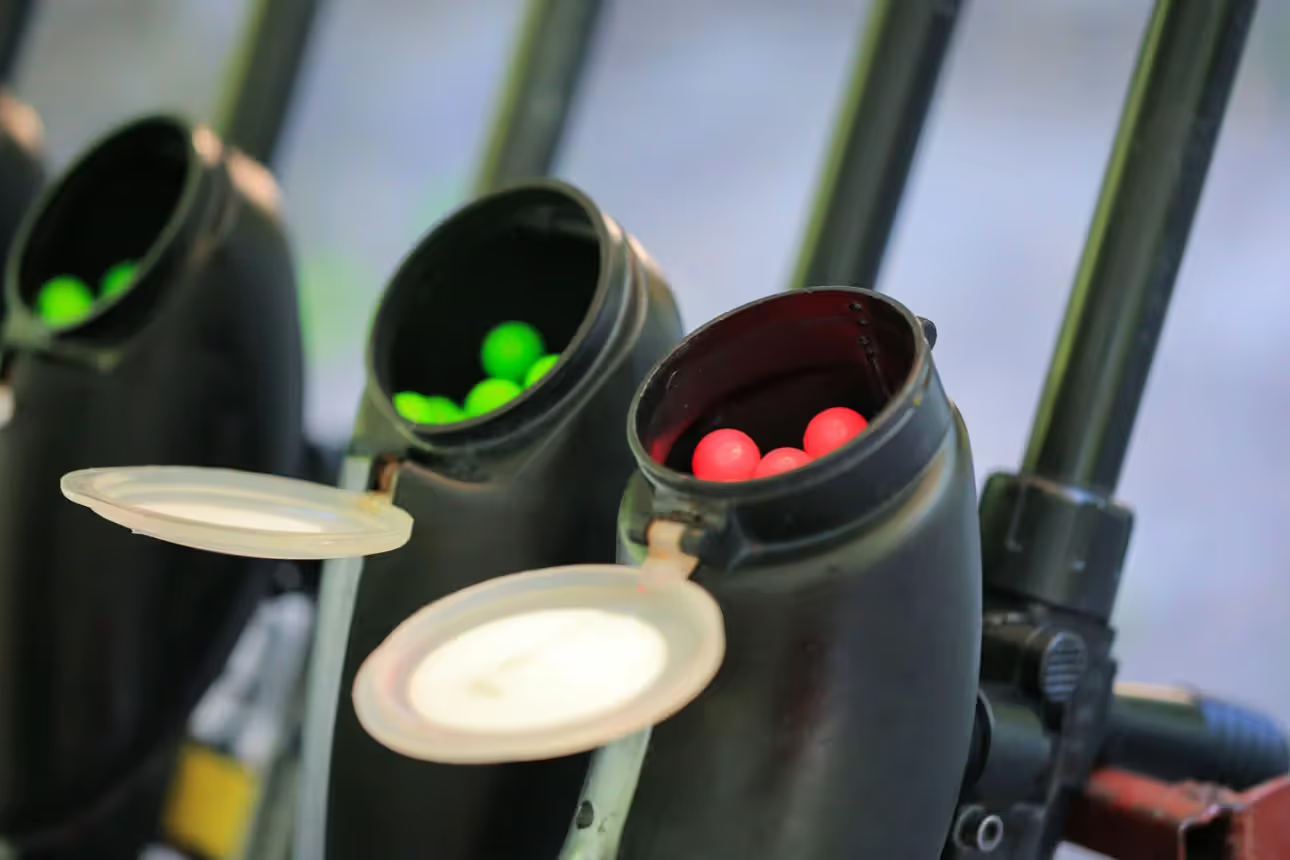
Hoppers work through two primary mechanisms. Gravity-fed hoppers rely on paintballs falling downward into the marker's feed neck through simple physics. As balls drop, others roll down to take their place. This works fine at slower firing rates but creates problems when you're shooting rapidly—balls can't fall fast enough, causing gaps in feeding.
Force-fed systems use mechanical agitation or electronic motors to actively push paintballs toward the feed neck. These systems prevent jams and maintain consistent feeding even during rapid fire. Electronic hoppers use sensors to detect when the marker needs a ball and activate motors to deliver it immediately.
The feed neck—the tube connecting your hopper to the marker—plays a crucial role. Some hoppers come with tool-free clamping systems that let you swap them between markers quickly. Others require screws or specific adapters.
Author: Ethan Rowe;
Source: lakestaytents.com
Types of Paintball Hoppers Explained
Gravity-Fed Hoppers
Gravity-fed hoppers are the simplest and most affordable option. They're essentially plastic containers with an opening at the bottom. Paintballs stack on top of each other, and gravity pulls them down into the marker.
These hoppers typically hold 200 paintballs and work adequately for markers firing 3-4 balls per second. They're completely silent, require no batteries, and weigh very little. For casual backyard games or rental equipment, they're sufficient.
The limitations become apparent quickly. Fire faster than 5 balls per second, and you'll experience chopping—when the marker's bolt closes on a ball that's only partially loaded, breaking it inside the breach. Rapid side-to-side movement can also cause balls to shift away from the feed neck, creating temporary feeding gaps.
Electronic Hoppers
Author: Ethan Rowe;
Source: lakestaytents.com
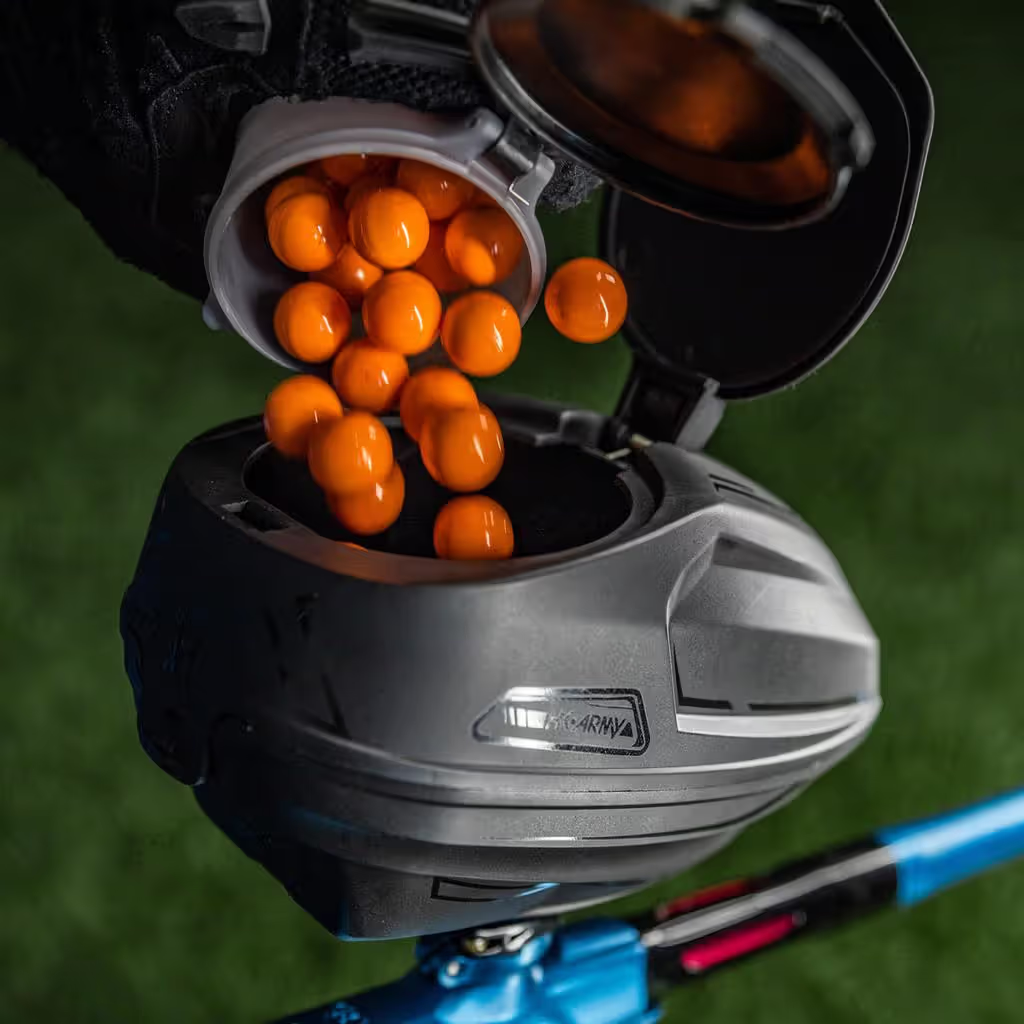
Electronic hoppers use battery-powered motors and paddle systems to force paintballs into the feed neck. Sensors detect when the marker fires and immediately activate the feeding mechanism. Modern electronic paintball hopper designs can feed 20-30+ balls per second—far exceeding what most markers can shoot.
These systems prevent chopping by ensuring a ball is always ready in the feed neck. They handle movement better since they're actively pushing balls rather than relying on gravity. The trade-off is weight (batteries and motors add bulk), noise (motors create a distinctive whirring sound), and cost.
Mid-range electronic hoppers typically feed 12-15 balls per second and cost $60-100. Premium models with advanced anti-jam technology, tool-free disassembly, and 25+ ball-per-second feed rates run $150-200.
Battery life varies significantly. Basic electronic hoppers might drain 4 AA batteries after 10,000-15,000 balls. Efficient models using 9-volt batteries can feed 40,000+ balls before needing replacement. Some newer designs use rechargeable lithium batteries.
Speed Feed Systems
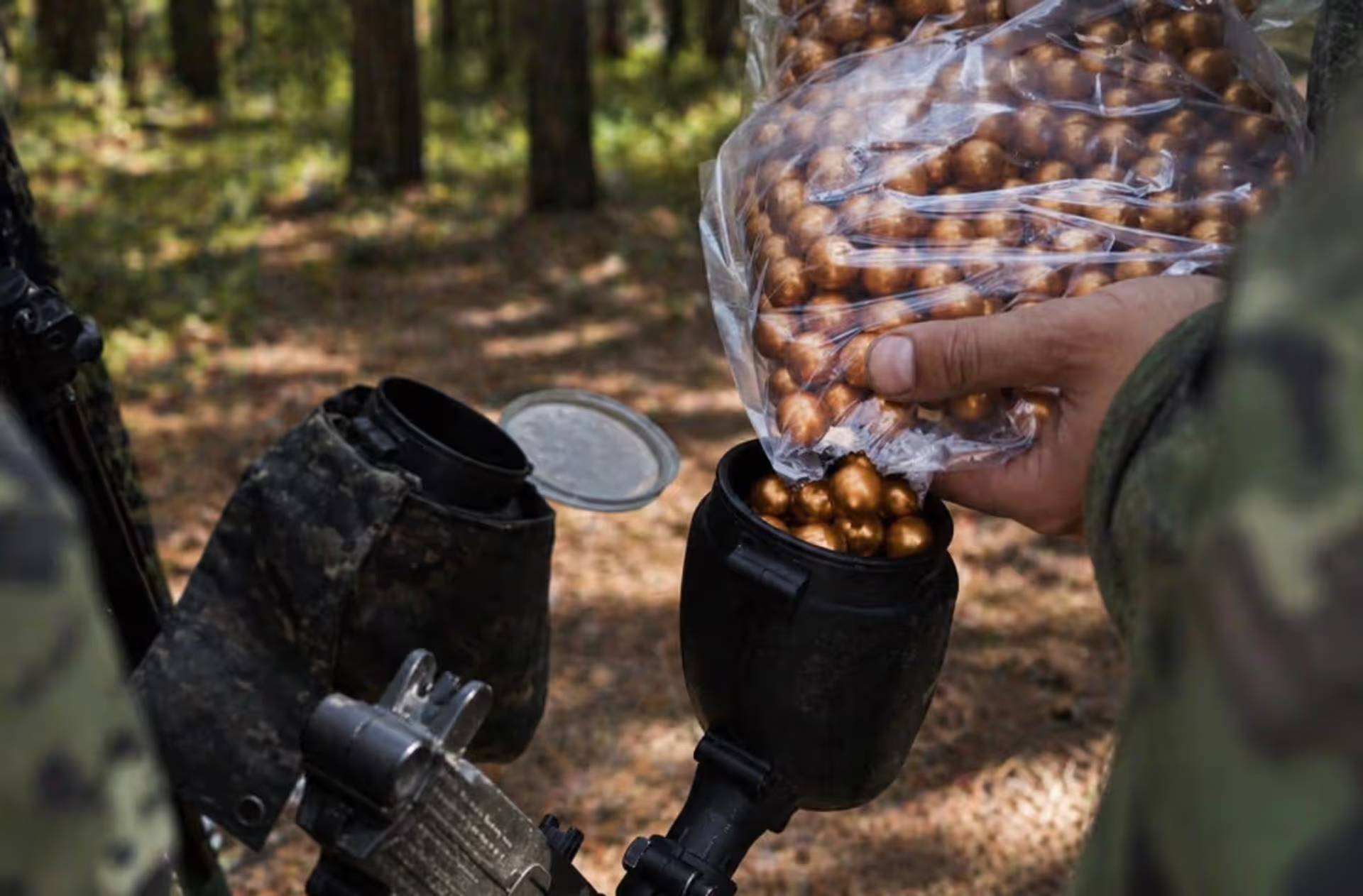
A paintball hopper speed feed isn't a separate hopper type—it's a lid modification that replaces the standard hinged cap. Instead of opening a lid to pour in paintballs, speed feeds use flexible rubber fingers or spring-loaded gates. You push paintballs through the top, and the fingers close behind them.
This lets you reload without opening anything, shaving several seconds off reload time. In competitive play, those seconds matter. Speed feeds also prevent debris from entering your hopper during games played in wooded areas.
The downside is that you typically reload smaller quantities at a time (50-100 balls) rather than dumping a full pod. Some speed feed designs also allow dirt or broken paint to enter more easily than sealed lids.
Speed feeds work with both gravity-fed and electric paintball hopper systems. Most modern electronic hoppers either include speed feeds or offer them as accessories.
Key Features That Affect Hopper Performance
Author: Ethan Rowe;
Source: lakestaytents.com
Feed rate measures how many balls per second a hopper can deliver. For recreational play with markers shooting 8-10 balls per second, a hopper rated at 12+ balls per second provides adequate headroom. Competitive players using ramping or full-auto modes need hoppers capable of 20+ balls per second.
Matching your hopper's feed rate to your marker's maximum rate of fire prevents chopping and maintains consistency. There's little benefit to a 30-ball-per-second hopper if your marker maxes out at 12.
Capacity determines how many paintballs you can carry before reloading. Standard hoppers hold 200-220 balls. Some compact models hold 150-180 for reduced profile, while extended hoppers can hold 280+.
Larger capacity means fewer reloads but adds weight and makes you a bigger target. Speedball players often prefer standard capacity with low-profile designs. Woodsball players might choose higher capacity for sustained firefights without reloading.
Battery life becomes critical during tournament play or long scenario games. Running out of power mid-game reduces your electronic hopper to a gravity-fed system—a significant performance drop. Look for hoppers that provide clear battery indicators and use common battery types you can replace easily.
Durability matters because hoppers take abuse. They're exposed on top of your marker, vulnerable to hits, drops, and impacts. Quality hoppers use reinforced plastics and have protective shells around electronic components. Cheap hoppers crack after a few direct hits.
Compatibility issues arise with feed neck sizes and marker designs. Most modern markers use standard feed necks, but some older or specialized markers require adapters. Tool-free clamping systems make swapping hoppers between markers simple, while screw-based systems require Allen wrenches and adjustment.
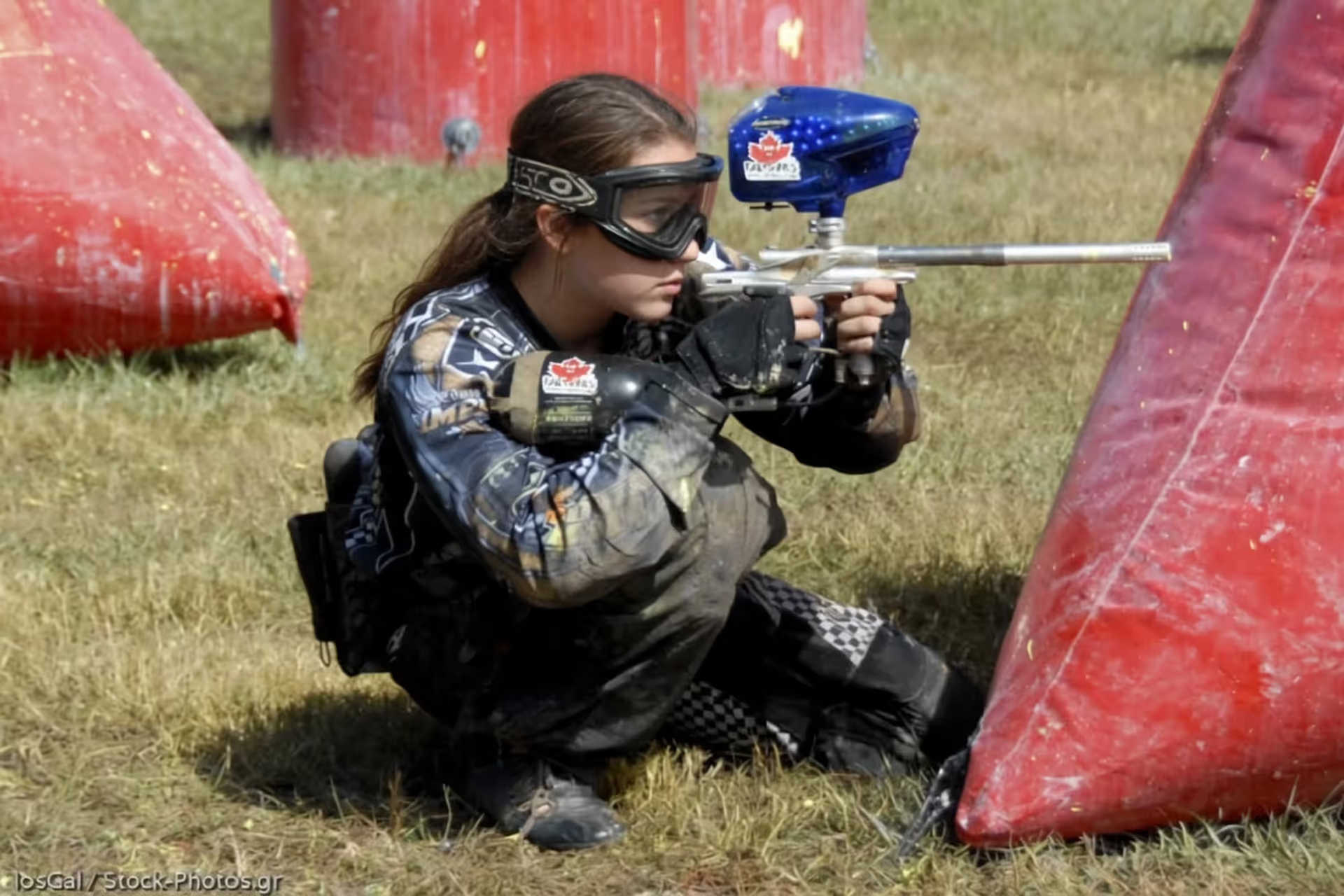
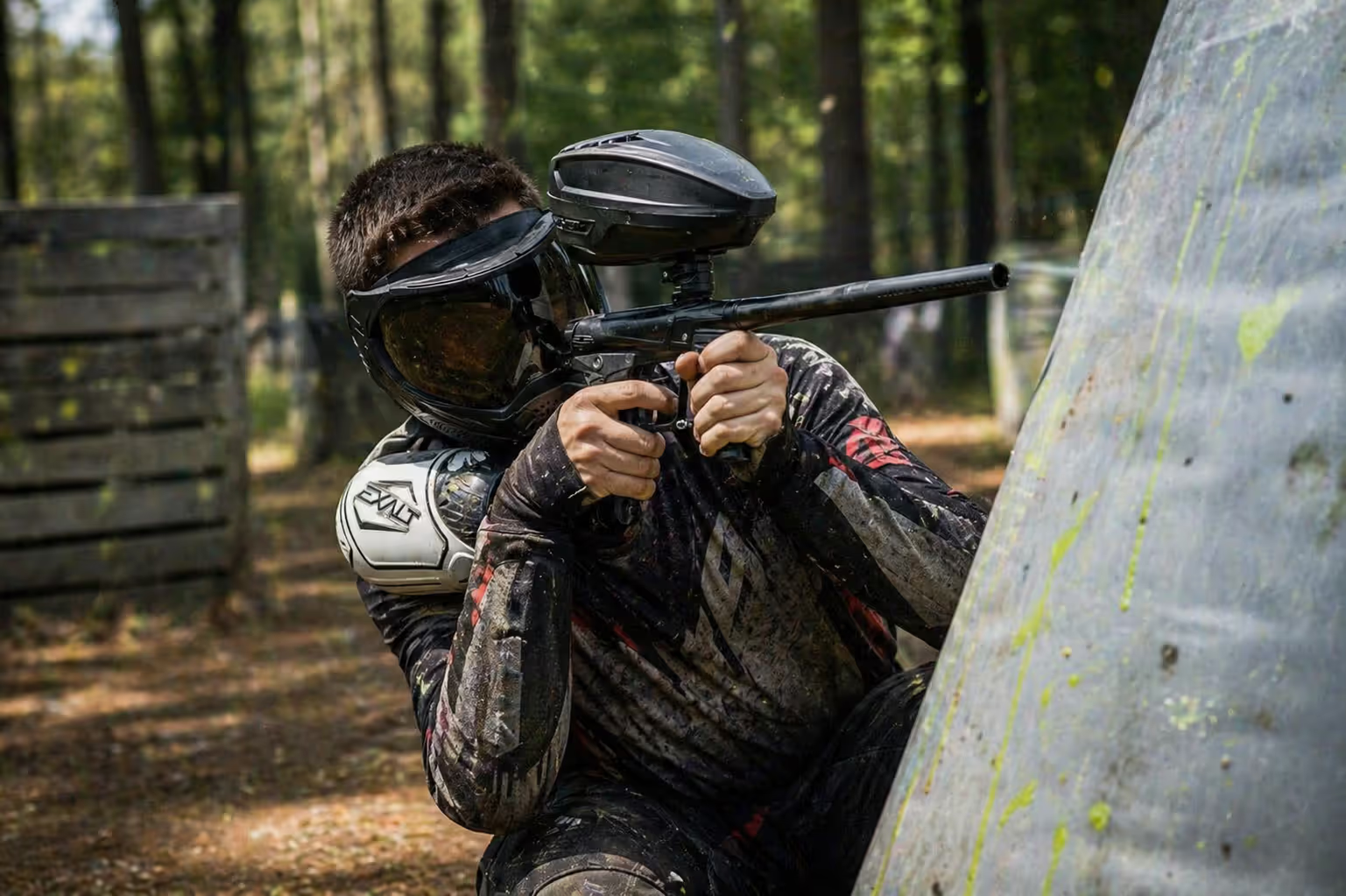
Weight and profile affect mobility. A low-profile hopper reduces your silhouette when you're tucked behind a bunker. Lighter hoppers improve marker balance and reduce fatigue during long games. Premium hoppers often weigh 30-40% less than budget models while maintaining higher capacity.
Comparing Popular Paintball Hopper Models
| Model | Type | Feed Rate | Capacity | Price Range | Best For |
| Dye Rotor LT-R | Electronic | 20+ bps | 200 balls | $80-100 | Intermediate players wanting reliable performance without premium cost |
| Virtue Spire IR2 | Electronic | 25+ bps | 200 balls | $160-180 | Competitive speedball; ultra-low profile and lightweight |
| HK Army TFX 3 | Electronic | 15+ bps | 220 balls | $90-110 | Woodsball and recreational; durable construction |
| Proto Primo | Gravity | 5-7 bps | 200 balls | $15-25 | Beginners and casual players with basic markers |
| Bunkerkings CTRL | Electronic | 30+ bps | 180 balls | $170-190 | Tournament players needing maximum speed and minimal profile |
The rotor paintball hopper series (particularly the LT-R variant) dominates the mid-range market because it balances performance with affordability. The tool-free disassembly takes seconds—pop the top shell off, clear any jams, and snap it back together. Feed rate handles most markers comfortably, and the spring-loaded drive system rarely jams.
Virtue Spire models represent the premium tier. The IR2's weight—just over half a pound empty—makes it one of the lightest electronic hoppers available. The low profile keeps your head down behind bunkers. However, the price reflects these advantages.
HK Army's TFX line focuses on durability. The reinforced shell withstands direct hits better than most competitors. Feed rate isn't the fastest, but it's consistent and reliable. Woodsball players appreciate the rugged construction.
Gravity-fed options like the Proto Primo serve a specific niche: absolute beginners who aren't ready to invest heavily, or players with pump markers that fire slowly by design. These hoppers cost less than a case of paint.
Your hopper is just as important as your marker. I've seen players with expensive guns lose matches because their hopper couldn't feed fast enough. Match your loader to your playing style, not just your budget
— Marcus Chen
How to Match Your Hopper to Your Playing Style
Recreational players shooting 200-300 balls during a typical weekend outing don't need tournament-grade equipment. A mid-range electronic hopper or even a quality gravity-fed system works fine if your marker fires slowly. Save money on the hopper and invest in better paint or protective gear.
Competitive speedball demands the best paintball hopper you can afford. Tournaments involve rapid firing, quick movements, and situations where every millisecond counts. Premium electronic hoppers with 20+ ball-per-second feed rates, tool-free maintenance, and lightweight construction provide tangible advantages.
Woodsball and scenario play present different requirements. Games last longer, environments are rougher, and you're more likely to encounter mud, rain, and impacts. Prioritize durability and battery life over absolute minimum weight. Higher capacity reduces reload frequency during extended firefights.
Budget considerations should focus on value rather than absolute lowest price. A $20 gravity hopper that causes constant chopping will frustrate you quickly. A $90 electronic hopper that works reliably for years represents better value than a $50 model that jams frequently and breaks after a season.
Marker compatibility requires checking specifications before purchasing. Most modern markers accept standard feed necks, but verify your specific model. Some markers with eyes (sensors that detect when a ball is loaded) work better with certain hopper types. Research your marker's recommended hoppers or ask experienced players with the same setup.
Consider your upgrade path. If you're currently using an entry-level marker but plan to upgrade soon, buying a quality hopper now means you won't need to replace it when you get a better marker. Hoppers typically outlast markers if properly maintained.
Author: Ethan Rowe;
Source: lakestaytents.com
Common Paintball Hopper Problems and Maintenance Tips
Jamming occurs when paintballs break inside the hopper, creating sticky residue that prevents smooth feeding. Broken paint also attracts dirt, compounding the problem. Prevention starts with using quality paint—cheap, misshapen balls break more easily. Store paint properly to prevent moisture damage that makes shells brittle.
When jams happen, disassemble the hopper completely. Remove all paintballs, then wipe down all surfaces with a damp cloth. Pay special attention to the feed neck area and any paddles or agitators. Let everything dry completely before reassembling. Running a hopper with residual moisture causes more breaks.
Regular cleaning prevents most jam issues. After every game day, empty your hopper and wipe down the interior. Once monthly, do a deep clean with full disassembly. Check for cracks in the shell or feed neck that might catch and break paintballs.
Battery maintenance for electronic models is straightforward but essential. Remove batteries if you're storing the hopper for more than a few weeks—they can corrode and damage electronics. Keep spare batteries in your gear bag. Some players use rechargeable batteries, but verify your hopper supports them (some models require specific voltage ranges).
Electronic hoppers occasionally develop sensor issues. If your hopper runs constantly or doesn't activate when you fire, the sensors might need cleaning. Most use optical sensors that detect when the feed neck is empty. Broken paint on sensors causes false readings. Clean sensor windows with a cotton swab and rubbing alcohol.
Feed neck cracks are common failure points. The feed neck takes stress every time you remove or install the hopper. Inspect it regularly for hairline cracks. Some manufacturers sell replacement feed necks separately—a $10 part can extend your hopper's life by years.
Upgrade when your hopper can't keep up with your marker's firing rate, when repairs become frequent, or when you move to competitive play. A hopper that worked fine for recreational games might limit your performance in tournaments. Similarly, if you upgrade to a high-end marker, your old gravity-fed hopper will bottleneck its capabilities.
Frequently Asked Questions About Paintball Hoppers
Selecting the right paintball hopper requires understanding your specific needs rather than simply buying the most expensive or popular model. Recreational players benefit from reliable mid-range electronic hoppers that prevent chopping without breaking the budget. Competitive players should invest in premium models with maximum feed rates, minimal profiles, and tool-free maintenance.
Match your hopper's feed rate to your marker's capabilities, prioritize durability if you play woodsball or scenario games, and consider battery life for extended play sessions. Proper maintenance—regular cleaning, battery care, and inspection for cracks—extends your hopper's lifespan significantly.
The best paintball hoppers enhance your performance without drawing attention to themselves. They feed consistently, survive impacts, and require minimal fussing during games. Whether you choose a $90 Rotor or a $180 Spire, prioritize reliability and compatibility with your playing style over raw specifications. Your hopper should support your game, not limit it.